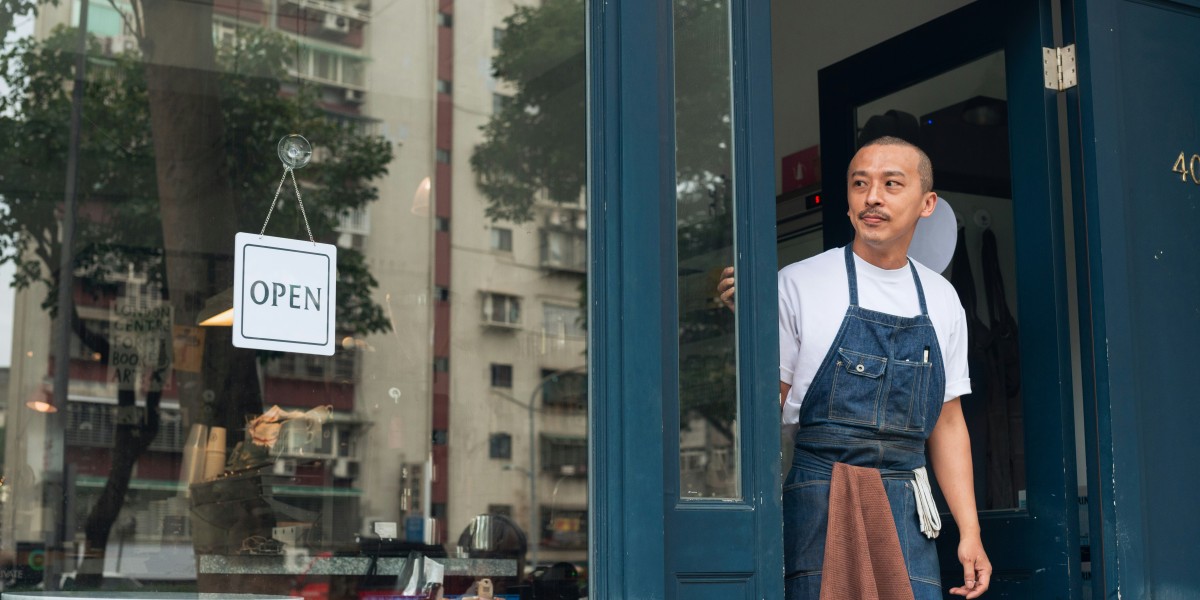

Running a restaurant in New York City has never been easy. High rents, strict regulations, and intense competition make it one of the most challenging markets in the country. Now, some owners say new policy proposals could make the landscape even harder to navigate.
Stratis Morfogen, a well-known NYC restaurateur, has been one of the most vocal critics. He argues that a proposed $30 minimum wage could push many small establishments beyond their financial limit. From his perspective, when labor costs rise faster than profit margins, restaurants are forced into painful choices: cutting staff, raising prices, or shutting down entirely.
For many New Yorkers, the idea of higher wages feels justified. Living costs are steep, and wages rarely stretch as far as they should. But owners counter that restaurants operate on razor-thin margins. Sudden changes, they say, disrupt the balance between fair pay and economic survival. To them, the issue isn’t about opposing worker wages — it’s about how to achieve higher pay without forcing closures across the city.
This tension sits at the core of the debate: how to protect workers while keeping neighborhood restaurants alive.
Plans Put on Hold Amid Uncertainty
Morfogen recently drew attention when he canceled three planned restaurant openings in New York. He explained that he delayed signing leases until after the mayoral election — and ultimately decided not to move forward once the political landscape shifted.
Instead of expanding in New York, he opened a 400-seat Brooklyn Chop House in Miami, complete with a rooftop lounge inside a hotel known for high tourism traffic. His choice reflects a growing trend among entrepreneurs who see cities like Miami as more cost-effective and more predictable for business planning.
For New York neighborhoods, this raises concerns. Restaurants are more than places to eat — they’re anchors for foot traffic, employment, and cultural identity. When expansion plans shift elsewhere, the loss affects more than just commercial real estate. It touches jobs, community character, and economic momentum.
The Political Moment Behind the Debate
The election of Zohran Mamdani has added fuel to the conversation. At 34, he will be the youngest mayor in more than a century and the first Muslim, South Asian, and African-born leader of New York City. He campaigned on a Democratic socialist platform that prioritizes worker protections, wage increases, and new labor standards.
Supporters view these reforms as overdue — a chance to make the city more equitable for the workers who keep it running. Critics, including some in the restaurant industry, worry the policies may discourage investment or push small businesses to relocate.
Some restaurant owners say the proposals create uncertainty. They fear that stricter labor rules, paired with high costs and ongoing economic pressures, could choke off the city’s ability to support independent restaurants. While these concerns aren’t new, they feel sharper in a city where dining culture is a defining feature.
What It Means for Workers, Owners, and Customers
For workers, the idea of a higher wage can be a source of hope, offering the possibility of easing the pressure of rent, bills, and daily necessities. But owners warn that if businesses close, the number of available jobs may shrink. The challenge is ensuring gains in wages don’t come at the cost of overall employment.
Customers may also feel the impact. Higher labor costs often translate into higher menu prices, which could make dining out less accessible — especially for families or younger diners. If too many restaurants raise prices at once, customers may simply go out less often.
This doesn’t mean the city can’t find common ground. Many economists suggest phased wage increases, tax incentives for small businesses, or targeted support programs that help restaurants adapt while still allowing workers to benefit. In other words, it’s not about choosing workers over owners — it’s about finding a pace that keeps both afloat.
What Comes Next for New York’s Food Scene
Morfogen’s decision to expand in Miami is just one example of how policy signals shape business choices. It shows how entrepreneurs assess costs, evaluate long-term risks, and adjust their strategies accordingly.
But New York’s restaurant industry has always been resilient. Some owners will leave, others will adjust, and new restaurateurs will enter the scene with fresh ideas. The city’s dining culture is constantly reinventing itself.
The key is balance — acknowledging the needs of workers while recognizing the realities of operating a small business in one of the most expensive cities in the world. These debates are part of how cities evolve. Rather than a crisis, they reflect a moment of transition.
For New Yorkers, the conversation matters because restaurants are part of daily life and community identity. How the city moves forward will help determine what the next decade of dining in New York will look like — not just in menus and concepts, but in who gets to build and sustain them.