
There is a phrase that has started appearing with increasing frequency in conversations across the DTC and eCommerce industry: the post-easy-growth era. It does not have a precise start date, and reasonable people disagree about exactly when the conditions that defined it began to take hold. But most operators who have been working in this space long enough can identify the shift, even if they would describe it differently depending on where they sit.
Before that shift, growth in direct-to-consumer was largely driven by capital allocation and execution speed. Find a product with strong unit economics, direct paid acquisition spend toward the platforms with the most efficient targeting, and let the algorithm optimize toward conversion. Attribution was imperfect, but it was consistent enough to make meaningful decisions. Customer acquisition costs were manageable relative to lifetime value. The playbook was learnable, transferable, and scalable in ways that rewarded brands willing to move quickly and spend aggressively.
After the shift, almost none of those assumptions hold with the same reliability.
The forces behind this change are well documented across the industry: platform signal loss following privacy regulation changes, intensifying competition for the same audiences driving acquisition costs higher, increasing consumer sophistication and declining responsiveness to retargeting, and macroeconomic conditions compressing margins at exactly the moment that performance has become harder to predict. Individually, any one of these would require meaningful adjustment. Together, they have created conditions that the traditional playbook was not designed to handle.
What is less well examined is what actually separates the brands navigating this environment successfully from the ones that are struggling most visibly.
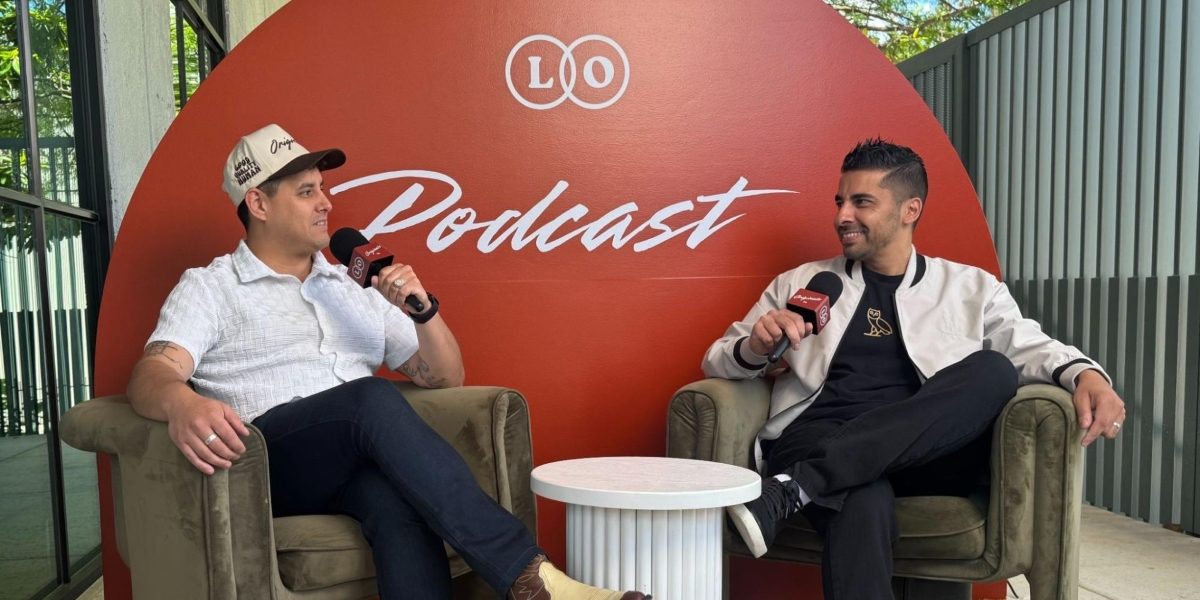
Neal Goyal has a direct view into that distinction. As SVP at PostPilot and a decade-long operator across the DTC and eCommerce ecosystem, he works closely with growth-stage brands navigating these challenges as they unfold. What he consistently observes is not primarily a resource gap or a creative gap between the brands that are pulling ahead and those that are not. It is a willingness gap, specifically the willingness to examine assumptions formed during a period when conditions for growth were considerably more forgiving and to update them honestly based on what the current market is actually showing.
“The brands that move fastest through this transition are almost always the ones where leadership has given itself permission to look at the situation clearly before defaulting to what is familiar,” Goyal says. “Trying to scale what used to work is not a strategy when the environment that made it work has changed around you.”
What that willingness looks like organizationally is worth examining concretely. It shows up in how brands structure their planning cycles, whether they build in regular mechanisms to pressure-test assumptions or simply extend last year’s strategy with minor adjustments. It shows up in how they evaluate new channels, whether the bar for investment is genuine evidence of incremental value or simply a matter of comfort with the familiar. And it shows up in how leadership communicates internally about performance, whether the culture rewards honest assessment of what is working or defaults to protecting the metrics that have historically defined success.
The brands building durable growth engines in this environment share a common characteristic: they are operating with a shorter distance between what the market is telling them and how they respond to it. They are not waiting for a bad quarter to prompt a strategic review. They are treating the signals the market sends continuously as inputs to decisions that get made continuously. That posture requires a different kind of organizational discipline than the one that built most DTC brands during the growth era, and developing it is one of the more significant and underappreciated challenges operators face right now.
The window for making that transition ahead of the broader market remains open. It will not stay open indefinitely, and the brands that recognize that earliest are the ones most likely to look back on this period as the moment their competitive position was defined.