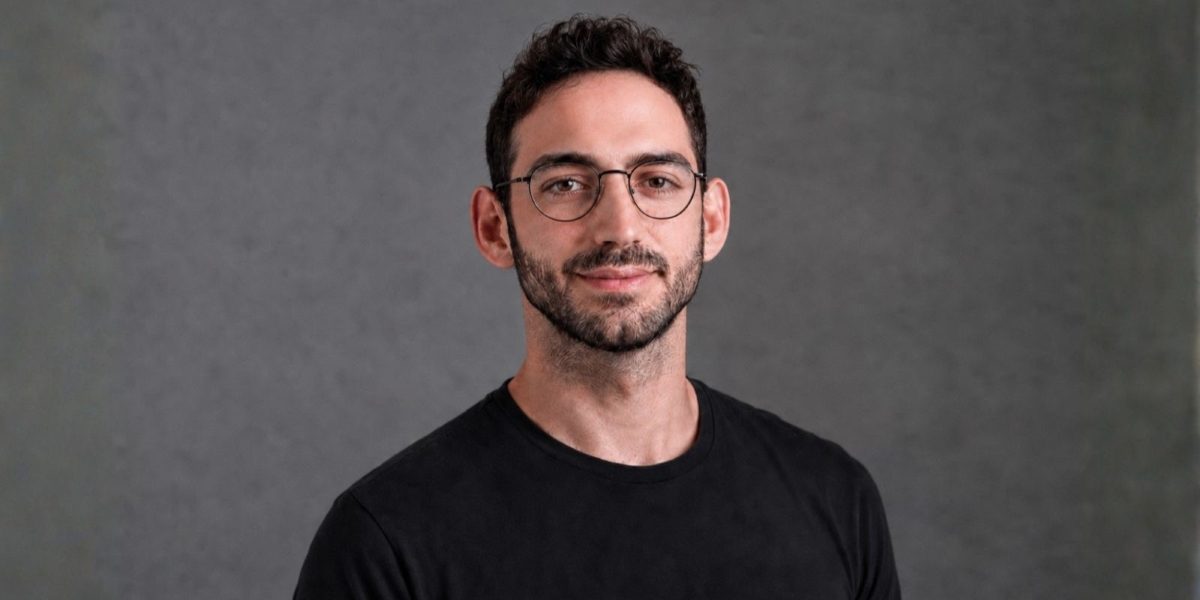

By: Jake Smiths
There is a specific problem embedded in the AI coding era that does not get discussed as frequently as it should. It is not about the quality of code that AI tools produce. It is not about developer adoption rates or the speed of code generation. It is about what happens after the code ships, and why the tools currently available to engineering teams are not equipped to answer the question that matters most when something breaks in production.
That question is not whether something failed. It is why it failed, which function was responsible, and what the code was doing under real traffic when the failure occurred. Hud is built around that question. The appointment of Shai Alani as Vice President of Marketing signals that the company is ready to take the answer to a much larger audience.
The Technical Gap, Stated Directly
When software fails in production, the standard response is to examine logs, traces, and metrics. The platforms that aggregate and surface this data are sophisticated and widely deployed. They are reliable at confirming that a problem exists. They are considerably less reliable at explaining it at the function level.
The reconstruction process is the problem. After a failure, engineering teams typically work backward through multiple data streams, trying to piece together a coherent picture of what the code was doing at the moment things went wrong. The process depends on whether the right instrumentation was in place, whether the right data was captured, and whether someone can interpret it accurately while an incident is still active.
AI-native development environments make this worse in a specific way. Coding agents can read a codebase and propose fixes. What they cannot do is access runtime evidence of how that code actually performed under real production conditions, at the function level, under real traffic. An agent operating without that evidence is making recommendations based on code structure alone, without any grounding in how that code behaves when it runs.
Hud addresses this with what it calls Runtime Intelligence: production behavior resolved to the function level, combined with forensic depth when failures require investigation. The practical benefit is a shorter, more accurate path from failure to root cause, for both engineering teams and the coding agents they use.
How Hud Frames the Solution
“AI has changed the speed of software creation, but production is still where code proves itself,” said Roee Adler, Co-founder and CEO of Hud. “The next major category in the AI SDLC is Runtime Intelligence: production behavior resolved to the function level, coupled with deep forensics when things go wrong, so humans and agents can understand, fix, and validate software with confidence. Shai brings the experience we need to build that category and scale Hud into a defining company for AI-native engineering teams.”
The framing places Runtime Intelligence not as an alternative to observability but as a distinct and complementary layer. Observability tells teams what is happening. Runtime Intelligence tells them why it is happening at the level of granularity that actually enables resolution.
Alani described the gap in direct terms.
“Runtime Intelligence is the missing layer in the AI software stack,” said Shai Alani, VP Marketing at Hud. “AI has made it easy to generate code, but it has not made it any easier to stand behind that code once it is running in production, where reliability is actually decided. That gap is fast becoming one of the defining problems for AI-native engineering teams, and it is exactly the kind of category you build a company around. That is why I joined Hud, and it is the story I am excited to take to market.”
What Alani’s Background Brings
Shai Alani joins Hud with a track record in developer tooling and AI monitoring markets. He previously served as VP Marketing at Lightrun, a developer observability company, and held marketing leadership positions at Coralogix and Aporia. Across those roles, Alani built go-to-market strategies for technically complex products sold to technically sophisticated buyers.
At Hud, his scope covers global marketing strategy, category creation, brand, and demand generation. The category creation component is central to Hud’s current phase. Runtime Intelligence needs to become a term that engineering leaders recognize, understand, and use to describe a problem they already experience. Alani’s job is to build that recognition with the specific audience of engineering organizations adopting AI-native development.
The Audience Hud Is Targeting
The engineering organizations Hud is targeting are already embedded in AI-native workflows. They use coding agents as part of their standard development process, shipping software at speeds that earlier development practices could not support. They are also the teams most exposed to the problem Hud describes: high-velocity code moving into production environments where failures are harder to trace and root causes are harder to pinpoint.
For these teams, Runtime Intelligence is a direct response to a workflow challenge they encounter regularly. Alani’s appointment puts Hud in a position to reach them systematically, with a message that connects the technology to the specific pain it resolves.