
A rooftop wedding in Brooklyn needs a tent in case the sky turns, a couple of dozen tables, enough chairs to seat both families, and a dance floor that will hold up through the last song. Buying any of it for one night makes no sense, and in a city where almost nobody has a garage, a basement, or a spare room, storing it afterward makes even less. Renting it has usually meant calling several party-supply shops and hoping each one had the right pieces free on the same weekend.
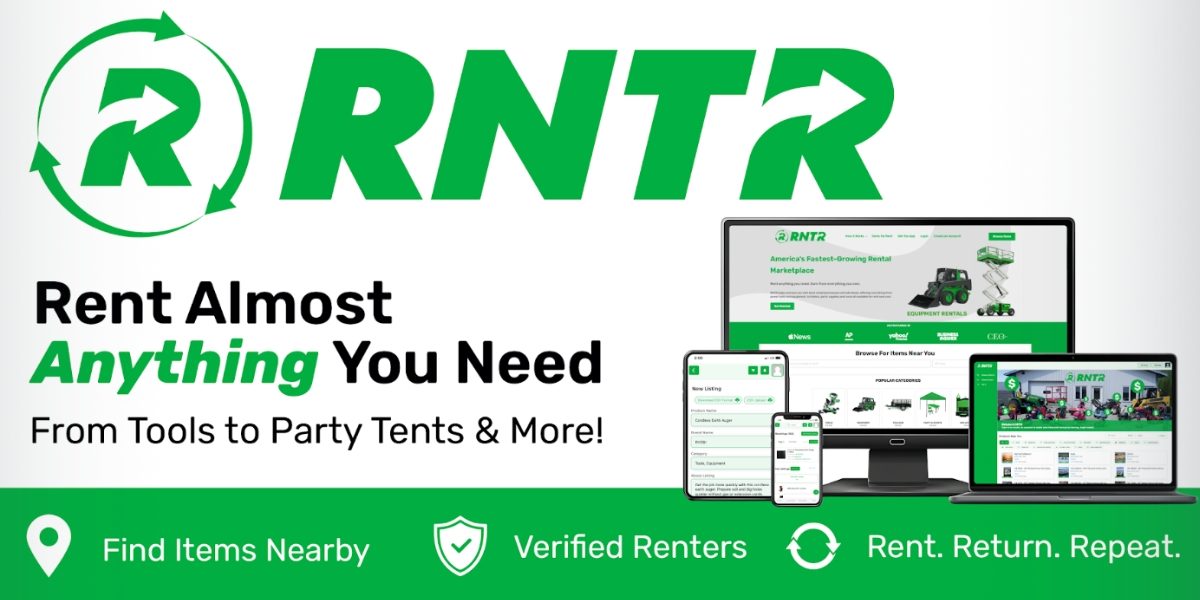
RNTR, an online rental marketplace, gathers tents, tables, chairs, and party supplies from local businesses and individuals in one place, which is why New York couples and party planners have started building an entire event kit from a single search rather than a stack of phone calls.
Building an Event Kit From One Search
The party and event category is one of the platform’s busiest, and it stretches well past folding chairs. A planner can line up a tent, banquet tables, linens, a dance floor, and a sound system without leaving the site, comparing what a full-service party company offers to what an individual who keeps a dozen tables in a storage unit across the river offers. Each listing sits next to its price and its distance, so a host can see whether the closer option or the cheaper one wins before reserving anything. In a city spread across five boroughs, that distance number matters almost as much as the price.
That range matters most for the events that do not fit a rental-store template. A milestone birthday, a loft engagement party, a reunion, or a small wedding often needs an odd mix of items that no single traditional shop stocks. Pulling them from several local owners at once is the difference between one booking session and a week of calls. A rooftop birthday might come together as a half-dozen cocktail tables, thirty chairs, a compact dance floor, and a speaker for the playlist, each from a different lister, a subway ride or short drive away, all reserved for the same Saturday in a single sitting.
Booking Around the Calendar
Timing is the quiet challenge of any event. Tents and tables for a June wedding, a graduation, or a holiday party get scarce as the date nears, so the platform lets a host reserve specific dates well in advance and lock in the pieces before someone else does. Questions about setup, delivery windows, and whether a crew can manage a walk-up or a freight elevator go through the app’s messaging, so a couple can confirm that the tent arrives the morning before rather than the afternoon of.
That calendar-first design is deliberate. “That’s how RNTR was born: to make renting simple, convenient, and on your schedule,” said Ryan McCleary, founder and CEO of RNTR. For an event with a fixed date and no room for a missed delivery, booking around the calendar rather than around a store’s hours is the whole appeal. Peak stretches in summer and around the winter holidays tend to clear out first, so the hosts who book earliest get the widest choice of tents and seating.
The Cost, and Who You Rent From
The money side is straightforward. Browsing and listing are free, and a charge applies only when a rental actually goes through, with payment handled via Stripe. Some owners deliver for an added fee, while others are pickup only, and each listing says which, which lets a host budget the true cost of a tent that needs two people, a truck, and a freight elevator to move.
Renting for a night that cannot be repeated puts a premium on trust, so the platform leans on verified accounts and reviews. A host can read how a party supplier handled past events before trusting them with a wedding, and can leave a record afterward that helps the next couple. According to RNTR, its marketplace now includes about 38,000 listings across 40 states, increasing the likelihood that New York events can source the specific mix of rentals they need nearby.
None of this changes what an event is about. It changes the logistics behind it. The tent, the tables, and the dance floor go back on Monday; nobody wedges a hundred chairs into a studio or a walk-up closet for the next decade, and the budget goes toward the day itself rather than toward gear that gets used once. For a host juggling a date, a guest count, and a venue, renting the kit instead of buying it is the version that leaves room to enjoy the party.