Beyond Success: Dr. Caprice Smith’s Mission to Create Leaders Who Leave Their Mark

By: Shawn Mars

Success is often measured by titles, awards, or milestones. Dr. Caprice Smith measures it differently.

For her, success is reflected in the student who discovers a calling, the woman who launches a business she never thought possible, the leader who gains the confidence to take the next step, or the community made stronger because someone chose to serve.

That philosophy has shaped every chapter of her career.

After spending two decades as a Special Investigations Detective, Smith could have viewed retirement as the conclusion of one remarkable career. Instead, she saw it as the beginning of something even greater: creating opportunities for others to grow, lead, and leave their own mark on the world. Her work was recently recognized, as she was the recipient of the Presidential Lifetime Achievement Award, crowned Lifetime Queen with the national Mrs. Corporate America pageant and received an honorary doctorate in business.

Today, as a criminal justice educator, Smith prepares future professionals for careers that demand integrity, critical thinking, and service. But ask her what matters most, and the conversation quickly shifts away from the classroom.

It becomes about people.

“I’ve learned that leadership isn’t about standing in front of people, it’s about walking beside them,” Smith says. “When people recognize what they’re capable of, they begin changing the lives of everyone around them.”

Photo Courtesy: Dr. Caprice Smith

That belief extends into her doctoral research, where she is completing a Ph.D. in Criminal Justice focused on women in leadership. Rather than simply examining barriers, her research explores how mentorship and organizational culture can create stronger pathways for women to lead, influence organizations, and shape the future of criminal justice.

It’s a natural extension of work she has been doing throughout her career.

Whether mentoring students, coaching entrepreneurs, speaking to organizations, or collaborating with community leaders, Smith has consistently focused on helping others recognize their potential and transform it into meaningful action.

Entrepreneurship became another powerful platform for that mission.

As a Senior Sales Director with Mary Kay, Smith has built far more than a successful business. She has cultivated a community of women committed to encouraging one another, growing together, and embracing leadership with confidence. Through mentorship and authentic relationships, she has helped women discover that entrepreneurship can create not only financial opportunity but also personal growth, purpose, and lasting impact.

Her leadership has earned numerous corporate recognitions, including multiple national honors, the use of three company vehicles, and incentive travel awarded through team development and leadership excellence. These results are not typical. Yet Smith sees those achievements differently.

“They remind me that when you invest in people, everyone wins,” she says. “The greatest reward isn’t recognition, it’s watching someone discover they can accomplish more than they ever imagined.”

That same philosophy inspired the Women Uncuffed movement.

Through books, leadership events like the Women Uncuffed Colloquium, Smith has created spaces where women exchange ideas, encourage one another, celebrate growth, and challenge each other to lead with purpose. Rather than focusing on limitations, the movement encourages women to embrace possibility, own their experiences, and recognize the influence they already possess.

As the author of Uncuffed Behind My Smile and curator of three Women Uncuffed anthologies, Smith has used storytelling to highlight resilience, perspective, and personal transformation. For her, every story shared has the potential to inspire another person to step forward with greater confidence.

Education remains central to that mission.

Believing that knowledge creates change, Smith founded a non-profit and hosted the Annual Symposium on Dating and Domestic Violence and Interpersonal Relationships for several years before shifting focus to helping women at the Women Uncuffed Colloquium. For more than a decade, both events brought together educators, advocates, healthcare professionals, criminal justice practitioners, and community leaders to promote prevention through education and collaboration.

Her expertise has led to appearances on television, radio, podcasts, and in print, where she contributes to conversations surrounding leadership, public safety, education, and community engagement. Yet despite public recognition, those closest to her describe someone whose greatest satisfaction comes from seeing others succeed.

Photo Courtesy: Dr. Caprice Smith

Perhaps that is because Smith has never viewed leadership as something reserved for a select few.

She believes leadership belongs to anyone willing to create opportunities, encourage growth, and make a positive difference wherever they are.

That belief connects every aspect of her work, from criminal justice and higher education to entrepreneurship, writing, research, and community service.

The roles have changed over the years.

The mission never has.

For Dr. Caprice Smith, success was never the destination. It became the platform from which she could help others rise.

Because in the end, the legacy we leave is rarely measured by what we accomplish ourselves.

It is measured by the leaders we inspire, the opportunities we create, and the lives we help transform.


Rethinking Enterprise IT: How Divine Ezeagwuna’s Research Is Shaping the Next Generation of Intelligent Service Management

By: Jay Kt

Artificial intelligence is rapidly changing the way organizations operate, but its greatest impact may not lie in futuristic concepts; it may be found in the everyday systems that keep businesses running. From resolving technical issues to managing digital workflows, modern IT departments are under increasing pressure to deliver faster, smarter, and more reliable services. As enterprises search for practical ways to apply AI, research that bridges innovation with implementation has become increasingly important.

Artificial Intelligence Researcher Divine Ezeagwuna is among the researchers contributing to this transition. His recent study, Artificial Intelligence for IT Service Management: Developing a Framework for ROI Optimization Using ServiceNow and Machine Learning Technologies, explores how organizations can integrate artificial intelligence into IT Service Management (ITSM) to improve operational performance, automate routine processes, and generate measurable business value.

Published in the peer-reviewed Well Testing journal after successfully completing a double-blind peer-review process, the study was later recognized with the journal’s Best Research Paper Award for its originality, scientific rigor, and potential contribution to both academic research and professional practice.
The recognition reflects more than academic excellence. It highlights the growing demand for applied research that helps organizations manage one of the most significant technological transformations of the modern era.

Moving Beyond AI Hype

Artificial intelligence has become a strategic priority for organizations worldwide, yet many enterprises continue to struggle with implementation. While AI technologies offer considerable promise, translating that potential into measurable operational improvements remains a complex challenge.

Rather than focusing solely on technical innovation, Ezeagwuna’s research addresses a practical question faced by business leaders: How can organizations deploy artificial intelligence to improve efficiency while delivering a measurable return on investment?

His framework proposes that successful AI adoption depends on integrating machine learning, intelligent automation, predictive analytics, governance, and continuous performance evaluation into a unified operational strategy. The result is an implementation model designed to help organizations improve service quality while reducing operational complexity.

“Artificial intelligence should be viewed as an enabler of better decisions rather than simply a tool for automation,” Ezeagwuna explained. “Organizations achieve lasting value when AI is implemented with clear strategic objectives and measurable business outcomes.”

A Practical Vision for Modern IT Operations

Across industries, IT departments serve as the operational backbone of digital business. Every service request, infrastructure incident, security alert, or workflow interruption can affect productivity, customer satisfaction, and financial performance.

The research demonstrates how platforms such as ServiceNow can use machine learning to predict recurring incidents, automate repetitive service tasks, improve resource allocation, and accelerate response times. By embedding intelligence directly into operational workflows, organizations may reduce administrative burden while allowing technology professionals to concentrate on higher-value strategic initiatives.

Importantly, the framework does not advocate replacing human expertise. Instead, it positions AI as a collaborative technology that enhances analytical capabilities and supports more informed decision-making across enterprise environments.

Connecting Research With Organizational Impact

One distinguishing feature of the study is its emphasis on measurable organizational outcomes rather than theoretical possibilities. Businesses investing in artificial intelligence increasingly expect evidence that digital transformation initiatives will improve efficiency, strengthen resilience, and create long-term value.

By focusing on return on investment alongside operational performance, the research provides executives with a structured approach to evaluating AI initiatives beyond technical implementation alone.

“Organizations are moving from asking whether they should adopt AI to asking how they can implement it responsibly and effectively,” Ezeagwuna said. “Frameworks that align technological innovation with governance and operational objectives will become increasingly important as AI adoption continues to expand.”

Recognition for Applied Innovation

Receiving the Well Testing journal’s Best Research Paper Award places the study among the journal’s most distinguished contributions. The award recognizes research that demonstrates originality, scientific rigor, and meaningful potential to influence future scholarship and industry practice.

While awards acknowledge scholarly achievement, they also signal the broader relevance of research to evolving technological and organizational challenges. In this case, the recognition underscores the importance of developing practical AI frameworks that support real-world enterprise transformation.

Looking Ahead

As artificial intelligence becomes increasingly integrated into business operations, organizations will require more than powerful algorithms. They will need evidence-based strategies that help translate technological capability into sustainable operational improvement.

Ezeagwuna’s research contributes to that objective by demonstrating how AI, machine learning, and intelligent automation can be incorporated into enterprise IT Service Management through a structured framework focused on efficiency, accountability, and measurable value.

As digital transformation reshapes virtually every industry, research that connects academic insight with practical implementation will continue to influence how organizations build more intelligent, resilient, and future-ready operations. Through this award-winning work, Divine Ezeagwuna adds an important perspective to that ongoing conversation, illustrating how thoughtful AI adoption can help organizations move beyond experimentation toward lasting organizational impact.

Connect with Divine Ezeagwuna via

Google Scholar: https://scholar.google.com/citations?hl=en&user=nzE-1-kAAAAJ

LinkedIn:https://www.linkedin.com/in/connectwithdivine-8a8ba920?utm_source=share_via&utm_content=profile&utm_medium=member_android

Houston Recording Artist 2 Times CB Is Defining Success on His Own Terms With Upcoming Album I’m a Star

By: Brittiany Barnes, PR Representative, BBMgmt PR Agency

In today’s music industry, authenticity has become one of the most valuable currencies an artist can possess. While trends dominate social media and overnight success stories often capture headlines, Houston recording artist 2 Times CB is proving that longevity comes from consistency, purpose, and remaining true to your story.

Born in Houston, Texas, and raised in Nigton, Texas, 2 Times CB has steadily built a reputation for creating music that speaks directly to life’s victories, setbacks, and personal evolution. A graduate of Texas Southern University, his artistic journey reflects the same determination that has fueled his personal growth. Rather than chasing temporary popularity, he has focused on developing a signature sound built on cinematic production, melodic storytelling, and relatable experiences.

That commitment has earned him growing attention throughout the independent music community.

His previous releases, including Death Do Us Wrong and Long Story Short, introduced listeners to an artist willing to discuss adversity without sacrificing confidence. Every verse represents another chapter of his own life, transforming obstacles into motivation while encouraging listeners to continue believing in themselves.

Now, 2 Times CB is preparing for what many consider his biggest artistic statement to date.

His forthcoming album, I’m a Star, represents far more than another music release. It symbolizes years of dedication, countless sacrifices, and an unwavering belief that success begins long before public recognition arrives.

“I’ve always believed that you have to see yourself as a star before the world ever does,” explains 2 Times CB. “This project is about confidence, faith, growth, and continuing to push forward regardless of what’s happening around you.”

Photo Courtesy: 2 Times CB

To ensure the album reached its fullest potential, 2 Times CB traveled from Houston to Los Angeles to record at the world-renowned Paramount Recording Studios, one of the industry’s most historic recording facilities.

Recording inside the same studios that have welcomed generations of legendary musicians challenged him creatively while elevating every aspect of the project.

Working alongside acclaimed recording engineer Randy Urbanski, 2 Times CB refined every vocal performance, ensuring each record captured genuine emotion while meeting commercial production standards.

The album also benefited from the creative expertise of engineer Brodini, whose attention to detail helped shape the project’s polished and cinematic sound.

Rather than simply recording songs, every studio session became an opportunity for artistic growth.

The result is a collection of music that blends emotionally driven storytelling with modern production, creating records that feel equally suited for personal reflection and high-energy playlists.

Throughout I’m a Star, listeners will hear themes of resilience, ambition, loyalty, self-worth, and perseverance.

Instead of following industry formulas, the project reflects real experiences that many people can identify with, like overcoming doubt, trusting the process, and continuing forward despite setbacks.

The album’s title serves as a reminder that confidence begins internally.

For 2 Times CB, becoming a star isn’t defined by awards or chart positions. It’s about believing in your purpose before external validation arrives.

That message resonates beyond music.

It speaks to entrepreneurs, students, creators, athletes, and anyone working toward a goal that others may not yet understand.

As anticipation continues to build, I’m a Star positions 2 Times CB among a new generation of independent artists prioritizing substance over hype.

With elevated production, meaningful songwriting, and an expanding national presence, his career is entering an exciting new chapter.

From Houston to Hollywood, 2 Times CB is demonstrating that perseverance and preparation can open doors once thought impossible.

And for audiences discovering his music for the first time, I’m a Star may be the project that introduces this Houston independent artist to a much broader audience.

About BBMgmt PR Agency

Media interviews, podcast appearances, television features, sponsorship opportunities, and booking requests for 2 Times CB are managed exclusively through BBMgmt PR Agency.

Booking and Media Inquiries

Email: bbmgmtbookings@gmail.com

Phone: (346) 291-3025

37 Golden Doors: How Grit Marketing Turned One Summer Season into a Benchmark for D2D Sales Organizations

Three hundred verified accounts in twelve weeks. That’s the threshold that separates a Golden Door Award winner from everyone else in the door-to-door sales industry, and it’s not a number that softens under scrutiny. Three hundred accounts in eighty-four days means closing roughly four new customers every single day, including the slow ones, the rainy ones, and the days when the first six doors don’t open.

Earning the award once is a career achievement. Grit Marketing reported 37 of its sales representatives earning Golden Door status in a single summer selling season, placing the Utah County-based pest control sales organization among the highest-producing per-cohort outputs in the door-to-door pest control industry and, by its own account, the strongest single-season performance in the company’s history.

What the Golden Door Actually Measures

D2DCon, the industry’s primary conference and awards body for direct sales professionals, administers Golden Door recognition and maintains a public record of qualifying performances. The award applies across industries: pest control, solar, home security, roofing, fiber. In each category, the threshold is calibrated to what the industry considers elite production, not merely solid output.

For pest control specifically, reaching 300 accounts in a twelve-week block requires a rep to sustain a pace that most field sales organizations would consider a strong full-season performance from a developing rep, compressed into a single summer. D2DCon’s data shows top Golden Door winners in pest control often earn between $75,000 and $125,000 in a single season. The Hall of Fame tier, for reps who exceed $500,000 in a single selling season, represents a smaller group who have taken that baseline and extended it considerably.

Grit Marketing has placed multiple reps in the Golden Door Hall of Fame across prior seasons. The 37-winner figure from the most recent season is a cohort number, not just an individual achievement story.

The $750,000 Rookie Record

The season’s most notable individual performance came from a first-year Grit Marketing representative who generated $750,000 in sales revenue in a single twelve-week block. That figure represents a first-season output that placed the rep among the highest individual earners in the organization’s history, and it came from someone with no prior seasons of D2D experience.

First-year rep performances at that level are rare enough that they tend to appear as data points in industry discussions about what structured onboarding and pre-season training can actually produce. There’s a well-documented case for what door-knocking develops in a rep that classroom-based training rarely replicates: the ability to recover from consecutive rejections, read a homeowner’s body language in the first ten seconds, and adjust a pitch in real time based on live feedback.

John Taylor, Ben Eagan, and Garth Massey, co-founders of Grit Marketing, described the organization’s training philosophy in the context of this result. The emphasis before and during the season is on developing mental resilience alongside technical sales skills. The industry experience behind the organization informed how the founders built the preparation process, with an understanding that physical and psychological readiness determine how a rep responds when the season gets hard, not just how they perform when conditions are favorable.

Cohort Performance as an Organizational Signal

The 37-winner figure matters for a reason that goes beyond the count itself. In direct sales, individual outliers appear in almost every organization of sufficient size. What’s harder to produce, and harder to explain away, is a cohort of high performers within a single organization in a single season.

When 37 reps hit 300 accounts or more in the same twelve-week period, the explanation can’t be territory luck or seasonal conditions alone, because those factors would have applied equally to reps who didn’t reach the threshold. The differentiating variable is what those 37 reps had in common with each other and what distinguished their experience inside the organization.

Grit Marketing‘s founders have framed this as evidence of organizational design: team structure, peer accountability, and a competitive internal environment that makes high performance a shared expectation rather than an individual aspiration. The peer group reps enter when they join a Grit Marketing team sets the standard they’re working toward. That standard, built over successive seasons of documented performance, is what makes the cohort number possible.

What 37 Winners Means for the Broader Industry

D2DCon’s own data shows that the door-to-door sales industry average turnover rate runs around 80 percent annually. Organizations that have reduced that figure to under 30 percent do so through a combination of strong onboarding, visible career progression, and cultures where retention is treated as a performance metric in its own right.

Grit Marketing’s season results reflect a version of that retention model applied to peak-performance outcomes. The reps who earn Golden Door recognition in a given season are, by definition, reps who stayed through the full twelve-week block, sustained high daily output, and didn’t exit when conditions were difficult. The 37-winner cohort represents the successful execution of that model at scale.

For direct-to-home pest control sales organizations watching this figure, the relevant question isn’t whether 37 Golden Doors is impressive. It plainly is. The question is what organizational conditions produce it. The organization’s public profile documents a track record built across five seasons since Grit Marketing’s 2020 founding, pointing consistently at training infrastructure, peer environment, and a performance culture built before the selling season begins, not improvised during it.

The door-to-door pest control industry’s growth trajectory, with the broader U.S. market projected to reach $29 billion by 2026, will generate more organizations competing for the same pool of recruits. The ones that build systems capable of producing results like this season’s output are the ones that will define what high-performance direct sales looks like in the years ahead.

From Reactive to Recurring: How Mira Home Is Part of the Home Services Industry’s Biggest Shift

For most of the residential services industry’s history, the standard transaction was simple: something breaks, you call someone, they fix it. Pest control followed the same logic. Homeowners tolerated pests until they became undeniable, then called for treatment. The problem with that model is that by the time pests are visible, the underlying infestation is usually well established and significantly harder to address.

That dynamic is changing. Across home services, from HVAC and plumbing to pest control and lawn care, the industry is shifting away from emergency callout models toward subscription-based preventive maintenance. The drivers are partly economic, partly technological, and partly a change in how homeowners think about the cost of waiting.

A Market-Wide Structural Shift

The numbers reflect a genuine reorientation. According to the National Pest Management Association’s 2026 industry data, recurring service contracts now account for 85.4% of residential pest control revenue nationally. That figure represents a decisive shift away from one-time emergency treatments toward ongoing prevention plans, and it mirrors trends playing out across the broader home services sector.

BDR’s April 2026 home services industry trends report identifies subscription-based maintenance models as one of the defining business shifts of the current period, noting that providers who build recurring revenue through preventive service plans see stronger customer retention and more stable demand curves than those dependent on reactive callouts. The report points to pest control as among the categories where this transition is most advanced.

The reasons are straightforward. Homeowners who schedule regular preventive treatments catch problems at their early stages, when pest populations are smaller and treatment is simpler. Providers who see a home on a recurring basis develop a more complete picture of that property’s vulnerabilities. Both sides of the relationship benefit from moving out of the emergency response model.

Why Certain Regions Make the Case Clearest

The argument for recurring preventive pest control is strongest in regions where pest pressure does not meaningfully diminish between seasons. Florida is the clearest example. Unlike northern states where cold winters reduce insect populations and give homeowners a natural period of lower risk, Florida’s warm, humid climate keeps pests active year-round. Ants, cockroaches, rodents, and mosquitoes do not follow a seasonal retreat in Central or South Florida. Homeowners who treat pest control as an emergency service are likely to be calling frequently, and often at higher cost than a structured recurring plan would require.

Georgia sits in a similar position across much of the state. Atlanta-area homeowners contend with significant warm-season pest pressure from fire ants, cockroaches, and stinging insects, combined with enough seasonal variation to create distinct spring emergence cycles and fall intrusion events as pests seek warmth. Georgia and Florida rank among the most competitive home services markets in the country, and a reactive approach to pest control in either state means repeatedly catching up to established populations rather than preventing them.

Ohio presents a different version of the same argument. While the state does have a genuine winter pest reprieve, the 2026 season is forecast to start earlier than historical averages, with the NPMA’s Bug Barometer predicting that mild winter conditions will accelerate spring emergence for termites, ticks, and overwintering pests. Ohio homeowners accustomed to waiting until May or June to schedule pest control may find that timing increasingly inadequate.

How Providers Like Mira Home Are Responding

Companies operating across multiple climate zones face a practical design challenge: how do you build a recurring service model that accounts for meaningfully different regional pest profiles? The answer involves both scheduling and protocol flexibility, adapting treatment timing and pest focus to what each market actually requires at each point in the year.

Mira Home, which serves homeowners across Ohio, Georgia, and Florida, structures its service around scheduled preventive visits calibrated to seasonal pest pressure in each region. The company’s model reflects the broader industry trend: home services providers are increasingly building purpose-driven, community-oriented brands alongside recurring service structures, with treatment schedules that are proactive rather than complaint-driven and an emphasis on maintaining conditions that prevent infestation rather than responding to it.

That positioning places providers like Mira Home in alignment with where consumer expectations are also moving. A 2026 SightX survey found that home improvement and maintenance rank among the spending categories where US consumers plan to increase investment, even as discretionary spending tightens in other areas. Homeowners are treating their properties as assets that benefit from consistent upkeep, and pest control is increasingly understood as part of that maintenance category rather than a separate emergency fund. This is part of a broader shift toward lifestyle-driven residential services that reward providers who treat the home as a whole rather than responding to isolated problems. Mira Home has positioned itself at the forefront of that shift, addressing customer trust as a core pillar of its service model rather than an afterthought.

What the Shift Means for Homeowners

The practical implication of the industry’s move toward recurring models is a change in how homeowners should think about scheduling and budgeting for pest control. Waiting for visible pest activity before calling a provider is structurally more expensive than a preventive plan, both in direct treatment costs and in the secondary costs of damage that progresses while an infestation goes unaddressed.

The industry’s data on this point is consistent. Recurring service customers deal with fewer serious pest events, spend less per incident when problems do arise, and report higher satisfaction with outcomes than homeowners who rely on reactive treatment. The subscription model that now accounts for the majority of residential pest control revenue exists because it produces better results, not simply because providers prefer predictable income.

For homeowners evaluating how to approach pest control in 2026, the question is less whether to use professional services and more when to start. In a year when the NPMA’s forecast points to elevated pest activity across multiple regions, providers like Mira Home offer a practical entry point: scheduled preventive coverage that addresses the season before it peaks rather than after the damage is done.

Why Property Protection Is Essential for Modern Businesses

Protecting commercial property has become a top priority for businesses of every size. Whether operating an office building, retail store, warehouse, manufacturing facility, healthcare clinic, or construction site, organizations face a variety of risks that can affect employees, customers, assets, and daily operations. While technology has introduced new security tools, physical security remains a critical component of a comprehensive business protection strategy.

Many organizations rely on professional security guard services to help protect their facilities, deter criminal activity, and provide a visible security presence. Security professionals do much more than respond to emergencies, they help create safe environments where businesses can operate with confidence.

Property protection is no longer simply about preventing theft.

It is about supporting business continuity, protecting people, and reducing operational risk.

Every Business Faces Security Risks

No commercial property is completely immune to security concerns.

Businesses may encounter challenges such as:

  • Theft
  • Vandalism
  • Trespassing
  • Unauthorized access
  • Property damage
  • Workplace disturbances
  • After-hours incidents

The level of risk varies depending on the industry, location, operating hours, and size of the facility.

Recognizing these risks is the first step toward developing an effective property protection strategy.

Visible Security Helps Deter Criminal Activity

One of the greatest benefits of on-site security is deterrence.

People considering theft, vandalism, or other criminal activity are generally less likely to target a property where trained security personnel are clearly present.

Visible security can discourage:

  • Unauthorized entry
  • Shoplifting
  • Property damage
  • Suspicious activity
  • Trespassing

Prevention is often far less costly than responding after an incident has already occurred.

A proactive security presence helps reduce opportunities for crime before problems develop.

Protecting Employees Creates Better Work Environments

Employees perform their jobs more confidently when they feel safe.

A secure workplace contributes to:

  • Greater peace of mind
  • Improved morale
  • Better productivity
  • Increased confidence

Security personnel can assist by monitoring entrances, responding to unusual situations, and helping maintain a safe environment throughout the workday.

When employees know security measures are in place, they can focus more fully on serving customers and completing their responsibilities.

Customer Safety Supports Business Success

Customers expect businesses to provide safe environments.

Whether visiting a retail store, office, medical clinic, or commercial facility, people want to feel comfortable while conducting business.

Visible security helps reinforce that confidence.

Customers often appreciate:

  • Well-monitored entrances
  • Organized visitor management
  • Safe parking areas
  • Professional security personnel
  • Quick response to unexpected situations

Positive customer experiences begin long before a purchase is made.

Safety contributes directly to customer trust.

Protecting Valuable Assets

Many businesses own equipment, inventory, technology, and materials that represent significant financial investments.

Examples include:

  • Computers
  • Machinery
  • Inventory
  • Vehicles
  • Tools
  • Confidential records

Protecting these assets helps reduce financial losses while supporting uninterrupted business operations.

Security personnel often monitor vulnerable areas, verify authorized access, and report suspicious activity before significant losses occur.

Asset protection remains one of the primary reasons businesses invest in physical security.

Access Control Reduces Risk

Knowing who enters and exits a property is an important part of modern business security.

Security personnel often assist with access management by:

  • Monitoring entrances
  • Verifying visitors
  • Checking identification
  • Managing deliveries
  • Controlling restricted areas

Access control helps reduce unauthorized entry while creating better accountability throughout the property.

Well-managed access procedures also improve overall operational organization.

Security Supports Emergency Response

Unexpected situations can occur at any business.

These may include:

  • Medical emergencies
  • Fire alarms
  • Power outages
  • Suspicious individuals
  • Workplace conflicts
  • Evacuations

Trained security personnel can assist by following established procedures, communicating with emergency responders, and helping guide employees and visitors during critical situations.

Preparedness often improves response times and helps reduce confusion during emergencies.

Construction Sites Require Ongoing Protection

Construction sites often contain valuable equipment and materials.

Because many projects remain active after normal business hours, they can become targets for theft or vandalism.

Security measures may help protect:

  • Heavy equipment
  • Building materials
  • Tools
  • Temporary structures
  • Construction progress

Reducing theft and unauthorized access helps projects stay on schedule while minimizing unexpected replacement costs.

Construction security is an increasingly important part of project management.

Security Helps Reduce Business Interruptions

Security incidents can disrupt normal operations.

For example, theft or vandalism may require temporary closures, repairs, insurance claims, or replacement of damaged property.

Preventative security measures help reduce the likelihood of these interruptions.

Business continuity depends on maintaining stable operations.

Security contributes by minimizing avoidable disruptions that affect employees, customers, and daily productivity.

Professional Security Creates a Positive Business Image

The appearance of a well-managed property influences public perception.

Professional security personnel contribute to an organized environment by:

  • Greeting visitors
  • Providing directions
  • Monitoring entrances
  • Maintaining visible presence
  • Responding professionally to concerns

These interactions reinforce the image of a business that values safety and professionalism.

Customers often associate organized security with responsible management.

Security Complements Technology

Modern businesses increasingly use technology such as:

  • Surveillance cameras
  • Alarm systems
  • Access cards
  • Motion sensors
  • Remote monitoring

While these tools provide valuable information, technology works best when combined with trained personnel.

Security professionals can:

  • Investigate alerts
  • Respond immediately
  • Verify suspicious activity
  • Assist visitors
  • Make informed decisions

Human judgment remains an important part of effective property protection.

Technology and personnel work best together.

Security Supports Insurance and Risk Management

Many organizations include physical security as part of their overall risk management strategy.

Reducing security incidents may help minimize:

  • Property damage
  • Theft losses
  • Liability concerns
  • Business interruptions

While every insurance policy is different, maintaining strong security practices often demonstrates a commitment to responsible property management.

Risk reduction benefits both businesses and their stakeholders.

Different Businesses Have Different Security Needs

Security strategies should reflect the unique needs of each property.

For example:

Office Buildings

  • Visitor management
  • Access control
  • Employee safety

Retail Stores

  • Theft prevention
  • Customer assistance
  • Store monitoring

Warehouses

  • Inventory protection
  • Vehicle access
  • Perimeter security

Healthcare Facilities

  • Patient safety
  • Visitor monitoring
  • Emergency response

Construction Sites

  • Equipment protection
  • After-hours monitoring
  • Unauthorized access prevention

Tailored security solutions are often more effective than one-size-fits-all approaches.

Security Builds Long-Term Confidence

One of the greatest benefits of professional property protection is confidence.

Employees feel safer.

Customers feel more comfortable.

Property owners gain peace of mind knowing preventative measures are in place.

Security is not only about responding to problems.

It is about creating environments where people can work, shop, and visit with confidence every day.

That confidence contributes to stronger business relationships over time.

The Takeaway

Property protection has become an essential part of modern business operations because it helps safeguard people, assets, and day-to-day activities.

An effective security strategy can help businesses:

  • Deter criminal activity
  • Protect employees
  • Improve customer safety
  • Secure valuable assets
  • Control property access
  • Support emergency response
  • Reduce operational disruptions
  • Strengthen business reputation
  • Complement security technology
  • Support long-term business continuity

The goal of commercial security is not simply to respond when incidents occur.

It is to prevent many of those incidents from happening in the first place while creating a safe, professional environment where businesses can operate successfully.

As commercial properties continue to face evolving security challenges, investing in proactive property protection remains one of the most effective ways to support long-term stability, customer confidence, and organizational success.

Why Apostle Paul’s Earliest Letters Still Shape a Historic Debate

Inside the Evidence That Turned a Persecutor Into a Lasting Witness

For centuries, the resurrection of Jesus has been approached through the Gospel narratives, their scenes, voices and remembered details. In his new scholarly work, United Kingdom-based author, church leader and lecturer Nana Afaidze-Hayford asks readers to temporarily set those narratives aside and examine a different body of evidence: the letters attributed to Apostle Paul.

The Historicity of Jesus Christ’s Resurrection Independent of the Gospel Narratives by Apostle Paul: A New Methodological Claim, Volume II studies Paul’s historical identity, his life before joining the early Christian movement, his transformation from persecutor to advocate, the witness list in 1 Corinthians 15, and competing explanations involving mythology, psychology and hallucination. Written for readers of ancient history, biblical studies, religious studies and historical methodology, the volume does not merely repeat a declaration of faith.

It asks whether the earliest surviving Christian letters can serve as historical evidence in their own right.

The Question Behind the Question

The central question is not simply whether a resurrection occurred.

Before that can be addressed, Afaidze-Hayford argues, another question must be answered: Who was Paul, and why should his testimony matter?

This change adds to the intellectual tension in Volume II. Paul is not portrayed as a distant icon or a flawless figure behind stained glass. Instead, he is shown as a complex human being whose trustworthiness needs to be established. The book discusses debates about whether Paul was a creation of later communities, considers the authenticity and context of his letters, and explores the social environment he inhabited.

This is where the book’s emotional current begins.

Historical inquiry can appear cold, but witnesses are never abstractions. They have histories, loyalties, fears and losses. To examine Paul is to examine a man said to have stood against an emerging movement before becoming one of its most forceful voices.

The book asks readers to consider not only what he claimed, but what it cost him to make that claim.

A Witness With Everything to Lose

Paul’s transformation is the beating heart of the volume. According to his own letters, he had once persecuted the early church. He later became a missionary, correspondent, and public defender of the message he had tried to suppress.

Afaidze-Hayford does not treat this reversal as automatic proof. Instead, he presents it as historical and psychological evidence that demands explanation. People change for many reasons.

Yet the more radical the change, the more urgent the question becomes: What did the person believe had happened?

Paul’s answer was direct; he believed he had encountered the risen Jesus. That conviction redirected his identity and placed him in conflict with communities to which he had once belonged. The manuscript returns repeatedly to this human cost. Paul’s testimony mattered not only because he wrote early, but because he appears to have reorganized his life around it.

That does not compel belief.

It does, however, resist indifference.

Letters Written Before the Story Was Finished

The book gives particular attention to the Pauline Epistles because they are generally dated earlier than the written Gospels. Unlike later narrative accounts, these letters were addressed to active communities facing disagreements, uncertainty, and practical problems. Their tone is often urgent rather than ceremonial.

At the center of the discussion is 1 Corinthians 15. Paul recounts a tradition concerning Jesus’ death, burial, resurrection, and appearances to named individuals and groups, including Peter, the Twelve, James, more than five hundred people, and Paul himself. Afaidze-Hayford treats this passage as a public claim rather than a private meditation.

The importance lies not only in the number of witnesses mentioned, but in the form of the appeal. Paul writes as though the claim belongs to a shared world of people, memory and dispute. The manuscript asks whether the passage preserves an early tradition that existed before Paul wrote it and whether its named witnesses make the claim historically testable.

Here, the method becomes clear.

Readers are not asked to begin with certainty.

They are asked to begin with proximity, authorship, context, and consequence.

Testing the Alternatives

A serious historical argument must make room for doubt. Volume II examines several alternatives to a literal resurrection, including later legend, mythic development, psychological experience, and hallucination.

These discussions are important because skepticism isn’t seen as something to be silenced or feared. Instead, it becomes a valuable part of the investigation process.

Afaidze-Hayford compares each alternative with the evidence he considers central: the early Pauline tradition, the list of witnesses, the conversion of James, the transformation of Paul, and the rapid growth of the early Christian movement.

The result is an argument about explanatory power.

Which account best explains the documents, the people, and the consequences that followed? Readers may not agree with every conclusion, but they are invited to confront the evidence rather than remain at the level of assumption.

Two Volumes, One Unfinished Conversation

Volume I investigates the historical background, covering Jesus as a historical figure, the Roman context of the crucifixion, burial customs, and the claims that gave rise to the story of the empty tomb. Volume II turns to the voice that conveyed the message of the resurrection to early Christian communities.

Essentially, Volume I assesses the historical confirmation of the person and setting, whereas Volume II focuses on whether the witness can be heard, tested, and genuinely understood. That difference gives the project its emotional force. Volume I leads readers toward the tomb. Volume II asks them to stand beside the man who said the story did not end there.

The project speaks to readers who arrive curious, skeptical, or searching, as well as to those simply interested in how ancient testimony becomes history. It does not press for a verdict. Volume I lays the groundwork, establishing the historical figure and the setting behind the claim. Volume II then examines the witness whose account carried the message of the resurrection to the earliest Christian communities.

Beneath the evidence and the human story sits a conversation that has continued for more than two thousand years. The two volumes together give readers the material to weigh that conversation on its own terms.

Author Name: Nana Afaidze-Hayford Book Title: The Historicity of Jesus Christ’s Resurrection Publishing Soon with: Visionary Book Publishers

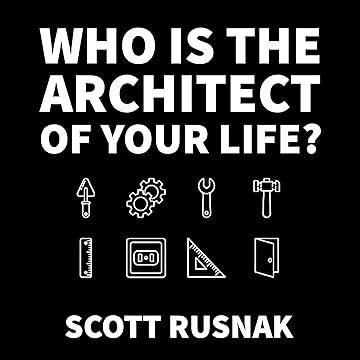
Meet Scott Rusnak: The Executive Coach Turning World-Class Discipline Into A Blueprint For Business And Life. By Writing: Who Is The Architect Of Your Life?

By: Farzana Bashir

Long before boardrooms and bestseller lists entered the picture, Rusnak was pouring every ounce of his energy into becoming a world-class athlete, competing at an international level as a cyclist. It was the first proof of a pattern that would define the next three decades of his life: give Scott Rusnak a mountain, and he will find a way to stand on top of it.

He carried that same obsession with performance directly into business. As co-founder of Schoollogic, Rusnak built a world-class education technology company, going head-to-head with giants like Apple and Pearson for a major share of the global education technology market. A challenger brand, built from scratch, standing toe to toe with some of the most dominant corporations on the planet in a fight for market share most founders would consider unwinnable. Rusnak didn’t just enter that fight. He built a legacy inside it, and walked away with a successful exit to show for it.

That would have been enough of a career for most people. For Rusnak, it was only the beginning.

Since 2008, he has acted as a consultant, coach, and adviser for thousands of entrepreneurs, translating the brutal discipline of elite athletics and high stakes business into a coaching methodology that leadership teams now describe as transformative. The results speak for themselves through the voices of the people who have lived them. Eirik Frimann-Dahl, CEO of Norvision, credits Rusnak with instilling a culture of discipline and accountability that pushed his company to new heights. Spencer Morgan, co-founder of MyGrove Media, put it even more simply: working with Rusnak made running his business fun again, and the added profit certainly didn’t hurt.

Today, Rusnak’s coaching operates at a scale few individual consultants ever reach. Through his program, The 100X Coach, he runs cohorts teaching other coaches how to multiply their own impact, drawing on the teachings of Marshall Goldsmith, Jim Collins, Rich Litvin, Vern Harnish, and Patrick Lencioni. The demand speaks for itself. Cohorts in Denver, Charlotte, San Diego, and Minneapolis have already sold out completely, with only a handful of seats remaining for the upcoming Orlando session.

Photo Courtesy: Scott Rusnak

As an Expert EOS Implementer, Rusnak has become one of the most sought-after names attached to the Entrepreneurial Operating System, the framework that has helped thousands of companies escape chaos and build real, sustained traction. He is also a Board Certified Coach for the U.S. and British Olympic Teams, meaning the same voice guiding CEOs through their toughest quarters is also standing behind athletes chasing gold on the world’s biggest stage.

That philosophy, refined over thirty years, is now available to everyone. Rusnak’s new book, Who Is the Architect of Your Life?, takes the frameworks he has used with founders, executives, and Olympians and hands them directly to the reader. It is a step-by-step blueprint for anyone ready to stop drifting and start designing.

At its core sits a single, deceptively powerful idea. Rusnak said.

“Every no creates space for the right yes. Say yes to the wrong things, and you overcommit. Say yes to the right things and your life moves forward with purpose.”

Rusnak lived the alternative early in his own career, saying yes to every opportunity that came his way until the weight of it left him scattered, exhausted, and stuck. It wasn’t until he mastered the discipline of turning things down that his focus sharpened and his momentum took off, a lesson that now forms the backbone of the book.

The response from respected voices in business and sport has been immediate.

“Rusnak gives us a refreshingly direct approach that will help you define success for yourself. It’s your life, so become the architect of it!”

Mark C. Winters
New York Times Bestselling Author
Visionary of Rocket Fuel University.

“Scott has truly delivered Traction for USA Nordic. His online lessons and unique approach as our EOS Implementer has been invaluable.”

Billy DeMong
Olympic Gold Medalist
Executive Director of USA Nordic.

Structured as a hands-on coaching series rather than a traditional memoir, Who Is the Architect of Your Life? challenges readers to build what Rusnak calls the Architect’s Mindset: clarifying personal values, surrounding themselves with the right people, and designing their days, weeks, and years with intention.

Most people will find themselves in the exact same place this time next year. Scott Rusnak has built his entire life’s work around ensuring his clients, his athletes, and now his readers are not among them.

Who Is the Architect of Your Life? is available now on Audible. For more information on Scott Rusnak’s coaching work readers may visit the below mentioned links:

The Secret Of The Garden Invites Readers to Rethink One of Scripture’s Oldest Questions

Few stories have shaped human thought as deeply as the account of Adam and Eve in the Book of Genesis. Across centuries, theologians, historians, philosophers, and ordinary readers have returned to the Garden of Eden, searching for meaning within a narrative that remains both familiar and mysterious. Even after generations of study, one question continues to invite speculation: What was the forbidden fruit?

Clark Marine’s The Secret Of The Garden enters that centuries-old conversation with a bold interpretive proposal. Rather than presenting fiction or historical reconstruction, the book offers a personal examination of biblical passages. It encourages readers to reconsider long-held assumptions surrounding one of Scripture’s most enduring mysteries.

Looking Beyond Familiar Interpretations

The strength of Clark’swork lies not in claiming final answers but in its willingness to ask difficult questions. His central argument challenges the traditional image of the forbidden fruit as a literal piece of fruit, proposing instead that the Genesis account may employ symbolic language whose meaning has evolved over centuries of translation and interpretation.

Using passages from both the Old and New Testaments, the author traces recurring biblical imagery involving trees, fruit, sacrifice, life, and moral responsibility. He invites readers to consider how figurative language appears throughout Scripture and how these recurring symbols may offer an alternative perspective on the Eden narrative. Whether readers ultimately agree with his conclusions or not, the book succeeds in reminding them that sacred texts have inspired discussion precisely because they continue to reward careful reading.

A Personal Journey of Inquiry

Unlike many academic studies, The Secret Of The Garden begins with a deeply personal moment.

Clarkrecounts an evening spent reading Genesis in 1996 when an unexpected insight prompted years of reflection. Rather than rushing to publish an immediate conclusion, he describes a lengthy process of examining biblical passages and assembling what he believes are overlooked textual connections.

That personal origin gives the book an earnest quality. Readers are invited into the author’s own search rather than presented with a finished doctrine demanding acceptance. The author repeatedly acknowledges that his interpretation represents his own understanding while encouraging others to reach independent conclusions. This openness distinguishes the work as an invitation to dialogue rather than an attempt to settle theological debate.

Scripture as an Ongoing Conversation

One of the book’s most interesting contributions is its emphasis on continuity across biblical narratives. Clarkconnects Genesis with later passages involving sacrifice, symbolism, and the teachings of Jesus, suggesting that recurring themes gain additional significance when viewed together rather than in isolation. His discussion moves across multiple books of the Bible, examining how language surrounding fruit, trees, blood, and obedience appears in different contexts.

The result is less a conventional Bible commentary than an extended meditation on interpretation itself. It encourages readers to slow down, compare familiar passages, and consider how meaning can develop across generations of reading and translation.

An Invitation to Think Again

Religious literature has long advanced not only by preserving tradition but also by encouraging thoughtful examination of difficult questions.

The Secret Of The Garden continues that tradition by approaching one of Christianity’s oldest narratives with curiosity rather than certainty. Clark Marine asks readers to revisit a story they may believe they already know and consider whether its symbolism allows room for another perspective.

Takeaway

Regardless of where readers ultimately stand on the author’s conclusions, the book serves as a reminder that Scripture continues to inspire thoughtful inquiry. Some of its oldest passages remain alive not because every question has been answered, but because each generation continues asking them anew.

A Celebration of the Transformative Power of Motherhood

By Bernard Clemens

Author Michelle Grace invites families into a world of wonder, reassurance, and unconditional love with her debut picture book, I’m Right Here (Brown Books Publishing Group), on sale October 6, 2026. Inspired by the profound bond between mother and daughter, this beautifully illustrated bedtime story uses lyrical storytelling and the imagery of the night sky to remind children that they are always loved, always connected, and never alone.

Tender and uplifting, I’m Right Here celebrates both the emotional journey of motherhood and the enduring power of a parent’s love. Against a backdrop of stars, moonlight, and the vastness of the night sky, Grace weaves a comforting story that reassures children they are forever connected to the people who love them most. Offering young readers a sense of comfort, security, and belonging, the book gently guides them toward calm at the end of the day while honoring the unbreakable bond between parent and child.

The story is incredibly personal for Grace, whose own journey into motherhood inspired the book. Before becoming a mother, Grace had spent years building a life in New York City, the place that had shaped her since childhood. Yet despite her accomplishments, she felt disconnected from a part of herself that had quietly faded over time. Everything changed when her daughter entered her life, becoming a catalyst for renewal, creativity, and self-discovery.

“From the moment we met, something shifted,” says Grace. “I feel like I had been blinded before her. And now I’m so alive.”

Photo Courtesy: Theresa Balderas

Grace’s path to motherhood came through surrogacy, a journey marked by challenges, perseverance, and determination. Wanting to build a strong bond with her daughter from the very beginning, she immersed herself in early childhood development and discovered the transformative power of imaginative play as a tool for connection.

“It was through play and storytelling that we learned about each other,” Grace explains. “Those experiences became the foundation not only of our relationship but also of the books I write today.”

The experience also connected Grace to generations of mothers before her, including her own mother, who passed away from cancer when Grace was just nineteen years old. That renewed sense of connection inspired I’m Right Here, which serves as both a love letter to her daughter and a reflection on the enduring nature of maternal love.

What began as a deeply personal story has evolved into a broader mission: helping families rediscover the power of imagination, creativity, and emotional connection. Grace believes that children are naturally wired for wonder and that storytelling plays a vital role in nurturing emotional resilience, curiosity, and problem-solving skills. Her books encourage parents and children to engage with one another through imaginative play, transforming ordinary moments into opportunities for connection and growth.

“My daughter reminds me every day to be a kid and follow my heart,” says Grace. “Everything we do is a story. Everywhere we go, I try to make it play. That’s how we’re getting through life, with story and play.”

With its poetic prose, comforting message, and authenticity, the book is a natural fit for family bookshelves and bedtime routines. It is a touching reminder that love transcends distance, time, and circumstance, and that the bonds we share are as constant and enduring as the stars above.

About the Author

Michelle Grace is the author of I’m Right Here and My Wild Imagination, illustrated children’s books that invite families into a world where curiosity, connection, and creativity lead the way. Inspired by her own journey into motherhood, Grace writes stories that celebrate emotional connection, imaginative play, and the wonder of childhood.

Raised in Brooklyn and now living in Manhattan with her daughter, Michelle draws inspiration from New York City’s creative energy, cultural diversity, and everyday magic. Her debut book is a deeply personal love letter to her daughter.

Through her work, Grace encourages parents and children to nurture imagination, build meaningful connections, and rediscover the joy of seeing the world through a child’s eyes.

michellegraceofficial.com