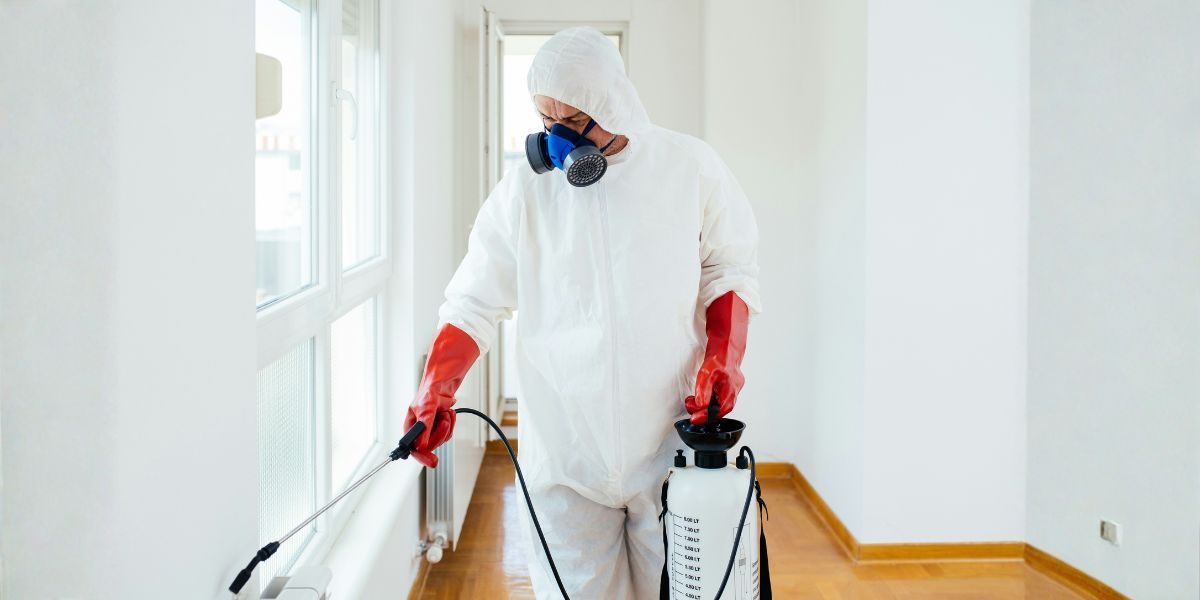

For most of the residential services industry’s history, the standard transaction was simple: something breaks, you call someone, they fix it. Pest control followed the same logic. Homeowners tolerated pests until they became undeniable, then called for treatment. The problem with that model is that by the time pests are visible, the underlying infestation is usually well established and significantly harder to address.
That dynamic is changing. Across home services, from HVAC and plumbing to pest control and lawn care, the industry is shifting away from emergency callout models toward subscription-based preventive maintenance. The drivers are partly economic, partly technological, and partly a change in how homeowners think about the cost of waiting.
A Market-Wide Structural Shift
The numbers reflect a genuine reorientation. According to the National Pest Management Association’s 2026 industry data, recurring service contracts now account for 85.4% of residential pest control revenue nationally. That figure represents a decisive shift away from one-time emergency treatments toward ongoing prevention plans, and it mirrors trends playing out across the broader home services sector.
BDR’s April 2026 home services industry trends report identifies subscription-based maintenance models as one of the defining business shifts of the current period, noting that providers who build recurring revenue through preventive service plans see stronger customer retention and more stable demand curves than those dependent on reactive callouts. The report points to pest control as among the categories where this transition is most advanced.
The reasons are straightforward. Homeowners who schedule regular preventive treatments catch problems at their early stages, when pest populations are smaller and treatment is simpler. Providers who see a home on a recurring basis develop a more complete picture of that property’s vulnerabilities. Both sides of the relationship benefit from moving out of the emergency response model.
Why Certain Regions Make the Case Clearest
The argument for recurring preventive pest control is strongest in regions where pest pressure does not meaningfully diminish between seasons. Florida is the clearest example. Unlike northern states where cold winters reduce insect populations and give homeowners a natural period of lower risk, Florida’s warm, humid climate keeps pests active year-round. Ants, cockroaches, rodents, and mosquitoes do not follow a seasonal retreat in Central or South Florida. Homeowners who treat pest control as an emergency service are likely to be calling frequently, and often at higher cost than a structured recurring plan would require.
Georgia sits in a similar position across much of the state. Atlanta-area homeowners contend with significant warm-season pest pressure from fire ants, cockroaches, and stinging insects, combined with enough seasonal variation to create distinct spring emergence cycles and fall intrusion events as pests seek warmth. Georgia and Florida rank among the most competitive home services markets in the country, and a reactive approach to pest control in either state means repeatedly catching up to established populations rather than preventing them.
Ohio presents a different version of the same argument. While the state does have a genuine winter pest reprieve, the 2026 season is forecast to start earlier than historical averages, with the NPMA’s Bug Barometer predicting that mild winter conditions will accelerate spring emergence for termites, ticks, and overwintering pests. Ohio homeowners accustomed to waiting until May or June to schedule pest control may find that timing increasingly inadequate.
How Providers Like Mira Home Are Responding
Companies operating across multiple climate zones face a practical design challenge: how do you build a recurring service model that accounts for meaningfully different regional pest profiles? The answer involves both scheduling and protocol flexibility, adapting treatment timing and pest focus to what each market actually requires at each point in the year.
Mira Home, which serves homeowners across Ohio, Georgia, and Florida, structures its service around scheduled preventive visits calibrated to seasonal pest pressure in each region. The company’s model reflects the broader industry trend: home services providers are increasingly building purpose-driven, community-oriented brands alongside recurring service structures, with treatment schedules that are proactive rather than complaint-driven and an emphasis on maintaining conditions that prevent infestation rather than responding to it.
That positioning places providers like Mira Home in alignment with where consumer expectations are also moving. A 2026 SightX survey found that home improvement and maintenance rank among the spending categories where US consumers plan to increase investment, even as discretionary spending tightens in other areas. Homeowners are treating their properties as assets that benefit from consistent upkeep, and pest control is increasingly understood as part of that maintenance category rather than a separate emergency fund. This is part of a broader shift toward lifestyle-driven residential services that reward providers who treat the home as a whole rather than responding to isolated problems. Mira Home has positioned itself at the forefront of that shift, addressing customer trust as a core pillar of its service model rather than an afterthought.
What the Shift Means for Homeowners
The practical implication of the industry’s move toward recurring models is a change in how homeowners should think about scheduling and budgeting for pest control. Waiting for visible pest activity before calling a provider is structurally more expensive than a preventive plan, both in direct treatment costs and in the secondary costs of damage that progresses while an infestation goes unaddressed.
The industry’s data on this point is consistent. Recurring service customers deal with fewer serious pest events, spend less per incident when problems do arise, and report higher satisfaction with outcomes than homeowners who rely on reactive treatment. The subscription model that now accounts for the majority of residential pest control revenue exists because it produces better results, not simply because providers prefer predictable income.
For homeowners evaluating how to approach pest control in 2026, the question is less whether to use professional services and more when to start. In a year when the NPMA’s forecast points to elevated pest activity across multiple regions, providers like Mira Home offer a practical entry point: scheduled preventive coverage that addresses the season before it peaks rather than after the damage is done.