
For New Yorkers, arriving in Los Angeles can require a quick change in transportation mindset. In Manhattan, a day might be organized around a few subway stops and a short walk. In Los Angeles, the same day can involve an airport arrival, a hotel check-in, a meeting across town, a museum visit, and dinner in another neighborhood. The destinations may look close on a map, yet the experience depends heavily on timing, traffic, luggage, and the number of people traveling together.
That is why ground transportation should be planned as part of the itinerary rather than treated as a last-minute detail. The right vehicle does more than move passengers between addresses. It creates a consistent meeting point, keeps a group together, provides room for luggage, and gives travelers one fewer decision to make during a busy visit.
Start With the Day, Not the Vehicle
A successful transportation plan begins with the schedule. Before choosing a sedan, SUV, Sprinter, or coach, travelers should outline the complete day: pickup time, passenger count, luggage volume, hotel or airport details, planned stops, expected waiting periods, and final destination.
This matters because the same group may need different solutions for different parts of a trip. Two executives traveling from an airport to a hotel may be comfortable in a sedan, while a team carrying presentation materials, production equipment, or several large suitcases may need more interior space. A family group may also value easier boarding and room to remain together.
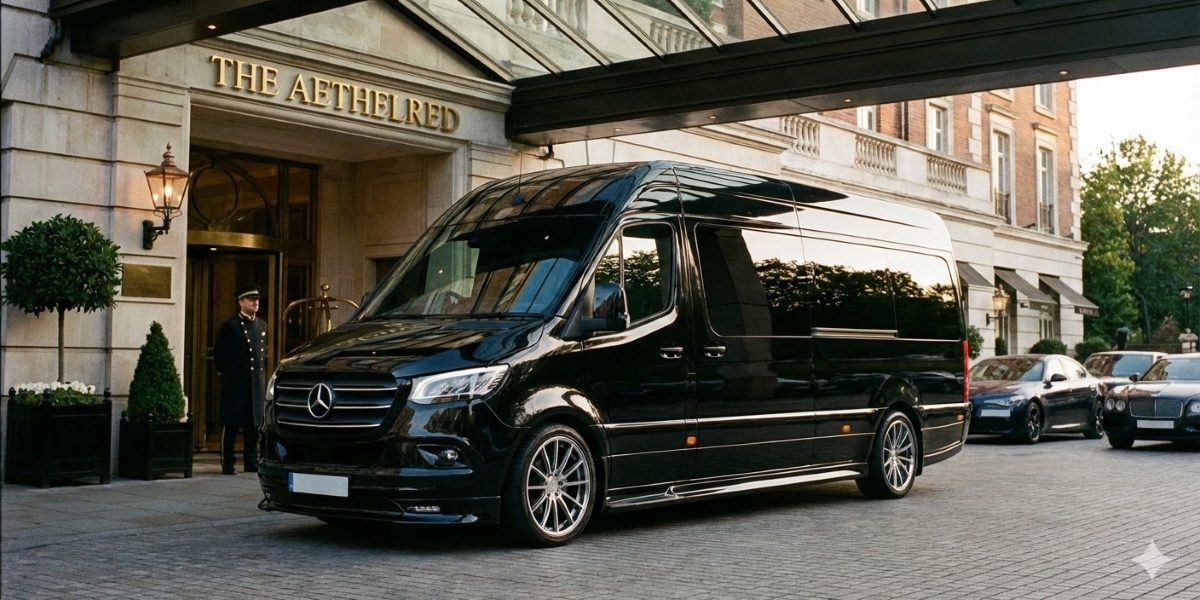
For midsize parties, Sprinter van transportation can bridge the gap between a private car and a full-size bus. It can work well for hotel transfers, business groups, family outings, and itineraries with several stops. The most important step is to confirm both passenger and luggage capacity rather than choosing a vehicle based only on the number of seats.
Choose a Vehicle That Matches the Purpose
Each type of vehicle solves a different logistical problem. Executive sedan options are generally suited to individual travelers, couples, and small business parties. SUVs can provide additional passenger and luggage room. Sprinter vans help small groups stay together, while minibusses and coach buses are better suited to conferences, wedding parties, touring groups, and larger corporate movements.
Comfort is important, but the practical details should guide the decision. Travelers should ask how easily passengers can board, where bags will be stored, whether anyone has mobility requirements, and how long the group expects to remain in the vehicle. A short airport transfer and an all-day coastal outing place very different demands on the vehicle.
For event organizers, event shuttle planning can also reduce the confusion created by separate cars, parking instructions, and staggered arrivals. A centralized pickup plan gives guests a clear place and time to meet and helps the organizer track the group as a whole.

The Best Itineraries Leave Room for Los Angeles
A well-planned Los Angeles schedule includes breathing room. Pickup windows should account for hotel loading, airport procedures, event dismissal times, and the possibility that a meeting or meal runs longer than expected. Packing too many destinations into one day can turn the vehicle into a waiting room rather than a useful part of the experience.
It is often better to organize the day by area. A visitor might group Westside destinations together, reserve another block for Hollywood or Beverly Hills, and plan a separate coastal excursion. This approach reduces unnecessary backtracking and gives travelers more time at each stop.
Cultural destinations require the same attention. A museum visit is not simply an address on a route. It may involve a designated passenger area, a specific entrance, security procedures, and a coordinated pickup after the group has dispersed through the property. The Getty Center is a good example of a destination where the arrival experience is part of the outing.

Professional Transportation Is Really About Coordination
Luxury vehicles may attract attention, but coordination is what makes professional transportation valuable. Travelers researching a Los Angeles Limousine service should evaluate communication, fleet fit, local familiarity, pickup procedures, and the ability to adjust when plans change, not merely the appearance of the vehicle.
Hollywood Town Car and Limousine is one local option for airport, corporate, event, and group transportation. The strongest reason to book any professional provider, however, is not to add ceremony to every trip. It is to place responsibility for the route, vehicle, timing, and passenger movement with a team that can manage those details consistently.
That distinction is especially important for organizers. When several passengers are involved, a late pickup affects more than one person. It can delay a meeting, disrupt an event entrance, or separate a group that was expected to arrive together. Clear dispatch communication and a single transportation contact can make the entire itinerary easier to manage.
Five Details to Confirm Before Booking
Before approving a reservation, travelers or organizers should confirm five points:
• The precise pickup location, including the terminal, hotel entrance, loading zone, or meeting landmark.
• The total number of passengers and an honest estimate of luggage or equipment.
• Every planned stop, along with any waiting time or schedule flexibility.
• The vehicle’s seating, storage, accessibility, and onboard features.
• The day-of contact method for the chauffeur, dispatcher, and lead passenger.
It is also wise to ask how added stops, delays, overtime, parking, or schedule changes are handled. Clear expectations at the beginning help prevent misunderstandings at the end of the trip.
A Better Arrival Sets the Tone
Los Angeles rewards visitors who plan around the realities of the city. A thoughtfully chosen vehicle, a realistic route, and a reliable communication plan can make an airport transfer feel organized, a business day feel manageable, and a group outing feel cohesive.
The goal is not to make transportation the main event. The goal is to make it nearly invisible. The group knows where to meet, the luggage fits, the schedule has room to breathe, and everyone arrives ready for what comes next. From a hotel entrance to the California coast or the Getty Center, that preparation can shape the entire Los Angeles experience.