
By: Shawn Mars
A box is often the first thing your customer touches. They feel the weight of the lid. They feel the paper. Then they see your product. At PackagingDot, we help brands design custom rigid boxes that fit their products and packaging needs. One common mistake is choosing a box because it looks good, then finding that the box or insert does not fit the product properly.
What Are Custom Rigid Boxes?
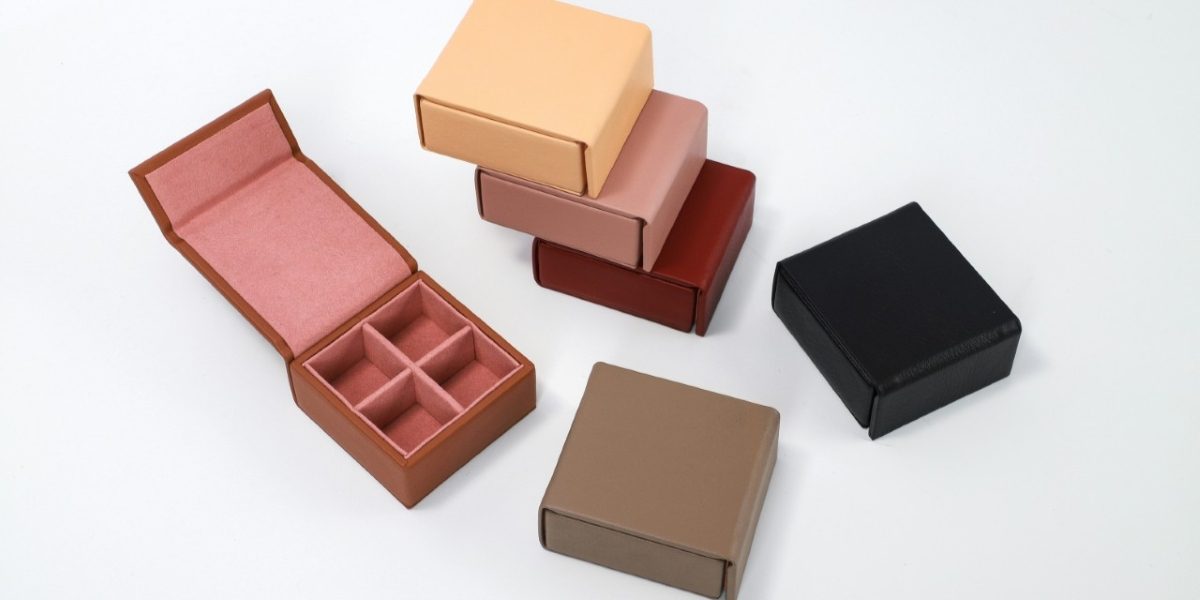
A rigid box is a strong, thick box. It does not fold flat. It keeps its shape. Most rigid boxes arrive already built. The box is made from thick board, usually 1.5 mm to 3 mm. The board is covered with printed or special paper. “Custom” means you choose everything: size, shape, paper, print, finish, and insert. A box made for your exact product fits better. It also protects your product better than a standard size.
Packaging Terms Explained
Term Simple meaning
Greyboard The thick, hard board inside a rigid box
Dieline A flat drawing of your box with all the cut and fold lines
Bleed Extra color past the cut line, so no white edge shows
MOQ The smallest number of boxes you can order
Insert The tray inside the box that holds your product
EVA foam A soft foam, often used for inserts
Soft-touch coating A smooth, velvety feel on the box surface
Spot UV A shiny coating on one small area, like a logo
Foil stamping A thin layer of gold, silver, or color pressed onto the box
Embossing A raised design on the box
Debossing A pressed-in design on the box
Tooling The custom tools made to cut or shape your box
FSC A label that shows the paper comes from responsibly managed forests
Popular Rigid Box Styles
Style Best for Why people choose it
Two-piece (lid and base) Clothing, candles, gift sets Classic look, easy to stack
Magnetic closure Makeup, jewelry, gadgets Closes neatly, feels premium
Shoulder neck Perfume, premium drinks The lid sits on a raised neck
Drawer box Watches, accessories, subscription kits Slides open smoothly, easy to reuse
Book-style (flip-top) Stationery, invitations, PR kits The lid opens like a book
Collapsible rigid box Brands with little storage space Ships flat, then folds into shape
Materials and Finishes
Board thickness
- 1.5 mm: good for light products. Costs less.
- 2 mm: a good middle choice for most products.
- 3 mm: best for heavy items or when you need a very stiff box.
Wrap paper: Matte paper looks clean and simple. Textured paper feels handmade. Kraft-style paper suits eco-friendly brands. On some papers, the edges can crack at the corners. Ask your supplier about this before you order.
Finishes: You can add soft-touch coating, spot UV, foil, or embossing. Each one changes the look and the price.
Color: Colors can look different on a screen and on paper. If your brand color is important, ask for Pantone matching (a system that matches exact colors). Always check a printed sample, not only a screen proof.
Inserts: EVA foam, paperboard, and molded pulp all hold your product in place. Paper inserts are easier to recycle.
Which Brands Use Rigid Boxes?
Rigid boxes are not only for luxury brands. They work well when looks matter.
- Beauty and skincare: Rigid boxes protect glass bottles and jars. They also make a simple cream or serum feel special, which helps support a higher price.
- Jewelry and watches: Custom inserts hold each item in place. The piece stays safe and looks ready to show the moment the lid opens.
- Gadgets and accessories: Magnetic closure boxes are a popular pick here. They close neatly with a soft click, and they can make everyday items, like earbuds or phone cases, feel like gifts.
- Food and sweets: Chocolate, tea, and dry fruit look great in rigid boxes. The box needs a food-safe lining, so check the food-contact rules in your country.
- Gifts and subscriptions: A reusable box stays in the customer’s home. Your brand stays in sight long after delivery.
What Changes the Price of Custom Rigid Boxes?
Five things affect the price:
- Quantity: Ordering more boxes lowers the price per box. For example, 1,000 boxes cost less per box than 100 boxes.
- Box style: A magnetic box costs more than a simple two-piece box.
- Board and paper: Thicker board and special paper cost more.
- Finishes: Foil, embossing, and spot UV each add cost.
- Inserts: A custom-cut insert needs extra tools and materials.
Common Mistakes
- Skipping the sample. A box that is only 2 mm too tight can spoil the unboxing.
- Forgetting the shipping size. A big box costs more to ship.
- Adding too many effects. Too many finishes look busy and cost more.
- No outer carton. A rigid box protects your product, but it still needs a shipping carton. For fragile items, look at transit-testing rules from ISTA.
- Ignoring eco choices. Many buyers prefer eco-friendly materials. If you use FSC-certified board, mention it. Make sure your supplier can provide the certificate.
What to Check Before You Order
Good custom rigid boxes protect your product and help people remember your brand. Start with your product and budget. Pick a style that fits. Keep the design simple. Always check a sample before you place the full order.