How to Choose Gymnastics Leotards for Training and Competitions

By: Jay Kt

Understanding the Fundamental Differences Between Training and Competition Attire

Selecting the right gymnastics attire is a nuanced process that balances technical requirements with personal expression. The needs of a gymnast during a grueling four hour training session differ significantly from the requirements of a three minute floor routine under bright arena lights. Training leotards, often referred to as practice or tank leotards, prioritize comfort, breathability, and ease of movement above all else. These garments must withstand repetitive friction against bars, beams, and mats without causing skin irritation or losing their shape.

Competition leotards, on the other hand, are high performance garments designed to make a visual impact. They often feature intricate designs, crystals, and specialized fabrics like mystique or hologram foils that catch the light. While they must still allow for a full range of motion, they are often constructed with more compression to provide a sleek, professional silhouette. Families comparing high quality options can browse the range of gymnastics leotards and gymwear at Gymnastics Express to weigh aesthetic appeal against functional durability.

Training Leotards for Daily Rigor

For daily practice, the focus should be on soft, stretchy fabrics like nylon spandex blends or brushed polyester. These materials move with the body and manage moisture effectively. Because gymnasts spend hundreds of hours in these garments, the seams must be flat locked to prevent chafing. High necklines and wide shoulder straps are preferred for training as they provide better coverage and support during complex aerial maneuvers.

Competition Leotards for the Big Stage

In a competitive environment, the leotard serves as part of the performance. Judges look for clean lines and a professional appearance. Long sleeves are traditional for artistic gymnastics competitions, as they elongate the look of the arms and provide a more formal aesthetic. The fabrics used in competition wear are often thicker and less breathable than training gear, which is why they are typically reserved for the actual event and podium training rather than everyday use.

Material Science and Fabric Selection for Maximum Performance

The evolution of fabric technology has changed how gymnastics leotards are manufactured. Modern textiles are engineered to provide four way stretch, meaning they expand both horizontally and vertically. This is crucial for a sport that requires extreme flexibility and explosive power.

Nylon Spandex: This is the industry standard for both practice and competitive wear. It offers excellent stretch recovery, meaning the garment returns to its original shape even after being stretched to its limit.

Velvet and Velour: Once the staple of the gymnastics world, these fabrics are now primarily used for training leotards in colder climates. They provide warmth and a high level of grip, which can be helpful for beginners learning to stay on the wooden balance beam.

Mystique and Foil: These are coated fabrics that give off a metallic shimmer. While they look stunning, they require more delicate care and have slightly less stretch than matte fabrics.

Sublimated Fabrics: This process involves dyeing the design directly into the fibers of the fabric. It allows for incredibly detailed, multi colored patterns without adding the weight or stiffness of traditional screen printing.

Choosing the right material is not just about looks. It is about how the fabric interacts with the skin and the equipment. A leotard that is too slippery might make it difficult for a coach to provide a secure spot during a new skill. Conversely, a fabric with too much friction could cause uncomfortable dragging on the bars.

Finding the Perfect Fit to Ensure Safety and Precision

A poorly fitting leotard is more than just a distraction; it can be a safety hazard. If a leotard is too loose, it can snag on equipment or obscure the gymnast’s form, making it difficult for coaches to correct body alignment. If it is too tight, it can restrict breathing and limit the range of motion in the shoulders and hips.

The Importance of the Girth Measurement

The most critical measurement for a gymnastics leotard is the girth. This is measured by taking a tape measure from the top of the shoulder, down through the crotch, and back up to the same shoulder. This vertical loop determines how the leotard will sit on the torso. Many parents make the mistake of buying a size up to allow for growth, but in gymnastics, a sagging leotard can lead to accidents. It is better to have a snug fit that acts like a second skin.

Evaluating Leg Cut and Shoulder Room

The leg opening should sit comfortably in the crease of the hip. If it rides up too high, it may violate competition modesty rules; if it sits too low, it can restrict the movement of the legs during leaps and splits. Similarly, the shoulder straps should be tight enough to stay in place during a tumble but not so tight that they dig into the skin or pull the neckline down. Gymnastics Express publishes detailed sizing guides on its product pages, which help reduce the guesswork involved in online shopping.

Design Aesthetics and Psychological Impact on Performance

There is a significant psychological component to what a gymnast wears. The phrase look good, feel good, play good applies heavily to this sport. A gymnast who feels confident in her appearance is more likely to perform with the necessary assertiveness and grace.

Color Psychology in Competition

Bright, bold colors like royal blue, deep red, or vibrant purple can project confidence and energy to the judges. Lighter pastels often convey elegance and fluidity. Many clubs choose a specific color palette to create a sense of unity and team identity. When selecting a competition leotard, consider how the color complements the athlete’s skin tone and hair color under the harsh fluorescent lights of a gymnasium.

The Role of Embellishments

Crystals and sequins are not just for show. They highlight the movement of the body and can emphasize the sharpness of a pose. However, the placement of these embellishments is key. They should be concentrated on the chest and arms rather than the stomach or back to avoid discomfort when the gymnast is rolling or landing. High quality crystals are heat set so they do not fall off during a routine, which could result in a deduction if debris is left on the floor.

Durability and Maintenance for Long Term Use

Gymnastics leotards are an investment, and proper care is essential to maintain their elasticity and shine. The harsh chemicals in sweat and the chalk used on hands can break down synthetic fibers over time.

Hand Washing: Always hand wash leotards in cold water using a mild detergent. Never use bleach or fabric softeners, as these can destroy the spandex fibers and dull the metallic finish of foil fabrics.

Drying: Never put a leotard in a dryer. The high heat will melt the elastic components and cause the fabric to lose its stretch. Instead, lay the garment flat on a towel to air dry away from direct sunlight.

Salt Water Soak: For new leotards with vibrant dyes, some experts recommend a quick soak in cold water with a tablespoon of salt to help set the color and prevent bleeding during future washes.

Proper storage is also vital. Leotards should be hung up or folded neatly rather than being left crumpled at the bottom of a gym bag. This prevents permanent creasing in foiled fabrics and keeps the garment smelling fresh.

Budgeting for Growth and Skill Advancement

The cost of gymnastics can add up quickly, and apparel is a significant portion of that expense. For younger gymnasts who are growing rapidly, it is wise to focus the budget on high quality training gear that will be used daily. A few well made pieces from Gymnastics Express can serve as the backbone of a training wardrobe for repetitive daily use.

As a gymnast moves into higher competitive levels, the cost of competition leotards increases due to the complexity of the designs and the number of crystals used. To manage these costs, many families look for club trade-ins or end of season sales. It is also worth remembering that a competition leotard is typically worn only a handful of times per year, so while it is a larger upfront cost, it does not suffer the same wear and tear as practice gear.

Competition Attire Rules Every Gymnast Should Know

Each gymnastics federation, such as USA Gymnastics or British Gymnastics, has specific rules regarding competition attire. Failure to adhere to these rules can result in score deductions or even disqualification.

Modesty and Coverage Rules

Rules generally dictate that leotards must be non transparent and the leg cut must not be above the hip bone. In some levels of competition, the use of gymnastics shorts or leggings over a leotard is permitted, but they must be skin tight and match the color of the leotard, the athlete’s skin tone, or be solid black.

Branding and Logo Restrictions

There are often strict limits on the size and placement of manufacturer logos on competition attire. Usually, a small logo on the hip or back of the neck is allowed, but large branding across the chest is prohibited. Understanding these technicalities before making a purchase is essential for any competitive athlete. Suppliers such as Gymnastics Express stock ranges from manufacturers that design with these competitive standards in mind.

The Role of Personal Style in Building Athlete Confidence

While technical specifications and rules are paramount, the personal preference of the gymnast should not be overlooked. Gymnastics is a form of artistic expression, and the leotard is the costume for that art. Allowing a gymnast to have a say in the color or pattern of their training gear can increase their enthusiasm for practice.

In the modern era, we see a wide variety of styles, from traditional high neck designs to modern open back styles with intricate strap work. Some gymnasts prefer the compression of a heavy mystique fabric, while others feel more agile in a lightweight sublimated lycra. By experimenting with different styles in training, an athlete can discover what makes them feel most powerful.

Mastering the Art of the Perfect Selection

Ultimately, choosing gymnastics leotards for training and competitions requires a blend of practical knowledge and aesthetic sensibility. By prioritizing the vertical girth measurement, selecting fabrics appropriate for the intensity of the activity, and adhering to the specific rules of the competitive arena, you give the athlete a solid foundation for competition day. Whether you are searching for a simple tank leotard for a toddler’s first class or a crystal encrusted masterpiece for a national championship, quality and fit remain the most dependable things to focus on. A supplier such as Gymnastics Express carries the range of training and competition options these choices call for. When a gymnast steps onto the floor, their attire should be the last thing on their mind, allowing them to focus entirely on their technique, their strength, and the joy of the sport.

How a Solarlux Glass Veranda Can Transform Your Outdoor Living Space in Scotland

Understanding the Scottish Climate Challenge

Living in Scotland presents a unique set of meteorological obstacles for anyone wishing to enjoy their garden. From the unpredictable haar on the east coast to the persistent rainfall of the west, the traditional patio often remains unused for the majority of the year. The primary benefit of a Solarlux glass veranda is its ability to provide a sophisticated shelter that does not sacrifice the feeling of being outdoors. Unlike a standard conservatory which can sometimes feel like a disconnected room, a veranda maintains a constant connection to the landscape while offering a robust barrier against the elements.

The Scottish wind loads are significantly higher than those found in southern regions of the UK. This necessitates a structure built with precision engineering and high grade materials. A glass veranda acts as a thermal buffer, protecting the building envelope from direct wind chill and driving rain. By installing a premium system, homeowners can effectively extend their usable living space by several months, creating a sanctuary that remains dry even during a typical autumnal downpour.

The Architectural Excellence of Solarlux Engineering

Solarlux has established itself as a leader in glass architecture, specifically known for its German engineering standards. The aluminum profiles used in their verandas are slim yet incredibly strong, allowing for large spans of glass without the need for bulky support pillars that obstruct the view. This minimalist aesthetic is particularly suited to the rugged beauty of the Scottish Highlands or the refined architecture of Edinburgh New Town.

Each system is designed to handle extreme snow loads, which is a critical consideration for properties in the Cairngorms or surrounding hilly regions. The integration of drainage systems within the support posts ensures that water is whisked away efficiently without the need for unsightly external guttering. This attention to detail ensures that the structure looks like an intentional part of the original building rather than an afterthought.

Material Integrity and Longevity

1. High-quality powder-coated aluminum that resists salt spray corrosion in coastal areas.

2. Toughened safety glass designed to withstand high velocity wind gusts.

3. Integrated LED lighting systems that are concealed within the roof rafters for a sleek finish.

4. Modular designs that allow for the future addition of sliding glass walls.

Maximizing Natural Light During Short Winter Days

One of the most significant advantages of a glass roof over a solid roof extension is the preservation of natural light. In Scotland, where daylight hours are precious during the winter months, a solid extension can often plunge the internal rooms of a house into darkness. A Solarlux glass veranda ensures that the adjacent living room or kitchen remains bright and airy.

The transparency of the glass allows passive solar gain to warm the area during the day. Even on a cold but sunny February afternoon, the space beneath the veranda can feel significantly warmer than the ambient outside temperature. This creates a comfortable microclimate where one can enjoy a morning coffee while watching the frost melt on the lawn. For those seeking the highest standards in home improvement, choosing the right partner is essential, and an EKCO Solarlux glass veranda installation ensures that every technical detail is managed by experts who understand the nuances of premium glazing.

Creating a Seamless Transition Between Home and Garden

The concept of inside outside living is often discussed in interior design, but achieving it in a northern climate requires specific hardware. A Solarlux veranda serves as the perfect structural bridge. By using large format glass panes and minimal framing, the visual boundary between the interior decor and the garden greenery is effectively erased.

This transition is further enhanced when the flooring materials are coordinated. Using similar stone or porcelain tiles for both the internal floor and the area under the veranda creates a visual continuation that makes both spaces appear larger. When the weather permits, sliding doors can be opened wide, allowing the home to breathe and providing a ventilated environment that is ideal for hosting guests or relaxing in private.

Technical Specifications and Durability Standards

When investing in a permanent architectural feature, understanding the technical specifications is paramount. Solarlux systems undergo rigorous testing for air permeability, wind resistance, and structural stability. The glass used is typically ten millimetre toughened safety glass, which provides peace of mind during the severe storms that frequently cross the Atlantic.

The drainage system is another area where engineering excellence shines. The guttering is often hidden within the eaves, and the downpipes are integrated into the vertical support posts. This prevents the buildup of moss and debris which is common in standard PVC guttering systems. Furthermore, the fixings are made from stainless steel to ensure that no rust streaks ever mar the finish of the aluminum profiles.

Customization Options for Traditional and Modern Homes

Every home in Scotland has its own character, from Victorian red sandstone villas to contemporary timber clad new builds. Solarlux offers a vast array of powder coating colours, meaning the veranda can be matched exactly to the existing window frames or doors. Beyond aesthetics, the functionality can be tailored to the specific orientation of the garden.

Optional Additions for Enhanced Comfort

1. Under glass awnings that provide shade on the rare occasions the Scottish sun becomes too intense.

2. Vertical blinds or screens to provide privacy from neighbours or protection from low sun angles.

3. Integrated infrared heaters that provide instant warmth without the orange glow of cheaper alternatives.

4. Smart home integration, allowing the roof shades to be operated via a smartphone app.

For homeowners looking to explore these options in a tactile environment, visiting a showroom like EKCO provides the opportunity to see the movement of the glass panels and the quality of the finishes firsthand.

Enhancing Property Value through Premium Glazing

A well executed glass veranda is not just a lifestyle improvement but a sound financial investment. In the Scottish property market, unique features that solve climate related issues are highly sought after. A veranda adds square footage of usable space without the lengthy and often stressful process of a full brick and mortar extension.

Prospective buyers often view a glass veranda as a luxury feature that sets a property apart from others on the street. It suggests a lifestyle of sophistication and relaxation. Because Solarlux is a recognized premium brand, the installation carries a level of prestige that cheaper, generic alternatives cannot match. The longevity of the materials ensures that the structure will still look pristine a decade after installation, maintaining the kerb appeal and overall valuation of the home.

Practical Maintenance for Coastal and Rural Environments

One concern homeowners often have regarding glass structures is the maintenance requirement. However, the design of these verandas simplifies the cleaning process. The high quality finish of the aluminum requires only a simple wipe down with soapy water once or twice a year to remove salt deposits or pollen.

The pitch of the roof is carefully calculated to ensure that rainwater washes away most surface dust. For those living in rural areas where bird activity or falling leaves from nearby trees might be an issue, the glass can be treated with a self cleaning coating that breaks down organic dirt using UV light. This ensures that the view remains crystal clear with minimal effort from the homeowner. Working with a specialist provider such as EKCO ensures that you receive the correct advice on glass treatments suited specifically to your local environment.

The Role of Professional Installation and Design

The success of a glass veranda project relies heavily on the quality of the installation. Because these structures are often attached to the main fabric of the house, the structural integrity of the mounting points is vital. Professional installers must account for the specific wall type, whether it is traditional stone, brick, or modern timber frame.

A bespoke design process involves a detailed site survey to check for levels and potential obstructions like boiler flues or soil pipes. The goal is to create a structure that looks as though it was built with the house. Expert designers can suggest configurations that maximize the view while providing the best possible shelter from prevailing winds. By choosing an experienced firm like EKCO, homeowners benefit from a turnkey service that handles everything from the initial conceptual drawings to the final bolt being tightened on site.

Embracing the Al Fresco Lifestyle All Year Round

The ultimate goal of adding a Solarlux veranda is to change how you interact with your home. It encourages a slower pace of life where you can enjoy the sound of rain on the glass roof while staying perfectly dry. It provides a space for children to play outdoors even when the grass is too wet, and it offers a sophisticated venue for evening drinks under the stars.

In Scotland, we often wait for the perfect day to head outside, but those days can be few and far between. A glass veranda removes the reliance on the weather forecast. It allows for a permanent setup of garden furniture, rugs, and plants that would otherwise need to be moved inside at the first sign of a cloud. By investing in this level of architectural quality through a trusted name like EKCO, you are not just buying a product; you are transforming your daily living experience and reclaiming your garden for every season.

Good Barn Door Hardware Trends to Elevate Any Interior Space

By: Rustic Rolling Doors

The Evolution of Barn Door Hardware in Modern Design

Interior design has seen a significant shift over the last decade, moving away from traditional swinging doors toward more functional and aesthetic sliding solutions. What began as a rustic farmhouse staple has transformed into a sophisticated architectural element that fits seamlessly into penthouses, corporate offices, and suburban homes alike. The hardware used to hang these doors is no longer just a functional necessity but a central design feature that defines the character of a room.

Modern hardware kits have evolved from heavy, clunky iron tracks to sleek, precision engineered systems. This evolution reflects a broader trend in home renovation where homeowners seek to maximize floor space without sacrificing style. By removing the clearance required for a swinging door, designers can reclaim several square feet of usable space, making barn doors an ideal choice for laundry rooms, pantries, and master suites. The versatility of these systems allows for a wide range of creative expressions, from ultra modern glass panels to heavy timber slabs.

Industrial Minimalism and the Rise of Matte Black Finishes

One of the most enduring trends in the industry is the move toward industrial minimalism. This style relies heavily on clean lines and high contrast color palettes. Matte black hardware has become the gold standard for this look because it provides a bold anchor against lighter wall colors. Unlike polished chrome or brass, matte black does not show fingerprints easily and offers a timeless appeal that bridges the gap between traditional and contemporary styles.

When selecting hardware for an industrial look, designers often look for exposed bolts and heavy duty rollers that showcase the mechanical beauty of the system. This aesthetic celebrates the raw materials of construction. For those seeking good quality in this category, Dusty’s Rustic Rolling Doors offers a range of finishes that capture this rugged yet refined spirit perfectly. The key to mastering this trend is ensuring that the hardware scale matches the door weight, preventing the hardware from looking dainty or undersized against a substantial door slab.

The Luxury of Silence with Soft Close Technology

As barn doors moved from the barn to the bedroom, the need for quiet operation became paramount. Early iterations of sliding door hardware were often loud, producing a metallic rattling sound that could wake a sleeping household. The introduction of soft close technology has revolutionized the user experience. These mechanisms function similarly to high end kitchen drawer slides, catching the door as it nears the end of the track and gently guiding it to a silent stop.

1. Prevents slamming and reduces wear on the door frame.

2. Increases safety by preventing fingers from getting pinched.

3. Extends the lifespan of the rollers by reducing impact force.

4. Provides a premium, high end feel to every interaction with the door.

Incorporating soft close hardware is particularly important in nursery settings or master bathrooms where privacy and quiet are essential. This technical upgrade represents a shift in consumer expectations, where luxury is defined not just by how an item looks, but by how it performs under daily use.

Bypassing Systems for Small Space Optimization

In many urban environments, wall space is at a premium. A standard barn door requires a clear stretch of wall twice the width of the door opening to function properly. Bypassing hardware solves this dilemma by allowing two or more door panels to slide over one another on a double track system. This is a game changer for closets and wide room dividers where traditional swinging doors would obstruct walkways.

Bypassing systems are increasingly popular in home offices that double as guest rooms. By using a bypass configuration, you can close off a large opening while only occupying the footprint of a single door width on the wall. This trend highlights the move toward multi-functional living spaces where the ability to reconfigure a room on the fly is a major selling point. When planning a bypass installation, it is crucial to account for the added depth of the double track to ensure the hardware does not protrude too far into the room.

Mixed Materiality and the Fusion of Wood and Metal

We are seeing a departure from monochromatic designs in favor of mixed materiality. This involves pairing different metals with various wood species to create a layered, textured look. For example, a warm walnut door might be paired with brushed gold or champagne bronze hardware to create a mid-century modern vibe. Alternatively, a reclaimed oak door looks stunning when paired with the heavy duty steel components found at Dusty’s Rustic Rolling Doors, creating a grounded and authentic feel.

1. Brass hardware paired with dark painted doors for a regal appearance.

2. Stainless steel tracks with glass panels for a clinical, modern look.

3. Copper accents on weathered wood for a rustic, eclectic charm.

4. Leather wrapped handles on metal frames for a tactile, luxury experience.

The goal of mixed materiality is to create visual interest through contrast. By choosing hardware that stands out rather than blends in, the door becomes a piece of functional art rather than just a partition.

Statement Handles and Oversized Pulls

While the track and rollers often get the most attention, the handle is the primary touchpoint for the user. The current trend is leaning toward oversized pulls that span a significant portion of the door height. These long, vertical bars provide a sleek, architectural look and make the door easier to operate for people of all ages and abilities.

Beyond the standard pull bar, we are seeing a rise in recessed flush pulls that allow the door to slide completely past a wall or another door without obstruction. These are often used on the back side of a door or in bypass systems. Choosing a handle that complements the Top Barn Door Hardware Trends to Elevate Any Interior Space often involves looking at the hardware provided by specialists like Dusty’s Rustic Rolling Doors to ensure the scale and finish match the rest of the mounting kit. A mismatched handle can ruin the cohesive look of an otherwise perfect installation.

Hidden Tracks and the Illusion of Floating Doors

For those who prefer a hyper modern or minimalist aesthetic, the hidden track trend is gaining significant momentum. These systems, often referred to as ghost tracks, involve hardware that is mounted to the back of the door rather than the front. When the door is closed, the track and rollers are completely invisible, giving the appearance that the door is simply floating in front of the wall.

This look is achieved through precision engineering where the rollers run inside a channel carved into the door itself or behind a very slim profile track. It is an excellent choice for art galleries, modern lofts, or any space where the homeowner wants the door slab to be the sole focus. While these systems are more complex to install, the visual payoff is a clean, unobstructed wall that fits perfectly into a contemporary design scheme.

Sustainable Sourcing and Reclaimed Aesthetic Integration

Sustainability is no longer a niche concern but a primary driver in home improvement. Homeowners are increasingly looking for hardware that is manufactured responsibly and doors that tell a story. This has led to a surge in the use of reclaimed timber from old barns, factories, and fences. Integrating this weathered wood with high quality hardware ensures that the final product is both environmentally friendly and structurally sound.

Dusty’s Rustic Rolling Doors has become one of the preferred choices for designers who value this authentic aesthetic. Using heavy duty, American made steel hardware ensures that even the heaviest reclaimed wood slabs can be moved with a single finger. Supporting local craftsmanship and domestic manufacturing reduces the carbon footprint associated with shipping heavy metal components across the globe, making it a win for both the homeowner and the planet.

The Future of Smart Integrated Door Systems

As the smart home revolution continues, it was only a matter of time before barn doors joined the ecosystem. The latest trend in high end installations is the integration of motorized tracks. These systems can be controlled via smartphone apps, voice commands, or motion sensors. Imagine walking toward your home office with a cup of coffee and having the door slide open automatically, then close silently behind you.

1. Voice activation through popular home assistants.

2. Scheduled opening and closing for light management or privacy.

3. Integration with security systems to lock doors remotely.

4. Magnetic locking mechanisms for increased home security.

While still at the higher end of the price spectrum, motorized barn door hardware is becoming more accessible. This technology is particularly beneficial for individuals with mobility challenges, providing an automated solution that enhances independence. As we look toward the future, the marriage of traditional craftsmanship from brands like Dusty’s Rustic Rolling Doors and cutting edge automation will define the next generation of interior sliding systems.

Enhancing Architectural Flow Through Strategic Placement

The placement of a barn door can fundamentally change how a home feels. By using a sliding door instead of a wall, you can create an open concept feel while still having the option to close off spaces when needed. This is particularly effective between kitchens and dining rooms, where the door can hide the mess of meal preparation during a formal dinner. The hardware you choose acts as the jewelry of the room, adding a finishing touch that ties the entire architectural vision together.

When selecting your system, consider the weight of the door and the frequency of use. High traffic areas require heavy duty tracks and ball bearing rollers to ensure longevity. By staying informed about current trends and prioritizing quality materials, you can transform a simple doorway into a stunning focal point that adds significant value to your home. Whether you choose the rugged charm of an industrial track or the sleek invisibility of a hidden system, the right hardware will ensure your barn door remains a functional and beautiful part of your interior for years to come.

Why Is Jay Chou’s Name Inside an AI Chip? The Story Goes Back Decades

One of Asia’s biggest music stars has spent more than two decades putting his name on albums, films and sold-out concerts. Now Jay Chou’s name has appeared somewhere far more unexpected: inside an advanced artificial intelligence chip. The story of how it got there began years ago with a seriously ill child and a message that was never forgotten.

Jay Chou has one of the most recognizable names in Asian entertainment. For more than two decades, the Taiwanese superstar has filled arenas, topped music charts and built an influence extending across music, film, fashion and art. His 2022 album Greatest Works of Art topped the International Federation of the Phonographic Industry’s Global Album Sales Chart, making him the first Mandopop artist to achieve the distinction.

Now, Chou’s name has entered an industry few fans would ever associate with him: artificial intelligence. An advanced Neural Processing Unit being developed by AI semiconductor company Kneron carries the internal codename “Jay Chou.” It sounds like the beginning of a celebrity endorsement, technology collaboration or unusual branding campaign, but it is none of those things. The real reason one of Asia’s biggest stars ended up with his name inside an AI chip is considerably more personal.

The story begins years before Kneron existed, when its future founder and CEO, Albert Liu, was a student volunteering in hospice care. During that time, Liu spent time with a seriously ill child approaching the end of life. The child was a devoted Jay Chou fan and had one wish: to hear from his favorite singer.

Chou was already one of the biggest entertainers in the Mandarin-speaking world, and Liu had no personal connection to him. There was little reason to believe a request from an unknown student would ever reach a superstar surrounded by managers, concerts, appearances and millions of fans. Still, Liu decided to try. He reached out, explained the child’s situation and asked whether Chou might be willing to send a few words of encouragement.

Jay Chou responded.

According to Liu, Chou personally recorded a message for the child. For an international superstar, the gesture may have required only a few moments, but for the child who received it, those moments carried a very different weight. Liu never forgot what he witnessed. What stayed with him was not Chou’s fame or celebrity, but the fact that someone with extraordinary influence had chosen to use it for one person who needed it.

Years passed. Liu earned his doctorate, entered the semiconductor industry and eventually founded Kneron, an AI semiconductor company focused on Neural Processing Units, or NPUs. As the company began developing increasingly advanced processors, that memory from his hospice days eventually resurfaced in an unexpected way. One of Kneron’s advanced NPU projects was given a new internal codename: “Jay Chou.”

From Beethoven and Mozart to Jay Chou

The choice becomes even more unusual when viewed against Kneron’s longstanding engineering tradition. The company has historically named chip projects after legendary composers, including Bach, Mozart, Beethoven and Chopin. The comparison is surprisingly fitting because designing an advanced processor requires architecture, memory, software, programmability, performance and energy efficiency to work together. Much like a musical composition, no single element creates the final result; everything has to operate in harmony.

Then Kneron broke its own tradition. Instead of choosing another classical composer, the company named one of its advanced projects after a living Asian artist. The choice honored a moment Liu had carried with him for years, but it also reflected an unexpected parallel between Jay Chou’s career and the technology Kneron had spent years building.

When Chou emerged in 2000, he did not become influential by simply following an established Western pop formula. He blended R&B, hip hop and classical influences with traditional Chinese musical elements to create a sound that was distinctly his own. That sound helped reshape Mandopop and ultimately crossed borders, industries and generations. More than two decades later, his influence remains powerful across Asia and beyond.

In a very different industry, Kneron has been pursuing its own version of that journey. Founded in 2015, the company began developing dedicated NPU technology at a time when much of the semiconductor industry’s attention remained focused elsewhere. Its central belief was that artificial intelligence would eventually have to move beyond massive centralized data centers and into the physical devices people use every day.

Today, that prediction is becoming one of the biggest shifts taking place in artificial intelligence.

AI Is Moving Beyond the Cloud

For the past several years, the AI race has largely been defined by scale: larger models, more GPUs and increasingly massive data centers. But as artificial intelligence becomes part of computers, vehicles, cameras, robots and everyday machines, another race is emerging. The question is no longer only who can build the most powerful AI model, but who can bring intelligence closer to where people actually use it.

That is where the Neural Processing Unit becomes important. NPUs are processors specifically designed to handle neural network computation. Rather than requiring every intelligent interaction to travel to a distant cloud server and back, NPUs can allow more AI processing to happen directly on the device. That can reduce latency, improve privacy, lower dependence on cloud infrastructure and potentially reduce the energy required for certain AI workloads.

Consumers are already beginning to see this transition. NPUs are increasingly appearing across computers, smartphones and other intelligent devices as some of the world’s largest technology companies race to bring more AI processing directly into their products. What the technology industry now calls “on-device AI” is the future Kneron has spent nearly a decade building toward.

The larger implication could be significant. Today, most people still think of artificial intelligence as something they deliberately access by opening an app, visiting a website or asking an AI assistant a question. In the next phase of computing, AI may become far less visible. Intelligence could simply exist inside the computer, vehicle, camera, robot or machine a person is already using, operating in the background without requiring people to think about where the AI actually lives.

From the Music Stage to the AI Stage

There is something fitting about the connection between Jay Chou and the technology now carrying his name. Chou built something distinctly his own in Asia and took it to the world. Kneron spent nearly a decade developing NPU technology around the belief that artificial intelligence would eventually move beyond centralized computing and into the devices surrounding people. Now, as on-device AI becomes an increasingly important part of the global technology race, those two very different stories have intersected.

Yet beneath the technology, patents and rapidly evolving AI industry, the origin of the name remains remarkably human. Before there was an AI company, there was a student volunteering in hospice care. Before there was an NPU called “Jay Chou,” there was a seriously ill child who wanted to hear from his favorite singer. And before anyone could have imagined that the moment would one day be remembered inside a semiconductor project, one of Asia’s biggest stars took the time to answer.

Classic Red Roses vs. Mixed Bouquets: Choosing the Right Romantic Gesture

The Timeless Allure of the Red Rose

The red rose stands as perhaps the most recognizable symbol of love in human history. For centuries, poets, artists, and lovers have turned to this specific bloom to communicate what words often cannot. When you select a dozen long stemmed red roses, you are participating in a tradition that spans back to ancient Greek and Roman iconography, where the flower was closely associated with Aphrodite and Venus, the goddesses of love.

The primary appeal of the red rose lies in its singular focus. It carries a heavy weight of intentionality. There is no ambiguity when a partner receives a bouquet of deep crimson blooms. It signals passion, desire, and a profound level of commitment. In the professional floral industry, the quality of these roses is measured by their petal count, the thickness of the stem, and the velvety texture of the bloom. High quality varieties like the Freedom or Explorer rose are prized for their deep hues and ability to open slowly, prolonging the romantic experience.

For those seeking the ultimate traditional statement, Flower Station offers premium selections that emphasize the architectural beauty of the rose. The impact of a monochromatic arrangement is immediate. It creates a visual punch that mixed arrangements sometimes lack due to their visual complexity. If your goal is to make a declaration that feels grand, serious, and unwavering, the red rose remains the undisputed champion of the floral world.

The Artistic Expression of Mixed Bouquets

While the red rose is about singular focus, the mixed bouquet is about narrative and nuance. A well crafted mixed arrangement allows for a symphony of textures, heights, and scents that can reflect the multifaceted nature of a relationship. Instead of one loud note, you are offering a complex melody.

Mixed bouquets often incorporate a variety of focal flowers, filler flowers, and greenery. This diversity allows the sender to tailor the gift to the specific personality of the recipient. For example, a mixture of ranunculus, peonies, and eucalyptus suggests a whimsical and soft romance, whereas a combination of tropical protea and orchids might signal an adventurous and bold connection.

1. Focal Flowers: These are the stars of the show, such as lilies, hydrangeas, or large garden roses.

2. Secondary Blooms: These support the focal flowers, including spray roses, lisianthus, or carnations.

3. Texture and Greenery: Elements like hypericum berries, waxflower, or silver dollar eucalyptus add depth and a natural feel.

The versatility of the mixed bouquet makes it an excellent choice for relationships that are still evolving or for partners who appreciate fine art and design. It shows a level of effort in selection that goes beyond the standard, demonstrating that you have considered the recipient’s favorite colors and aesthetic preferences.

Decoding the Psychology of Floral Colors

Color theory plays a vital role in how a romantic gesture is perceived. While red is the color of passion, other hues within a mixed bouquet can communicate different layers of affection. Understanding these subtle cues can help you refine your choice between Classic Red Roses vs. Mixed Bouquets near Flower Station or other high end florists.

1. Pink: Represents grace, gentility, and happiness. It is often seen as a softer, more poetic version of the red rose.

2. White: Symbolizes purity, innocence, and a new beginning. It is frequently used to show respect and sincere admiration.

3. Yellow: While traditionally associated with friendship, in a romantic context, it can represent the joy and sunshine a partner brings into your life.

4. Purple: Suggests enchantment and love at first sight. It carries an air of royalty and elegance.

By mixing these colors, you create a nuanced message. A bouquet featuring both red and white roses, for instance, symbolizes unity and a bond that is both passionate and pure. This level of detail transforms a simple gift into a thoughtful communication.

Occasion Based Selection Strategies

Choosing between a monochromatic rose arrangement and a vibrant mixed bouquet often depends on the specific milestone you are celebrating. Not all romantic moments are created equal, and the flowers should reflect the gravity or the playfulness of the event.

For a first anniversary or a marriage proposal, the classic red rose is almost always the preferred choice. These are moments of high stakes and clear intentions where the traditional symbol of love provides a sense of security and grandeur. The red rose removes any doubt about the sender’s feelings.

Conversely, for a spontaneous Tuesday surprise or a celebration of a new job, a mixed bouquet is often more appropriate. It feels fresh, celebratory, and less formal. Mixed arrangements are also ideal for birthdays, as they can incorporate the recipient’s birth month flowers or colors that match their personal style. Flower Station provides a wide array of seasonal mixes that capture the essence of each month, making it easier to find a gesture that feels timely and relevant.

Understanding Longevity and Care Requirements

A romantic gesture should ideally last as long as possible. The longevity of your flowers depends heavily on the species included in the arrangement. Red roses are known for their sturdiness, especially when sourced from high altitude farms in Ecuador or Colombia. With proper care, a high quality rose can last between seven to ten days.

Mixed bouquets have a more varied lifespan. Because they contain different types of flowers, some elements will naturally fade faster than others. However, this can be an advantage. As the spring tulips or delicate sweet peas begin to wilt, the hardier lilies or chrysanthemums remain, allowing the bouquet to evolve in appearance over two weeks.

1. Trim the stems at a forty five degree angle every two days to maximize water uptake.

2. Remove any leaves that sit below the water line to prevent bacterial growth.

3. Keep the arrangement away from direct sunlight, heating vents, and ripening fruit.

4. Change the water entirely every two days rather than just topping it off.

The Role of Scent in Romantic Gestures

Scent is one of the most powerful triggers for memory. When choosing your romantic gesture, consider the olfactory impact of the flowers. Many modern commercial red roses have been bred for stem length and vase life at the expense of fragrance. While they look stunning, they may only have a faint, tea like scent.

If fragrance is a priority, a mixed bouquet often wins. By including highly aromatic flowers like stocks, freesias, oriental lilies, or hyacinths, you can ensure that the room is filled with a sweet perfume the moment the flowers arrive. This creates a sensory experience that lingers in the recipient’s mind long after the visual beauty has faded.

For those who want the best of both worlds, looking for specific scented rose varieties like the O’Hara or Yves Piaget within a mixed arrangement can provide that classic rose look with an intoxicating aroma. Expert florists at Flower Station often suggest these garden rose varieties for clients who want to combine traditional romance with a powerful scent profile.

Navigating Seasonal Availability and Sustainability

In the modern era, being a conscious consumer is part of being a thoughtful partner. The availability of certain flowers fluctuates with the seasons, and choosing seasonal blooms is often more sustainable and cost effective.

Red roses are available year round due to global supply chains, but their peak quality and price can fluctuate significantly around Valentine’s Day. Choosing a mixed bouquet allows you to take advantage of what is naturally blooming at the time. In the spring, this might mean lush peonies and tulips; in the autumn, it could involve dahlias and textured grains.

Choosing seasonal mixed arrangements reduces the carbon footprint associated with long distance shipping and supports local growers. It also ensures that the flowers are at their absolute freshest, having spent less time in transit and cold storage.

Personalization and the Modern Romantic

The shift in modern romance is moving away from generic symbols toward highly personalized experiences. While the red rose is a safe and beautiful choice, a mixed bouquet offers the opportunity to prove how well you know your partner.

Consider their favorite hobbies or travel destinations. If they love the English countryside, a wild, garden style mixed bouquet with larkspur and Queen Anne’s Lace would be deeply meaningful. If they prefer modern minimalism, a structured arrangement of calla lilies and tropical greens might be more their speed.

Personalization can also extend to the vessel. A bouquet from Flower Station can be paired with a keepsake vase that matches the recipient’s home decor, turning a temporary gift into a lasting memento. This attention to detail shows that the gift was not a last minute thought, but a curated choice designed specifically for them.

Mastering the Art of Floral Presentation

The way flowers are delivered and presented can be just as important as the flowers themselves. A romantic gesture is a performance of sorts, and the delivery is the opening act.

1. Hand Delivery: If possible, delivering the flowers yourself adds a personal touch that a courier cannot replicate. It allows you to see the immediate reaction and share the moment.

2. The Note: Never underestimate the power of a handwritten card. Avoid clichés and write something specific to your relationship.

3. The Reveal: Ensure the flowers are placed in a prominent location where they can be enjoyed immediately, such as a dining table or a bedside stand.

Whether you choose the singular, powerful statement of classic red roses or the intricate, thoughtful narrative of a mixed bouquet, the key is the intention behind the gift. Both options have the power to strengthen bonds, heal rifts, and celebrate the unique beauty of your partnership. By considering the psychology, the occasion, and the personal preferences of your loved one, you ensure that your romantic gesture is not just a gift, but a cherished memory.

Custom Rigid Boxes for Every Brand

By: Shawn Mars

A box is often the first thing your customer touches. They feel the weight of the lid. They feel the paper. Then they see your product. At PackagingDot, we help brands design custom rigid boxes that fit their products and packaging needs. One common mistake is choosing a box because it looks good, then finding that the box or insert does not fit the product properly.

What Are Custom Rigid Boxes?

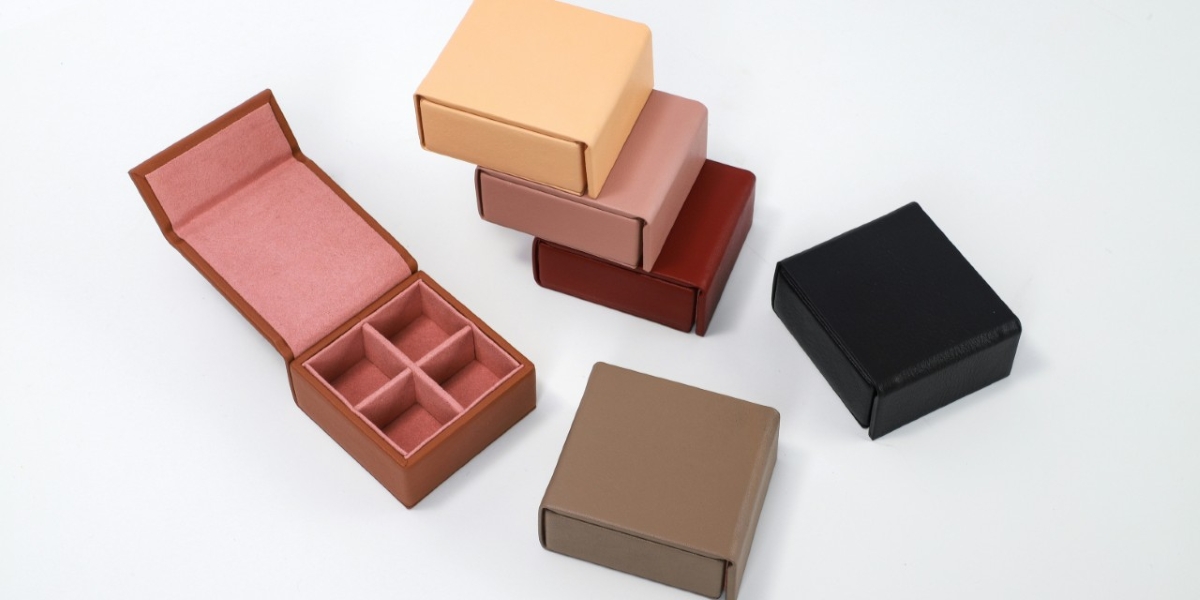
A rigid box is a strong, thick box. It does not fold flat. It keeps its shape. Most rigid boxes arrive already built. The box is made from thick board, usually 1.5 mm to 3 mm. The board is covered with printed or special paper. “Custom” means you choose everything: size, shape, paper, print, finish, and insert. A box made for your exact product fits better. It also protects your product better than a standard size.

Packaging Terms Explained

Term Simple meaning

Greyboard The thick, hard board inside a rigid box

Dieline A flat drawing of your box with all the cut and fold lines

Bleed Extra color past the cut line, so no white edge shows

MOQ The smallest number of boxes you can order

Insert The tray inside the box that holds your product

EVA foam A soft foam, often used for inserts

Soft-touch coating A smooth, velvety feel on the box surface

Spot UV A shiny coating on one small area, like a logo

Foil stamping A thin layer of gold, silver, or color pressed onto the box

Embossing A raised design on the box

Debossing A pressed-in design on the box

Tooling The custom tools made to cut or shape your box

FSC A label that shows the paper comes from responsibly managed forests

Popular Rigid Box Styles

Style Best for Why people choose it

Two-piece (lid and base) Clothing, candles, gift sets Classic look, easy to stack

Magnetic closure Makeup, jewelry, gadgets Closes neatly, feels premium

Shoulder neck Perfume, premium drinks The lid sits on a raised neck

Drawer box Watches, accessories, subscription kits Slides open smoothly, easy to reuse

Book-style (flip-top) Stationery, invitations, PR kits The lid opens like a book

Collapsible rigid box Brands with little storage space Ships flat, then folds into shape

Materials and Finishes

Board thickness

  • 1.5 mm: good for light products. Costs less.
  • 2 mm: a good middle choice for most products.
  • 3 mm: best for heavy items or when you need a very stiff box.

Wrap paper: Matte paper looks clean and simple. Textured paper feels handmade. Kraft-style paper suits eco-friendly brands. On some papers, the edges can crack at the corners. Ask your supplier about this before you order.

Finishes: You can add soft-touch coating, spot UV, foil, or embossing. Each one changes the look and the price.

Color: Colors can look different on a screen and on paper. If your brand color is important, ask for Pantone matching (a system that matches exact colors). Always check a printed sample, not only a screen proof.

Inserts: EVA foam, paperboard, and molded pulp all hold your product in place. Paper inserts are easier to recycle.

Which Brands Use Rigid Boxes?

Rigid boxes are not only for luxury brands. They work well when looks matter.

  • Beauty and skincare: Rigid boxes protect glass bottles and jars. They also make a simple cream or serum feel special, which helps support a higher price.
  • Jewelry and watches: Custom inserts hold each item in place. The piece stays safe and looks ready to show the moment the lid opens.
  • Gadgets and accessories: Magnetic closure boxes are a popular pick here. They close neatly with a soft click, and they can make everyday items, like earbuds or phone cases, feel like gifts.
  • Food and sweets: Chocolate, tea, and dry fruit look great in rigid boxes. The box needs a food-safe lining, so check the food-contact rules in your country.
  • Gifts and subscriptions: A reusable box stays in the customer’s home. Your brand stays in sight long after delivery.

What Changes the Price of Custom Rigid Boxes?

Five things affect the price:

  1. Quantity: Ordering more boxes lowers the price per box. For example, 1,000 boxes cost less per box than 100 boxes.
  2. Box style: A magnetic box costs more than a simple two-piece box.
  3. Board and paper: Thicker board and special paper cost more.
  4. Finishes: Foil, embossing, and spot UV each add cost.
  5. Inserts: A custom-cut insert needs extra tools and materials.

Common Mistakes

  • Skipping the sample. A box that is only 2 mm too tight can spoil the unboxing.
  • Forgetting the shipping size. A big box costs more to ship.
  • Adding too many effects. Too many finishes look busy and cost more.
  • No outer carton. A rigid box protects your product, but it still needs a shipping carton. For fragile items, look at transit-testing rules from ISTA.
  • Ignoring eco choices. Many buyers prefer eco-friendly materials. If you use FSC-certified board, mention it. Make sure your supplier can provide the certificate.

What to Check Before You Order

Good custom rigid boxes protect your product and help people remember your brand. Start with your product and budget. Pick a style that fits. Keep the design simple. Always check a sample before you place the full order.

From Memphis to the World Stage: Dr. George Carpten IV Is Educating, Performing and Inspiring Through Music

By: Lennard James

Memphis, Tennessee, has long been recognized as a city where extraordinary musical talent is cultivated. From blues and soul to gospel, jazz, classical music and contemporary sounds, the city’s musical influence extends far beyond its borders. Among the gifted musicians carrying that tradition into another generation is Dr. George Carpten IV, an accomplished trumpeter, educator and performing artist whose career has taken him from his Memphis roots to university classrooms, symphony stages and international music festivals.

Today, Dr. Carpten serves as Assistant Professor of Trumpet at Pennsylvania State University, an impressive position that reflects years of education, discipline and dedication to his craft. Before joining Penn State, he served as Assistant Professor of Trumpet at both Ohio University and Northern Kentucky University, building a reputation as an educator committed to developing the next generation of musicians.

His journey began in Memphis, but his pursuit of musical excellence took him across several respected institutions. Dr. Carpten earned his Bachelor of Music from the University of Tennessee-Knoxville, followed by his Master of Music from Pennsylvania State University. He later earned his Doctor of Musical Arts in Trumpet Performance from the University of Cincinnati College-Conservatory of Music.

Those academic accomplishments represent more than credentials. They reflect the preparation necessary to become both an accomplished performer and an educator capable of helping young musicians discover their own artistic voices.

Education has become an important part of Dr. Carpten’s professional identity. His influence extends well beyond his own university classroom through masterclasses and solo recitals presented domestically and internationally. His recent appearances include Florida State University, Texas Tech University, Louisiana State University, Kansas State University, University of Kentucky, Arkansas State University, University of Maine, Pennsylvania State University, Valdosta State University and University of Louisville, among others.

His international presence has also grown through his service as a guest faculty artist at the Corfu International Trumpet Festival in Corfu, Greece. He additionally serves as a guest faculty artist for the annual University of Kentucky Summer Trumpet Institute. These opportunities allow him to interact with emerging musicians while sharing the techniques, knowledge and experiences developed throughout his own career.

What makes Dr. Carpten’s journey especially noteworthy is the range of his musicianship. He is not limited to one style or setting. His professional career encompasses solo, orchestral, jazz and chamber performance, demonstrating the versatility demanded of today’s accomplished musicians.

Dr. Carpten currently serves as principal trumpet with the Altoona Symphony and Williamsport Symphony. He is also a member of the Zeropoint Jazz Band, Vox Cor Trio and Polychroma Brass Quintet.

His performance résumé includes work with an extraordinary range of professional ensembles. He has performed with the Cincinnati Symphony and Pops Orchestra, Dayton Philharmonic Orchestra, Kentucky Symphony Orchestra, Springfield Symphony Orchestra, Cincinnati Contemporary Jazz Orchestra, Original Farm League Jazz Band, Seven Hills Brass Ensemble, West Virginia Symphony Orchestra, Knoxville Jazz Orchestra and American Wind Symphony.

His musical journey has even placed him alongside legendary popular music groups The Temptations and The Four Tops, further demonstrating his ability to move comfortably between musical traditions.

For a young musician from Memphis, his career offers a compelling example of what can happen when natural ability is combined with education, preparation and consistent work.

Dr. Carpten is also contributing to the trumpet profession beyond performing and teaching. As a member of the International Trumpet Guild, he serves as editor of the organization’s Profile Column for its quarterly journal and as the ITG Jazz Competition Chair. His professional service has included participation on various committees and work as an adjudicator for the National Trumpet Competition, ITG Youth competitions and ITG Solo trumpet competitions.

His accomplishments also reflect the importance of mentorship. Throughout his development, Dr. Carpten studied under respected teachers including Dr. Cathy Leach, Dr. Langston Fitzgerald, Dr. Scott Belck, Alan Siebert and Phil Collins. Today, he has an opportunity to extend that tradition by becoming a teacher and mentor himself.

That cycle of learning and teaching is one of the most significant aspects of his story. Great musicianship is not simply about mastering an instrument. It is also about passing knowledge forward, challenging students to grow and helping young artists understand the discipline required to transform talent into a sustainable career.

Dr. Carpten’s accomplishments should also be a source of pride for Memphis. His career illustrates the breadth of musical excellence that continues to emerge from a city known around the world for its cultural contributions. While Memphis is frequently celebrated for blues, soul and gospel, Dr. Carpten’s achievements provide another reminder that the city’s musical legacy also reaches concert halls, universities, orchestras, jazz ensembles and international festivals.

For young people interested in music, his journey carries an important message. A passion discovered in one’s hometown can become the foundation for opportunities across the country and around the world. Education matters. Mentorship matters. Practice matters. Professional relationships matter. Most importantly, the willingness to continue developing one’s gifts matters.

From Memphis to Penn State, from university classrooms to symphony orchestras, and from American concert halls to an international trumpet festival in Greece, Dr. George Carpten IV continues building a career defined by musical excellence, education and service.

He is more than a gifted trumpeter. He is an educator helping prepare tomorrow’s musicians, a performer demonstrating the versatility of his instrument, and a Memphis native carrying another dimension of his hometown’s remarkable musical heritage onto the national and international stage.

Organic vs. Classic: The Two Balloon Arch Styles, Explained

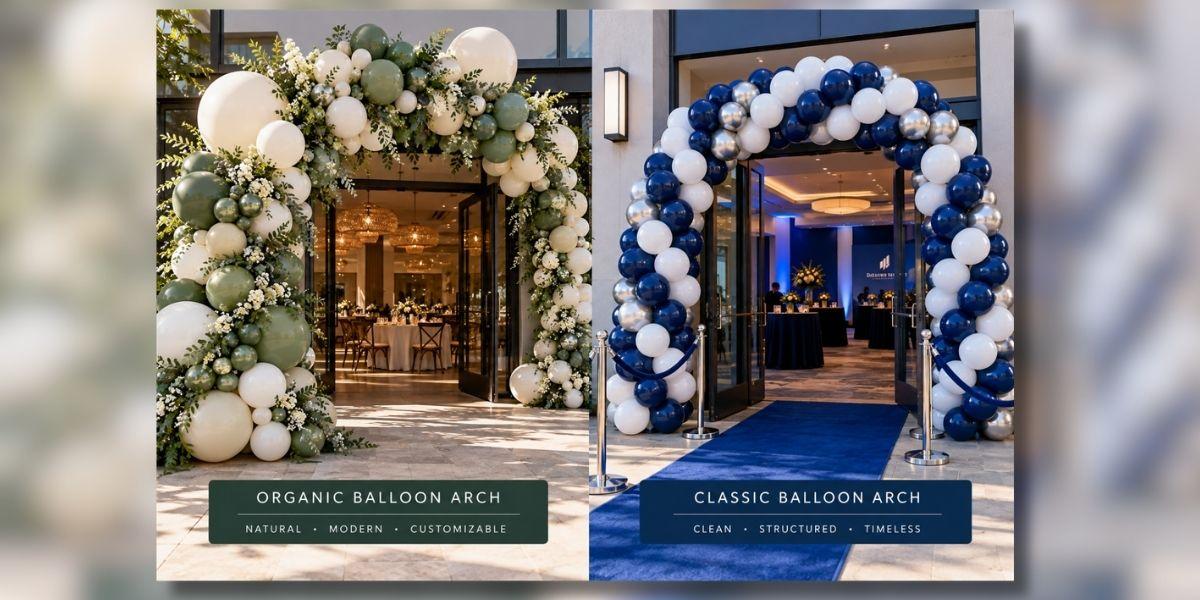
Two arches can stand at two entrances, built from the same latex in the same colors, and leave guests with entirely different impressions. One looks composed and ceremonial. The other looks as though it grew there. That gap is the organic vs classic balloon arch decision, and it comes down to how the balloons are arranged, not what they’re made of.

The two balloon arch styles usually get chosen from social feeds long before anyone measures a doorway, and that order is where plans tend to go wrong. Hosts and planners pick a look first and test it against the room second. Reversing the order usually produces a design that fits the space and photographs the way it was meant to.

The Classic Arch: Order, Symmetry, and Formality

A classic balloon arch is built on repetition. Uniform balloon sizes follow a consistent pattern along a clean curve, so the finished piece looks precise and planned. Classic arches suit formal moments, framing event entrances, bracketing stages, and marking the spot where a ceremony takes place, because symmetry signals that something deliberate is about to happen.

The format is a recognized one in the trade. A balloon training institute’s guide to arch types separates the classic spiral arch, built in a balanced color pattern, from the organic arch, built from mixed balloon sizes. The tradeoff is that the same tidiness can feel stiff in a soft or informal setting.

Photo Courtesy: The Balloon Guy (balloon arch installation for Toyota)

The Organic Arch: Layers, Asymmetry, and Movement

An organic balloon arch works from the opposite idea. Instead of uniform sizes in a strict pattern, it uses mixed balloon sizes, clustered and layered so the outline looks loose and uneven on purpose. The word describes the arrangement, not the material. It also shouldn’t be confused with the organic balloon garland, which uses the same clustered look along a wall, a table, or a staircase instead of framing an opening.

Sean Edwards, Founder of The Balloon Guy, a Los Angeles design studio, says the form starts with the setting. “An organic arch starts with the doorway it frames, the light in the room, and the way guests will move past it. The balloons follow from that.”

That approach explains why the style asks more of the person building it. With no pattern to repeat, every cluster is a decision about size, color, and spacing, and the finished look depends on how well those decisions add up. It’s also a look a designer can reach for when an event calls for something softer than a formal frame.

Photo Courtesy: The Balloon Guy (organic balloon arch installation)

Reading the Room: Space, Light, and Setting

A balloon arch has to live in a room, and rooms push back. Ceiling height caps how tall an arch can rise, and an entrance’s width decides how much curve fits before guests squeeze past. A generous doorway can carry the loose spread of an organic arch. A narrow one often suits the compact outline of a classic arch.

Light changes the picture as well. Overhead fixtures, windows, and camera flash all change how colors and finishes read, so a design should be judged in the actual lighting, not on a mood board. Outdoor settings raise their own questions, so an outdoor arch is worth discussing with the designer early.

Edwards frames the work in architectural terms. “Balloons are often underestimated. When treated with intention, they become emotional architecture.”

Venue rules come before any of it. It pays to check policy before anything is built, because some venues restrict balloons at events, and a design the venue rules out never reaches the room.

Color, Finish, and When the Two Styles Meet

Color does different work in each style. In a classic arch, a limited palette in a repeating order sharpens the pattern, so the design reads as crisp and deliberate. In an organic arch, one color family or a layered mix of shades creates depth as the eye travels across the cluster.

Finish adds another layer. Matte balloons absorb light and look soft, while metallic and glossy ones catch it and add energy. The choice matters for pictures as much as for the room, and a wedding-planning platform advises matte finishes under flash photography for balloon photo walls, a useful rule for any arch that doubles as a photo backdrop.

The two styles can also meet. A structured base with organic detail, such as a classic curve softened by a few clustered accents, lets a formal setting gain movement without losing its shape. Where an event has a signature palette, the palette should lead, and the style should show those colors off.

Choosing the Right Arch for the Moment

The difference between the two balloon arch styles fits in a line. Classic gives a room structure, and organic gives it movement.

Three questions do most of the sorting. How formal is the occasion? What does the space look like, and how much room does the entrance give? And how will the arch be photographed, and in what light? A formal event in a structured room points toward classic. A relaxed or design-led event with space to spread points toward organic. Photography doesn’t choose a style, but it does steer the finish, and a formal room that needs softening is where a hybrid earns its place.

Anyone hiring a designer can shorten the first conversation by arriving with venue photos, entrance and ceiling dimensions, the event palette, and the setup and photo timeline. Those details give a designer what’s needed to choose, and Sean Edwards, who has more than 15 years of experience building balloon installations, starts from the same place: the room.

Back at the two entrances, the same balloons in the same colors are still doing very different jobs. One tells guests a ceremony is about to begin. The other tells them the room has been softened for the people in it. Once the room and the moment are clear, the choice between them tends to make itself.