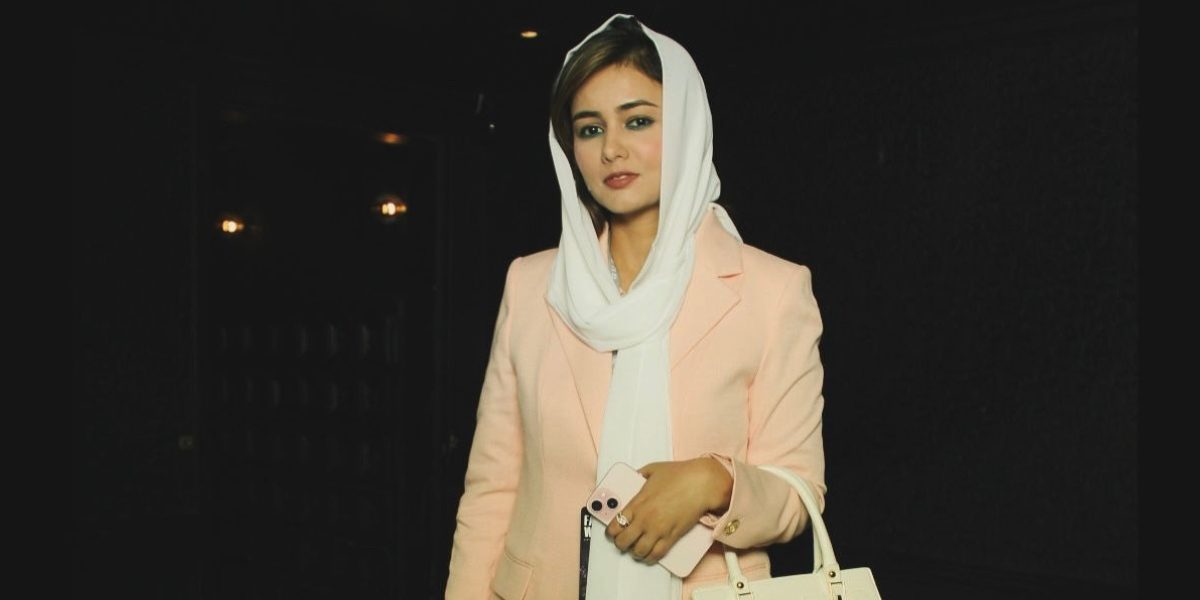

By: Sahil Sachdeva
Maryam Cosmetics founder Nadiya Qureshi on what conscious consumers are really looking for, and why more than half of her customers come from outside the community she first imagined.
When Nadiya Qureshi moved to the United States, she went looking for the kind of beauty products she had built her life around: products that lived up to her values and felt genuinely luxurious on her skin. In a market this big, she expected the choice to be obvious. It wasn’t. Almost everywhere she looked, she felt asked to pick a side, ethics or experience, but rarely both. The shelves promised “clean,” “conscious,” “natural,” and while there is a lot to admire about that movement, she kept finding herself looking for something that went a little deeper. So she started Maryam Cosmetics for herself, for the women in her life, and eventually for anyone else who was quietly looking for the same thing.
Nadiya has real respect for what “clean beauty” set out to do. It came from a meaningful place: a reaction against ingredients that didn’t belong on skin, a demand for transparency, a higher bar for what consumers put on their faces. But like many movements that take off, the language has spread faster than any single shared standard behind it. “Clean” can mean slightly different things at different brands today, and that can make it harder for a consumer to know exactly what she is choosing. None of this, in Nadiya’s view, is anyone’s fault. It is simply what happens when an idea catches on. The opportunity, as she sees it, is to build a thoughtful next layer on top of what clean beauty started.
That layer is what Nadiya calls ethical luxury. It builds on the same instincts and goes a little further. It means provenance you can verify, ingredients you can defend, and supply chains you actually understand. It also means a finished product that earns the word luxury in every sense. A formulation worth the price, and an object that feels considered the moment you pick it up. The weight of the bottle, the way the cap closes, and the finish on the label. Those details are not the opposite of substance. At their best, she believes, they are an extension of it. A brand that takes its ingredients seriously can take how those ingredients are presented seriously, too.
When Nadiya built Maryam Cosmetics, she made a choice that some people find surprising. The brand formulates to Halal standards. The word is sometimes misread, which is why she likes to explain what it actually means. Halal is an Arabic word that translates simply to “permitted.” Applied to what one puts on or in the body, it is a framework: a defined set of rules about what is allowed, where ingredients can come from, and how they must be handled. It excludes alcohol, which is one of the more common irritants in conventional beauty. It excludes animal-derived ingredients of unclear provenance, the kind many consumers don’t always realize are in their products. It rewards traceability and restraint.
In other words, it is a real, well-defined standard. And once a brand builds to it, much of what conscious consumers say they are looking for tends to come along naturally: no harsh alcohols, transparent sourcing, fewer questionable animal byproducts, formulations one can read out loud without wondering. When Nadiya started Maryam Cosmetics, she was building for herself and the women closest to her, and she quietly hoped there were others out there who shared the same frustration. The standard the brand chose is rigorous and well-defined, and it seems to align with what ethically minded consumers from a wide range of backgrounds are already looking for.
Maryam Cosmetics’ customers have shown that more clearly than Nadiya could have imagined. When the company looked at its order data, more than 55% of customers were from outside the community she had originally pictured. They were women from every background, choosing Maryam Cosmetics because the products work, feel beautiful, and live up to a standard they can read for themselves. That number, she says, is the most meaningful number in the business. It suggests something she has come to believe: ethical luxury is not a niche. It is a quiet expectation that is growing, and Maryam Cosmetics is built to meet it for everyone who has been waiting.
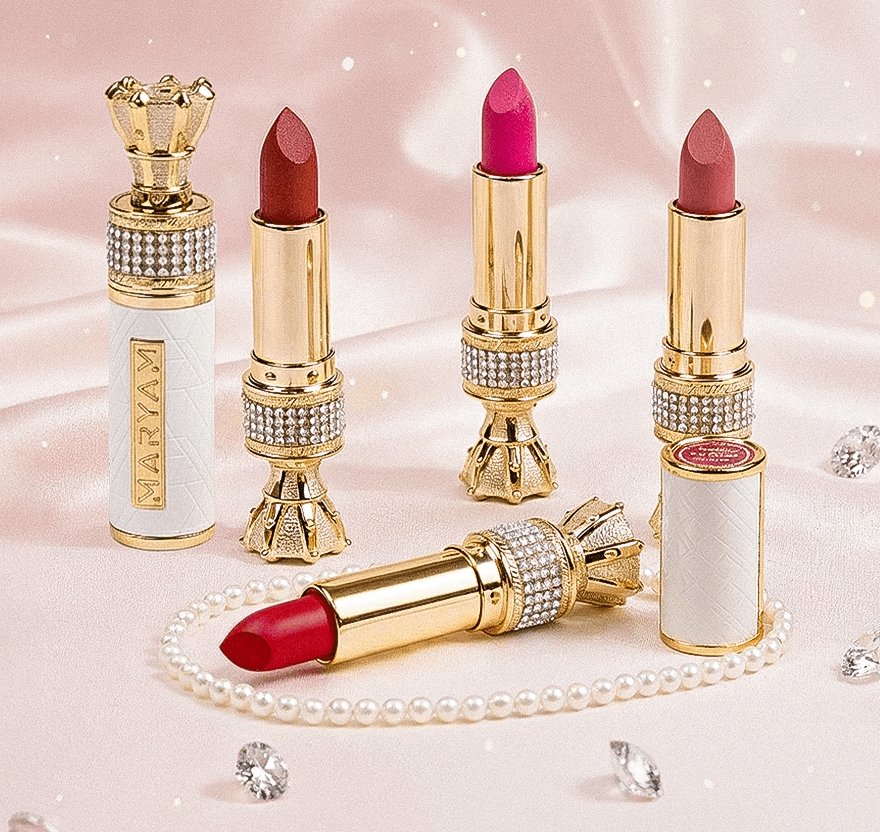
Looking at the next few years of beauty, Nadiya’s sense is that the brands that resonate most will be the ones whose claims hold up to a closer look. Not the ones with the prettiest sustainability page, but the ones whose ingredient lists, sourcing decisions, and standards make sense the second and third time a consumer asks. Conscious consumers, and the data now suggests that it is a growing share of consumers, tend to reward the brands that close the gap between what they say and what they do.
Nadiya built Maryam Cosmetics from a personal frustration, and did not expect that frustration to turn out to be so widely shared. What she has come to believe most is that the customer is often a step ahead of the industry. The customer has been patient. The industry’s job, in her view, is to catch up.
Nadiya Qureshi is the founder of Maryam Cosmetics, an ethical luxury beauty brand built on rigorous ingredient standards and transparent sourcing. Maryam Cosmetics is currently expanding retail and distribution partnerships across the United States. Inquiries: info@themaryamcosmetics.com.