
By: Alan L. Cooke
Suspense is a powerful genre in literature. It has the unique ability to keep readers on the edge of their seats, eagerly turning pages to uncover what happens next. This feeling of anticipation, of teetering on the brink of the unknown, is what makes suspense fiction so engrossing. Crafting such stories requires a deep understanding of narrative techniques that can manipulate a reader’s emotions and expectations.
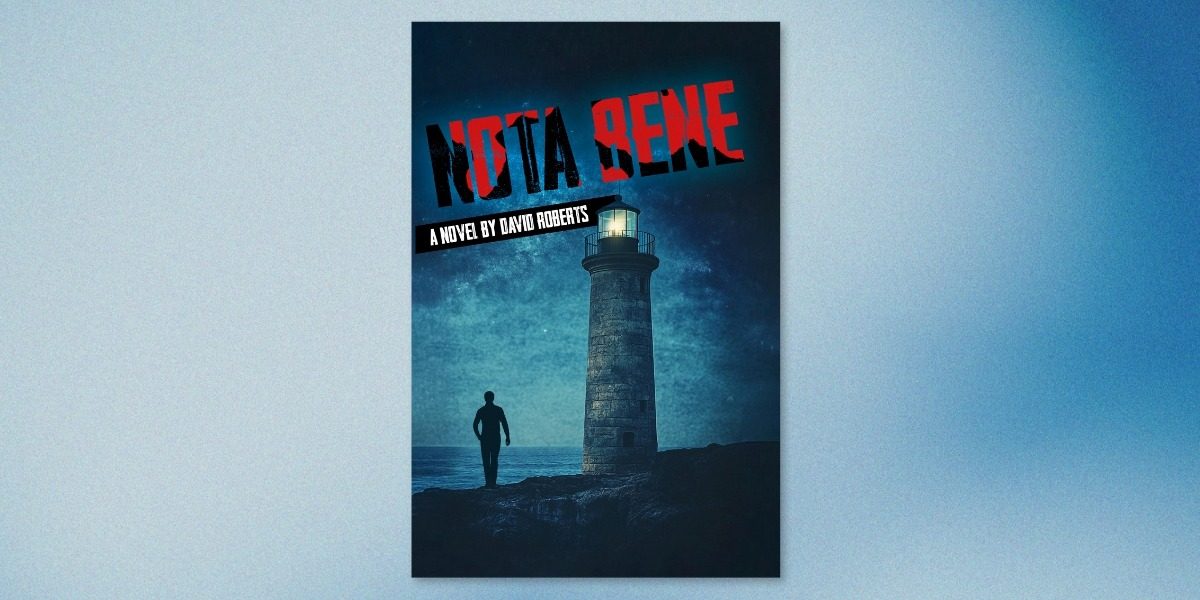
David Roberts‘ novel “Nota Bene“ effectively showcases his talent, employing elements such as pacing, foreshadowing, and character development to create a gripping narrative that keeps readers hooked.
One of the key tools Roberts employs to build suspense is pacing. A well-paced story keeps readers engaged, moving quickly enough to maintain their interest but not so fast that they become lost or overwhelmed. In “Nota Bene,” Roberts modulates the narrative’s pace, providing bursts of action that draw readers in and hold their attention.
Silences in the action are equally important as they offer a momentary respite before the next wave of tension. For instance, just when the reader feels comfortable believing they have a handle on the storyline, Roberts introduces a new twist or complication, effectively reigniting the sense of urgency and mystery.
Foreshadowing is another device that Roberts masterfully incorporates into his work. This technique involves planting subtle hints or clues throughout the narrative that suggest what might happen later. These clues create a sense of anticipation as readers pick up on these nuances and begin to speculate about potential outcomes.
In “Nota Bene,” Roberts employs this method to significant effect, dropping hints about the mysterious conditions that led up to Trevor Martin’s death. Each clue is like a breadcrumb, leading readers deeper into the entanglement of the story. The use of foreshadowing keeps readers mentally engaged, continually encouraging them to piece together the puzzle as they read.
Character development is also crucial in building suspense, and Roberts excels in this area. For readers to feel invested in the story, they must care about the characters and their fates. Roberts’ characters are complex and multifaceted, each with their own fears, motivations, and secrets. The protagonist’s evolving relationship with other characters helps to heighten the tension.
As readers learn more about the characters, their emotional involvement deepens, making the stakes feel personal. For example, understanding the protagonist’s sense of duty and obligation to uncover the truth behind Trevor Martin’s death makes his journey all the more compelling. His inner struggles, doubts, and the weight of his responsibilities add layers to the suspense.
Dialogue is another essential tool in Roberts’ arsenal for creating suspense. Conversations between characters can reveal hidden motives, escalate conflicts, or introduce new elements of danger. Roberts’ dialogue is sharp and purposeful, each exchange adding another piece to the overall puzzle.
These interactions not only propel the plot forward but also provide insight into the characters’ states of mind. When characters like Mobes and Hugo discuss their plans and fears, the reader is given a glimpse into their psyches, enhancing the overall tension and unpredictability of the story.
Setting plays a crucial role in Roberts’ suspense-building strategy as well. The environments in which his stories unfold are carefully chosen to evoke a particular mood or atmosphere. In “Nota Bene,” the various locations—from the bustling streets of Cairo to the quiet vineyards near Mdina—serve not just as backdrops but as active elements that influence the narrative.
The physical space often mirrors the psychological state of the characters, reinforcing the sense of unease or impending danger. For instance, the barren roads and abandoned homes the protagonist travels through evoke a feeling of isolation and desolation, perfectly complementing the suspenseful tone of the book.
Roberts also employs what can be described as the art of misdirection to keep readers guessing. He introduces elements that appear significant, then leads readers down a path that seems obvious, only to reveal later that things are not as they seem.
This technique ensures that the reader remains off-balance, never entirely sure what to expect next. For example, a seemingly trivial conversation or object can later turn out to be a significant piece of the puzzle, making readers question their assumptions and stay alert for new clues.
Another aspect of Roberts’ writing that adds to the suspense is his use of internal monologue. By giving readers direct access to the protagonist’s thoughts, he builds a deeper connection between the reader and the character.
These internal reflections often reveal the protagonist’s anxieties, doubts, and fears, making the tension more palpable. Knowing what the protagonist is thinking heightens the emotional stakes and makes the sense of danger feel more immediate and real.
Final Words
David Roberts’ ability to create suspense is a testament to his mastery of various narrative techniques. By skilfully manipulating pacing, foreshadowing, character development, dialogue, setting, and misdirection, he constructs stories that are not only engaging but also intensely thrilling.
In “Nota Bene,” these elements converge to form a taut, suspenseful narrative that keeps readers engaged from start to finish. Roberts’ talent for weaving intricate, tension-filled tales ensures that his work remains compelling and unforgettable.
To experience the intricate suspense and masterful storytelling firsthand, pick up your copy of “Nota Bene” by David Roberts today. Explore a narrative that balances tension and intrigue, keeping you enthralled from start to finish. Available now at major bookstores and online retailers.