
By: Gunther Woods
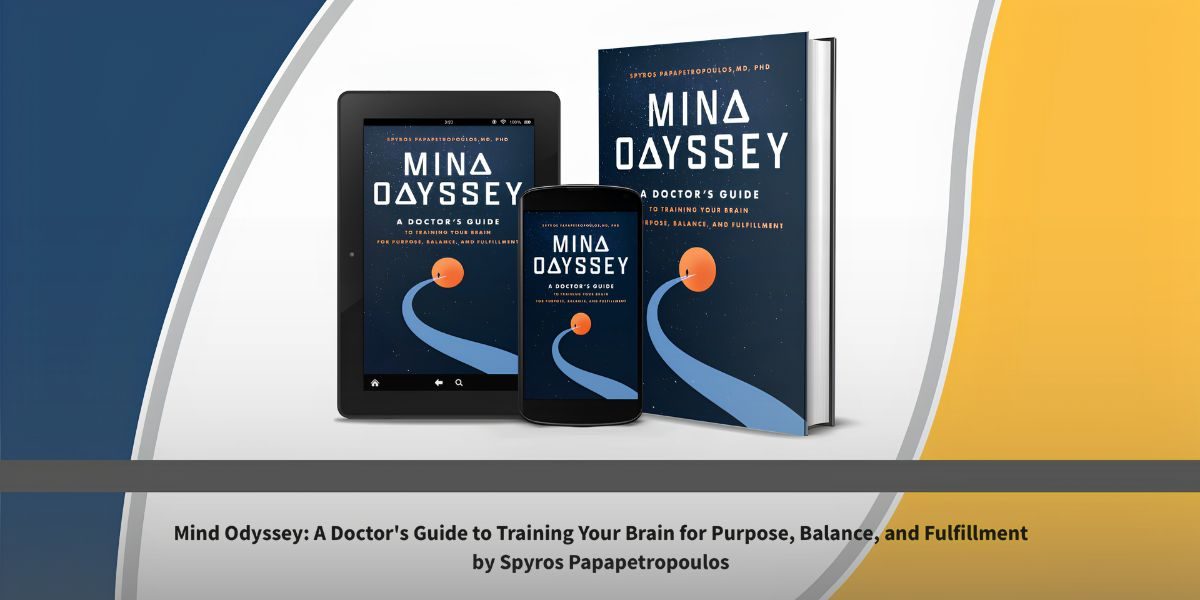
There is something fitting about the fact that a neurologist born in Athens, shaped by Greek heritage and the stories that civilization has been telling about human journeys since the eighth century BC, would eventually write a book that uses the Odyssey to explain how the brain navigates the professional challenges of modern life. Dr. Spyros Papapetropoulos did not reach for Homer because the metaphor was available and elegant. He reached for it because he recognized, through decades of research into brain disorders and years of observing both exemplary and toxic workplace cultures, that what Odysseus was working through on his journey home is structurally identical to what every serious professional is working through in the course of a career that actually means something to them.
Reading this book produces a specific and welcome sensation of being understood before being instructed. Papapetropoulos writes about burnout, indecision, and the particular exhaustion of professional success that doesn’t satisfy with the empathy of someone who has seen these experiences up close, both in patients and in colleagues and in himself, and has spent real time thinking about what the brain is actually doing when these things happen. That clinical and personal grounding gives the book a quality of genuine insight rather than the borrowed wisdom that characterizes so much professional development writing, and it makes the practical guidance he offers feel considerably more trustworthy than advice that hasn’t been tested against the actual complexity of real careers under real pressure.
The three-part framework he builds, purpose as the navigational north star, balance as the emotional and cognitive infrastructure that keeps the journey sustainable, fulfillment as the naturally arising outcome when the first two are genuinely aligned, is both scientifically grounded and intuitively satisfying in the way that good frameworks always are. You recognize the structure before you have finished reading the first section because it maps onto something you have already been living, and that recognition is immediately followed by the more useful recognition of where your own version of the journey has been going off track and why.
The distinction Papapetropoulos draws between dopamine-driven happiness and endorphin-fueled fulfillment is the intellectual heart of the book and its most lasting contribution to how you think about what you are actually pursuing when you pursue a successful career. Dopamine happiness is real, but it is brief, and it is always demanding more, which is why so many people arrive at versions of success they worked very hard for and find themselves immediately looking for the next thing rather than savoring what they built. Fulfillment, as Papapetropoulos describes it, is something different in its neurological structure and in its relationship to time, more durable, more self-sustaining, and more available to people who understand how to build toward it rather than simply hope for it.
Mind Odyssey is the book for anyone who has enough self-awareness to know that the career they have been building and the life they actually want to be living are not quite the same thing, and who is ready to use what science actually knows about the brain to close that gap with intention and clarity. Papapetropoulos has written something genuinely useful and genuinely human, and that combination is rarer than it should be.
If the gap between the career you have been building and the life you actually want to be living has been quietly bothering you and you want the neuroscience to close it with real intention, Mind Odyssey by Dr. Spyros Papapetropoulos is exactly the guide you need. Head over to Amazon and get your copy today. Your own odyssey toward purpose, balance, and fulfillment starts right here.