Common Mistakes to Avoid in Contract Review

Navigating the meticulous process of contract review is crucial for businesses and professionals alike. Often, people rush through this phase, leading to oversight and errors.

Understanding the common pitfalls can make or break the success of any agreement. From neglecting the fine print to missing out on negotiation opportunities, the impact is significant.

This article shines a light on those errors, ensuring your next contract review is foolproof. Equip yourself with the knowledge to dodge these common blunders. Read on!

Overlooking the Fine Print

One mistake that people often make is skimming over the small print. These parts of the contract usually have important details about the agreement’s terms, how to end it, and what happens if you break it. Ignoring these details could lead to obligations and liabilities you didn’t expect.

Failing to Understand Termination Clauses

The terms of when and how either party can get out of a contract are set out in the termination clause. Misunderstanding these conditions can keep you in bad agreements for longer than you planned or charge you extra fees for leaving early.

Ignoring Confidentiality Agreements

Confidentiality agreements keep private information shared while a contract is being carried out safely. If you don’t carefully read these provisions, you could accidentally break them and be in big legal trouble.

Misinterpreting Financial Terms

If you don’t understand the financial terms of a contract, like when payments are due, late fees, and interest rates, it can cause arguments and make it hard to do business with others. Before signing, it’s very important to make sure that all financial issues are clear and agreed upon.

Neglecting Jurisdiction Clauses

The location and type of law that will be used to settle a dispute are set by jurisdiction clauses. If this isn’t taken into account, disagreements could lead to legal battles in faraway or unfavorable places.

Assuming Standard Provisions

A lot of people make the mistake of thinking that all contracts have standard parts that don’t need to be looked at closely. If you make this assumption, you might miss important, unique clauses that could have a big effect on the terms of the agreement.

Not Considering Future Changes

Contracts need to think about future changes in business, laws, or relationships, or they might become outdated or difficult. It’s key to include ways to change them, like adding special clauses for updates or discussions, to keep them useful for a long time.

Skipping Professional Legal Review

Perhaps the critical mistake is foregoing a professional legal review. Lawyers, particularly those specializing in contract law or even Breach Of Contract Lawyers, can spot issues that non-professionals might miss, offering insights that could prevent future legal challenges.

Master Your Contract Review to Avoid Costly Mistakes

Master contract review is important for any business that wants to keep its tasks and partners safe. At every step, you need to pay close attention and know how to spot problems.

By recognizing and fixing the common mistakes in this article, you can do thorough reviews of contracts. Reviewing contracts with care lowers legal risks and makes partnerships stronger.

Neglecting small details can lead to big problems. A thorough review of the contract should always be a  priority for business success.

Did you like this guide? Great! Please browse our website for more!


Disclaimer: The content in this article is provided for general knowledge. It does not constitute legal advice, and readers should seek advice from qualified legal professionals regarding particular cases or situations.


Published By: Aize Perez

From Balding to Bolding: How Bald Head Oil Can Boost Your Confidence

Have you ever looked in the mirror and felt less confident because of your balding head?

You’re not alone. Many people experience this, but there’s a simple solution that could change how you feel about yourself. And this is through bald head oil.

Keep reading to find out how making it part of your daily routine can help you stand tall and feel proud of your appearance.

The Magic of Moisture

Bald head oil is a great way to keep your scalp looking and feeling good. When you have a bald head, your skin can get dry and rough. But with bald head oil, your scalp gets the moisture it needs to stay smooth and healthy.

Moisture is super important because it stops your skin from getting itchy and flaky. Think of it as a drink of water for your scalp. Using bald head oil every day can make your scalp feel soft and shiny, giving you more confidence when you step out into the world.

Shine Without Shame

Adding bald head oil to your daily grooming ritual can make you shine in the stellar way possible. A bald man’s head can sometimes look a bit dull, but with the right oil, it can have a healthy glow that looks clean and sharp.

This isn’t about looking oily or greasy; it’s about having a sleek appearance that reflects light nicely. Plus, this shine shows that you take care of your appearance, which is always a confidence booster.

Nourishing Natural Ingredients

Many bald head oils are full of natural ingredients that are good for your skin. These might include things such as coconut oil, almond oil, and tea tree oil. Each of these has its unique benefits.

For example, coconut oil helps to hydrate your skin, while almond oil is gentle and can soothe sensitive skin. Tea tree oil is widely known for its ability to clean and protect your skin from getting irritated.

Daily Rituals, Deep Confidence

Integrating bald head oil into your daily self-care routine can be a game-changer. Think of it as a small act that tells the world you value yourself and how you look.

It’s not just about the shine or the moisture; it’s about taking time for yourself. This routine can boost your confidence every single day.

You start to see yourself in a better light, and that feeling grows stronger with time. Plus, it’s a simple step that shows you’re in charge of your appearance and proud of it.

Beyond Appearance

Using bald head oil is about more than just looking good. It’s about feeling good on the inside, too.

But remember, taking care of bald heads is just one way to boost confidence. For some, hair transplant surgery is another option that makes them feel great about their appearance. This surgery can put hair back on your head, making bald spots disappear.

Everyone has their very own way of feeling their best. Whether you choose bald head oil, surgery, or both, what’s important is that you feel confident and happy with how you look.

Get the Most Out of Using Bald Head Oil

All in all, bald head oil is more than just a product. It’s a step towards accepting and loving your looks. By including it in your daily care, you invite confidence into your life.

It’s easy to use and can make a big difference in how you see yourself. Remember, feeling good about yourself is what shines through.

Did you find this post helpful? If so, head back to our website for more informative content.

Published by: Holy Minoza

Understanding Different Methods for Achieving Proper Teeth Alignment

Have you ever dreamed of having a flawless smile? In the quest for perfect teeth, options abound. Braces, retainers, and the latest in dental technology assure transformations that go beyond aesthetics.

With each method offering its unique benefits, navigating the choices can seem daunting. Yet, the impact of a confident smile on one’s life is unmistakable.

So, we’ll take a closer look at the different methods for achieving proper teeth alignment and find out which one is right for you. Ready to flash your pearly whites?

Let’s get started!

Traditional Metal Braces

Traditional metal braces are a tried-and-true method for teeth straightening. They consist of metal brackets attached to each tooth, linked by a wire.

Tightening this wire periodically applies pressure to the teeth, gradually shifting them into the desired position. They are also known for their durability and can tackle a wide range of dental alignment issues such as:

  • overcrowding
  • crooked teeth
  • gaps between teeth

While they are the noticeable option, modern advancements have made them smaller and less obtrusive. Patients also enjoy customizing their braces with colored bands, adding a personal touch to their treatment experience.

Despite their visibility, the reliability and cost-effectiveness of metal braces make them a popular choice for achieving a straighter smile.

Ceramic Braces

Ceramic braces work like traditional metal braces but with a twist. They use brackets that are made from ceramic material, which blends with the natural color of your teeth.

This makes them less noticeable than their metal counterparts. Also, the wire connecting the brackets is often tooth-colored, further reducing their visibility.

However, ceramic braces require more attention to oral hygiene as they can stain easily if not properly cared for. Despite this, their aesthetic appeal makes them a favored choice for those who wish to maintain a natural look during treatment.

Lingual Braces

Lingual braces offer a unique approach as they are placed behind the teeth. They function in a similar way to traditional metal braces, but their placement makes them virtually invisible from the front.

However, their placement presents a steeper learning curve for speaking and may cause initial discomfort to the tongue. They are also more challenging to clean and may require more frequent visits for adjustments.

Plus, they are a more expensive option compared to traditional braces. Nonetheless, for those looking for a discreet treatment option, lingual braces are worth considering.

Invisalign Clear Aligners

Unlike braces, these aligners are removable, making it easier to eat, brush, and floss. You’ll receive a new set of Invisalign every few weeks, gradually moving your teeth toward their optimal position.

They are practically invisible, making them a preferred choice for those who want to avoid the look of traditional braces. It requires dedication, as the aligners must be worn 20 to 22 hours a day for the  results.

They are suitable for smile correction, but may not be the best option for more severe cases.

Self-Ligating Braces

Self-ligating braces use a specialized clip in place of elastics to hold the wire. This clip helps reduce the amount of pressure being placed on the tooth.

The design allows for more freedom of movement,f resulting in fewer adjustments. They come in metal or clear options, making them versatile for different patient preferences.

One key benefit is easier cleaning due to the absence of elastics. They are known for possibly reducing treatment time because of their efficient teeth movement.

Yet, they can be more expensive than traditional braces. Despite the cost, their comfort and effectiveness make them a good choice for many seeking teeth alignment solutions.

Ceramic Aligners

Ceramic aligners are a cool way to straighten your teeth. They’re clear, you can take them out, and they work like braces but aren’t as noticeable.

They fit tight over your teeth and slowly move them to the right spot. Plus, they don’t get stained easily by things like coffee or wine. Yet, patients must wear them 20 to 22 hours daily for optimal results.

But you can remove them to eat, brush, and floss. This feature makes them a popular choice for those seeking orthodontic treatments without compromising their lifestyle.

Damon Braces

Damon braces are a modern take on teeth alignment. They are self-ligating, meaning they use a slide mechanism to hold the wire. This system reduces friction and pressure, making the adjustment process smoother and more comfortable for the patient.

Unlike traditional braces, they do not require elastics. This means they are less noticeable and easier to clean. They also come in both metal and clear versions, catering to those who prioritize aesthetics.

Not only that! Damon braces have a faster treatment time and require fewer visits to the orthodontist. This efficiency is due to its design, which promotes natural tooth movement without frequent tightening.

Moreover, they are suitable for patients of all ages and can address a wide range of dental alignment issues.

Retainers

Retainers are commonly used after braces or aligners to maintain the results of teeth straightening. They hold the teeth in their new position, preventing them from shifting back to their original place.

They can be fixed or removable and must be worn as directed to ensure long-lasting results. There are also different types of retainers available such as:

  • Hawley retainers
  • Essix retainers,
  • bonded retainers

Each type has its unique features, but they all serve the same purpose of maintaining proper teeth alignment.

Dental Veneers

Dental veneers are thin, custom-made shells designed to cover the front surface of teeth. They are made from porcelain or resin composite materials.

Porcelain veneers resist stains better than resins. They also mimic the light-reflecting properties of natural teeth and fix problems like discolored, worn, chipped, or uneven teeth.

On the other hand, resin veneers are thinner and require less tooth enamel removal. They are ideal for minor cosmetic dental issues such as slight misalignment.

For individuals considering these cosmetic enhancements, consulting with a qualified professional like this dentist in Rochester, NY can provide personalized advice and treatment options. This will ensure the  results for achieving the smile you’ve been dreaming of.

Tips for Achieving Proper Teeth Alignment

Achieving a picture-perfect smile is a journey, not a destination. With the array of options available, your dream smile is within reach. Remember, it’s never too late to start your path toward proper teeth alignment.

We encourage you to consult with a dental professional to help choose the right treatment for you. Take the first step towards a confident, radiant smile today!

Did you find this article helpful? Check out the rest of our blog now!

Published by: Martin De Juan

5 Steps Michael Esposito of Staten Island Took to Become an ML Maverick

In the ever-evolving landscape of technology, machine learning (ML) has emerged as a transformative force, reshaping industries and redefining the boundaries of what’s possible. At the forefront of this revolution is Michael Esposito, a Staten Island native who has carved out a remarkable journey to become a true ML maverick.

From his humble beginnings in the vibrant borough of Staten Island to his current role as a Senior Software Engineer at Dropbox, Esposito’s ascent has been fueled by an unwavering passion for data-driven solutions and a relentless pursuit of excellence. His experiences at industry giants like Twitter and LinkedIn have not only honed his skills but also deepened his understanding of the intricacies of machine learning integration.

But how did this Staten Island prodigy rise to become an ML maverick? Here are five pivotal steps that paved Esposito’s path to success:

1. Laying the Foundation: A Solid Education

Esposito’s journey began with a strong educational foundation. He earned a Bachelor of Science in Computer Science from the prestigious University of California, Berkeley. There, he was exposed to the fundamentals of programming, algorithms, and data structures. This rigorous academic training instilled in him a deep appreciation for the power of technology and laid the groundwork for his future explorations in machine learning.

2. Gaining Invaluable Experience: Navigating Industry Giants

Armed with a solid education, Esposito embarked on a quest to gain practical experience in the tech industry. His tenures at Twitter and LinkedIn provided him with invaluable opportunities to work on cutting-edge projects and collaborate with some of the brightest minds in the field. At Twitter, he contributed to the development and maintenance of the company’s real-time analytics platform, enabling data-driven decision-making across the organization.

3. Embracing the ML Paradigm Shift

As machine learning gained traction, Esposito recognized its transformative potential and embraced the paradigm shift wholeheartedly. He delved deep into the intricacies of ML algorithms, data preprocessing techniques, and model optimization strategies. His work at LinkedIn, where he developed and maintained key components of the job recommendation system, solidified his expertise in leveraging machine learning for personalized user experiences.

4. Leading Innovation at Dropbox

Esposito’s journey reached new heights when he joined Dropbox as a Senior Software Engineer in 2019. In this role, he has been at the forefront of integrating machine learning into Dropbox’s products, leading a team of engineers to develop and optimize ML models for personalized user experiences and content recommendations. His ability to navigate complex technical challenges and collaborate across cross-functional teams has been instrumental in driving innovation at Dropbox.

5. Sharing Knowledge and Mentoring Others

Beyond his professional accomplishments, Esposito has embraced the role of a mentor and thought leader in the ML community. He actively shares his knowledge and insights through speaking engagements, workshops, and online platforms, inspiring and guiding aspiring technologists and entrepreneurs. His commitment to fostering a culture of continuous learning and his willingness to pay it forward have earned him respect and admiration from his peers.

Continuing Education and Community Engagement

Moreover, Michael Esposito believes in the importance of staying updated with the latest developments in the field of machine learning. He regularly participates in continued education programs and certifications that allow him to refine his skills and stay ahead of industry trends. Additionally, his active involvement in community service shows his dedication to giving back to the community, which fostered his initial interest in technology.

Michael Esposito’s journey from a Staten Island native to an ML maverick is a shining example of how dedication, continuous learning, and a relentless pursuit of excellence can dramatically reshape one’s career trajectory. His story inspires aspiring technologists to explore beyond conventional boundaries and innovate fearlessly. By meticulously laying a solid educational foundation, gaining invaluable industry experience, embracing the rapidly evolving machine learning paradigms, leading innovations at renowned companies, and generously sharing his knowledge, Esposito has not only excelled professionally but also significantly contributed to the technological community. His path exemplifies that true mavericks are those who dare to dream big, persist through challenges, and commit to lifelong learning and teaching. Aspiring ML professionals can look to his journey as a blueprint for success in the dynamic field of machine learning, aiming not just to succeed but to transform and lead with integrity and vision.


Published by: Khy Talara

Leveraging UX Design Tests to Build High-Performing Teams

In today’s digital age, where user experience reigns supreme, the success of any digital product hinges on its ability to resonate with users seamlessly. This is where UX design tests step into the spotlight. Think of them as the litmus test for a digital product’s usability, functionality, and overall appeal to its intended audience.

But what exactly are UX design tests, you might ask? Simply put, they’re the secret sauce behind crafting digital experiences that users not only enjoy but also find intuitive and valuable. These tests come in various shapes and sizes, ranging from assessing the layout and navigation of a website to evaluating the efficiency of a mobile app’s interface.

Understanding UX Design Tests

So, what exactly is UX design test, and why is it crucial in the realm of digital product development? Let’s break it down.

UX design tests are essentially tools and methodologies used to evaluate the user experience of a digital product. They come in various forms, such as usability testing, A/B testing, and heuristic evaluations, each serving a unique purpose in assessing different aspects of user interaction.

Usability testing, for instance, involves observing real users as they interact with a product to identify pain points, friction areas, and overall user satisfaction. A/B testing, on the other hand, compares two or more versions of a design to determine which one performs better in terms of user engagement, conversions, or other predefined metrics. Heuristic evaluations rely on expert analysis to assess a product’s compliance with established usability principles.

The Impact of Creativity Tests

The Creativity test in UX design is like the spark that ignites innovation and sets the stage for groundbreaking digital experiences. These tests are not just about pushing boundaries or thinking outside the box; they’re about infusing products with that special something that makes users sit up and take notice.

Imagine a scenario where a team is tasked with revamping the user interface of a mobile app. Sure, they could stick to the tried-and-tested formula, but where’s the fun in that? By incorporating creativity tests into their process, they challenge themselves to explore unconventional ideas, experiment with bold designs, and push the limits of what’s possible.

Importance of Customer Support Tests

The Customer support test plays a pivotal role in shaping the user experience landscape by focusing on the often-overlooked aspect of user assistance and satisfaction. In the fast-paced world of digital products, it’s not enough to create something visually stunning or functionally robust; users also need to feel supported and empowered throughout their journey.

Think about it: how many times have you been frustrated by a lackluster help section or non-responsive customer service? Customer support tests shine a spotlight on these pain points, allowing teams to identify areas for improvement and ensure that users receive the assistance they need, when they need it.

Leveraging UX Design Tests for Team Building

In the fast-paced world of digital product development, building a high-performing team is more crucial than ever. But what if I told you that UX design tests could be the secret ingredient to unlocking your team’s full potential?

By integrating UX design tests into your team’s workflow, you’re not just evaluating the user experience of your product; you’re also fostering a culture of collaboration, innovation, and continuous improvement. These tests serve as a common language that unites team members around a shared goal: delivering exceptional user experiences.

Tools and Resources for Conducting UX Design Tests

Navigating the vast landscape of UX design tests can be daunting, but fear not! There’s a plethora of tools and resources available to help streamline the testing process and empower your team to deliver exceptional user experiences.

From usability testing platforms like UserTesting and UsabilityHub to A/B testing tools such as Optimizely and Google Optimize, there’s no shortage of options to choose from. These tools offer a range of features, including real-time user feedback, heatmaps, and analytics, allowing teams to gain valuable insights into user behavior and preferences.

 Practices for Implementing UX Design Tests

Define Clear Objectives: Before diving into testing, clearly define your objectives and what you hope to achieve. Whether it’s improving usability, increasing conversions, or enhancing user satisfaction, having a clear goal will guide your testing process.

Select the Right Tests: Choose tests that align with your objectives and target audience. Whether it’s usability testing, A/B testing, or heuristic evaluations, each test serves a specific purpose, so be strategic in your selection.

Recruit Diverse Participants: When recruiting participants for usability testing, aim for diversity in demographics, backgrounds, and levels of expertise. This ensures that you capture a range of perspectives and insights that reflect your target audience.

Iterate and Iterate Again: Use the insights gained from each test to iterate on designs, make improvements, and refine the user experience continually.

Collaborate Across Teams: Collaborate across disciplines – designers, developers, marketers, and customer support – to gain diverse perspectives and ensure alignment with broader business goals.

Document and Share Findings: Document your test findings and share them with stakeholders across the organization. This promotes transparency, fosters accountability, and ensures that everyone is aligned on the next steps.

Stay Agile: As the digital landscape evolves and user needs change, be prepared to adapt your testing methodologies and strategies accordingly.

Summary

In the ever-evolving world of digital product development, the role of UX design tests cannot be overstated. From evaluating usability and functionality to fostering innovation and empathy, these tests serve as the cornerstone for building high-performing teams and delivering exceptional user experiences.

Moreover, by leveraging UX design tests for team building, organizations can cultivate a culture of collaboration, creativity, and continuous improvement. Through strategic selection of tests, diverse participant recruitment, and iterative testing methodologies, teams can gain valuable insights into user behavior, iterate on designs, and ultimately deliver digital experiences that resonate with users on a profound level.

Published by: Holy Minoza

The Event Pros: How Erica Helphand and Colleen Healy Fitzgerald Are Changing the Way We Experience Events Through OP 3 Events

By: Eva Keller

Attend any 500+ fundraisers orchestrated by event experts Erica Helphand and Colleen Healy Fitzgerald. You’ll find yourself learning more about the cause that brought you and leaving more inspired than ever. As founders of the nonprofit-focused event production company OP 3 Events, this formidable female duo views every gathering as a chance to powerfully unite people and ignite deeper engagement for various causes.  

“We create spaces where folks join forces for a greater good. We set the table for them…events are hospitality. When you feel your actions connect with others to drive real change, that sense of community and power sticks with you,” Erica explains.  

Erica and Colleen transform event fundraising from transactional to transformative by focusing on human connections. They pour creative passion into designing experiences where participants feel seen, heard, and supported by a network rallying around the issues they care most about.  

The raw data speaks volumes – more than 500 events in 48 cities have collectively raised over $600 million for impact-driven causes. But OP 3 Events measures success by more than dollars and cents. They find magic in sparking understanding between diverse groups, fostering belonging, and awakening camaraderie and connection surrounding meaningful causes.  

To manifest this culture internally, they champion work-life balance and encourage innovation and creativity. “We have incredibly low turnover because we support our staff’s personal lives. This allows our partners to have experienced staff members planning their events.” Colleen shares. A team member recently posted on her social media, “While corporate America spends time judging women, I’m proud to work at a company who doesn’t care how old I am, how many kids I have or might have in the future, supports that I have other dreams and passions, and their main concern is whether I’m a good person and if I’m planning great events.”

The duo also complements each other skillfully to turn ambitious ideas into reality. Erica oversees conceptualizing big-picture event frameworks as the strategist and creative conductor with 25 years of producing events. Meanwhile, numbers-whiz Colleen lends analytical mastery to navigate logistics and manage budgets.  

In the past year alone, they produced over 50 creative new fundraising events that harnessed emerging technologies to elevate participant experience. 

They constantly push boundaries, from custom apps that foster peer-to-peer connections to interactive exhibits that bring causes to life. Colleen explains, “We bounce ideas off each other all the time about how to make events more hands-on and strengthen that community feel.”

It’s that spark of innovative spirit blended with strategic follow-through that sees their brightest ideas transformed into tangible, awe-inspiring event elements year after year. By combining creativity with a data-driven approach, they develop fresh ways to educate and inspire audiences about the causes they support.

Despite their years of experience, c still chase ever-greater horizons expanding what “fundraising event” means. They have their sights set on the 2028 Los Angeles Olympics, driven by the dream of bringing OP 3 Events’ impact to an even bigger stage.

At their core, though, Erica and Colleen are motivated by creating spaces that empower participants to embrace their ability to make a difference. Behind the smooth execution lies deliberate intention—the drive to convene communal spaces for empowerment, understanding, and human transformation. And that’s the secret sauce making OP 3 Events a truly special place.


Published By: Aize Perez

Exploring the Role of Anonymity in Support Groups

The Anonymous Experience: Personal Stories

In the realm of personal development and recovery, support groups play a pivotal role. Anonymity, one of the core features of such groups, allows participants to share their stories and challenges in a judgment-free zone, thus fostering a sense of community and mutual growth. Prominent among these is the AA-Meetings community, widely respected for its adherence to the principles of anonymity and support.

Personal anecdotes underscore the value of anonymity in recovery. Tales of transformation, learning, and sometimes relapse are freely exchanged in the supportive atmospheres of anonymous gatherings. Such experiences become a mosaic of resilience, a collective narrative of individual battles and triumphs. In these settings, the power of shared experience comes to the forefront; stories that might otherwise remain silent find voice among empathetic ears precisely because of the veil of anonymity that embraces all present.

Protecting Anonymity in the Digital Age

The digitization of many facets of life has extended to support groups, bringing both the challenge of privacy maintenance and the promise of enhanced accessibility. The need to protect anonymity in virtual spaces has led to innovative approaches to confidentiality, ensuring that digital forums provide the same level of security as their offline counterparts. As we navigate the intersection of technology and privacy, the importance of adapting to maintain the core principles of support groups becomes increasingly apparent.

Anonymity vs. Accountability: Striking a Balance

The interplay between anonymity and accountability is a nuanced one. On one hand, anonymity nurtures an environment where individuals feel safe to disclose personal challenges. On the other hand, the effectiveness of support groups is partly hinged on the ability of members to uphold a level of accountability to the group. Accountability is not about eroding the sanctity of anonymity but ensuring that the trust is not breached and that every member receives the support they need.

This balance of confidentiality and reliability forms the backbone of many support organizations and is essential to their continued success. An open and honest environment free from external judgment yet regulated by internal guidelines cultivates a healing atmosphere where every story and every silence is respected.

The Psychological Safety Net: Anonymity’s Impact on Openness

The role of a psychological safety net cannot be overstated when considering the benefits of anonymity in support groups. Members are more likely to share deeply personal aspects of their journey, knowing they are not exposed to the wider world. In this secure space, they can tackle difficult subjects without the added pressure of identity exposure, which often acts as a barrier to seeking help. Within the embrace of anonymity, many find clarity and the courage to confront and overcome their struggles.

Anonymity in Support Groups: Legal and Ethical Considerations

Anonymity is not just a comfort to members of support groups; it is a right protected by laws in many places. Facilitators and group members must navigate the waters of ethical diligence while respecting individual privacy. They hold a duty to uphold confidentiality, thus providing the psychological security that individuals count on. Leaders within these groups must often make decisions that protect the collective anonymity without compromising the efficacy of the support provided.

The American Psychological Association article delves into the ethical dilemmas and legal rights respecting anonymity, offering insight into the considerations that strengthen the foundation of trust within these groups.

From Anonymity to Advocacy: The Journey of Support Group Members

The transformative journey through support groups often leads members from anonymity to advocacy. As individuals progress in their recovery, some choose to step out of the anonymity cloak to carry the message of hope and the communal spirit of their support networks to others on similar paths. This shift from personal recovery to broader advocacy is a testament to the profound impact that the supportive environment of anonymous groups can have on individual lives.


Published By: Aize Perez

How to Test a Fintech Mobile App?

Mobile applications in the swiftly evolving realm of financial technology (fintech) have proven indispensable to both consumers and businesses. Fintech apps encompass a wide array, from digital banking and mobile payments to investment platforms— even personal finance management is revolutionized by them. 

Yet, though these apps offer convenience and accessibility–rigorous testing becomes heightened out of necessity: it ensures security, reliability, and compliance with industry regulations. This blog post delves into the fundamental aspects of testing a fintech mobile app: security, performance, usability, and regulatory compliance – addressing these critical areas is our focus here.

The Importance of Comprehensive Testing

Thorough testing is an absolute necessity for Fintech apps that handle sensitive financial data and transactions. A single security vulnerability or functional error potentially leads to catastrophic consequences: financial losses, data breaches – even loss of customer trust. Not only does comprehensive testing identify and mitigate potential risks; but it also guarantees a seamless user-friendly experience promoting ultimate user adoption and retention.

Things to Know About Security Testing 

When testing a fintech mobile app, prioritize security: these apps frequently manage sensitive personal and financial data – a prime target for cybercriminals. It is imperative to conduct rigorous security testing in such cases. This process identifies and addresses potential vulnerabilities, thus preventing their exploitation.

Essential techniques for uncovering security flaws in the code of an application include Static Application Security Testing (SAST) and Dynamic Application Security Testing (DAST); they focus on runtime behavior, respectively. Simulating real-world cyber attack scenarios through penetration testing aids in identifying vulnerabilities and validating the effectiveness of your implemented security measures.

Perform regular security audits and compliance checks to guarantee adherence to industry standards and regulations; specifically, the Payment Card Industry Data Security Standard (PCI DSS) and General Data Protection Regulation (GDPR) are notably vital in maintaining robust data protection measures.

Functional Testing: Validating Core Features

Any mobile application testing strategy, including those for fintech apps, relies on the backbone of functional testing. This critical process verifies that the app’s core features and functionalities perform as expected in diverse scenarios and conditions.

Functional testing for fintech apps must encompass an extensive array of use cases: account management, transaction processing, financial calculations, and data visualization. The design of test cases ought to validate both positive and negative scenarios, guaranteeing that the app appropriately manages user inputs along with edge conditions.

Efficient execution and maintenance of a comprehensive suite of functional tests require key automation, particularly with the app’s evolution and introduction to new features. We can leverage tools for creating robust automated test scripts that offer consistent repeatability.

Performance Testing: Ensuring Seamless User Experiences

Paramount in the realm of fintech is performance; users demand swift and responsive applications, particularly when engaging in time-sensitive transactions or accessing real-time market data. Identifying potential bottlenecks through performance testing proves instrumental: it allows us to address these issues guaranteeing that our application maintains its responsiveness and stability under fluctuating user loads and network conditions without compromise.

As you engage in performance testing, remember that load testing – which involves simulating real-world scenarios with numerous concurrent users and transactions – is a critical component. By methodically escalating the application’s workload, you can pinpoint its performance thresholds: this allows for subsequent optimization of both the architecture and resource utilization within the app.

Moreover, conducting network testing to validate the application’s performance under diverse network conditions including – high latency, packet loss and fluctuating bandwidth scenarios proves crucial for fintech apps reliant on real-time data and connectivity.

Usability Testing: Ensuring a Seamless User Experience

A fintech app’s usability and user experience (UX) profoundly determine its success, despite the critical importance of functionality and performance. To guarantee an intuitive, easy-to-navigate interface that offers a delightful experience to end-users, one must evaluate the application through rigorous usability testing from their perspective.

User testing and accessibility testing can reveal usability issues: confusing navigation; unclear error messages, or poor accessibility for users with disabilities. Involving real users in the process provides invaluable insights into their expectations and pain points, ultimately gauging overall app satisfaction.

Compatibility Testing: Ensuring Cross-Platform Consistency

In the current fragmented mobile landscape, you must conduct compatibility testing: This is crucial to guaranteeing that your fintech app delivers consistent performance across an extensive array of devices, operating systems, and configurations. Even slight variations in screen sizes and hardware capabilities, or application versions, for that matter can greatly affect both functionality and the user experience within the application.

You can enhance your app testing by maintaining an up-to-date device lab or utilizing cloud-based testing platforms. Further, the process of creating and running cross-platform tests can become more streamlined with automated testing frameworks such as Appium and Xamarin; this reduces both time consumption and manual effort required for testing.

Regulatory Compliance Testing: Adhering to Industry Standards

Operating in a highly regulated environment, Fintech apps must adhere to strict guidelines and regulations that govern data privacy, security and financial transactions. Non-compliance with these rules may yield severe consequences: hefty fines, legal action, and even damage to reputation.

In the realm of regulatory compliance testing, we actively verify the app’s adherence to pivotal industry standards and regulations: these include – but are not limited to, Payment Card Industry Data Security Standard (PCI DSS), the General Data Protection Regulation (GDPR), as well as an array of anti-money laundering (AML) and Know-Your-Customer (KYC) requirements.

Legal and compliance experts often collaborate in integration testing, ensuring a comprehensive understanding of the applicable regulations; they dissect their impact on the app’s functionality and data handling processes.

Continuous Integration and Delivery

Rapid iterations and updates dominate the fast-paced world of fintech. To stay abreast with this ever-changing landscape and meet user demands, adopting a continuous integration and delivery (CI/CD) approach to testing becomes essential.

Integrating testing into the development pipeline enables early issue detection, mitigates regression risks and streamlines the release process. We can harness integration testing frameworks, cloud-based testing platforms and DevOps tools to establish a seamless CI/CD pipeline; which facilitates frequent – yet reliable – application updates while upholding stringent quality standards at all times.


Published By: Aize Perez

NIX PEN: A Breath of Fresh Air in the Fight Against Addictions

In a world constantly searching for healthier alternatives to harmful habits, NIX PEN emerges as a beacon of innovation and wellness. As a pioneering force in the realm of addiction therapy devices, NIX PEN offers a promising path for individuals striving to overcome their dependence on smoking, vaping, and other detrimental practices. This article delves into the essence of NIX PEN, highlighting its groundbreaking approach to fostering healthier lifestyles.

NIX PEN is a luxury addiction therapy device slated for release in early 2025. Unlike other products on the market, it delivers a unique blend of elegance, functionality, and health consciousness. The NIX PEN is designed with a retractable mouth tip and an iris enclosure. These features enhance its aesthetic appeal and contribute to a clean and wholesome user experience. Its arrival is eagerly anticipated by those seeking a stylish yet practical tool in their journey towards better health.

At the heart of NIX PEN’s innovation is a commitment to providing a safe and enjoyable alternative to traditional smoking and vaping methods. The device offers flavored air devoid of nicotine, harmful chemicals, or heating elements that could damage lung tissue. This approach lowers the health risks associated with conventional smoking products, offering a guilt-free pleasure to its users. By inhaling clean, essenced air, individuals can satisfy their oral fixation without compromising their well-being.

The Science of Satisfaction: NIX STICK and Proprietary Blends

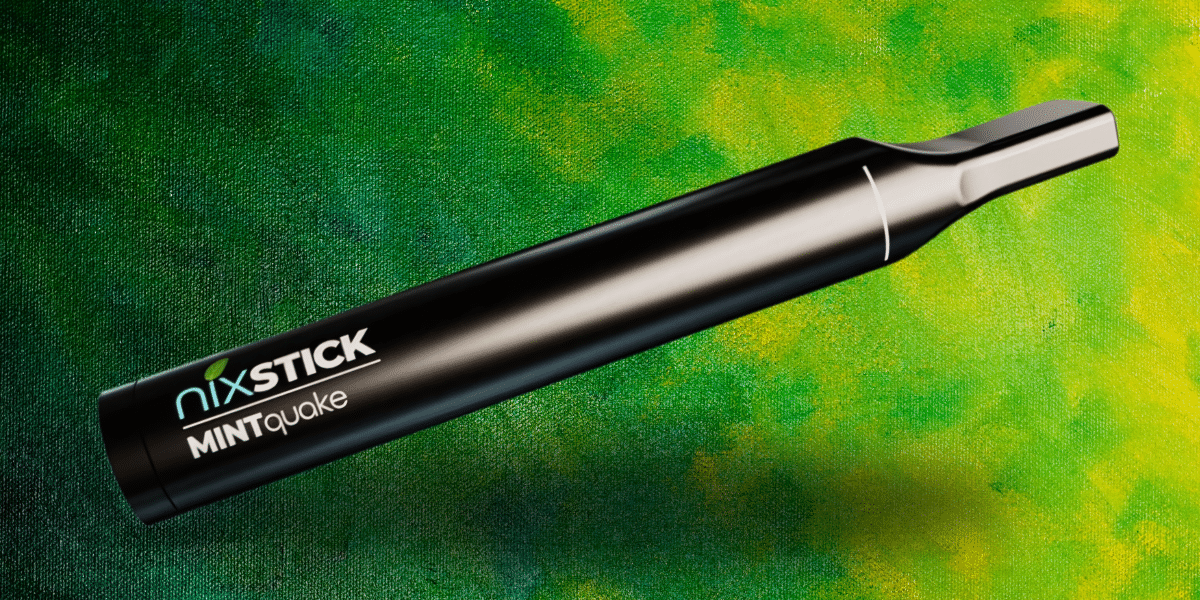
Before the anticipated launch of NIX PEN, the brand had already captivated users with its disposable version, the NIX STICK. Known for its scientific blends, the NIX STICK sets the stage for what’s to come with the NIX PEN. These products are known for their exceptional taste, longevity, quality, and affordability. The secret lies in their proprietary formulations, meticulously crafted to deliver a satisfying experience that rivals the sensory appeal of smoking without its adverse effects.

NIX PEN’s dedication to health extends beyond its product line. A portion of every sale is donated to lung cancer research, underscoring the company’s commitment to combating the ailments its products seek to prevent. This philanthropic initiative reflects a more profound mission: contributing to a healthier society while providing individuals with tools to reclaim control over their habits.

NixPen: A Breath of Fresh Air in the Fight Against Addictions

Photo Courtesy: Nix

The Luxury of Choice: NIX PEN vs. NIX STICK

The forthcoming NIX PENrepresents the epitome of luxury in addiction therapy devices. Its innovative design and enhanced features promise a superior experience to its predecessor, the NIX STICK. While both products share the core principle of offering a healthy inhalation experience, the NIX PEN is set to redefine expectations with its advanced technology and sleek design. Consumers looking for an elegant solution to their addiction therapy needs may find the NIX PEN an irresistible option.

Looking Ahead: The NIX PEN Revolution

As the release date of NIX PEN draws nearer, the anticipation among health-conscious consumers and wellness enthusiasts continues to build. This cutting-edge device is poised to revolutionize the way people think about addiction therapy, offering a luxurious yet health-focused alternative to traditional methods. The NIX PEN is not just a product; it’s a statement—a declaration that it’s possible to enjoy the rituals associated with smoking in a way that is safe, satisfying, and socially responsible.

NIX PEN is more than just a brand; it’s a movement towards a healthier, happier lifestyle. By reimagining the approach to addiction therapy, NIX PEN sets a new standard in the pursuit of well-being. Its innovative products, backed by a commitment to health and community, offer a promising path for individuals looking to break free from harmful habits. As one awaits the launch of the NIX PEN, one thing is clear: the future of addiction therapy is bright and flavored with the essence of positive change.


Published By: Aize Perez

Cy Kass: Meet the Son of Alex Wagner and Sam Kass

Cy Kass is the son of Alex Wagner and Sam Kass. Alex Wagner is a well-known journalist who has been on the news, while Sam Kass is a former White House chef. Given his parents’ professional careers and sometimes public appearances, he may be referenced in the media or on social media, but he most likely lives a somewhat private life away from the spotlight. Let’s know more about him;

His Parents:

Cy Kass: Meet the Son of Alex Wagner and Sam Kass

Photo Courtesy: slikmagazine.com

His mother, Alexandra Swe Wagner, has a varied history that includes Burmese, German, and Irish ancestry. Wagner attended Brown University, where she got a Bachelor’s degree. Her career in journalism began with positions such as cultural reporter for the progressive political magazine. Later, she became the White House reporter for Politics Daily and the executive director of the Not On Our Watch Project, a human rights group. His father, Sam Kass, is well known for his culinary skills and nutrition policies. He rose to fame as the former White House chef. Kass’s interest in food and nutrition prompted him to take a key part in his efforts, which attempted to reduce youth fat. Before joining the White House, Kass worked as the Obamas’ chef while they lived in Chicago. His cooking abilities and dedication to promoting healthy eating habits established him as a key figure in nutrition policy. In addition to his work in the public sector, Kass has contributed to numerous media outlets.

Cy Kass Education:

Given his father’s background as a former White House chef, he was likely born into a diverse family and grew up in an environment that valued education, culture, and possibly an appreciation for healthy eating and nutrition. Cy Kass, like many other notable celebrities’ kids, may live a reasonably quiet existence away from the spotlight. To give him a sense of normalcy and privacy, information about his early life, schooling, and personal hobbies are often kept out of the public eye.

How Cy Kass Lives Private Life?

Cy Kass: Meet the Son of Alex Wagner and Sam Kass

Photo Courtesy: slikmagazine.com

Cy Kass, the child of notable public personalities Alex Wagner and Sam Kass, is probably used to living quietly away from the severe monitoring of the media and public attention. Given his parents’ prominent jobs in media, Cy Kass’ upbringing may have fostered in him a strong regard for privacy and normality. One method he may safeguard his privacy is to minimize his public appearances and avoid activities or circumstances that may attract media attention. Furthermore, he may have a low profile on social media networks, preferring to use private accounts to limit who may see his postings and personal information. His parents most certainly play an important part in safeguarding his privacy, making efforts to keep him from disclosing.

Furthermore, Cy Kass’ upbringing most likely emphasizes the value of education and personal growth. Despite the emphasis on his parents, they are likely to prioritize giving him a normal childhood, enabling him to pursue hobbies and interests away from public observation. His interactions with the media are likely to be chosen, maybe directed at promoting causes or initiatives that he is enthusiastic about. Overall, he is likely to have the chance to grow and develop in a peaceful environment, away from public inspection, owing to his parents’ determined efforts and dedication to safeguarding his privacy.

Summary:

To summarize, Cy Kass, the son of Alex Wagner and Sam Kass, most certainly lives a quiet existence away from the public eye, despite his parents’ renowned careers in media and nutrition policy. Cy, who was raised in an environment that values education, culture, and privacy, is likely to have had a typical upbringing free of undue media attention. His parents’ attempts to protect his privacy and give him opportunities for personal development let him thrive away from public observation. Overall, he strikes a compromise between his family’s public image and his desire for a quiet, private existence. If you have any questions concerning Cy Kass or his family, please leave a comment; Slik Magazine will keep you updated as new information becomes available.


Published By: Aize Perez