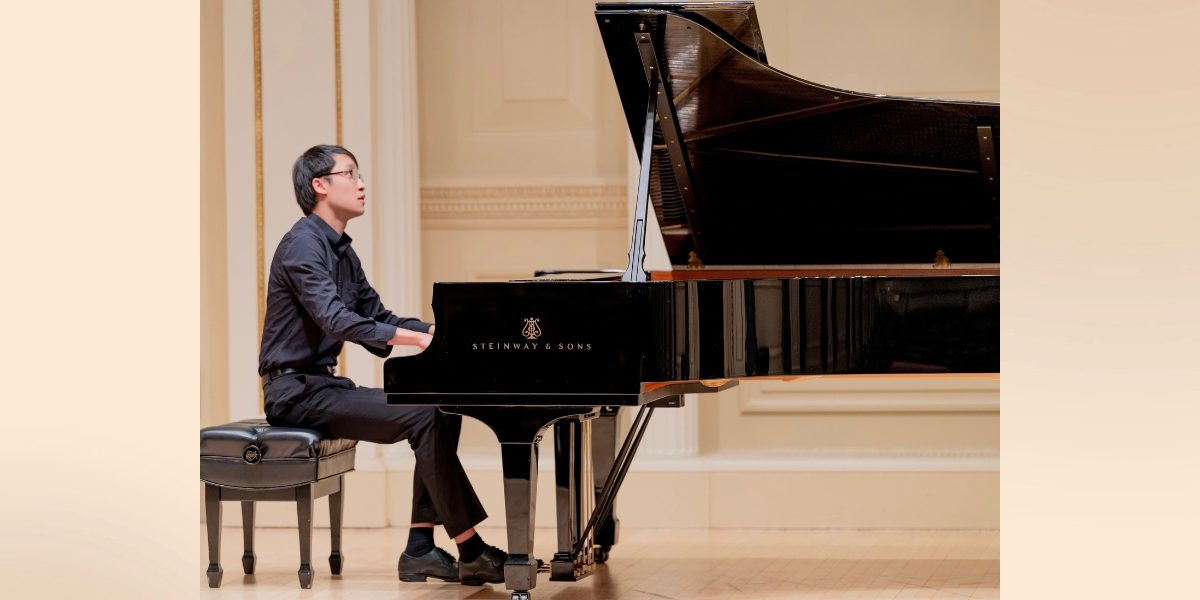

In an era where technical brilliance alone is no longer enough to distinguish a concert artist,
pianist Joseph Wong has built his reputation through an uncommon combination of virtuosity,
intellectual curiosity, and unwavering commitment to the great traditions of classical piano
performance. His career reflects not only the discipline required of today’s international concert
pianist, but also the cultural perspective of an immigrant artist whose musical identity has been
shaped across continents.
Originally from Hong Kong and now based in the United States, Wong represents a new
generation of concert pianists whose artistic vision extends beyond national boundaries. While
his life journey spans East and West, his musical lineage is firmly rooted in the Russian piano
tradition, one of the most influential schools of pianism in history. That tradition, known for its
emphasis on tonal richness, structural clarity, and emotional depth, continues to define Wong’s
approach to every performance.
Rather than pursuing technical display for its own sake, Wong has devoted his career to
presenting the great masterpieces of the piano literature with artistic integrity. His repertoire
encompasses works by Bach, Beethoven, Brahms, and Rachmaninoff, demanding not only
formidable technique but also a sophisticated understanding of musical architecture and
Interpretation.
Wong’s performances have earned invitations to distinguished venues, including a recent
appearance in Washington, D.C., where he was invited to perform at the National Methodist
Church. There, he presented Sergei Rachmaninoff’s monumental Piano Sonata No. 2 before an
audience in the nation’s capital. The invitation represented another significant milestone in his
growing concert career and reflected the confidence that presenters have placed in his artistry
and musicianship.
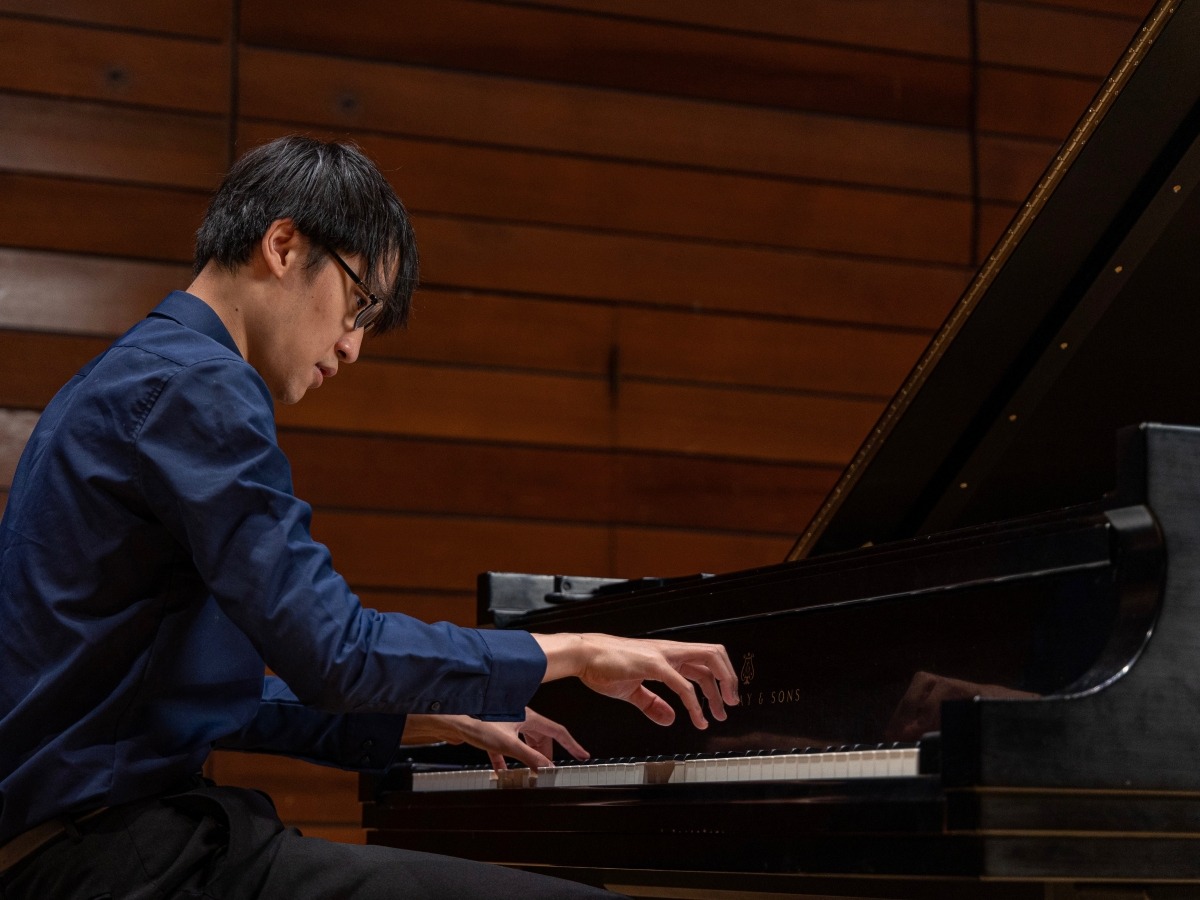
For Wong, however, performing great music is only part of the artistic journey. He believes that
today’s concert pianist also bears a responsibility to engage deeply with the repertoire through
study and thoughtful interpretation.
This philosophy is perhaps best illustrated by his ongoing work with Rachmaninoff’s Second Piano Sonata.
Unlike most major piano works, the sonata survives in two official versions: the expansive 1913 original and the substantially revised 1931 edition. For decades, performers have debated which version best represents the composer’s artistic vision. Rather than viewing the question as a choice between one edition or the other, Wong undertook an extensive comparative study of both scores.
The result is a carefully developed hybrid performance realization that draws upon selected
passages from each edition while preserving the dramatic continuity and structural integrity of
the work. His approach is inspired by the long-standing performance tradition surrounding the
sonata, while reflecting years of score analysis, performance experience, and musical refinement.
Far from seeking novelty, Wong’s objective has been to deepen audiences’ appreciation of one of Rachmaninoff’s greatest compositions. Every editorial decision is guided by musical logic, historical awareness, and fidelity to the composer’s language. The project exemplifies how performance and scholarship can complement one another within the career of a modern concert pianist.
Wong’s artistic identity has also been shaped by the experience of immigration. Relocating to the United States provided opportunities to continue building a concert career while contributing to America’s vibrant cultural landscape. At the same time, he has remained deeply connected to the Russian pianistic tradition that has profoundly influenced his musical philosophy. That unique combination of Eastern heritage, Russian artistic lineage, and American professional experience has produced an interpretive voice that is distinctly his own.
Colleagues have noted Wong’s commitment to continual artistic development. Beyond the
concert stage, he continues to expand his repertoire, refine his interpretations, and pursue
ambitious musical projects that challenge both performer and audience alike. His preparation
reflects the rigorous discipline long associated with the world’s leading concert pianists, where
every recital is the culmination of extensive study, technical refinement, and artistic reflection.
As classical music continues to evolve in the twenty-first century, Wong represents a generation
of artists who recognize that meaningful performance extends beyond flawless execution.
Today’s concert pianist must preserve the traditions of the past while presenting them with
authenticity and relevance for modern audiences.
Whether interpreting the contrapuntal complexity of Bach, the architectural mastery of
Beethoven, the virtuosity of Brahms, or the sweeping lyricism of Rachmaninoff, Joseph Wong
approaches each performance with the same guiding principle: to honor the composer’s
intentions while communicating the music with depth, sincerity, and artistic conviction.
With an expanding performance profile, invitations to distinguished venues, and ongoing artistic
projects that combine performance with thoughtful musical inquiry, Joseph Wong continues to
establish himself as a concert pianist dedicated to preserving and advancing the enduring legacy of the classical piano tradition.