Doug Sinclair Makes North Carolina Real Estate Math Easier to Understand

The forthcoming handbook offers clear examples and realistic practice for pre-license students, instructors, and working brokers.

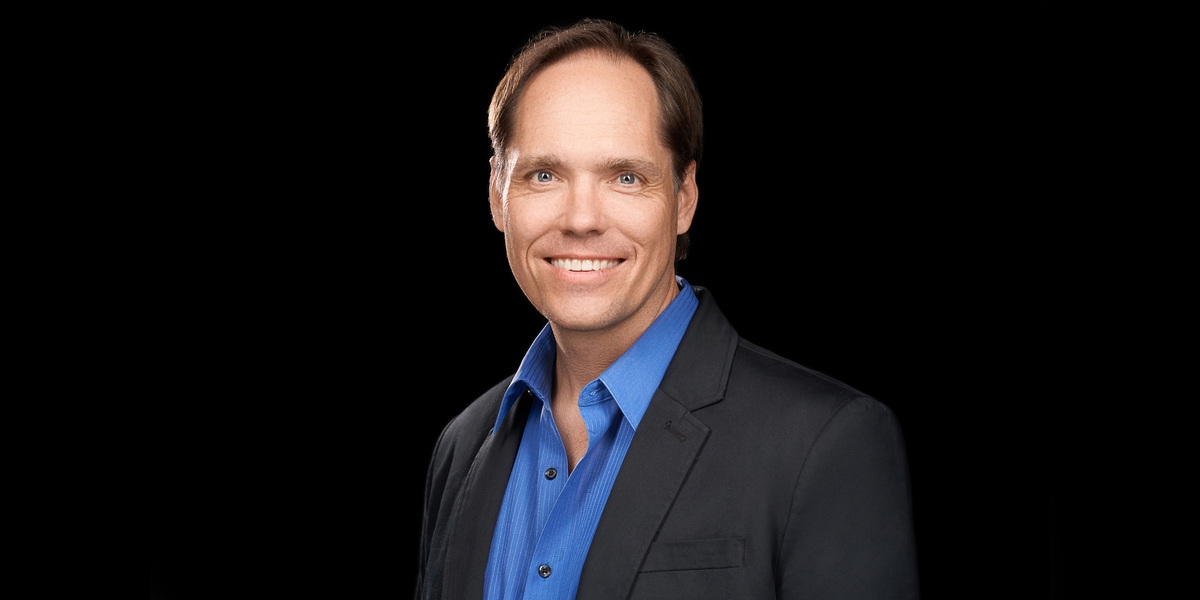
Blue Crown Books announces the forthcoming release of NC Real Estate Math by educator Doug Sinclair, a practical handbook designed to help readers understand the calculations used in North Carolina real estate education, licensing preparation, and everyday transactions.

The book begins with a straightforward idea: many real estate math difficulties come from misunderstanding what a question is asking. Readers are encouraged to slow down, identify the requested result, organize the useful facts, and write each step.

Topics include area and lot size, commissions, transfer fees, seller net calculations, taxation, conventional loan qualification, loan costs, interim interest, and prorations involving taxes, homeowners association dues, and rent.

Davies and Sinclair first developed a separate real estate math workbook after hearing students ask for focused help. They printed two hundred copies and brought them to an educators’ conference in Wilmington in 2017, where every copy was taken. Their examples were later incorporated into broader instructional material, but students continued requesting a portable publication devoted specifically to math.

The new handbook has been reformatted to be easier to carry and use. Student review helped the authors confirm that the examples were understandable and the problems could be solved as written. Sinclair also draws on years of teaching college mathematics and his belief that math can be made less daunting when the process is clear.

The publication is intended for North Carolina pre-license students, real estate instructors, new brokers, and professionals who want a convenient review of common calculations. It also addresses practical testing habits, including careful reading and familiarity with a simple calculator rather than a phone or programmable device.

The official publication date, pricing, and availability for NC Real Estate Math will be announced separately by Blue Crown Books.

About the Authors

Doug Sinclair is a real estate educator and original author of a pre-license math workbook created in response to student demand. Sinclair also taught college mathematics for many years.

Author Name: Doug Sinclair

Book Title: NC Real Estate Math

Published by: Blue Crown Books

Your Complete Guide to Buying Skincare and Booking Facials Across New York City

New York City has long been a global epicenter for beauty innovation, and its skincare scene is no exception. From boutique facial studios tucked into Brooklyn brownstones to sleek Manhattan apothecaries stocking the latest Korean actives, the city offers an almost overwhelming array of options for anyone serious about their skin. Whether you are a longtime skincare devotee or just beginning to build a routine, knowing where to shop and where to book treatments can make all the difference. This guide breaks down the best ways to navigate NYC’s thriving skincare landscape, from discovering local brands to finding the right esthetician for your skin type.

Why NYC Is a Skincare Capital Worth Exploring

There is something uniquely energizing about the way New Yorkers approach skincare. The city’s diversity, in climate, lifestyle, and culture, has created a demand for products and treatments that actually work across a wide range of skin tones, textures, and concerns. NYC-based brands tend to be formulated with real urban living in mind: pollution exposure, stress, irregular sleep, and seasonal extremes. This means the products developed and sold here often carry a level of rigor and intentionality that sets them apart from mass-market alternatives. Shopping local in New York is not just a feel-good choice, it is often a smarter one for your skin.

The Rise of Independent Skincare Boutiques

Over the past decade, independent skincare boutiques have flourished across all five boroughs. These are not your average department store beauty counters. Independent shops typically curate their selections with care, favoring clean formulations, transparent ingredient lists, and brands with genuine stories behind them. Many of these boutiques also offer in-store consultations, allowing customers to speak with knowledgeable staff before committing to a product. Neighborhoods like the West Village, Williamsburg, and Nolita have become particularly rich hunting grounds for skincare enthusiasts looking to discover something new.

Discovering Local Skincare Brands That Reflect the City

One of the most rewarding aspects of shopping for skincare in New York is the opportunity to support brands that were born and built in the city. These labels often carry a distinct point of view, shaped by the neighborhoods, communities, and skin concerns of their founders. If you are looking to explore what the local market has to offer, a curated resource highlighting skincare brands NYC shoppers are currently gravitating toward is an excellent starting point. From minimalist formulas to richly layered serums, the range of what NYC-based brands offer is genuinely impressive and continues to grow.

What Makes a NYC Skincare Brand Stand Out

The best local brands tend to share a few defining qualities. They are typically founded by people with deep personal connections to skincare, whether through professional esthetics training, dermatology, or lived experience navigating difficult skin conditions. They prioritize ingredient transparency and are often ahead of national trends when it comes to incorporating innovative actives like bakuchiol, niacinamide, or adaptogenic botanicals. Many also reflect the cultural richness of New York itself, drawing on traditions from Korean beauty, Ayurvedic practice, Caribbean herbalism, and beyond.

Skincare as a Ritual, Not Just a Routine

There is a growing movement within the skincare world that encourages people to think beyond products and consider the emotional and psychological dimensions of caring for their skin. This perspective, that skincare can be a genuine act of self-respect and confidence-building, has resonated deeply with New Yorkers who often live at a relentless pace. The idea of slowing down, being intentional, and treating your skincare practice as something meaningful rather than perfunctory is gaining real traction. For a deeper look at how this philosophy is shaping modern skincare culture, this thoughtful exploration of skincare as a ritual of confidence offers valuable perspective on why the practice matters beyond aesthetics.

How Facials Fit Into a Holistic Skincare Practice

Professional facials are one of the most effective ways to complement your at-home skincare routine. A skilled esthetician can assess your skin in ways that no mirror or selfie can replicate, identifying congestion, dehydration, or sensitivity that you might not have noticed. In New York, facial studios range from no-frills treatment rooms focused purely on results to luxurious spa environments designed to offer a full sensory escape. The key is finding a provider whose approach aligns with your skin goals, whether that means a clinical extraction session, a hydrating lymphatic massage, or a cutting-edge LED light therapy treatment.

Where to Book Facials in New York City

Booking a facial in NYC can feel daunting given the sheer number of options, but a few strategies can help you narrow things down. Start by identifying your primary skin concern, whether it is acne, hyperpigmentation, aging, or general maintenance, and look for estheticians who specialize in that area. Reading reviews on platforms like Yelp or Google is helpful, but word-of-mouth recommendations from people with similar skin types tend to be even more reliable. Many studios now offer introductory appointments or skin consultations at reduced rates, which is a smart way to evaluate a provider before committing to a full treatment.

Neighborhoods Known for Exceptional Facial Studios

Certain neighborhoods have developed strong reputations for their concentration of quality facial studios. The Upper East Side has long been associated with medical-grade treatments and dermatologist-adjacent services. Tribeca and SoHo tend to attract high-end wellness-focused studios with a more holistic approach. Meanwhile, Brooklyn, particularly Park Slope, Greenpoint, and Crown Heights, has seen a surge of independent estheticians offering personalized, community-oriented services at more accessible price points. No matter where you are in the city, a great facial is rarely more than a few subway stops away.

Building a Routine That Works for NYC Living

Shopping for products and booking facials are only two pieces of the puzzle. The foundation of healthy skin is a consistent daily routine tailored to your specific needs. For those just getting started or looking to refine their approach, understanding the core principles of layering products, choosing the right actives, and protecting the skin barrier is essential. A well-researched guide to building an effective skincare routine can help demystify the process and give you a clear framework to work from, regardless of your budget or experience level.

Adapting Your Routine to NYC’s Seasonal Changes

One of the most overlooked aspects of skincare in New York is the need to adapt your routine as the seasons shift. The humid summers can exacerbate oiliness and breakouts, while the dry, heated indoor air of winter months can strip the skin of essential moisture. Savvy New Yorkers often maintain two versions of their routine, a lighter, more mattifying approach for warmer months and a richer, barrier-focused regimen for the colder season. Paying attention to how your skin responds to environmental changes, and adjusting accordingly, is one of the hallmarks of a truly informed skincare practice.

Final Thoughts on Navigating NYC’s Skincare Scene

New York City rewards those who take the time to explore its skincare offerings with intention. The combination of world-class local brands, talented independent estheticians, and a culture that genuinely values self-care makes it one of the best cities in the world to invest in your skin. Whether you are stocking up on products from a neighborhood boutique, booking your first professional facial, or simply refining a routine that has served you well for years, the resources available across the five boroughs are unmatched. Take the time to discover what the city has to offer, your skin will thank you for it.

On Recovery, And Why It’s Never One-Size-Fits-All

By: Aman Jalan

A conversation with Aurelia Eneide, Founder and CEO of Vein Clinic Brescia

When People Hear “Recovery,” What Do You Think They Usually Get Wrong?

They picture something that happens after the fact, after the workout, after the surgery, after the long flight or the long week. Something you do once the real work is over. I’ve never seen it that way. Recovery isn’t the afterthought. It’s the part of the process that decides whether everything else you’ve done actually holds.

You can give someone the best treatment in the world, the most advanced technology, the most carefully designed protocol, and still watch it underperform, because recovery was treated as optional. In my experience, it’s the opposite. Recovery is where the results are made. It’s where circulation actually improves, where inflammation actually resolves, where the body is given the conditions it needs to repair itself instead of simply being pushed further.

You Talk A Lot About The Individual Coming Before The Protocol. Why Does That Matter So Much To You?

Because no two people recover the same way. Two patients can walk in with what looks, on paper, like the identical issue, same symptoms, same history, similar age and lifestyle, and still need entirely different approaches. One person’s body responds quickly to compression and needs more support around inflammation. Another needs the opposite emphasis, more time, a gentler pace. Someone recovering from a procedure has different needs than someone maintaining performance, and someone maintaining performance has different needs depending on what they’re actually asking their body to do that week.

A protocol is a starting point, never a conclusion. The moment we stop looking at the person in front of us and start just running the standard sequence, we’ve already lowered the quality of care. So every plan we build starts with a simple, unglamorous question: what does this person’s body actually need right now, not what does the textbook case need?

Is That Why The Clinic Invests In So Many Different Technologies Rather Than Settling On One?

Exactly. That’s not a marketing line; it’s the reason. Compression therapy, photobiomodulation, microcirculation stimulation, regenerative physiotherapy, cryotherapy, different bodies, and different moments in the same body’s life call for different tools.

The technology serves the individual. Never the other way around.

You’ve Said Before That Recovery Used To Mean “Doing Less.” Has That Changed?

Completely, and it needed to. For a long time, recovery meant lying down, waiting, letting time do the work. That idea is outdated. The body doesn’t recover simply because it’s been left alone; it recovers because the right physiological processes have been actively supported: circulation, lymphatic drainage, cellular oxygenation, tissue repair.

That’s the shift we’ve built the clinic around. Recovery today isn’t passive; it’s technologically active. Compression therapy works with the body rather than waiting on it. Photobiomodulation engages the body’s own processes rather than hoping rest gets there eventually. Microcirculation therapy meets the body where sluggish rest alone would leave it untouched. Even cryotherapy, which looks passive from the outside, is an active intervention, not a break from one.

So when I talk about recovery, I don’t mean stepping back. I mean stepping in, deliberately, with tools precise enough to work with the body instead of just waiting on it.

What Does That Actually Look Like Day-To-Day, For A Patient?

A few things, always: we listen before we treat; the first session is about understanding, not intervening. We adjust as we go, because a plan that doesn’t change as the person changes isn’t really personalized; it’s just labeled that way.

We treat recovery as clinical, not cosmetic: feeling good matters, but it’s a signal of something real happening underneath, better circulation, less inflammation, a nervous system that isn’t stuck in overdrive. And we measure what matters to that person, because progress looks different for a patient managing a vascular condition than it does for someone maintaining an athletic training load. We don’t collapse those into the same success metric.

If You Had To Sum Up The Philosophy In One Idea, What Would It Be?

That recovery, done properly, isn’t a luxury add-on to healthcare or performance. It’s the mechanism by which the body is allowed to actually use everything else we’ve given it. And because every body arrives with its own history, its own pace, and its own needs, the only approach that respects that is one built around the individual, not the average. That’s the standard we hold ourselves to, in Italy and everywhere this way of working travels next.

Ultimately, what we want is simple to say and hard to deliver: to help people stay in a state of absolute health, not just recover from the absence of it.

There’s more coming, too, quietly, for now. Some of what we’re working on next could change what “standard of care” even means, in health and in performance. More on that when it’s ready.

Disclaimer: This article is for informational purposes only and does not constitute medical advice, diagnosis, or treatment. Recovery therapies may not be appropriate for everyone and individual results may vary. Readers should consult a qualified healthcare professional before beginning any treatment or recovery program.

Staff Augmentation, Outsourcing, or Managed Services and How to Choose With a Cost Breakdown

When an engineering team needs more capacity, the choice of how to add it matters more than most managers realize. “We’ll just outsource it” and “let’s bring in some contractors” sound similar but describe very different arrangements, with very different levels of control, cost, and risk. Pick the wrong model and you either micromanage a vendor you should have trusted, or lose visibility over work you needed to steer. This article lays out the three main models honestly: staff augmentation, project outsourcing, and managed services, with a comparison table, a real cost breakdown, and a checklist for deciding which fits your situation.

Three Models Explained

The three models sit on a spectrum of how much you hand over. Staff augmentation adds individual engineers to your existing team; they work under your management, in your tools, on your roadmap. You direct the work day-to-day; you have simply added hands and skills. Project outsourcing hands a whole, defined project to a vendor who manages delivery and returns an outcome; you care about the result, not the how. Managed services go furthest: a provider runs an entire function for you against agreed goals and service levels, and you stay hands-off.

None is inherently better. They answer different questions. The mistake is choosing by habit or by whichever a salesperson pitched, rather than by how much control you actually want to keep.

Comparison: Control, Cost, Speed, Risk

Photo Courtesy: Unsplash.com

The Real Cost: In-House Vs An Augmented Team

Managers often compare an augmentation rate to an in-house salary, see the rate is higher, and stop there. That’s misleading, because a salary hides costs the rate already includes: recruitment fees (or the weeks your team spends interviewing), payroll taxes and benefits (often 20–40% on top of salary), equipment and software, a manager’s time for hiring and onboarding, and the weeks an employee sits idle between projects, still fully paid. Add the two-to-three months before a new hire ships a line of code, and the fully-loaded cost of an in-house hire usually meets or beats an augmentation rate, without the freedom to scale down when the work does. The fair comparison is fully-loaded cost against fully-loaded cost, not rate against bare salary.

A Worked Cost Example

Numbers make it concrete, so here’s an illustrative calculation (round figures, adjust to your market). Say a mid-level developer’s salary is $70,000 a year. Add about 30% for taxes, benefits, and paid leave, roughly $21,000. Add a recruitment fee of around $10,000, plus $5,000 for equipment, software, and a laptop. Add a slice of a manager’s time; call it $8,000. Before you count a single day of downtime, you’re already near $114,000, against an advertised salary of $70,000. A senior augmented engineer on a monthly rate can land at a similar annual figure, but with none of that overhead on your books and the freedom to stop the moment the project ends.

And that ~$114,000 still ignores the weeks between projects when the hire is paid but under-used, and the two to three months before they ship anything. Once all of that is on the table, the fully-loaded cost of the in-house hire typically meets or beats the augmentation rate, and augmentation keeps a flexibility the salary doesn’t, because you can scale it down the moment the work does. This is why the sticker-price comparison misleads so reliably: it sets an all-inclusive rate against a bare salary, calls the salary cheaper, and quietly ignores everything the salary doesn’t show. Run your own numbers on a fully-loaded basis before you decide.

How To Run A Low-Risk Trial

Whatever model you lean toward, you do not have to commit blind. A short, paid trial de-risks the decision more than any sales call. Define a small, real piece of work with clear acceptance criteria, something you can genuinely judge in two to four weeks. Watch not just whether the code works, but how the team communicates: do they ask good questions, flag problems early, and fit your process? Confirm that working hours overlap enough for same-day answers. Keep the option to replace a poor-fit person without penalty. A partner confident in their people will happily start this way; reluctance to trial is itself a useful signal.

When Each Model Wins

A quick rule of thumb: choose by what you are missing. If you know exactly what to build and simply need more hands or a specific skill, staff augmentation fits; you keep control and add capacity. If you have a well-defined project but neither the people nor the desire to manage it, outsourcing fits. If you want an ongoing function, support, infrastructure, a whole product line, run for you against SLAs, managed services fit. The clarifying question is always the same: do you want to direct the work, hand over a result, or hand over a responsibility?

Onboarding An Augmented Engineer Well

Augmentation fails most often not because the engineer is weak but because the onboarding was thoughtless. Treat an augmented engineer like a new hire, because functionally they are one. Give them access to repositories, the backlog, documentation, and communication channels on day one, not day five. Pair them with someone on your team for the first week so questions get answered fast. Start them on small, scoped tickets that build context before handing over anything critical. And set the reporting rhythm explicitly, daily stand-up, weekly summary, whatever suits , so expectations are clear from the start. Teams that invest a focused week here get a productive contributor by week two; teams that throw someone in cold spend a month wondering why it is not working.

Red Flags When Choosing A Partner

Not every provider is worth a trial. A few warning signs worth heeding: they cannot or will not let you interview the actual engineers before you commit; they resist a small paid trial and push for a long contract immediately; their working hours barely overlap yours yet they promise seamless collaboration anyway; and they answer questions about their process with marketing language instead of specifics. A good partner is comfortable being tested on their people, their communication, and their work, because that is where they are strong. Discomfort with scrutiny early is rarely a problem that improves once the contract is signed.

Hidden Risks And How To Mitigate Them

Every model carries risks worth naming up front. With outsourcing and managed services, knowledge can walk out the door when the contract ends; mitigate it by insisting on documentation and shared repositories from day one. Time-zone gaps can slow everything down; prefer partners with genuine working-hour overlap so questions get answered the same day, not the next. Quality is the universal risk; mitigate it with a small paid trial, clear acceptance criteria, and the right to replace a poor-fit engineer. With augmentation specifically, the risk is on your side: it only works if you actually manage the people, so it suits teams with the bandwidth to lead.

A Checklist To Pick Your Model

  • Do you know precisely what needs building? Yes → augmentation or outsourcing. No → discovery first.
  • Do you want to manage the work day-to-day? Yes → augmentation. No → outsourcing or managed services.
  • Is the need defined and finite, or ongoing? Finite project → outsourcing. Ongoing function → managed services.
  • Do you have management bandwidth right now? Plenty → augmentation works well. Thin → lean toward a model where the vendor manages.
  • How important is scaling up and down quickly? Very → augmentation offers the most flexibility.

Where To Start

If the checklist points you toward adding senior engineers under your own management, the practical first step is a short conversation with a provider about the specific roles, seniority, and time-zone overlap you need, plus a small trial before any long commitment. Providers such as Peppernode offer team extension on exactly this basis: vetted engineers who join your stand-ups and tools with US and UK working-hour overlap, and most reputable firms will happily start with a trial engagement so you can confirm the fit before scaling. Whichever partner you choose, judge them on the trial, not the pitch.

One nuance worth adding: these models aren’t mutually exclusive across a company. Many teams run a stable in-house core for the work that defines them, augment it with external engineers when demand spikes or a specific skill is missing, and outsource a self-contained side project no one on the team has time to own. Thinking in terms of a portfolio rather than a single choice is often the most cost-effective approach, because it matches each piece of work to the model that fits it instead of forcing everything through one arrangement.

The Takeaway

There is no universally best way to add engineering capacity, only the model that fits how much control you want to keep and how well-defined the work is. Decide that first, compare costs on a fully-loaded basis rather than rate against salary, and start small. Get those three things right, and the model almost picks itself.

Disclaimer: The cost figures and comparisons in this article are illustrative and may vary based on location, provider, project scope, employment costs, and contract terms. Readers should conduct their own assessment before making staffing or outsourcing decisions.

Industrial Plumbing and Commercial Mechanical Contracting Services

Modern commercial and industrial properties rely on dependable mechanical infrastructure to keep everyday activities running smoothly. Heating, cooling, water distribution, drainage, and other essential systems must be properly planned and coordinated. Companies such as Binsky Mechanical provide mechanical contracting solutions covering commercial HVAC, plumbing, emergency services, and major construction projects. Their experience with industrial plumbing supports businesses and facilities that need dependable building systems, combining engineering knowledge, skilled workmanship, modern technology, and organised project management to complete work efficiently and within planned budgets and schedules.

Understanding Commercial Mechanical Contracting

Commercial mechanical contracting involves the design, installation, maintenance, replacement, and repair of the systems that support a commercial building. It is a broad field that can include heating and cooling equipment, plumbing networks, boilers, water heaters, drainage systems, process piping, and other specialised mechanical installations.

Every commercial property has different requirements. An office building may need efficient climate control and standard plumbing, while a manufacturing facility or healthcare building can require much more specialised infrastructure. Mechanical contractors must understand these differences and coordinate their work with architects, engineers, construction teams, and facility managers.

Effective coordination is particularly important during construction because plumbing, ductwork, electrical components, and structural elements often occupy the same areas. Proper planning can reduce installation conflicts and make future servicing easier.

The Role of Industrial Plumbing

Industrial plumbing is a specialised area of mechanical construction that supports facilities where water, drainage, or process piping plays an important role in daily operations.

Industrial environments can place greater demands on plumbing systems than typical residential or small commercial properties. Some facilities may require piping capable of handling high temperatures, significant pressure, specialised fluids, or demanding operating conditions. Materials and installation methods must therefore be selected according to the requirements of each application.

Industrial plumbing can cover a variety of systems, including water distribution, drainage, sewer infrastructure, process piping, compressed air, specialty gases, high-purity systems, and connections for industrial equipment.

Because these systems can directly affect production and facility operations, proper design and installation are essential. A well-planned system can improve reliability while making inspection, maintenance, and future modifications more manageable.

Commercial HVAC and Plumbing Working Together

HVAC and plumbing systems frequently interact within commercial buildings. Heating equipment may depend on boilers and hot-water systems, while cooling equipment can require drainage and water-management solutions.

Coordinating HVAC and plumbing installations from the early stages of a project helps ensure that equipment and pipework are positioned correctly. It can also prevent problems caused by limited access or overlapping mechanical services.

Mechanical contractors often collaborate with other construction professionals to coordinate equipment locations, pipe routes, ductwork, maintenance areas, and service connections. This integrated approach can help create a more organised mechanical system and simplify future maintenance.

Emergency Mechanical Services

Mechanical problems can become disruptive when they occur unexpectedly. A damaged water line, blocked sewer, failed water heater, or serious HVAC breakdown may interfere with normal business operations and potentially cause additional property damage.

Emergency mechanical services are designed to address these situations as quickly as practical. A qualified contractor can investigate the source of the problem, determine which systems have been affected, and carry out the necessary repairs.

For commercial and industrial properties, emergency response can be particularly important because mechanical failures may affect employees, customers, equipment, production processes, or building operations. Having access to experienced service professionals can help facilities respond more effectively when unexpected problems occur.

Technology in Mechanical Construction

Technology is playing an increasingly significant role in modern mechanical construction. Digital planning tools, Building Information Modeling, virtual construction, and other coordination technologies can help project teams understand complex mechanical installations before physical work begins.

Building Information Modeling can provide a detailed digital representation of a building and its systems. Contractors can use these models to review the positioning of pipes, ducts, equipment, and structural components. Identifying potential conflicts during the planning stage can reduce the need for costly changes during construction.

Modern digital tools can also improve communication between project participants and help teams maintain better documentation throughout the construction process.

Prefabrication and Project Efficiency

Prefabrication is another approach that can improve the organisation of large mechanical projects. Instead of completing every assembly directly at the construction site, selected components can be prepared in a controlled environment before being transported for installation.

This method can reduce the amount of cutting, fitting, and assembly required on site. It may also help minimise congestion in busy construction areas and provide greater consistency across repeated installations.

For large commercial or industrial developments, prefabrication can be especially useful when projects involve numerous similar components or strict construction schedules. Better preparation can help installation teams work more efficiently while maintaining the required specifications.

Maintenance and Long-Term Reliability

Mechanical systems require attention even after a construction project has been completed. Preventive maintenance can help identify developing problems before they become major failures and can support the long-term performance of equipment and infrastructure.

Commercial plumbing maintenance may involve checking water lines, drains, water heaters, fixtures, backflow prevention equipment, and other components. HVAC maintenance can include equipment inspections, cleaning, servicing, and replacement of worn parts.

Regular maintenance also gives facility managers an opportunity to identify ageing equipment and plan upgrades before a failure causes significant disruption. A structured maintenance programme can therefore contribute to more predictable operating costs and improved system reliability.

Choosing a Mechanical Contractor

Selecting a mechanical contractor involves considering several factors beyond the ability to complete an installation. Experience with similar facilities, engineering capabilities, safety practices, project coordination, emergency support, and maintenance services can all be relevant.

Commercial and industrial projects can involve complex requirements, multiple contractors, strict schedules, and specialised equipment. Working with an experienced mechanical contractor can help coordinate these different elements and keep the project moving according to its planned requirements.

Binsky Mechanical has extensive experience in mechanical contracting and construction and works across areas such as healthcare, life sciences, education, technology, data facilities, commercial properties, government, and industrial buildings.

Successful mechanical contracting ultimately depends on combining careful planning with practical construction expertise. Whether a facility requires new industrial plumbing, HVAC improvements, emergency repairs, maintenance, or a major mechanical installation, a coordinated approach can help create reliable systems that support building operations over the long term.

Belmont Park Reopens After $555 Million, Three-Year Reconstruction on Long Island

Belmont Park reopened for live thoroughbred racing on September 18, 2026, after a three-year, $555 million reconstruction that replaced the Long Island racetrack’s aging grandstand, rebuilt all four racing surfaces, and repositioned the Elmont facility as a year-round sports and entertainment destination.

Key Takeaways

  • Belmont Park in Elmont, Long Island, reopened on September 18, 2026, after a three-year, $555 million reconstruction funded primarily by a $455 million state loan from the FY24 state budget.
  • The new five-story grandstand spans approximately 300,000 square feet, designed by global sports architecture firm Populous, replacing a 1.25-million-square-foot predecessor built in 1968.
  • Opening day drew a sold-out crowd of 6,000 spectators and generated approximately $14 million in total wagering across a nine-race card.
  • The rebuilt facility includes four new racing surfaces, including an all-weather synthetic track that enables year-round racing at Belmont Park for the first time in its history.
  • Belmont Park will host the 2027 Breeders’ Cup World Championships, bringing the event back to New York for the first time since 2005, and the Belmont Stakes will return from Saratoga Race Course in 2027.
  • State officials project the reopened track will generate $155 million in annual economic output and $10 million in new state and local tax revenue each year.

A $555 Million Reconstruction Backed By State Investment

The reconstruction project centered on two major components: a $455 million new grandstand and $100 million in track renovations. Funding came primarily through a $455 million state loan secured by Governor Kathy Hochul in the FY24 Enacted State Budget. The New York Racing Association, the nonprofit corporation franchised by the state to operate thoroughbred racing at Belmont Park and Saratoga Race Course, oversaw the project in partnership with Populous, the global architecture firm that served as lead designer, and AECOM-Tishman, the construction project manager.

The old Belmont Park grandstand, which had stood since 1968 and spanned approximately 1.25 million square feet, was demolished in April 2024. Groundbreaking for the new structure followed in September 2024, with roughly 300 construction workers on site daily and a support staff of 100 throughout the build. State and racing officials said the project created 3,700 union construction jobs and more than $1 billion in construction-related economic activity.

A Smaller Footprint With Expanded Public Access

The new five-story grandstand spans approximately 300,000 square feet, a dramatic reduction in building size that serves a deliberate purpose. By shrinking the structure’s footprint, Belmont Park gained expanded green space, a larger paddock, and a public infield open to spectators for the first time in the racetrack’s history. The building’s facade features 869 glass panels and 3,568 aluminum panels, with 620 televisions installed throughout the interior. Three LED video boards are positioned across the facility, including a main infield screen standing 65 feet high.

Governor Hochul, who joined NYRA officials and labor representatives for the ribbon-cutting ceremony, described the redesigned grandstand as a facility built around openness and natural light. The first two floors of the grandstand were accessible on opening day, with bars and restaurants on the ground floor available through general admission and the second-floor Turf Club Lounge and Restaurant, featuring menus curated by chef Marc Forgione, requiring advance reservations. NYRA plans to complete the upper floors of the grandstand over the coming months, with the full interior expected to open in the first quarter of 2027.

Four Racing Surfaces Enable Year-Round Competition

Beyond the grandstand, the reconstruction included a complete overhaul of Belmont Park’s racing surfaces. NYRA renovated the existing main dirt track and two turf courses and added a new all-weather synthetic Tapeta surface. The synthetic track is designed primarily for winter racing between December and March, making Belmont Park capable of hosting year-round competition for the first time in its history. The addition carries broader implications for New York racing: Aqueduct Racetrack in Queens, which had hosted NYRA’s winter meets for decades, closed permanently on June 28, 2026, after more than 130 years of operation. The new Belmont Park is now the full-year replacement.

NYRA’s 2026 fall meet at Belmont Park runs through December 6. After opening day’s capacity of 6,000, the facility will temporarily operate at 4,000 spectators beginning September 24 while finishing work continues on the upper levels.

Opening Day Delivered A Sold-Out Card And International Competition

The September 18 reopening, billed as Belmont Park’s “Return to Racing,” featured a nine-race card that drew a sold-out crowd and generated approximately $14 million in total wagering. Lisa Joy, a British-bred filly owned by Andrew Rosen and trained by Hall of Fame trainer Shug McGaughey, won the day’s first race, a 1¼-mile maiden event under jockey Antonio Fresu. The featured race, the Grade 1 Jockey Club Gold Cup carrying a $1 million purse, drew international attention when Forever Young, trained by Yoshito Yahagi and owned by Susumu Fujita, won under jockey Ryusei Sakai. Country music artist Dierks Bentley performed live as part of the reopening celebration.

Economic Projections And Marquee Events Anchor Belmont Park’s Future

State officials project the rebuilt Belmont Park will generate $155 million in annual economic output and produce $10 million in new state and local tax revenue per year. Those figures represent forward-looking estimates tied to year-round operations, expanded event hosting, and increased wagering activity at the modernized facility. The projections align with the broader economic pattern of professional sports venues generating sustained business activity across New York, where tourism, hospitality, and local retail spending tend to increase around major sporting destinations.

Two marquee events further anchor the economic case. The Belmont Stakes, the final leg of horse racing’s Triple Crown, will return to its Long Island home in 2027 after spending three years at Saratoga Race Course during construction. NYRA expects the event to draw up to 50,000 spectators to the expanded grounds. Additionally, Belmont Park will host the 2027 Breeders’ Cup World Championships, bringing the annual year-end mega-event back to New York for the first time since 2005. The combination of year-round racing, a modernized grandstand, and a calendar anchored by two of the sport’s highest-profile events positions Belmont Park as a facility designed to draw national and international visitors well beyond traditional race day audiences.

A 200-year-old Japanese White Pine tree, long a defining feature of the paddock and the inspiration for Belmont Park’s logo, was surveyed and protected throughout demolition and construction. NYRA also preserved the racetrack’s historic collection of racing artwork and murals during the rebuild.

FAQs

When Did Belmont Park Reopen After Reconstruction?

Belmont Park reopened for live racing on September 18, 2026, after closing in July 2023 for a three-year, $555 million reconstruction project. The facility is located in Elmont, Nassau County, on Long Island.

How Much Did The Belmont Park Renovation Cost?

The total project cost was $555 million, split between a $455 million new grandstand funded by a state loan and $100 million in track renovations. The state loan was secured by Governor Hochul in the FY24 state budget.

When Will The Full Grandstand Be Open To The Public?

Only the first two floors were open on opening day. NYRA plans to complete the remaining upper floors, including luxury boxes and additional hospitality spaces, by the first quarter of 2027.

When Is The Belmont Stakes Returning To Belmont Park?

The Belmont Stakes will return to Belmont Park in 2027 after being held at Saratoga Race Course for three consecutive years during the reconstruction period.

Will Belmont Park Host The Breeders’ Cup?

Belmont Park will host the 2027 Breeders’ Cup World Championships. The annual event has not been held in New York since 2005.

Green Card Lawyers Are Rewriting Their Checklists After USCIS’s August Rule Change

A family in Queens mailed a green card petition in July with one document missing: the sponsor’smost recent tax transcript. The plan was familiar to anyone who has been through the process. USCIS would send a Request for Evidence, the transcript would go in then, and the case would move on. As of August 5, 2026, that plan no longer holds.

U.S. Citizenship and Immigration Services tightened its evidence standards in a policy announcement dated August 5, 2026. Benefit requests that fail to demonstrate eligibility or omit required initial evidence can now be denied outright, without a Request for Evidence (RFE) or a Notice of Intent to Deny (NOID) first.

The new policy reversed a long-standing default

For years the working assumption ran in the applicant’s favor: officers were encouraged to ask for missing evidence before denying a case. The updated guidance reverses that. Where a filing does not establish eligibility on its face, the officer may deny it directly, and where a request has no legal basis for approval, the officer is expected to.

The effective date is just as sharp. The policy took effect immediately on August 5, 2026, and it applies to pending cases as well as new ones unless otherwise specified. A file sitting in the queue with a known gap is inside the new rules, not grandfathered out of them.

RFEs still exist, and now they run on hard clocks

The RFE did not disappear; it stopped being something an applicant can count on. Regulations never required these notices outside limited exceptions, and officers can still send one where additional evidence could genuinely change the outcome.

When a notice does arrive, the deadlines are fixed. The maximum response window for an RFE is 12 weeks, 84 days, and officers may set shorter deadlines case by case. No extensions are permitted. Two forms carry an even tighter clock: RFEs on the status extension or change application and on the provisional unlawful presence waiver allow 30 calendar days. A NOID allows 30 days. Three days are added when the notice comes by mail.

Read those numbers the way a filing team does: evidence you might need in an RFE response should exist before the RFE does. Nobody assembles a missing tax history from scratch in 84 days without cost.

Eligibility has to exist on filing day

The center of the policy is one sentence with wide reach: eligibility must be established at the time of filing. If a response to an RFE shows the applicant became eligible only after the filing date, the case is denied anyway. Filing thin and fixing it later is no longer a strategy; it is a denial with extra steps.

None of the required evidence is secret. The form instructions for each benefit request list every piece of initial evidence the case demands, and those lists differ sharply between family, employment, and investment categories. The math of a mistake is unforgiving here, because U.S. law caps immigrant visas annually, backlogs grow from those caps, and the monthly Visa Bulletin decides when each applicant can move to permanent status. A denied case means new fees and a wait that starts over.

What changes in practice

Filing “to get in line” with an incomplete package is now the most expensive shortcut in immigration practice. The discipline that wins under the new policy is front-loaded: treat the form instructions as a checklist, inventory the evidence before anything is signed, and file when the file is finished.

For offices that work with immigrant applicants across categories, Grape Law among them, the message reads the same in every language: the filing date is the deadline, not the starting gun. How the initial-evidence sets differ by category is laid out by the green card lawyers on the firm’s green card hub, route by route, from family petitions to employment-based cases.

New York holds one of the largest immigrant communities in the country, and the practical advice for it now fits in one line: complete first, file second.

Policy details and deadlines in this article were verified against the USCIS announcement and policy texts as of August 19, 2026; confirm current rules on official sources before acting.

Disclaimer: This article is for general informational purposes only and does not constitute legal advice. Immigration requirements, fees, processing times, and visa availability may change. Every case depends on its specific facts and circumstances. Consult a qualified immigration attorney regarding your situation.

Steve Stanulis is Rewriting His Story

By: Sofia Marretta

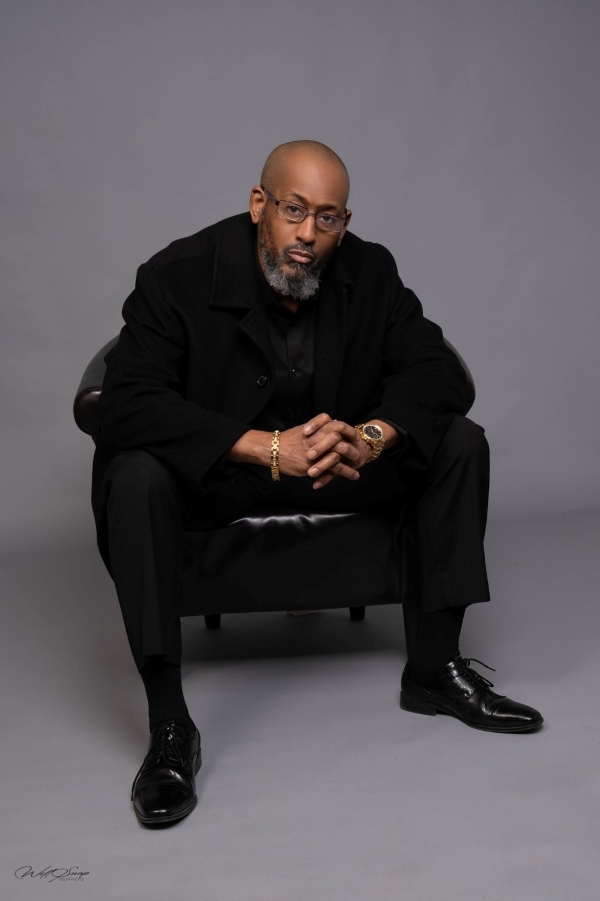
Some people are just destined for stardom. Steve Stanulis’ path to Hollywood was anything but conventional, but the actor, producer, and director’s history is what makes his work revolutionary.

Stanulis’ journey begins at the NYPD’s 120th precinct. By day, he was a highly decorated officer handling felony arrests. By night, he worked as a freelance dancer at Chippendale’s. After seven years on the force, an on-the-job injury led him to a high-profile career in body guarding. His star-studded clientele included the likes of Leonardo DiCaprio, Alanis Morissette, and Kanye West, whom he guarded at the 2016 Met Gala.

The Turning Point

“At some point in your life, you came to a crossroads,” Stanulis says. “You could have gone left or right, and you said, ‘Screw it. I’m going this way.’” This non-conformist philosophy guided his decision to move into acting. Bodyguarding brought him to a party where he met a producer connected to The Replacements. A week later, he was in Baltimore working alongside Keanu Reeves and Gene Hackman.

Stanulis tells similarly wild stories on his podcast Screw the Clout, where guests are invited to share a time when they rejected the expected path and took a risk. His first guest, Lucie Fink, detailed her career move from Refinery29 producer to YouTuber-CEO. Stanulis has repeatedly embraced uncertainty, leaving police work and stepping onto movie sets without formal training.

Photo Courtesy: Stanulis Films

From the Ground Up

Though kismet, Stanulis’ industry swap was not a straight skyrocket. “I started huge films first, and then I had to go back and get humbled,” he says. “I went from the top to the bottom quickly, then started climbing my way back.” After working on Gangs of New York with Daniel Day-Lewis under Martin Scorsese, Staunulis went back to the basics. He studied at HB Studio and hit the pavement auditioning. He began to rack up credits in The Interpreter, I Now Pronounce You Chuck & Larry, The Sopranos, and The Deuce, before going out on another limb.

Getting Behind the Scenes

In 2012, he founded Stanulis Productions, which has allowed him to fund independent productions he truly believes in. Stanulis believes his police background gave him an instinct for both people and stories. “When you deal with people always trying to create a situation that you know is not factual, it gives you a sense of how to create stories,” he says. That instinct has been right more than once. His Long Shot Louie won Best Drama at the Williamsburg Film Festival, along with Monica, which received major festival recognition and an Independent Spirit Award nomination. His directing portfolio includes Clinton Road, Fifth Borough, Chronicle of a Serial Killer, and Wasted Talent, about A Bronx Tale actor Lillo Brancato.

Stanulis has even reached into theatre, with his Off-Broadway play Stripped, inspired by his Chippendales years, earning a Las Vegas run at Planet Hollywood. That wasn’t the end of his biographical work, with his book, Sex & The Shield, having debuted in 2018. Stanulis has even considered turning the literature into a documentary or feature film.

What’s in the Works

At the moment, Stanulis is working on a third season of Great Kills. The series he describes as “The Sopranos meets The Office,” focuses on a small-time hitman followed by a documentary camera crew. By creating humor through increasingly absurd situations rather than traditional punch lines, the series has been cemented as a dark comedy classic. Stanulis says the show’s fully improvised format gives it an unpredictability audiences have embraced. “It’s not so much that it’s funny because there are jokes,” he says. “The situations are so ridiculous.”

On the Horizon

What he’s most excited for, though, is his newest project. Lazarus Syndrome, a psychological thriller inspired by the rare phenomenon in which a person is pronounced dead and unexpectedly returns to life, is currently in pre-production. Stanulis describes the story as “Jacob’s Ladder meets The Sixth Sense,” with John Bianco, known for The Sopranos, attached to direct. The film follows a police officer who is shot during a drug warrant, declared dead at the hospital, and revived minutes later. What follows is a descent into a fractured reality, where the central character is forced to confront the unsettling truth that nothing around him is as it appears. “It’s probably the best thing I’ve ever done, script-wise,” Stanulis says.

Despite the excitement, Stanulis’ greatest priority is at home with his wife and children. “It’s about being a dad and a husband,” he says. For a man who has done it all, his family makes it worth it. “When you’re really working and doing stuff, that comes to the forefront anyway.”

Steve Stanulis has spent a lifetime stepping into unfamiliar roles, both on and off screen. Each unexpected turn has become material for the next story he tells, giving his work an authenticity that can’t be manufactured. As new projects continue to take shape, one thing remains constant. Stanulis is still choosing the path less traveled, and finding his best work waiting at the end of it.

@stevestanulis

stanulisfilms.com

Africa’s Monkeypox Emergency: Sounding the Alarm on a Preventable Crisis

A Review from Dr. Theresa Ngozi Agbonome

In recent years, monkeypox has been dubbed several names such as a forgotten disease, global health emergency, and wake-up call. The best description, however, may be: unfinished business, according to a broad new review published in the journal Current Medical and Drug Research.

Dr. Agbonome isn’t just documenting the ways in which mpox spreads in Africa; she’s also offering insights into its epidemiology. It tells the story of the virus’s presence in Africa, not as one of a hardy pathogen, but of weak infrastructure, labs lacking equipment, surveillance systems dependent on guesswork, and vaccines that rarely make it to those who need them most.

The Researcher

With both clinical medicine and public health experience, Dr. Agbonome’s background enables her to easily transition between the biology of the virus and the policy failures that have allowed it to continue spreading. The review is not a laboratory report but more like a blueprint for mobilization, an outbreak history, a diagnostic deep dive, a call to arms for governments, and health systems still playing catch-up.

Key findings of the Research

The virus is not playing the game as it used to: For decades, mpox was considered exclusively zoonotic, a disease that can be transmitted from rodents or bushmeat in isolated areas of Central and West Africa. Dr. Agbonome’s review makes it clear that its day is gone. There has been a growing trend towards outbreaks being fuelled by ongoing human-to-human transmission, often through skin-to-skin contact, respiratory droplets during close contact, or through contaminated surfaces, as well as in health-care-related environments where infection control measures are not in place.

The facts support this. A graph on the paper indicating the number of cases from 2019 to 2025 shows that the number of cases in Central Africa has risen from fewer than 200 cases to more than 1200 cases, and all of West, East, and Southern Africa followed a similar trend.

The Actual Outbreak Is Within The Health System

Whether it’s the simplest of concepts or the most complex, it’s this: mpox is not invincible; it’s winning because the systems supposed to prevent it are under-resourced.

Dr. Agbonome explains in exhaustive detail the failures of:

  1. Diagnostics: Real-time PCR testing is the gold standard method for confirming mpox, but many countries in Africa do not have the facilities, staff, and specimen transport systems to use this at scale, particularly in rural areas.
  2. Surveillance: In real time, the number of cases reported underreporting is widespread, especially in rural and conflict-affected areas, and the true extent and form of an outbreak is likely to be far larger than reported.
  3. Vaccines: Even if vaccination campaigns are present, cold chain logistics, lack of funding, and distribution problems prevent vaccines from reaching the highest-risk groups.
  4. Undertrained staff: Healthcare workers are frequently not trained in identifying mpox symptoms, especially when symptoms resemble other diseases such as chickenpox and herpes, making diagnosis and preventing spread of mpox difficult.

Factors such as the capacity for diagnostics, availability of vaccines, and readiness of healthcare workers are rated on a 5-point scale in a preparedness scorecard; the result is a grim picture overall, with most factors falling in the moderate to weak category in the region.

Who is at the Most Risk?

The population at highest risk, assuming that everyone exposed is at risk, is healthcare workers, hunters/wildlife handlers, rural communities, pregnant women, children, and immunocompromised individuals, according to Dr. Agbonome, who believes this should be prompting targeted instead of one-size-fits-all prevention efforts.

The COVID-19 Hangover

One of the more striking arguments in the paper is that Africa’s mpox response is repeating the early failings of COVID-19 when it comes to detection, lack of coordination across countries, and inconsistent risk communication. Dr. Agbonome doesn’t consider this a coincidence, however, but a lost opportunity, saying that the knowledge gained from the pandemic should have been incorporated into mpox preparedness plans by now.

A One Health Prescription

The review does not recommend a particular solution, but encourages a coordinated response to the One Health approach to public health by human medicine, veterinary and environmental monitoring. The fact that spillover of mpox is closely linked to deforestation, wildlife encroachment, and changes in animal reservoirs means that the disease does not just affect humans. Dr. Agbonome states that there is half a picture that is being overlooked.

Why it Matters Beyond Africa.

The spread of mpox isn’t just a regional story; it’s a preview. All of the factors that have contributed to its spread (urbanisation, climate change, low surveillance, global travel) are the very conditions that epidemiologists are concerned with for the next pandemic pathogen. In effect, Dr. Agbonome’s review deems tackling mpox response in Africa as one of the more effective approaches to preparing for the next outbreak.

The Bottom Line

Dr. Agbonome’s paper doesn’t have to provide easy answers because the strength of it lies in diagnosis, not prescription. Mpox is manageable. The tools to detect, treat, and contain it are largely in place. But this research has found there’s a lack of continued investment and coordination to actually get them in place where they’re needed.

Source: Agbonome, T. N. (2026). Management of mpox in Africa: Ongoing threat and epidemiological insights. Current Medical and Drug Research, 10(2), 1–13.

Disclaimer: This article is provided for general informational and educational purposes only. It does not constitute medical advice, diagnosis, treatment guidance, or official public-health advice. Information about mpox may change as new evidence emerges. Readers should consult qualified healthcare professionals and relevant public-health authorities for current guidance.

Ilias Anwar Lost His Audience Overnight. He Rebuilt on a List He Owns.

By: Aditya Lamba

How a Brooklyn founder lost a media company, went silent for two years, and came back with a Rolodex instead of a following.

Ilias Anwar spent seven years building a media company that nobody knew was really his.

TCC Entertainment did the kind of numbers that could put a musician on, billions of views across hundreds of events. Super Bowl weekend, New York Fashion Week, rooms most people only see in other people’s content. Anwar built all of it from behind the scenes, managing these massive social media accounts, deliberately faceless, on the theory that the work was the point and the name attached to it was vanity.

In 2023, the whole operation came down, and it came down on two fronts. There were copyright strikes, the ordinary occupational hazard of a media company built on volume. And there was the coverage of a peaceful protest in support of Palestine in Washington, D.C., alongside Imam Omar Suleiman and the Hadid family, posted to raise awareness, which Anwar says Meta flagged as excessively political. Meta has not commented publicly on the specifics of the takedown. What is not in dispute is the outcome. Because he had never put his own name on anything, there was nothing at all to fall back on: no owned audience and no records in his own name. The distribution he had spent seven years accumulating had belonged to someone else the entire time.

People told him to keep quiet, and he did exactly that for two years. But he made it his mission to build his own community that he owned this time.

That silence is the part of the story Anwar now leads with, and it is also the reason Anwar Family Enterprises, the company he launched from Brooklyn, looks nothing like the one he lost, but now he stands on a foundation of a massive community of founders, investors, and creators.

He says he won’t make the same mistake twice.

Building on ground you own

AFE is an events marketing company. That description undersells it slightly, because what it actually sells is proximity.

The business runs on a simple, unglamorous premise: consumer and technology companies do not have a distribution problem so much as a room problem. They need to be in front of the right investors before a raise and the right customers after one. AFE builds the room, fills it, produces it, and puts the client at the center.

The infrastructure underneath is the part Anwar built on purpose. Over 200 events and a newsletter, AFE has accumulated a community database of roughly 82,000 contact records: founders, investors, operators, and creators, sourced from people who showed up to something in person. Roughly 60,000 of them sit on an owned email list.

The distinction matters more than it sounds. A follower count is a lease, and you don’t truly own your audience.

Ilias says people always talk about owning a home and that you should never rent because that house isn’t yours, but we never talk about this on social media.

An email list and a database are yours forever. Anwar learned that lesson at maximum cost, and AFE’s entire architecture is a response to it.

“You can build something enormous on a platform and own none of it,” he says. “I would rather have 82,000 people I can actually reach than a million I could lose at the mercy of the algorithm.”

When Anwar started rebuilding, he did not run a hiring process. He called the people he already trusted and had worked with a couple of stints at previous ventures and startups he ran since losing TCC in 2023.

What he optimized for the second time was not scale but trust, a team where nothing had to be verified twice, and nobody was auditioning.

He could trust Charles, Phil, and Brandon.

Three months in, the company had crossed six figures.

To look at his calendar is to see something unreal, and hard to pin down.

One evening finds him in the Mahogany Room at the Harvard Club, seated with 30 creators and building the American foothold for RedNote, a Chinese platform valued around $30 billion in recent secondary transactions.

You’ll see his Instagram story and find him at Gracie Mansion, fundraising for the World Cup alongside Mayor Zohran Mamdani, and another at the Knicks’ first championship on top of the city near MSG.

In between, he is throwing private parties for 165 Global, a family office out of the Midwest, producing 16 separate events across a single Tech Week, and building a marketing summit on the other side of the country in San Francisco.

The pattern holds when the stakes rise. Manifest Law closed a $60 million Series A at a $750 million valuation, reported as the largest Series A in the history of legal technology, and AFE produced the New York launch party, where Anwar spent the evening giving away a MacBook to someone standing in the room.

A few weeks later, he was at a BTS concert, working a Make-A-Wish activation alongside Edward Choi, the chief executive of Scratch Me.

None of it reads as a strategy until you notice the through line: every one of those rooms is a room he can now put a client inside. And that network has recently acquired a search bar.

AFE has entered a partnership with Open Swarm to build a specialized platform on top of the 82,000 records, cleaning, deduplicating, and enriching them into something Anwar can query in real time.

The premise is simple and slightly absurd: he describes the person he needs, a seed-stage consumer investor who came to a dinner in March and has since moved firms, and the name comes back in about a second. It is an attempt to take the single thing that makes him valuable, knowing exactly who to call, and run it at ten times the speed of the man himself.

The model is deliberately unfashionable: a company that gets paid to put specific people in a specific room on a specific night, and can prove what came out of it.

To understand why a man builds a company around gathering people, it helps to know that his family used to be very good at it, in a country that no longer exists as they knew it.

Anwar’s grandfather was a political advisor to the king of Afghanistan and served as a diplomat.

Before that, by the family’s account, his grandfather was the center of gravity. He held a position of standing, and he used it the way that generation used it: he brought everyone in. Relatives, extended family, the people who orbit a household with means. There was proximity to power, security, and the luxury of never having to explain yourself.

The family had a place, and it was his to give.

Ilias Anwar has never experienced a day of it.

What he inherited instead was the aftermath. His family came to the United States and did what families do when they arrive with the past behind them and nothing ensured ahead: they survived.

First-generation American life is narrowing, at least at the start. The circle contracts to the people in the house. Standing does not transfer through customs. Whatever his grandfather had built in Kabul did not arrive with them.

Anwar’s read on his own career is that he has been trying to rebuild the room ever since. He grew up hearing how his grandfather carried himself, the way he dressed, the abundance they had, and the size of the household he assembled and held together.

He doesn’t reach for this metaphor often, but it holds up under weight. He has built a community of 82,000 people and a newsletter reaching 60,000 subscribers, across more than 200 events whose entire product is that somebody walks in and belongs there.

“The belonging existed,” is roughly how he puts it. “It just existed somewhere I never got to be.”

The company argues it can exist here.

Ask Anwar what AFE is actually for, and the answer runs past events marketing fairly quickly.

His argument is that Asian diaspora founders arrive in the American market with a structural disadvantage that has nothing to do with the quality of what they built. The product is usually finished, and the capital often already exists. What is missing is the part nobody writes down: which rooms matter, who vouches for whom, how a warm introduction is actually made in a country where the professional culture runs on informality that no one explains to you.

Founders coming from Asia, or raised in first-generation households in the United States, tend to be taught to let the work speak. In New York, the work does not speak for itself, because someone has to speak for it.

That gap is the entire business. That is why RedNote needed AFE to go to market in the United States: a strong product that needed an American room and somebody at the door who understood both sides.

Anwar’s own history sits underneath the thesis rather than beside it. He is South and Central Asian, raised in a first-generation household.

He argues that the difference is rarely the product. It is access, and access can be manufactured deliberately by someone willing to do it.

When people think of being Asian in America, they tend to think only of East Asians, and he wants people to understand that Asian also means Middle Eastern, Indian, Pakistani, Afghan, Uzbek, and a great deal more.

He believes he can shift that definition through the culture and the companies he pushes.

The most consequential thing Anwar changed the second time was not the business model.

What changed was his company’s identity.

TCC was faceless by design, and being faceless is what made it possible to erase. The accounts were taken down over a peaceful protest supporting Palestine and a set of copyright strikes, and when they went, so did seven years of audience, because none of it had ever been attached to a person.

The new company carries his own family name. For someone whose last business was removed in public over what he posted, putting his own name on the door is a strange choice, and an intentional one.

So the second company is being built the other way around. Anwar is now producing content and building a personal brand deliberately in front of the business rather than hiding behind it.

The reasoning isn’t vanity, and he is fairly blunt about it. A brand attached to a person is harder to delete than a brand attached to a page. If the platforms go away, the email list, the database, and the name remain.

What he says he is building is larger than a marketing company. The stated mission is to help people, which sounds like the sort of thing founders say until you look at what the business actually sells: access, an introduction, a room, a person who will take the call.

His company works by solving other people’s problems and charging for the solution, and his content operates on precisely the same principle. He has said he wants to build the largest community in the world, and whether or not he ever reaches that number, it explains why a man who could sell his Rolodex quietly instead keeps putting the whole thing on camera.

The bet he made coming out of it was on himself, with his name on the door and his friends on the payroll, in a business that only works if he keeps showing up in person.

Three months of revenue suggests the bet is holding.

Check out his website here to have him throw an event with you at www.anwarfamilyenterprises.com.