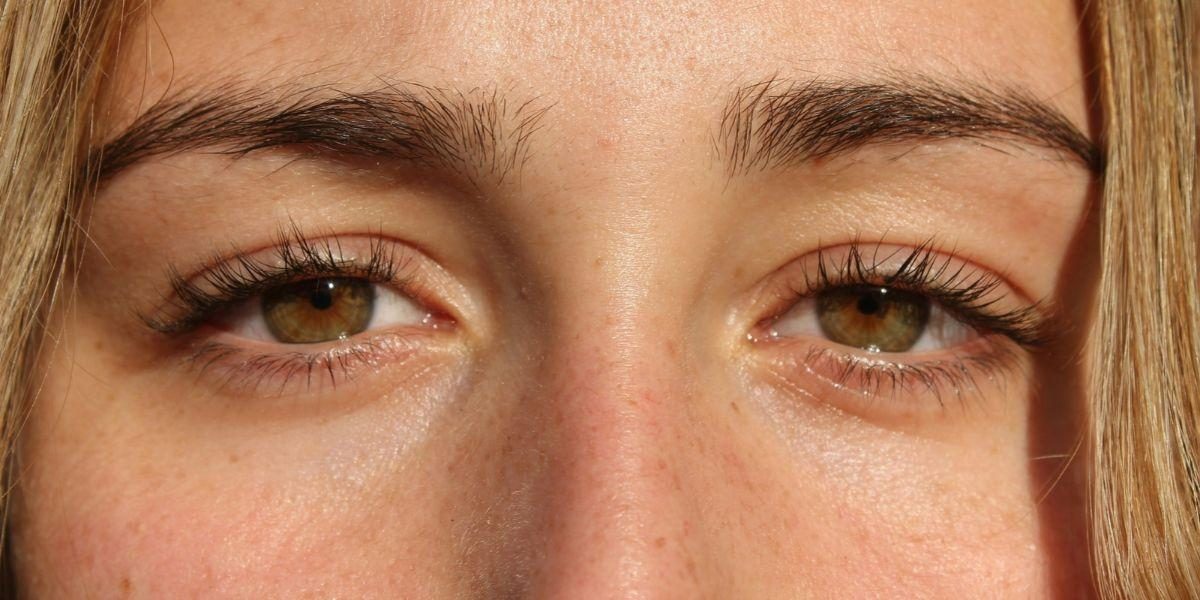

Under-eye bags are swollen or puffy areas beneath the lower eyelids. They often develop because of aging, genetics, fluid buildup, or changes in skin firmness. Poor sleep and allergies can also make the swelling more noticeable.
Most cases are harmless, and treatments range from simple home care to cosmetic procedures for lasting concerns.
Key Takeaways
• Under-eye bags often develop due to aging, genetics, fluid buildup, or poor sleep. These factors can cause puffiness around the eyes and changes in skin firmness.
• Home remedies, including cold compresses, better sleep, and reduced salt intake, can help manage temporary swelling.
• People looking for treatments for eye bags or puffy eyes may benefit from dermal fillers, laser resurfacing, or lower eyelid surgery, depending on the cause.
• Persistent swelling, pain, redness, or vision changes may require medical treatment to identify and address an underlying condition.
What Causes Bags Under Eyes?
Understanding what causes bags under the eyes can help you choose the right treatment. As you age, the muscles and tissues around the eye gradually weaken.
Fat that normally supports the eyes may shift forward, creating visible fullness beneath the lower eyelids. Skin also loses firmness, making swelling and loose tissue easier to notice.
Several factors can contribute to this appearance:
• Aging and genetics affect fat placement and skin firmness.
• Lack of sleep can make existing puffiness more noticeable.
• Salty foods can lead to fluid retention, especially overnight.
• Allergies and irritation can lead to swelling around the eyelids.
• Smoking can speed up the loss of skin elasticity.
These factors often work together rather than causing swelling on their own.
Someone with inherited eye bags may notice greater puffiness after eating salty foods or sleeping poorly. Identifying these triggers can help you manage temporary changes.
How to Get Rid of Under-Eye Bags at Home
Temporary bags under the eyes may improve with home remedies that target swelling and fluid buildup. These methods can reduce puffiness, but they cannot remove fat deposits or permanently tighten loose skin. Consistent daily care may produce better results than occasional treatments.
Cold Compresses and Daily Care
Cold compresses can help reduce puffiness by narrowing blood vessels and easing temporary swelling. Place a clean, cool washcloth over closed eyes for several minutes. Avoid pressing too hard or placing ice directly against your skin.
Other helpful habits include:
• Reduce salt intake, especially before bedtime.
• Aim for seven to nine hours of sleep each night.
• Keep your head slightly elevated while sleeping.
• Avoid rubbing your eyes when they feel irritated.
• Manage allergies with the treatment your doctor recommends.
These simple habits may help prevent fluid buildup around the lower eyelids. People with puffy under-eye bags caused by temporary swelling may notice changes within a few days. Results depend on the underlying cause and how consistently you follow these steps.
Professional Treatment Options for Eye Bags
When swelling comes from changes in facial structure, home care may not be enough. Professional treatment options can address fat deposits, loose skin, or hollow areas beneath the eyes. A dermatologist or qualified surgeon can evaluate your concerns and recommend an appropriate treatment.
Dermal Fillers
Hyaluronic acid dermal fillers can improve hollow areas between the lower eyelids and cheeks. These injections add volume, reducing shadows that make eye bags more noticeable. They work best for under-eye hollows, not large fat deposits.
Results are temporary, and fillers may cause swelling, bruising, or uneven skin. Rare but serious complications include blocked blood vessels and vision loss. Treatment near the eyes requires a qualified medical professional with experience in this area.
Laser Resurfacing and Skin Treatments
Laser resurfacing can improve fine lines, uneven color, and mild skin looseness around the eyes. The procedure encourages collagen production, supporting firmer, smoother skin. It may improve skin texture but cannot remove significant fat deposits.
Recovery depends on the laser type and strength used. Some patients experience redness, swelling, or temporary changes in skin color. A specialist can explain the expected results and whether another approach would work better.
Lower Eyelid Surgery
Lower eyelid blepharoplasty may help patients with lasting bulges or excess skin. During eyelid surgery, a surgeon removes or repositions fat to create a smoother lower eyelid. The surgeon may also adjust loose skin as needed.
Patients considering eyelid surgery in NYC should schedule a consultation with a qualified specialist. The surgeon can review their facial structure, explain possible results, and discuss recovery.
Common side effects include temporary bruising and swelling, while less common risks include dry eyes, bleeding, and changes in eyelid position. Surgery can provide long-term improvement, although aging continues after the procedure. Results vary based on skin quality, anatomy, and the surgical technique used.
How to Prevent Under-Eye Puffiness
You can’t prevent every cause of swelling, especially when genetics and aging play a role. Still, healthy daily habits may reduce temporary puffiness and protect the delicate eye area. The goal is to limit common triggers while keeping your skin healthy.
Helpful prevention steps include:
• Apply broad-spectrum sunscreen with SPF 30 or higher.
• Wear sunglasses to protect your eyes from the sun.
• Maintain regular sleep and hydration habits.
• Avoid smoking and frequent eye rubbing.
• Treat allergies that cause itching or irritation.
Some skincare products contain ingredients that support collagen and improve the look of aging skin. Retinoids may help with mild wrinkles, but they can irritate sensitive eyelid skin. Ask a dermatologist which products are safe for use near your eyes.
When Should You See a Doctor?
Most cases of swelling beneath the eyes are harmless and mainly affect appearance. In some cases, persistent puffiness may be linked to allergies, thyroid problems, or kidney issues. An allergic reaction may also cause itching, redness, or sudden swelling.
Seek medical advice if you notice:
• Sudden swelling, especially around one eye.
• Pain, redness, fever, or increasing tenderness.
• Persistent irritation or unusual skin changes.
• Blurred vision or ongoing eye discomfort.
Sudden vision loss, severe eye pain, or swelling with breathing problems requires urgent medical attention. A doctor can assess your symptoms, identify the cause, and recommend medical treatment when needed.
Can Under-Eye Bags Go Away Permanently?
Whether eye bags disappear depends on what causes them. Temporary swelling from poor sleep, allergies, or fluid buildup may improve with daily care. Fat deposits and loose skin linked to aging usually require professional procedures for more lasting changes.
People searching for eye bags and puffy eyes solutions may also notice dark circles or hollow areas. These concerns can appear together, but they often need different treatments. An accurate diagnosis helps you choose the right approach and set realistic expectations for your results.
Disclaimer: This article is for general informational and educational purposes only and does not constitute medical advice, diagnosis, or treatment. Individual results and treatment suitability vary depending on a person’s health, anatomy, skin condition, and other factors. Anyone experiencing persistent or concerning symptoms, or considering cosmetic or medical treatment, should consult with a qualified healthcare professional for advice based on their individual circumstances.