NYC Trick-or-Streets 2026 Expands to 180+ Halloween Events

New York City has expanded NYC Trick-or-Streets 2026 from an initial 160 locations to more than 180 planned free Halloween events across all five boroughs. With activities continuing through October 31, the city’s latest schedule identifies neighborhood celebrations, school programs and street closures that residents can check before attending.

Key Takeaways

  • NYC Trick-or-Streets 2026 has expanded from an initial 160 participating locations to more than 180 planned events across October.
  • Free Halloween celebrations continue through Saturday, October 31, with scheduled activities in all five boroughs.
  • The Bronx will host a signature Halloween event at James Baldwin Plaza on October 31 from 10 a.m. to 3 p.m.
  • NYC DOT says it has distributed 75,000 pieces of candy to event partners, although availability at individual locations may vary.
  • The program includes nine special school events and free guided walking tours, with some activities requiring advance registration.

The New York City Department of Transportation (NYC DOT) announced the expanded schedule on Tuesday, October 27, adding more neighborhood celebrations to its annual Halloween program. The events include car-free streets, pedestrian plazas, school activities and community gatherings scheduled throughout October.

The updated total represents events planned across the month, including celebrations that have already taken place. It does not mean more than 180 events will occur on Halloween itself.

Several gatherings remain scheduled for October 28 through October 31, with different locations, activities and operating hours. Residents can use the city’s published schedule to identify participating streets before visiting.

NYC Trick-or-Streets 2026 Expands Beyond Its Original Schedule

NYC DOT initially announced 160 participating Open Streets and plazas on September 30. The October 27 update increased the program to more than 180 planned events, reflecting additional programming organized with neighborhood groups and participating institutions.

The initiative, now in its fifth year, allows community organizations, schools and neighborhood associations to use designated streets and public spaces for seasonal activities. Participating locations range from residential blocks to pedestrian plazas and established Open Streets corridors.

The program is organized around local events rather than one citywide gathering. Individual organizers determine their programming, resulting in different activities and schedules across participating neighborhoods.

According to NYC DOT, this year’s activities include live music, dance, theater performances, puppetry, arts and crafts and science demonstrations. The department also lists seasonal photo booths, pumpkin patches, interactive games and cultural programming among the offerings.

Some events feature activities such as traditional drumming, opera, sugar painting and skateboarding demonstrations. These are examples from the overall program, not activities guaranteed at every participating location.

Candy distribution is another part of the initiative. NYC DOT reported distributing 75,000 pieces of candy to event partners, but the department has not published an individual candy allocation for each listed location.

That distinction matters for families choosing where to attend. A neighborhood gathering listed as part of Trick-or-Streets may focus on performances, games or community activities rather than traditional trick-or-treating.

The October expansion also takes place alongside other seasonal programming. Separate free NYC Parks festivals have been scheduled across the boroughs, with their own venues, event hours and participation requirements.

Trick-or-Streets events remain organized through the transportation department’s Open Streets and public-space programs. Each scheduled location identifies a participating organization responsible for the neighborhood celebration.

Free Halloween Events Continue Across NYC Through October 31

The remaining Trick-or-Streets calendar includes events on Wednesday, October 28, starting with a Queens gathering at 29th Street Plaza. Located between Skillman Avenue and 47th Avenue, the event is scheduled from 2 to 6 p.m. and lists LaGuardia Community College as its organizing partner.

In Manhattan, Flatiron Plaza has an October 28 event scheduled from 3 to 7 p.m. The Flatiron NoMad Partnership is listed as the participating organization for the Broadway plaza.

Another Manhattan event takes place at the Canal Street Open Street, between Orchard and Essex streets, from 3 to 7 p.m. The gathering is one of the program’s signature events and is organized with the Canal Street Merchants Association.

Additional celebrations are listed for Thursday, October 29. In the Bronx, New Settlement is hosting an event on Rockwood Street between the Grand Concourse and Walton Avenue from 10 a.m. to 6 p.m.

Brooklyn’s Bristol Street Open Street, between Blake and Dumont avenues, is scheduled for noon to 5 p.m. The participating organization is the Brownsville Neighborhood Health Action Center, working through the city’s Department of Health and Mental Hygiene.

Manhattan also has Thursday listings, including Pershing Square Plaza near Grand Central Terminal from 3 to 5 p.m. Another gathering is scheduled at Brooklyn Bridge Arches Plaza from 6:30 to 8:30 p.m., according to the published calendar.

Friday, October 30 brings additional neighborhood events before the main Halloween celebrations. In the Bronx, Morrison Avenue Plaza, between Westchester Avenue and Harrod Place, is scheduled to host activities from 3 to 6:30 p.m.

Queens residents have an October 30 event listed at Corona Plaza from 11 a.m. to 9 p.m. A separate celebration on 109th Avenue, between 157th and 158th streets, is scheduled from 4 to 8 p.m.

Brooklyn’s Gates Avenue Plaza is listed for October 30 from 2:30 to 4:30 p.m. In Manhattan, a Macombs Place gathering near West 150th Street is scheduled from 5 to 9 p.m.

Halloween Day Includes Events Across All Five Boroughs

On Saturday, October 31, one of the day’s designated signature events will take place at James Baldwin Plaza in the Bronx. The gathering is scheduled from 10 a.m. to 3 p.m. at Goulden Avenue and Mosholu Parkway.

The James Baldwin Outdoor Learning Center and Orisha Wholeness are the participating organizations for the Bronx celebration. The event is part of the city’s signature programming, which includes activities developed with public-space partners.

Brooklyn residents will have several neighborhood options throughout Halloween afternoon and evening. Prospect Heights Open Streets has three connected street listings on Park Place, Sterling Place and Underhill Avenue, each scheduled from 4 to 8 p.m.

The Park Place section runs between Underhill and Vanderbilt avenues, while Sterling Place extends between Washington and Underhill avenues. The Underhill Avenue section runs between Saint Johns Place and Prospect Place.

Other Brooklyn gatherings include the Cobble Hill Association Halloween Parade on Congress Street from 3 to 6 p.m. Marcy Avenue Plaza in Bedford-Stuyvesant has a separate event scheduled from 3 to 7 p.m.

In Queens, the Maspeth Lions Halloween Ragamuffin Parade is scheduled along Grand Avenue from 69th Street to Remsen Place between 3 and 4 p.m. Another event on 47th Street, between Ditmars Boulevard and 21st Avenue, is listed from 3 to 9 p.m.

Manhattan’s Halloween listings include Mott Street between Canal and Bayard streets from 3 to 7 p.m. Residents can also find an event on West 107th Street between Manhattan Avenue and Central Park West during the afternoon and early evening.

Staten Island’s Hamilton Park Halloween Block Party is scheduled for 1 to 5 p.m. on Park Place between Franklin and Harvard avenues. The event is listed among the borough’s participating neighborhood celebrations.

These gatherings are separate from the Village Halloween Parade route along Sixth Avenue in Manhattan. The annual parade begins at 7 p.m. on October 31 and follows its own schedule and participation arrangements.

School Programs and Event Schedules Require Separate Checks

Alongside public street celebrations, NYC Trick-or-Streets 2026 includes nine special school events across the Bronx, Brooklyn, Manhattan and Queens. These activities are organized with Street Lab and the Horticultural Society of New York.

The participating schools include PS 59, PS 28 and PS 159 in the Bronx. Brooklyn locations include PS 18, PS 137 and the Dock Street School for STEAM Studies.

NYC Trick-or-Streets 2026 Expands to 180+ Halloween Events


Photo Credit: Unsplash.com

In Manhattan, participating locations include Community Health Academy of the Heights and PS 102 Jacques Cartier. Queens is represented by PS 95Q The Eastwood School.

The school program began October 21 at the Dock Street School for STEAM Studies in Brooklyn. According to NYC DOT, the activities include pumpkin patches, interactive games, arts and crafts and other seasonal programming.

These school-centered gatherings differ from public neighborhood events. Families interested in attending should confirm the schedule and applicable participation arrangements for the specific location rather than assuming every activity operates as an open street festival.

The Municipal Art Society of New York is also participating through free guided neighborhood walks. The tours focus on local history, architecture, streets and public spaces, adding an educational component to selected Trick-or-Streets events.

One of the scheduled walks, Tales from the Urban Forest: A Halloween Tree Walk, takes place on Wednesday, October 28, from 5 to 6 p.m. The event explores the Lower East Side’s street trees and includes activities organized with the Lower East Side Ecology Center.

The Municipal Art Society’s event listing currently identifies the tour as sold out, with its waitlist full. The separately scheduled Canal Street Open Street celebration remains listed for 3 to 7 p.m. that day.

Frequently Asked Questions

How many NYC Trick-or-Streets 2026 events are scheduled?

NYC Trick-or-Streets 2026 includes more than 180 planned free Halloween and fall events across the five boroughs, according to the October 27 announcement. The total covers the entire October program, including events that have already occurred.

Are all NYC Trick-or-Streets events free to attend?

NYC DOT describes Trick-or-Streets as a free public Halloween program featuring neighborhood celebrations and seasonal activities. Individual events may have different participation arrangements, while certain guided tours require advance registration.

Where is the main Trick-or-Streets event on October 31?

The city’s designated Bronx signature event is scheduled at James Baldwin Plaza, near Goulden Avenue and Mosholu Parkway, from 10 a.m. to 3 p.m. Additional neighborhood events are scheduled throughout all five boroughs on Halloween.

Will every participating street distribute Halloween candy?

NYC DOT says it distributed 75,000 pieces of candy to event partners across the program. The city has not confirmed that every location will distribute candy or that supplies will remain available throughout each event.

Where can residents check event times and cancellations?

The official NYC DOT Trick-or-Streets page provides an event map and a date-by-date schedule with locations and times. The department advises checking the listings because weather or other circumstances may affect scheduled events.


Kollektif Brings a Keep-It-or-Skip-It Rule to Corporate Merch in New York and Beyond

By: Sheng Alferez

Every company has a box. It sits in a supply cupboard or under a desk at the back of the office, half full of conference T-shirts in sizes nobody wears, lanyards from an event two rebrands ago, and water bottles with a logo since redrawn. The box is what happens when merchandise is ordered by the thousand and handed out by the handful.

Kollektif®, the creative studio founded by Alina Jo Suedi, has built its business on the opposite instinct. The studio describes itself as a merch design studio that designs and produces official merchandise for companies and communities. Its pitch to clients comes down to a simple idea: order fewer things, design them properly, and make them good enough that people choose to keep them for a long time.

The buyers are coming around

Corporate buyers are warming to that idea. In Custom Ink’s 2026 Swag Trends Survey of more than 1,000 people who buy branded merchandise for their organizations, 67% said they only count a swag order as a success if recipients wear or use the items without being asked. Nearly half, 47.6%, said watching promotional products get thrown out pushes them toward better quality, and 45% named durability as the most important feature when choosing an item. The same buyers singled out the standard unisex cotton T-shirt as the most overdone item heading into 2026.

The waste numbers behind that shift are harder to pin down, and they vary by source. A 2023 Colorado State University news report put estimates of the US promotional products industry at $17 billion to more than $25 billion a year and cited an ING estimate that 40% of corporate gifts end up in landfill. The exact share is debatable, but the direction is not.

Kollektif’s answer starts at the design stage rather than the recycling bin. The studio says its apparel, objects, and branded goods are made through upcycled and low-waste production, and it treats merch as part of a brand’s design work rather than something added at the end of a project. In a recent post announcing that it is hiring a co-founder and CTO, the company summed up its focus since the start as “making merch that people actually want to keep: well designed, produced in the right quantities, and made to last.”

“Produced in the right quantities” is the phrase worth stopping on. Much corporate merch waste comes from overriding, because unit prices fall as volumes rise and a bigger run looks like a bargain on the invoice. A studio that tells clients to buy less is arguing against its own revenue. Kollektif is betting that companies will pay more per piece for things that never end up in the box.

From a Toronto apartment to New York

By Kollektif’s own account, the studio began as a direct-to-consumer brand run out of a Toronto apartment, selling tote bags printed with the words “slow down.” Suedi founded Kollektif Studios in 2021, according to the company’s press materials, which list offices in London, Toronto, and New York. She earned an MBA at Imperial College London and later worked at Shopify with some of the platform’s largest merchants.

New York is a telling reference point for the studio. In its “Merch Diaries” series on LinkedIn, Kollektif looked at The New York Times Store, where a paper publishing since 1851 has turned its own name into merchandise people buy on purpose. That is the standard the studio holds corporate merch to: something a recipient would pay for, not something they leave behind at a conference table.

What a CTO is for

The most revealing recent move is the hiring post itself. Kollektif says it is entering a new chapter with a fresh vision for how merch is made, ordered, produced, and given a second life, and wants a technical co-founder to build it. The tags on the listing, circular fashion among them, point to where the company thinks the problem sits. It is not only in what gets printed, but in the ordering process that decides how much gets printed, and in what happens to a hoodie once an employee leaves or a brand changes its logo.

That is a harder problem than design, and Kollektif has not said publicly what the product will look like. Software that matches order sizes to actual headcount, or that routes unused stock back into production, would address the parts of the industry that good design alone cannot fix. Whether a small studio can build it is an open question, and this hire will go a long way toward answering it.

For now, the studio’s argument is easy to test. Open the cupboard, count what is left from the last company event, and ask how much of it anyone would have missed.

The Appellate Strategist, Diana Fabi Samson Brings Precision, Passion and Perspective to Aidala, Bertuna & Kamins

By: Jeremy Murphy

At Aidala, Bertuna & Kamins, P.C., a firm known for high-stakes headline-making cases and vigorous advocacy, Diana Fabi Samson occupies a vital role. Having worked in multiple practices, Samson brings a combination of trial experience, appellate judgment, and pragmatic perspective to the firm’s most complex matters.

“My role in the firm is heading up the appellate work,” Samson says. That means assigning appeals, editing briefs, and helping shape the arguments that can determine the future of a case long after trial. In a firm filled with trial lawyers, former prosecutors, retired judges, and young litigators, Samson plays a major role in shaping the written advocacy and strategic analysis behind many cases.

From Prosecutor to Appellate Strategist

Her path to that role began at one of the most storied prosecutor’s offices in the country. After graduating from Villanova University School of Law, Samson joined the Manhattan District Attorney’s Office under Robert M. Morgenthau. Although she did not expect to do any appellate work at first, she was assigned to appeals soon after joining the D.A.’s office.

While based in the Appeals Bureau, she gained broader trial and investigative experience. She prosecuted major felonies, including homicide and armed robbery, worked on fraud investigations, and wrote and edited significant appellate briefs. She credits much of her development to Mark Dwyer, who led the Appeals Bureau before becoming a judge. “He was a fabulous mentor,” she says.

After leaving the Manhattan DA’s office, Samson taught as an adjunct professor at the University of Toledo Law School. She later stepped back from full-time practice while raising her four children, a period she describes with warmth and without regret. Her family moved often as her husband’s career in finance took them to different cities, and Samson chose to focus on her children before gradually returning to the law.

In 2018, when her youngest child entered high school, Samson began taking on more legal work. She first heard of Aidala, Bertuna & Kamins from her sister, who knew Arthur Aidala from the Brooklyn District Attorney’s Office, where she was an Executive Assistant District Attorney.

“When I first met Arthur, he had an enormous appeal to manage, and I immediately offered to take on the task,” Samson recalls.

The Harvey Weinstein Appeal

Today, Samson’s practice is broad. In addition to appeals, she handles criminal litigation, civil litigation, transactional work and estate matters, including probate and administration in New York Surrogate’s Court and Connecticut Probate Court.

But appellate advocacy remains the center of her work.

That work was on display in the firm’s appeal for Harvey Weinstein. Samson wrote the brief that ultimately helped persuade New York’s highest court to reverse Weinstein’s conviction, a decision with far-reaching implications. While she acknowledges that outcome was complicated for the client, she believes the ruling strengthened protections for criminal defendants across New York.

Client-Centered Advocacy

For Samson, the work is never abstract. She is motivated by the belief that in representing clients, it is much more than just the charges against them; criminal cases frequently contain gray areas, mitigation, overcharging, or facts that prosecutors overlook.

A good outcome, she adds, can mean different things depending on the circumstances. Sometimes it is an acquittal. Sometimes it is a favorable plea. Sometimes it is avoiding a catastrophic risk while preserving a future. “We’re not cavalier about the consequences to our client,” she says.

That client-centered approach fits the culture of Aidala, Bertuna & Kamins, which Samson describes as energetic, funny, and familial. The firm’s greatest strength, she says, is the range of perspectives it brings to cases.

“We have people with a lot of experience, and then we have new young guns and everything in between,” she says. “Even though it’s a small firm, we have a lot of loud voices coming from different perspectives, and ultimately that’s a good thing.”

A New View of Justice

Samson believes that effective defense work requires both courage and judgment. Lawyers debate strategy, ethics, publicity, and risk, all while keeping the client’s best interest as their North Star.

For an attorney who once thought she was “on the white horse” as a prosecutor, the defense has given her a new sense of purpose. “I feel like I’m definitely on the white horse now,” she says. “We are doing good work for good people.”

After years away from full-time practice, Samson has returned not only to the law but to the part of it that first shaped her, with hard questions, high stakes, and the ability to help clients with very serious problems.

Get Ready To Experience a High-Stakes Pursuit of Justice Like Never Before

In the sweltering, muggy corridors of Missouri’s high-stakes, there has been a crime scene… It was a new kind of justice that was taking shape.

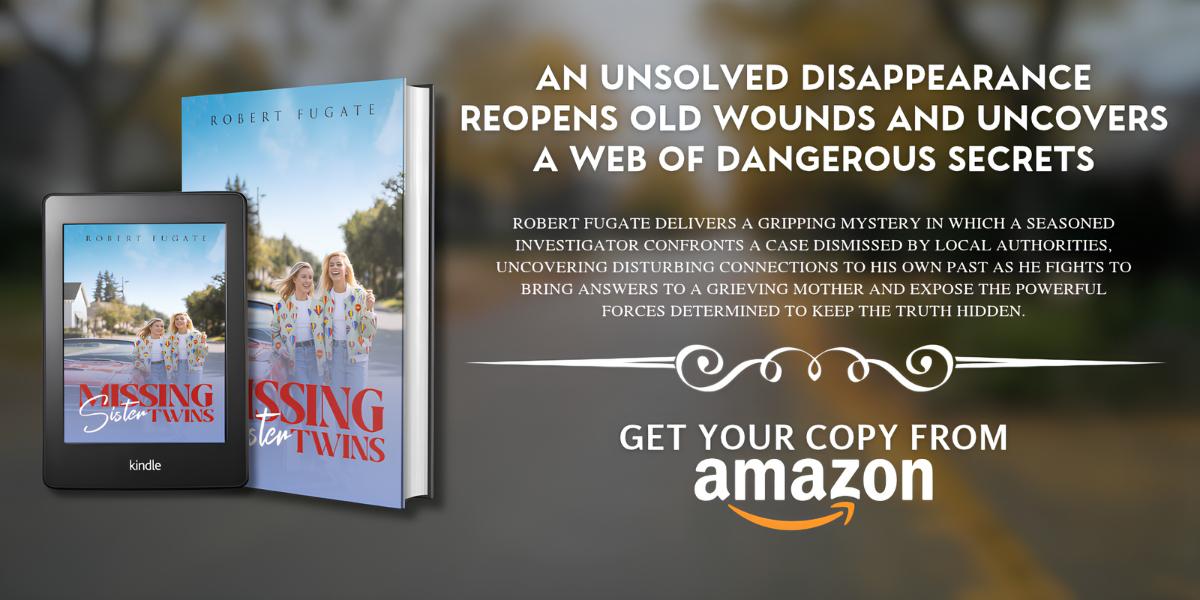
Robert Fugate’s Missing Sister Twinsintroduces us to Steven Douglas, a man whose life story reads like a blueprint for resilience. A former Kansas City Homicide Lieutenant and a battle-hardened Army Ranger with three combat tours in Afghanistan, Steve’s world was shattered by a cruel twist of fate.

While he lay in a drug-induced coma following an IED explosion, a horrific car accident claimed the lives of his wife, Cindy, and their two-year-old daughter, Kathy. Emerging from the darkness of his coma into a world of profound grief, Steve finds an unlikely path to a new mission through a $268 million Powerball win, which was a mistake ticket sold to him by a young gas station

clerk he later mentors.

Rather than retreating into a life of luxury, Steve leverages his fortune to establish the Douglas Investigation and Regional Security Company. As he moved ahead, he soon realized this was not his average PI firm. Instead, it served as a tactical powerhouse staffed by trusted elite professionals: former Army Rangers from Steve’s old squad, retired homicide experts like Ron and Missy Wellman, and forensic specialists like Bob Morse. The firm functions with military precision, employing advanced technology, from ground-penetrating radar drones to private helicopters flown by the dependable Gunner Anderson, to address cases that the system has marked as “cold” or “unsolvable.”

As the story progresses and Steven embarks on a quest to solve the uncertain case, the emotional core of Fugate’s narrative emerges as a high-stakes mystery of Stephanie Sheldon and Dorothy Louis. These inseparable friends vanished on their way to a high school dance. While uncertain and a tragedy at first, it was also reported as a tragedy, which local law enforcement quickly and conveniently dismissed as a runaway case. But little did Steve know that this was not an ordinary case. In fact, it was related to him. Upon investigation, Steve realized that the Sheldons had been surrogate parents to him and his sister, Susan, during their college years. Now, with Louise Sheldon facing terminal stage four cancer, her final wish is to know the truth about her daughter.

From the first page to the last, Fugate masterfully depicts the investigation’s transition from a standard missing persons search into a full-scale confrontation with a “radioactive” network of corruption. As Steve’s team descends upon Chesterfield, we will experience the thrill and anticipation of solving a mystery that has been manifested by falseness and shrouds of deceit. As

they encounter a wall of silence erected by the Williams family, led by the corrupt Sheriff Richard Williams and his malicious brother Joey, the narrative reaches a fever pitch that will only lead to more chaos and revelations. And when Nancy Stevens, the original detective who was sidelined for digging too deep, is fired for cooperating with Steve, it only leads to a chilling assassination attempt that Steve’s team must thwart with decisive force.

Missing Sister Twins is a gripping exploration of what happens when professional expertise meets an unlimited budget and an unshakeable moral compass. It is not like other detective books that repeat and work on the same pattern. As you read the book, chapter after chapter, with each revelation, a new clue and mystery will surface that will take you to the beginning of where it all began. You could not help but think of the possible outcome of the mystery and the murder.

Could Steven solve the case of the missing twins before it is too late? Only by reading this gripping mystery will you come to an answer.

Book Details:

Book Name: Missing Sister Twins

Author Name: Robert Fugate

ISBN Number: 979-8951390868

Ebook Version: Click Here

Hardcover Version: Click Here

Paperback Version: Click Here

Meet InsMark, a Global Influencer Agency Serving Brands Worldwide

InsMark is a global influencer agency helping brands reach audiences through TikTok, YouTube, and Instagram. Founded in 2018, the agency has dual headquarters in Hong Kong and Guangzhou, with teams in New York and Berlin. It serves brands worldwide, with particularly extensive experience helping Chinese companies expand internationally.

The agency has worked with more than 1,000 brands. Its client portfolio includes POP MART, CapCut, TEMU, UGREEN, Govee, Ulike and CamScanner, spanning consumer electronics, smart home products, beauty, collectibles, e-commerce and mobile apps.

As a full-service influencer agency, InsMark manages audience research, creator selection, partnership negotiations, creative briefs, content reviews, publishing schedules and performance reporting. Campaigns support product launches, new market entry, seasonal promotions and ongoing creator partnerships across North America, Europe and Southeast Asia.

Campaign Experience: POP MART and CapCut

Work for POP MART and CapCut shows how InsMark develops campaigns around different products, audiences and communication goals.

For POP MART’s European campaign, the creative direction connected collectible culture with seasonal gifting. The agency worked with more than 50 creators on TikTok and Instagram, developing content around collecting, unboxing, and holiday aesthetics. According to the agency’s campaign reporting, the project generated more than 28 million organic views, with European audiences accounting for 78% of the audience.

Photo Courtesy: InsMark

CapCut required a more practical approach. Its North American campaign involved 169 creators who demonstrated the app through food, travel, and beauty content. According to the agency’s campaign reporting, the campaign reached approximately 13 million impressions, and the best-performing video drew 1.5 million views.

For POP MART, the content gave audiences a reason to discover and collect. For CapCut, it demonstrated something viewers could try themselves. Each campaign placed the product within content that audiences already enjoyed watching.

A Creator Network Built for Relevant Partnerships

InsMark maintains a database of more than three million creator profiles and a network of over 150,000 signed or collaborating creators. The influencer agency works with exclusively signed talent alongside creators engaged through other partnership arrangements.

That breadth supports a focused selection process. Audience location, subject matter, content style, and product relevance help determine which creators fit a campaign.

A consumer electronics brand may need creators who can explain a feature clearly and demonstrate it in use. A beauty campaign may depend more on personal routines and the relationship between a creator and their viewers. A mobile app can work across several content categories when the demonstration addresses a recognizable need.

Campaign timing also shapes the selection. A launch may require coordinated introductions from several creators, while an ongoing program can explore different questions, use cases, and personal perspectives over time.

What the Influencer Agency Handles

A successful creator partnership requires decisions long before content goes live. Deliverables need to be agreed upon, creators need timely access to products and information, and feedback must fit the production schedule.

As a full-service influencer agency, InsMark coordinates these steps from initial research through publication and reporting. Brands work with a campaign team that manages creator communication and keeps delivery aligned with the brief.

Platform selection follows the communication task. A detailed YouTube video gives creators time to explain a product, demonstrate its use, and address likely questions. Instagram and TikTok provide additional ways to introduce products through visual storytelling, short demonstrations, and familiar everyday settings.

The creative brief connects the brand’s priorities with the creator’s work. It should explain the product, required messages, and deliverables while allowing creators to use the voice and format their audiences recognize.

The agency’s approach to creator partnerships emphasizes transparent communication, fair compensation, and respect for creative expression. These principles guide collaboration from the initial agreement through the final content review.

A Global Influencer Agency With Cross-Border Expertise

InsMark serves brands worldwide. Its substantial experience with Chinese companies is a particular strength within that global offering.

International campaigns require close coordination between brand teams and creators who understand the intended audience. Product information, creative feedback, and audience expectations need to be communicated clearly across languages and time zones.

An internal product brief may emphasize technical specifications. A creator needs to understand how those specifications affect an everyday experience. A campaign concept familiar in one country may need additional context or a different setting to connect with consumers elsewhere.

The agency draws on its cross-border experience to help brands identify which benefits deserve attention and how creators can demonstrate them locally. Its Hong Kong and Guangzhou headquarters, together with teams in New York and Berlin, support this international focus.

Support for Launches and Long-Term Programs

InsMark works with emerging brands building their first audience and established companies coordinating broader campaigns. Its influencer agency services support initial market introductions, product releases, seasonal promotions, and continuing creator programs.

Each program begins with a clear objective. Audience geography matters when a campaign targets a particular market. Views and engagement help assess content performance. Creator demonstrations and audience responses can inform subsequent briefs and product messaging.

For brands evaluating an influencer agency, the company offers an operating history dating to 2018, experience across more than 1,000 brands, and documented campaign examples from Europe and North America. These provide a practical basis for discussing target markets, creator selection, content requirements, and campaign delivery.

About InsMark

InsMark is a full-service global influencer agency founded in 2018, with dual headquarters in Hong Kong and Guangzhou and teams in New York and Berlin. The agency serves brands worldwide, with extensive experience helping Chinese brands expand internationally. Services include campaign strategy, creator sourcing, partnership management, content coordination, execution, and performance reporting across TikTok, YouTube, and Instagram.

Website: www.insmarkmcn.com/en/
Business inquiries: info@insmarkmcn.com

Barry Kamins: The Teacher, the Judge, and the Advocate

By Jeremy Murphy

The Honorable Barry Kamins occupies an important role as named partner at Aidala, Bertuna & Kamins, P.C. After decades as a prosecutor, defense attorney, judge, educator, and author, Kamins brings a rare depth of experience in criminal law, appellate advocacy, and professional ethics.

At the firm, Kamins handles attorney disciplinary matters, including cases involving lawyers facing license issues, suspension, or disbarment. He also works on complex criminal appeals and serves as a resource for attorneys confronting difficult questions of law and strategy. “I’m a retired judge,” Kamins says. “When I came to the firm, I took on a role to mentor a lot of the younger attorneys.” It is a natural next chapter for a lawyer whose career has been defined by the criminal justice system.

A Career Rooted in Criminal Law

Kamins was admitted to the New York bar in 1969 after earning his undergraduate degree from Columbia College and his law degree from Rutgers University School of Law. From 1969 to 1973, he served as an assistant district attorney in Kings County, rising to Deputy Chief of the Criminal Court Bureau. He later became a partner at Flamhaft Levy Kamins Hirsch and Rendeiro LLP before moving to the bench.

In 2008, Kamins was appointed to the New York City Criminal Court. He later served as an Acting Supreme Court Justice and then as a State Supreme Court Justice. Before leaving the bench, he held the roles of Administrative Judge of the Criminal Court of New York City, Administrative Judge for Criminal Matters for the Second Judicial District, and Chief of Policy and Planning for the New York court system.

Kamins admits that stepping away from the bench was challenging. “I do miss being a judge,” he says. “I love the law, and I always loved trying to decide legal issues.” The transition from judge to advocate required a shift in perspective. As a judge, Kamins says, the role is to determine the precise legal answer. As an advocate, the task is different.

“As an advocate, you’re trying to sometimes push the envelope and maybe stretch the law a little bit for the benefit of the client,” he says.

Scholar, Teacher, and Mentor

His passion for aiding new generations of attorneys extends into academia. He is an adjunct professor at Brooklyn Law School, where he teaches New York criminal practice. He writes the Criminal Law and Practice column for the New York Law Journal and is the author of New York Search and Seizure, a leading text updated annually for over 35 years. “It’s about all the cases from the New York courts dealing with the Fourth Amendment,” he says.

His passion for criminal law began early, influenced by an extraordinary law school professor: Ruth Bader Ginsburg, then in her first teaching job. “Because of the way she taught, she inspired me,” Kamins says. “I really loved criminal law.”

For Kamins, criminal law remains uniquely compelling because it concerns the simplest human stakes. “You’re not dealing with monetary rights,” he says. “You’re dealing with people’s liberty and due process, which is more important than ever.”

A Firm Fueled by Passion

At Aidala, Bertuna & Kamins, that belief fits naturally within a firm known for taking on difficult cases and fighting aggressively for clients. Kamins claims the firm’s energy begins with Arthur Aidala. “Arthur is a force of nature,” he says. “He’s a dynamic guy, and that sort of spreads around to the people who work for him.”

Kamins describes Aidala as not only knowledgeable but deeply passionate, a quality that elevates the firm. “When others see that he’s passionate, I think it inspires other lawyers in the firm to do the same thing,” he says. Among Kamins’s most notable achievements at the firm was serving on the team that overturned Harvey Weinstein’s conviction.

Second Chances and Due Process

One of the most meaningful cases involved Martin Tankleff, who served 17 years in prison for murder before his conviction was vacated. After Tankleff graduated from law school, Kamins represented him in his application for admission to the bar. “Now he’s a terrific lawyer, and it’s been one of the most satisfying things I’ve done,” Kamins says. That same commitment drives his work helping suspended or disbarred attorneys seek reinstatement. “Everybody’s entitled to a second chance,” he says.

For Barry Kamins, the law has been a lifelong calling. At Aidala, Bertuna & Kamins, he continues to work with the same purpose that has guided him for more than five decades: protecting due process, mentoring lawyers, and helping people reclaim their futures.

aidalalaw.com

Medical Aesthetician Mayheart Tolosa Puts Confidence First

Inside the Lexicor Building on Alabang-Zapote Road in Las Piñas City, a beauty clinic runs on a simple premise. Mayheart Hermoso Tolosa, a certified medical aesthetician known to clients and followers as Miss Heart, founded Glow By Heart Beauty Lounge on the belief that beauty care should leave people feeling more like themselves, not less. Its guiding phrase, “Glow With Confidence,” shapes how the business describes its services, its staff culture, and a community program now in development.

For Tolosa, the distinction matters. “Beauty should never be about making someone feel that they are not enough,” she says. Her approach treats aesthetic services as one piece of a broader idea of self-care, one that also includes discipline, gratitude, and how people treat each other.

Why Did a Marketing Graduate Become a Medical Aesthetician?

Mayheart Hermoso Tolosa came to aesthetics by way of business. She earned a Bachelor of Science in Business Administration, major in marketing, from Lyceum of Alabang, and her interest in beauty, wellness, and entrepreneurship eventually pointed her toward opening a clinic of her own.

The technical side came through continued training. Tolosa holds TESDA Beauty Care NC II, a national certificate issued by the Philippines’ Technical Education and Skills Development Authority, and works today as a certified medical aesthetician. She is also a member of the Professional Aestheticians Association of the Philippines (PAAP).

Pairing marketing training with hands-on aesthetic credentials shaped how she built the business. Opening a clinic, she found, required far more than a vision. She had to learn operations, customer service, team management, financial responsibility, treatments, and partnerships, often all at once.

Motherhood is part of that story too. Tolosa is a mother of three, and she credits the role with making her more patient and determined. “There are days when balancing motherhood, business, and my personal goals is challenging,” she says, “but these responsibilities have also given me a stronger sense of purpose.”

What Sets the Glow By Heart Beauty Lounge Approach Apart?

Photo Courtesy: GLOW BY HEART PAGE

At Glow By Heart Beauty Lounge, the word “Heart” carries two meanings. It points to Mayheart Hermoso Tolosa’s own name, and it describes how she wants the clinic to run. Clients, in her view, should never feel like just another appointment on the schedule.

The clinic’s stated mission centers on accessible, client-centered beauty and aesthetic services, with an emphasis on making people feel welcomed and respected from the moment they arrive. Tolosa frames the work as relationship-building rather than a transaction. Her goal, she says, is “not simply to provide a service, but to build trust and long-term relationships.”

Accessibility comes up repeatedly when she talks about the business. Many people still think of professional self-care as a luxury, and the clinic describes part of its ongoing work as developing services and programs that let more people experience it.

Her personal motto compresses the philosophy into a single line. “Glow from the inside, and let your confidence shine on the outside,” Tolosa says. As a medical aesthetician, she sees skincare, fitness, and treatments as ways to enhance a person, while character, faith, and gratitude create what she calls a deeper kind of beauty.

Building a Beauty Business Through Difficult Seasons

Mayheart Hermoso Tolosa is candid about the parts of entrepreneurship that rarely appear on social media. Running the clinic has meant managing expenses, payroll, competition, and the weight of being responsible for a team and its clients. There were long days and stretches when the business did not perform the way she had hoped.

Her response to those periods was practical. Rather than letting a slow season define the company, she used it to review systems, rework strategy, and restructure where needed. She calls it a lesson in accountability.

“Entrepreneurship is not about never failing,” she says. “It is about having the courage to learn, adjust, and begin again whenever necessary.”

Faith runs through how she describes those years. Tolosa credits the hard stretches with deepening her trust in God and teaching her to keep working toward results she could not yet see. For aspiring entrepreneurs, especially mothers, she often repeats a line in Filipino: “Huwag kang titigil kahit pakiramdam mo walang naniniwala sa vision mo.” Loosely translated, it means “Don’t stop, even when it feels like no one believes in your vision.”

How the Share A Glow Program Extends Aesthetic Services

Photo Courtesy: Miss Heart (on Facebook)

The clinic’s most distinctive project is still taking shape. Mayheart Hermoso Tolosa is developing the Share A Glow Program, an initiative designed to bring beauty and self-care experiences to women who may not ordinarily have access to aesthetic services. Intended participants include hardworking mothers, single mothers, workers, vendors, and other members of the community.

The idea grows out of the clinic’s view of beauty as something tied to dignity rather than perfection. “Sometimes a small act of care can remind someone that they matter,” Tolosa says.

Share A Glow sits within a wider set of community commitments. Glow By Heart takes part in local events, pageants, advocacy initiatives, and partnerships. Looking further out, the medical aesthetician hopes to create more employment opportunities and establish programs that reach people outside the clinic’s usual clientele.

Where Is Glow By Heart Beauty Lounge Headed Next?

Recognition has followed the work. Glow By Heart Beauty Lounge received recognition for Excellence in Beauty and Aesthetic at the 5th Philippine Finest Business Awards & Outstanding Achievers, a milestone Mayheart Hermoso Tolosa describes as especially meaningful. She has also represented the brand in media appearances on PTV4’s Rise and Shine Pilipinas, Abante Radyo’s Jigo Live, and EuroTV’s Guess What.

Her calendar reflects steady ties to the professional side of the field. Tolosa has taken part in ProSkin AIP 2026, Cosmobeauté Philippines, PAAP activities, and the WAAS Congress 1st Asia, all gatherings for beauty and aesthetics practitioners.

Even so, she resists treating awards as the measure of success. What she points to instead is watching an idea become a working business that serves clients and gives its team room to grow, along with the moments when clients tell her they leave feeling more confident.

The next phase focuses on strengthening systems, developing staff, building partnerships, and eventually bringing the Glow By Heart experience to more communities. Alongside the clinic, Tolosa continues to grow her personal platform, sharing content on fitness, lifestyle, motherhood, and the less glamorous realities of running a business through her Miss Heart Facebook page, while clinic news and community activities appear on the official Glow By Heart Beauty Lounge page.

“This is only the beginning,” she says.

Glow By Heart Beauty Lounge

Unit 203, Lexicor Building, Alabang-Zapote Road, Almanza Uno, Las Piñas City, Philippines

Email: glowbyheartbeautylounge@gmail.com

Phone/WhatsApp: 0995-197-7063

Disclaimer: This article is for general informational purposes only and does not constitute medical advice, diagnosis, or treatment. Aesthetic treatments and skincare services may not be appropriate for everyone and may involve risks or side effects. Individuals considering any aesthetic or cosmetic treatment should consult with an appropriately qualified healthcare or aesthetic professional to determine what may be suitable for their individual needs.

Delores Henriques Uses Kings, Castles, and a Little Princess to Teach Children a Big Lesson

“Not every princess needs a prince to save her. Sometimes, she only needs the courage to find her own voice.”

Confidence is something every child needs, but it doesn’t always come naturally. Some children can walk into a room, make friends, and speak their minds without a second thought. For others, even saying hello to someone new can take a great deal of courage.

The wonderful thing about confidence is that it isn’t simply something children are born with. It’s something they can develop over time, through encouragement, experience, and those little moments that help them believe in themselves.

And who could understand this better than a teacher?

As a first-grade educator, Delores Henriques understands how important these moments can be. Every classroom brings together children with different personalities, talents, and ways of expressing themselves. While some eagerly raise their hands and share their ideas, others may need a little more time and reassurance.

But how do you teach a young child something as important as finding their own voice?

Henriques found inspiration in Stephen R. Covey’s eighth habit, Find Your Voice and Inspire Others to Find Theirs. The lesson carried a meaningful message, but explaining confidence, individuality, and self-expression to a six-year-old isn’t quite the same as explaining them to an adult.

So, instead of giving children another lesson to memorize, she decided to tell them a story.

And what better way to capture a child’s imagination than with a princess, an enchanting kingdom, and a little mystery?

A Fairy Tale Born From a Classroom Lesson

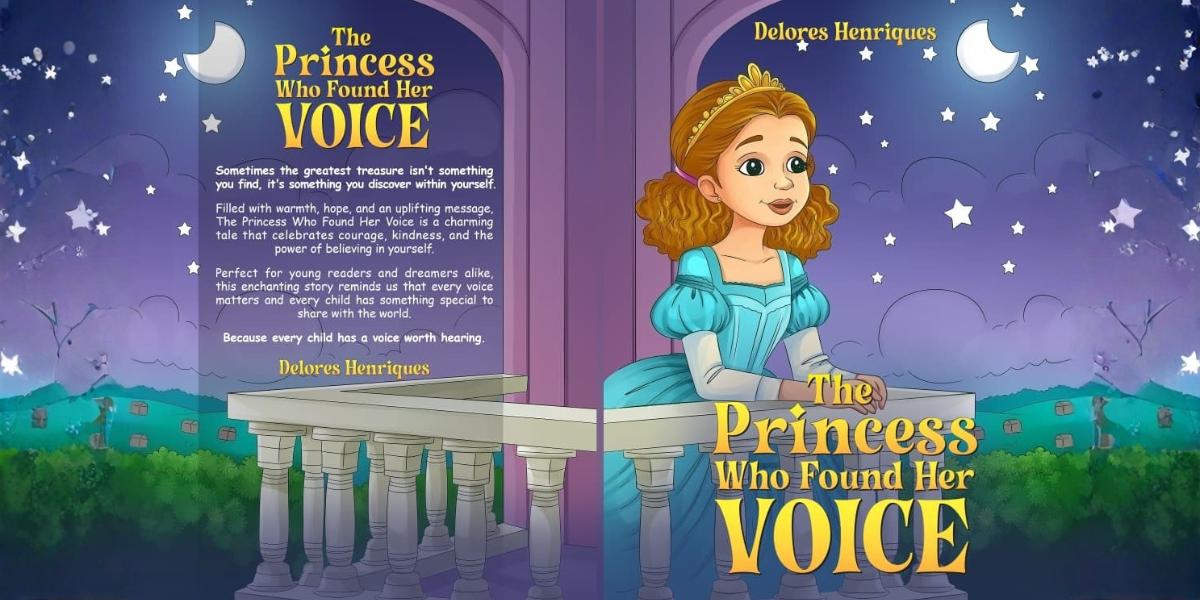
That idea became The Princess Who Found Her Voice, a beautifully illustrated children’s picture book that invites young readers into a royal world where everything appears wonderful, yet something precious is missing.

Henriques dedicated the book to her first-grade students and the children of Dr. Martin Luther King, Jr. Elementary School, encouraging them to recognize their unique gifts and find the courage to share them.

Rather than telling children what confidence should look like, she lets them discover its meaning through the adventures of a little princess.

There are magnificent castles, grand celebrations, beautiful gowns, and all the wonders one might expect from a fairy tale. Yet, beneath the royal splendor lies a question that even grown-ups may find themselves wondering about.

Can someone have everything their heart desires and still feel that something is missing?

To find out, readers must journey to the Kingdom of Trelawne.

Once Upon a Time, There Was a Princess Who Had Everything, But…

In a magnificent palace adorned with golden mirrors, velvet cushions, and more toys than any child could count, lived a little girl named Princess Anne.

Her father, King Greenleaf, loved her more than all the riches in his kingdom. Ever since Queen Liana, Anne’s beloved mother, had passed away, the king had done everything in his power to keep his precious daughter happy.

Whatever Anne wished for, he tried to provide.

Beautiful dresses? Of course!

Painting lessons, dancing, and marvelous puppet shows? Anything for his little princess!

And yet, despite all these lovely things, there were days when Anne wandered through the palace looking terribly sad.

The king was puzzled. What could possibly be troubling his daughter?

One day, a royal adviser offered a rather splendid suggestion. Perhaps the princess needed something the palace had never truly given her: friends her own age.

And so, the king decided to arrange a magnificent birthday celebration, inviting children from villages far and wide.

Oh, what a celebration it would be!

The palace was dressed in ribbons and flowers. Tables overflowed with delicious cakes and sweet treats. Merry music echoed through the grand halls, and children arrived in their finest clothes, eager for an unforgettable day.

Surely, this would be the happiest day of Princess Anne’s life!

But as the festivities began, something unexpected happened.

While the other children laughed, danced, and played together, Anne discovered that joining them wasn’t nearly as easy as she had imagined.

Why did the words seem so difficult to find? And why, even in a room filled with laughter, did she still feel so alone?

What happens next takes readers beyond the glittering palace halls, where a cherished memory, a familiar melody, and a little courage may hold the answer Anne has been searching for.

But can the princess discover what even her loving father could not give her?

Ah, that is a secret best left for young readers to uncover!

A Little Voice Can Make a Wonderful Difference

Beyond its castles and royal celebrations, The Princess Who Found Her Voice offers young readers valuable lessons about confidence, friendship, kindness, and believing in themselves.

For children who struggle to make friends or speak up, Princess Anne’s story offers a gentle reminder that being quiet doesn’t mean having nothing important to say.

As one meaningful line from the book reminds us:

“It’s not about having a loud voice. It’s about having a true one.”

For parents and educators, Henriques’s fairy tale offers a wonderful opportunity to help children talk about their feelings, recognize their strengths, and find the courage to express themselves.

Now published, The Princess Who Found Her Voice by Delores Henriques is a charming addition to family bookshelves, bedtime reading, and elementary classrooms.

Perhaps the next little reader who visits the Kingdom of Trelawne will discover something wonderful about themselves, too.

Because every child has a voice worth hearing.

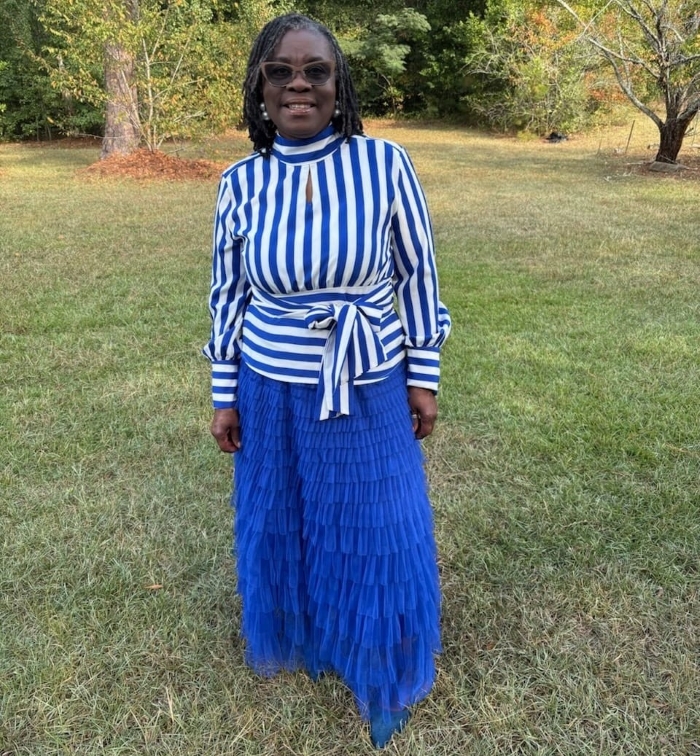
Photo Courtesy: Delores Henriques

About the Author

Delores Henriques is a first-grade educator and children’s book author who believes every child deserves the chance to discover their unique gifts and express themselves with confidence. Inspired by her experiences in education, she wrote The Princess Who Found Her Voice to share meaningful lessons about friendship, kindness, and self-belief through the magic of storytelling.

For more information about Delores Henriques and her books, visit:

Under-Eye Bags and Their Causes, Treatment Options, and Prevention

Under-eye bags are swollen or puffy areas beneath the lower eyelids. They often develop because of aging, genetics, fluid buildup, or changes in skin firmness. Poor sleep and allergies can also make the swelling more noticeable.

Most cases are harmless, and treatments range from simple home care to cosmetic procedures for lasting concerns.

Key Takeaways

• Under-eye bags often develop due to aging, genetics, fluid buildup, or poor sleep. These factors can cause puffiness around the eyes and changes in skin firmness.

• Home remedies, including cold compresses, better sleep, and reduced salt intake, can help manage temporary swelling.

• People looking for treatments for eye bags or puffy eyes may benefit from dermal fillers, laser resurfacing, or lower eyelid surgery, depending on the cause.

• Persistent swelling, pain, redness, or vision changes may require medical treatment to identify and address an underlying condition.

What Causes Bags Under Eyes?

Understanding what causes bags under the eyes can help you choose the right treatment. As you age, the muscles and tissues around the eye gradually weaken.

Fat that normally supports the eyes may shift forward, creating visible fullness beneath the lower eyelids. Skin also loses firmness, making swelling and loose tissue easier to notice.

Several factors can contribute to this appearance:

• Aging and genetics affect fat placement and skin firmness.

• Lack of sleep can make existing puffiness more noticeable.

• Salty foods can lead to fluid retention, especially overnight.

• Allergies and irritation can lead to swelling around the eyelids.

• Smoking can speed up the loss of skin elasticity.

These factors often work together rather than causing swelling on their own.

Someone with inherited eye bags may notice greater puffiness after eating salty foods or sleeping poorly. Identifying these triggers can help you manage temporary changes.

How to Get Rid of Under-Eye Bags at Home

Temporary bags under the eyes may improve with home remedies that target swelling and fluid buildup. These methods can reduce puffiness, but they cannot remove fat deposits or permanently tighten loose skin. Consistent daily care may produce better results than occasional treatments.

Cold Compresses and Daily Care

Cold compresses can help reduce puffiness by narrowing blood vessels and easing temporary swelling. Place a clean, cool washcloth over closed eyes for several minutes. Avoid pressing too hard or placing ice directly against your skin.

Other helpful habits include:

• Reduce salt intake, especially before bedtime.

• Aim for seven to nine hours of sleep each night.

• Keep your head slightly elevated while sleeping.

• Avoid rubbing your eyes when they feel irritated.

• Manage allergies with the treatment your doctor recommends.

These simple habits may help prevent fluid buildup around the lower eyelids. People with puffy under-eye bags caused by temporary swelling may notice changes within a few days. Results depend on the underlying cause and how consistently you follow these steps.

Professional Treatment Options for Eye Bags

When swelling comes from changes in facial structure, home care may not be enough. Professional treatment options can address fat deposits, loose skin, or hollow areas beneath the eyes. A dermatologist or qualified surgeon can evaluate your concerns and recommend an appropriate treatment.

Dermal Fillers

Hyaluronic acid dermal fillers can improve hollow areas between the lower eyelids and cheeks. These injections add volume, reducing shadows that make eye bags more noticeable. They work best for under-eye hollows, not large fat deposits.

Results are temporary, and fillers may cause swelling, bruising, or uneven skin. Rare but serious complications include blocked blood vessels and vision loss. Treatment near the eyes requires a qualified medical professional with experience in this area.

Laser Resurfacing and Skin Treatments

Laser resurfacing can improve fine lines, uneven color, and mild skin looseness around the eyes. The procedure encourages collagen production, supporting firmer, smoother skin. It may improve skin texture but cannot remove significant fat deposits.

Recovery depends on the laser type and strength used. Some patients experience redness, swelling, or temporary changes in skin color. A specialist can explain the expected results and whether another approach would work better.

Lower Eyelid Surgery

Lower eyelid blepharoplasty may help patients with lasting bulges or excess skin. During eyelid surgery, a surgeon removes or repositions fat to create a smoother lower eyelid. The surgeon may also adjust loose skin as needed.

Patients considering eyelid surgery in NYC should schedule a consultation with a qualified specialist. The surgeon can review their facial structure, explain possible results, and discuss recovery.

Common side effects include temporary bruising and swelling, while less common risks include dry eyes, bleeding, and changes in eyelid position. Surgery can provide long-term improvement, although aging continues after the procedure. Results vary based on skin quality, anatomy, and the surgical technique used.

How to Prevent Under-Eye Puffiness

You can’t prevent every cause of swelling, especially when genetics and aging play a role. Still, healthy daily habits may reduce temporary puffiness and protect the delicate eye area. The goal is to limit common triggers while keeping your skin healthy.

Helpful prevention steps include:

• Apply broad-spectrum sunscreen with SPF 30 or higher.

• Wear sunglasses to protect your eyes from the sun.

• Maintain regular sleep and hydration habits.

• Avoid smoking and frequent eye rubbing.

• Treat allergies that cause itching or irritation.

Some skincare products contain ingredients that support collagen and improve the look of aging skin. Retinoids may help with mild wrinkles, but they can irritate sensitive eyelid skin. Ask a dermatologist which products are safe for use near your eyes.

When Should You See a Doctor?

Most cases of swelling beneath the eyes are harmless and mainly affect appearance. In some cases, persistent puffiness may be linked to allergies, thyroid problems, or kidney issues. An allergic reaction may also cause itching, redness, or sudden swelling.

Seek medical advice if you notice:

• Sudden swelling, especially around one eye.

• Pain, redness, fever, or increasing tenderness.

• Persistent irritation or unusual skin changes.

• Blurred vision or ongoing eye discomfort.

Sudden vision loss, severe eye pain, or swelling with breathing problems requires urgent medical attention. A doctor can assess your symptoms, identify the cause, and recommend medical treatment when needed.

Can Under-Eye Bags Go Away Permanently?

Whether eye bags disappear depends on what causes them. Temporary swelling from poor sleep, allergies, or fluid buildup may improve with daily care. Fat deposits and loose skin linked to aging usually require professional procedures for more lasting changes.

People searching for eye bags and puffy eyes solutions may also notice dark circles or hollow areas. These concerns can appear together, but they often need different treatments. An accurate diagnosis helps you choose the right approach and set realistic expectations for your results.

Disclaimer: This article is for general informational and educational purposes only and does not constitute medical advice, diagnosis, or treatment. Individual results and treatment suitability vary depending on a person’s health, anatomy, skin condition, and other factors. Anyone experiencing persistent or concerning symptoms, or considering cosmetic or medical treatment, should consult with a qualified healthcare professional for advice based on their individual circumstances.

Join A Little Dingo As He Navigates The Complex Road To Survival And Hope

By: Elena Mart

“The Southern Cross flickered cool shades of white and blue above a carelessly cluttered den, holding space for every small heart that has ever had to learn how to survive before it learned how to belong.”

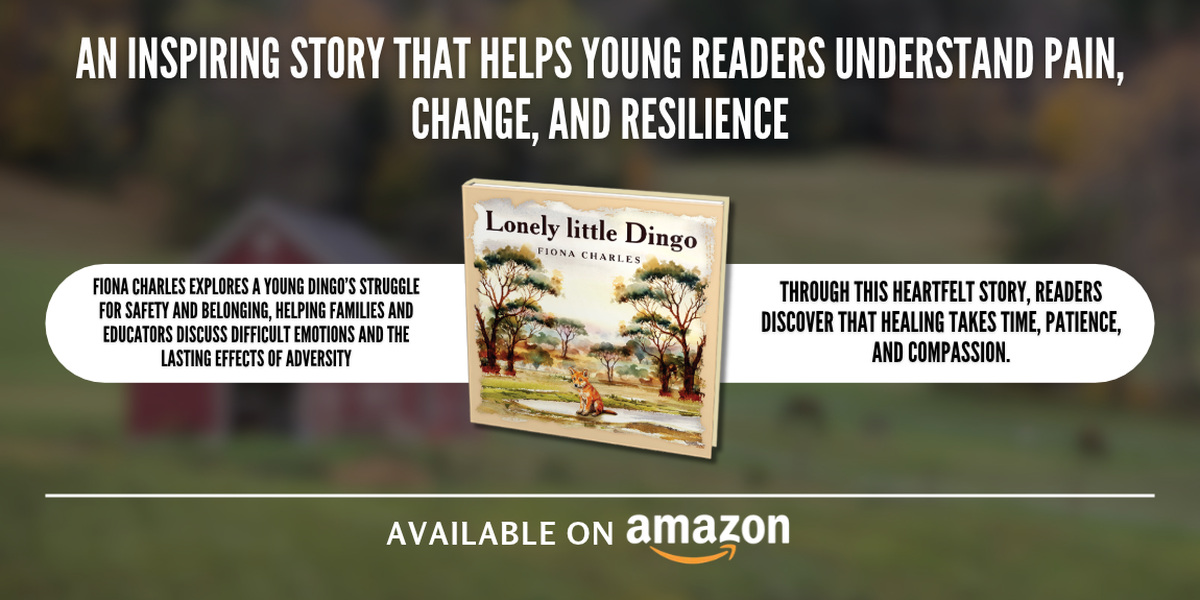
Where most picture books about animals promise comfort by the final page, wrapping up heavy emotional truths in neat, predictable bows, they offer soft landings where every conflict is instantly resolved and every trauma is washed away with a warm hug, Lonely Little Dingo,the striking debut from Queensland author Fiona Charles, completely flips the script. It refuses to tie everything up neatly, choosing instead to honor the messy, complicated, and entirely authentic reality of healing, displacement, and survival.

The story opens beneath a breathtaking night sky as a newborn dingo opens his eyes to the stars for the very first time. Charles writes that the Southern Cross “flickered cool shades of white and blue above a carelessly cluttered den”. It is a quiet, stunning image, but the book quickly strips away that initial comfort, sustained by gorgeous, moody illustrations throughout.

The den is packed with too many wild dogs to count, and it smells heavily of competition and caution. For a tiny, vulnerable pup like Dingo, it is far from a safe haven. The young dingo is “unsure who will be nurturing him,” navigating a daily pattern defined by “a toothy growl here and a sharp snap there,” followed by a nasty bite that spells trouble. When Little Dingo lets out an agonizing yelp, he is simply “dismissed again”. And it becomes glaringly clear that the overcrowded den “Is no place for the vulnerable pup?”

As the days press forward, Little Dingo grows braver. In sunlit scenes bathed in watercolor washes of ochre, rust, and green, he sniffs a vibrant pink wildflower and discovers that the world outside the suffocating den is fresh, bright, and much calmer. Anyone who has ever watched a child find a moment of relief at a friend’s house, a quiet school corner, or out on a sports field will instantly recognize this profound shift.

As the pup wanders a little farther each day, “leaving the chaos of the den behind”, he has no inkling of the danger waiting just ahead. And when the peaceful exploration is shattered by a sudden, terrifying sound: “SNAP!”, as the pup tragically steps into a heavy metal leg-hold trap, and a sharp pain stabs through his hind leg, the book explains his exhaustion, hunger, and total immobilization; he can only “await his fate”.

Where many classical children’s stories treat a rescue as the ultimate happy ending, Charles smartly treats it as the messy middle. “Unfamiliar hands” carry the injured pup to “a new warm,

clean den” that feels and smells entirely strange. Significantly, his first instinctual question is not whether he is safe, but rather, “Where are the other wild dogs?”

This is the book’s emotional heart, a truth well known to child-welfare workers, foster parents, and counselors: true safety rarely feels like immediate relief. At first, it simply feels foreign. Though Little Dingo is fed, bandaged, and washed, “healing well and growing very strong,” he greets his well-meaning human carers with “a hiss and gnarled teeth”. He tears apart his cozy bed and claws furiously at the cage. In a poignant thought-bubble sequence, he replays the biting and growling of his past, feeling “sad and angry again, an unpleasant but familiar feeling”.

Charles captures the delicate psychological nuance that when a child has known only hardship, anger and sadness can feel oddly reliable and comforting. Another page notes that his “heart is damaged, yet he still yearns to see his fractured family one more time”. The book refuses to pretend that a mistreated creature instantly stops missing the ones who harmed them. For children navigating complex family separations, foster placements, or overwhelming life upheavals, seeing that exact contradiction on the page is worth more than any hollow reassurance.

The visual storytelling carries an immense amount of emotional weight as the palette shifts deliberately from the claustrophobic, amber-lit dark of the den to the bright outdoor washes and, finally, to the stark, sterile blues and whites of the clinic. For example, when flashing police and ambulance lights wash across the clinical walls, the scene is unsettling and confusing for Dingo to realise whether he is safe or still in danger.

On the final spreads, Little Dingo is “released, discarded, and left to fend for himself”. He is unsure of his future and where to begin as we see him walking “aimlessly forward”. It is a small, courageous orange silhouette on a long, winding path under the night sky, and in a masterclass of emotional resonance, as Charles writes, “His only companion is hope”.

This book leaves the conclusion open for children, and some readers will find that frustrating, especially parents who want a sturdier landing for small children. On the other hand, many children who go through upheaval, whether through foster placement, family separation, or a series of unfamiliar adults, do not get tidy resolutions. They get to see and experience the next step, wanting to know where the path leads them.

With the largest child-welfare systems in the country, shelters and clinics are filled with children who know what it means to move from one unfamiliar place to another. This book is a valuable resource for teachers and counselors seeking stories that acknowledge these experiences without sensationalizing them. Lonely Little Dingo offers a good way to explore these difficult subjects

and helps children understand that anyone can carry feelings they may not yet be ready to express directly. This book is also a great conversation starter, as after reading it prompts us to ask our children, Why do you think Little Dingo hissed at the people who helped him? What do

you think he was feeling when he remembered the den? It makes complex emotions safe to explore. Quietly operating as a powerful animal-welfare narrative as well, the book highlights the genuine hazards of leg-hold traps in the Australian bush, sparking organic empathy for wildlife that young readers might otherwise overlook.

Rooted in the practical, unsentimental tenderness of an author who works with children daily and brings the steady, grounded patience of a seasoned sports coach, Fiona Charles has crafted a modern classic. It reminds us that healing takes time, independence must sometimes be forged in solitude, and no matter how dark the night gets, hope is always worth carrying forward.

If you are a parent, educator, or caregiver, this picture book is a great story to read to your children because it offers a gateway to conversations. It teaches children about compassion for animals, the consequences of wildlife traps, and the understanding that healing takes time and, at times, they have to survive on their own, nurturing independence.

“Lonely Little Dingo” is a worthy addition to any bookshelf, reminding us all that no matter how dark the night gets, hope can always guide our path forward if we believe in ourselves and have the will to find it.

Are you ready to join Dingo on his extraordinary journey through this beautiful picture book? Head over to Amazon to purchase your copy today: a.co/d/06eevBvv

About the Author

Charles lives in sunny Queensland with her husband of more than 25 years. She is a mother to four adult children and two adult stepsons, with two daughters-in-law and five grandchildren so far, and she works with children daily. She is also a sports coach, having coached AFL, rugby league, and touch football. That background shows in the book’s practical, unsentimental tenderness of a coach who knows that a hurt kid does not need a speech. They need steady adults and room to be difficult.

Book Details

Book Name: Lonely Little Dingo

Author Name: Fiona Charles

ISBN Number: 979-8953260770

Ebook Version: Kindle edition on Amazon

Paperback Version: Paperback edition on Amazon