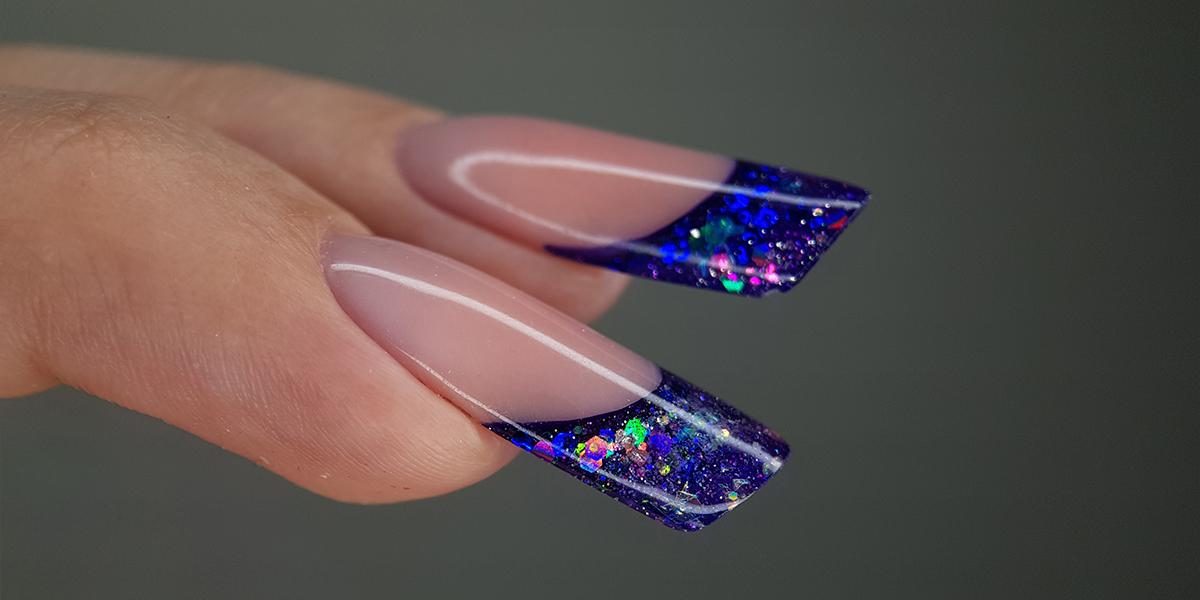

It is still common for a manicure or pedicure to begin with soaking the hands or feet in warm water, since customers are used to this, even though the water is not always necessary. Some salons take a different approach and remove the soak completely, making it easier to see the nails and the surrounding skin as they really are, such as any dry or rough areas. The dry method is also a key part that distinguishes a Russian manicure from a traditional one.
Rather than using water to soften the skin, nail technicians clean the cuticle area and remove dead skin with an e-file, choosing different bits and speeds according to the client’s skin type, nail condition, and personal requirements. For example, with thin nails and sensitive skin, a more gentle approach is recommended – with less pressure, and sometimes it makes sense to change the bit mid-treatment or switch to working by hand.
At Mars Nails, a Russian manicure and dry pedicure salon in Manhattan, the technicians use that flexible way as part of their daily routine by first examining the nails and the surrounding skin, after which they choose the right tools and technique for each individual client.
Why Preparation Matters
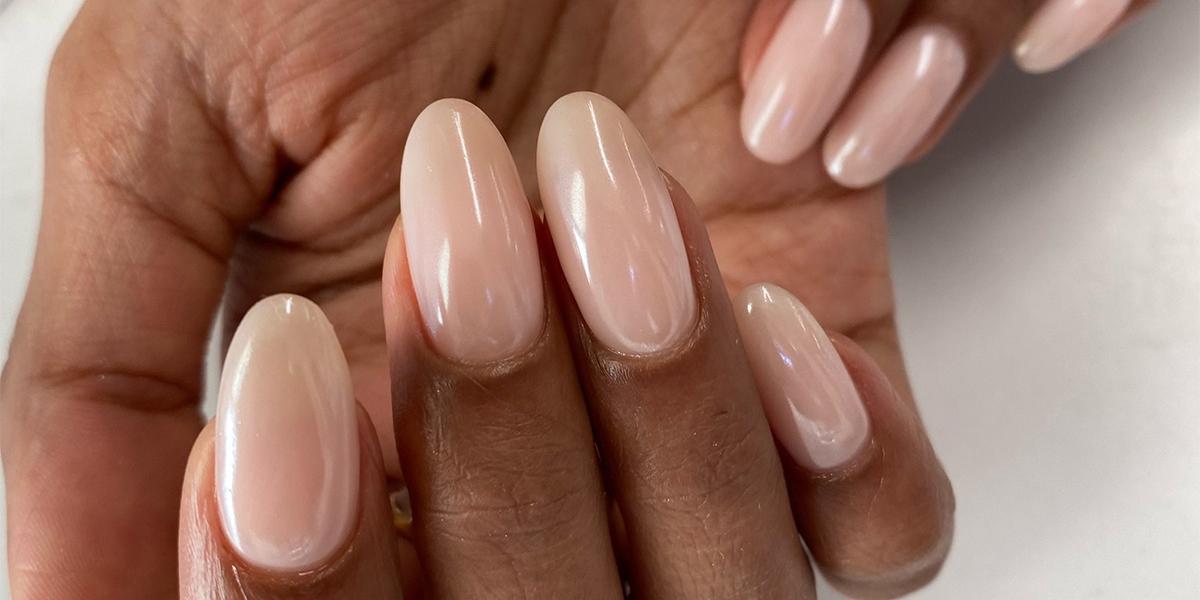
A Russian manicure doesn’t necessarily include gel polish and can easily be done without any coating at all. In either way, the basic elements of the procedure stay unchanged: careful attention to the cuticles and thorough preparation of the nail plate, since working without water lets the technician concentrate more on the cuticle area and the dry skin along the sides of the nails.
Even if the client wishes to have gel polish, it is applied only after this stage, although in the absence of any coating, well-treated cuticles and clean sidewalls do make a noticeable difference to the appearance of the natural nails.
The Same Approach, but Different Pedicure Tools
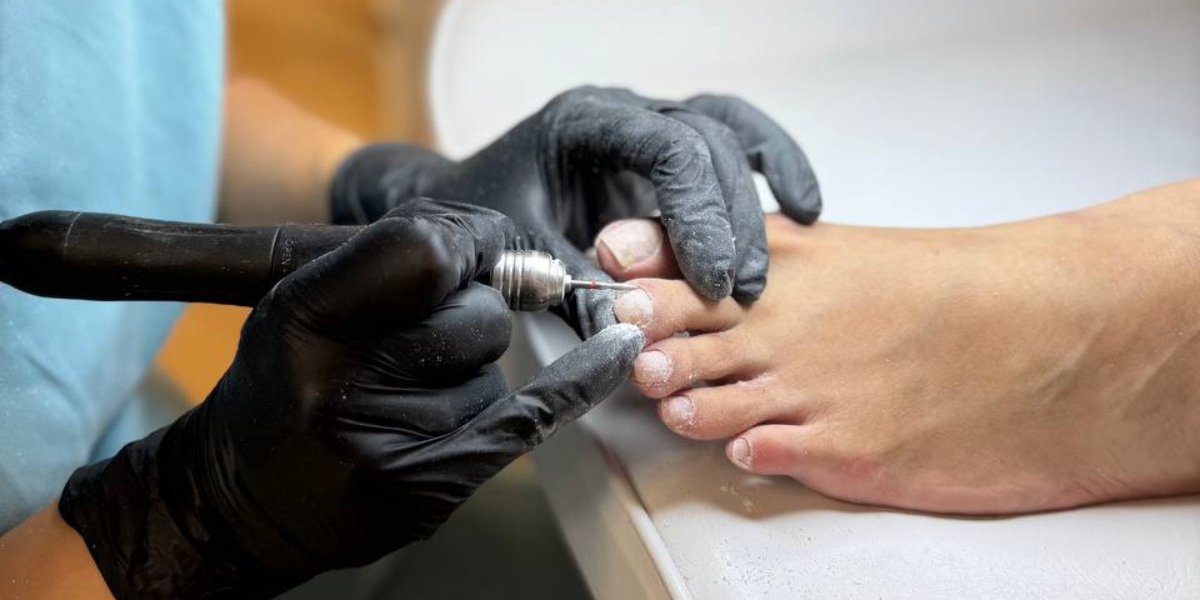
A dry pedicure is not simply a Russian manicure applied to the feet. Since toenails have their own shape and have sensitive sides, even for cutting toenails, special care is needed: instead of cutting off a large piece at one time, the technician shortens the nail in small stages, especially if the nail tends to crack or split.
From there, a soft file is usually enough to finish shaping the nail before the technician selects the appropriate e-file bits to clean the skin around the nails and smooth out small patches of rough skin on the toes.
The heels do, however, need a different approach. Because the skin on the heels is much thicker than the delicate skin around the toenails, and often develops dry, rough areas or calluses, technicians switch to different tools and techniques depending on the skin’s condition and thickness.
What to Look for During and After a Manicure or Pedicure
After the service has been completed, the nails should have smooth edges, with no rough areas that might catch on clothes or any visible scratches caused by filing. The skin around the nails should appear neat and free from any new cuts or signs of redness. With regular or gel polish, it is also a good idea to check the edges of the color since it should stay cleanly on the nail and not spread over the surrounding skin.
During the procedure, you should not have to feel any pain or a burning sensation while your nails are being filed or your cuticles are being treated. Since rubbing the same area repeatedly with an e-file easily leads to irritation, particularly around the cuticles and the toes, you should let the technician know if the skin becomes sensitive so that they can change their technique.
In fact, an experienced nail technician doesn’t work on all areas in the same way; in some places only a little gentle filing may be necessary, another area might require a different bit, and sometimes the best decision is not to touch a sensitive spot at all.
A beautiful coating is easy to appreciate in a photo, but it’s only during and after the appointment that the real quality of nail preparation becomes apparent – and it is precisely these details that are given special attention at Mars Nails.