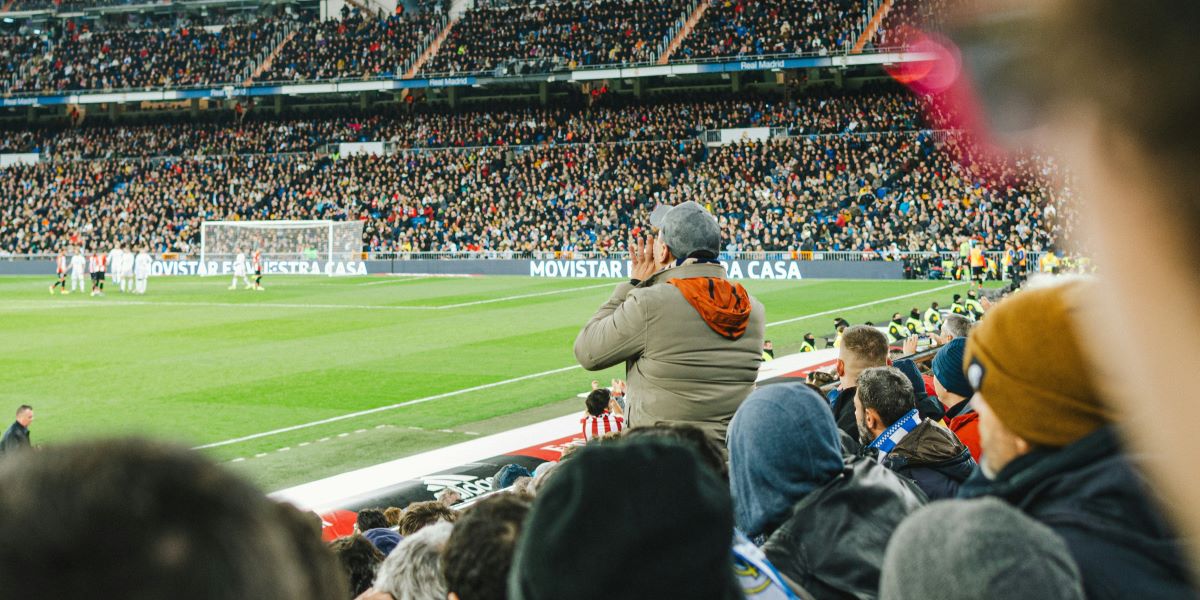

The 2026 FIFA World Cup generated an estimated $2 billion in economic impact for New York City, according to a preliminary analysis released September 30 by the Mayor’s Office and the New York City Economic Development Corporation. Tournament spending supported about 12,100 jobs, and international card spending rose in Manhattan, Brooklyn, and Queens.
Key Takeaways
- Direct visitor spending in New York City reached $1.2 billion, with another $162 million in operational spending tied to the tournament.
- The New York-New Jersey region recorded $3.5 billion in total impact, above the $3.3 billion the Host Committee projected before the tournament.
- New York City captured 56% of the regional economic impact and 70% of all visitor spending, even though every match was played in East Rutherford, New Jersey.
- International Visa card spending rose 19% year over year in Brooklyn, 12% in Manhattan, and 6% in Queens during the tournament.
- Hotel occupancy in the combined Bronx and Staten Island markets increased 6% over the 39-day event.
- NYCEDC’s Choose NYC Summit drew more than 350 attendees from 150 businesses representing 34 countries.
New York City Captured the Majority of Regional World Cup Spending
The eight matches, including the July 19 final, took place at New York New Jersey Stadium across the Hudson. Even so, New York City ended up with most of the money. The NYCEDC figures show the city accounted for more than half of the region’s $3.5 billion total and more than two-thirds of direct visitor spending.
The gap between where the games were played and where the money was spent comes down to infrastructure. New York City’s hotel inventory, transit connections, and dense restaurant and retail corridors made it the natural base for visitors. The FIFA World Cup 2026 New York New Jersey Host Committee reports that 1.3 million match attendees and non-local visitors produced about $1.7 billion in regional visitor spending. With roughly $1.2 billion of that landing in New York City, the city kept most of what a stadium-centered event usually sends elsewhere.
The NYCEDC estimate, prepared with Tourism Economics, covers more than receipts from fans. It also includes purchases by businesses that supplied goods and services during the tournament and spending by workers and households whose income rose because of tournament activity. Officials describe the analysis as preliminary, so final figures may change.
Outer-Borough Growth Points to Wider Distribution
The borough-level data may matter more for small businesses than the headline total. Brooklyn’s 19% rise in international card spending was higher than Manhattan’s 12%. That suggests visitors went past Midtown and into neighborhoods that usually see a smaller share of tourist traffic. Queens recorded a 6% increase, and the Bronx and Staten Island saw hotel occupancy rise by the same margin.
That pattern lines up with the city’s programming during the tournament. The administration hosted more than 100 free watch parties across the five boroughs, turned more than 50 blocks into “Soccer Streets,” streamed matches on LinkNYC kiosks, and secured 1,000 affordable match tickets for residents. Business-facing efforts included a “$26 for 2026” dining special, the “Welcome World Rewards” program, and a World Cup Business Toolkit for local merchants.
Maya Handa, the city’s World Cup Czar, said agencies worked to drive foot traffic to businesses in all five boroughs and that the results showed the tournament worked for New Yorkers broadly. Nancy Mammana, Chief Marketing Officer of New York City Tourism + Conventions, said the programming brought visitors into neighborhoods across Manhattan, Brooklyn, Queens, the Bronx, and Staten Island.
Small Businesses and Hospitality Workers Absorbed the Demand
The 12,100 jobs supported by tournament spending spanned hospitality, food service, retail, and related sectors. For New York City’s roughly 183,000 small businesses, the World Cup worked as a 39-day stress test of how quickly neighborhood operators could take on international demand.
Mayor Zohran Kwame Mamdani credited deli owners, cab drivers, and line cooks with powering the tournament’s local economy. NYCEDC President and CEO Anthony Shorris pointed to restaurant servers, hotel workers, and small business owners as the people who turned a global sporting event into gains for the city.
Regional transit was also preparing for the surge well before kickoff. The accelerated transit investment the Port Authority tied to tournament preparation shows how infrastructure planning shaped the visitor experience that drove these spending figures.
Choose NYC Summit Used the Tournament to Court Global Investment
NYCEDC also used the World Cup to pursue longer-term business development. The Choose NYC Summit brought together more than 350 attendees from 150 businesses across 34 countries. NYCEDC also organized tours of Downtown Brooklyn, Long Island City, the Bronx, Union Square, and Sunset Park for international organizations considering expansion into New York City.
Alex Lasry, CEO of the Host Committee, said the investments, partnerships, and global visibility from the tournament will keep benefiting the region after the final whistle. Whether that turns into new leases, offices, or jobs will become clearer over the next several years.
Disclaimer: This article is based on preliminary economic impact estimates and data released by the New York City Mayor’s Office and NYCEDC. The figures, including visitor spending, jobs supported, and borough-level spending changes, may be revised as additional data becomes available. Economic impact estimates are not the same as direct revenue or profit, and the reported figures should not be interpreted as a guarantee of future economic activity. References to businesses, organizations, officials, and public programs are provided for informational purposes only.
FAQs
How much money did the World Cup bring to New York City?
The 2026 FIFA World Cup generated an estimated $2 billion in total economic impact for New York City. That figure includes $1.2 billion in direct visitor spending and $162 million in operational spending, according to a preliminary NYCEDC and Tourism Economics analysis.
How many jobs did the World Cup support in New York City?
Tournament-related spending supported about 12,100 jobs in New York City, mainly in hospitality, food service, retail, and related industries.
Where were the New York World Cup matches played?
All eight New York-New Jersey matches, including the July 19 final, were played at New York New Jersey Stadium in East Rutherford, New Jersey. New York City still captured 70% of regional visitor spending.
Which borough saw the largest increase in international spending?
Brooklyn recorded a 19% year-over-year increase in international Visa card spending during the tournament, compared with 12% in Manhattan and 6% in Queens.
Did the World Cup beat its economic projections for the region?
Yes. The Host Committee projected $3.3 billion in regional economic impact before the tournament. The updated estimate after the final came to $3.5 billion.