
California’s wellness culture reaches far past the spa. Elective clinics share zip codes with behavioral healthcare and academic medicine. Same neighborhood, though, says little. Credentials inside a building and the conditions a service can handle remain two separate things. Interest in IV therapy in Manhattan Beach shows that overlap in miniature: self-pay wellness appointments are one category, and treatment for a diagnosed condition is another.
What separates clinical care from wellness marketing
No universal formula picks the best IV clinic in town. Screening matters more than lounge decor.
Four questions do the sorting. Who administers care, and who supervises them? Is medical history, medication lists, and allergies reviewed before a needle goes anywhere near your arm? Do staff walk through ingredients, contraindications, cost, and follow-up procedures in plain language? And is the service elective, or aimed at treating a diagnosed condition? A clinic that fumbles any of these four may be investing more in ambiance than in clinical transparency.
IV therapy in Manhattan Beach
Hydration Room IV and Injection Therapy
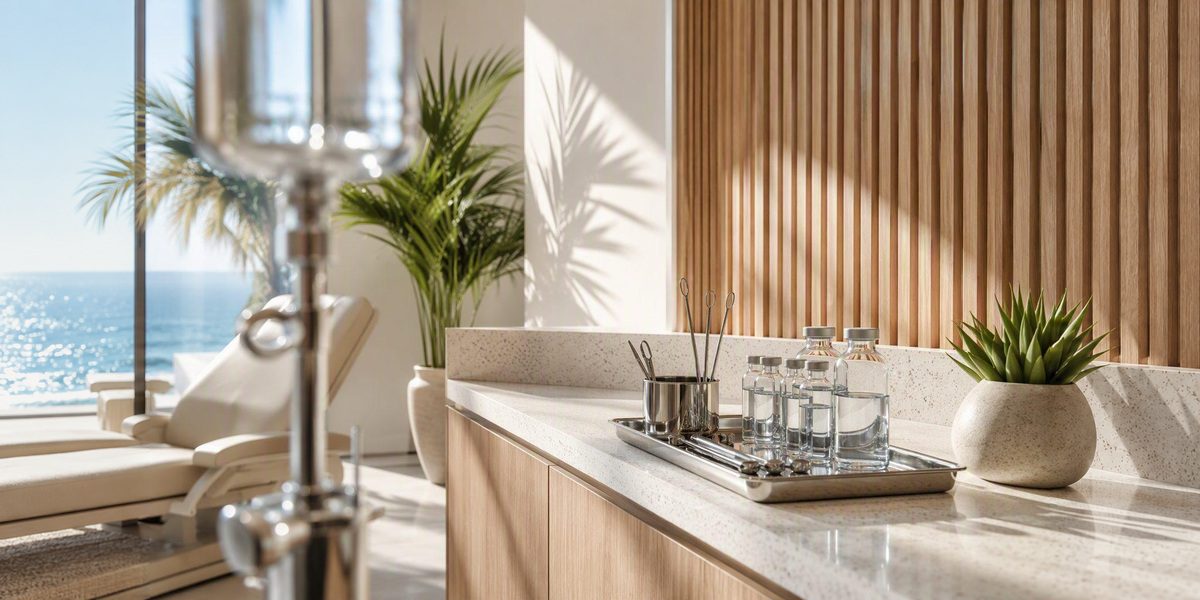
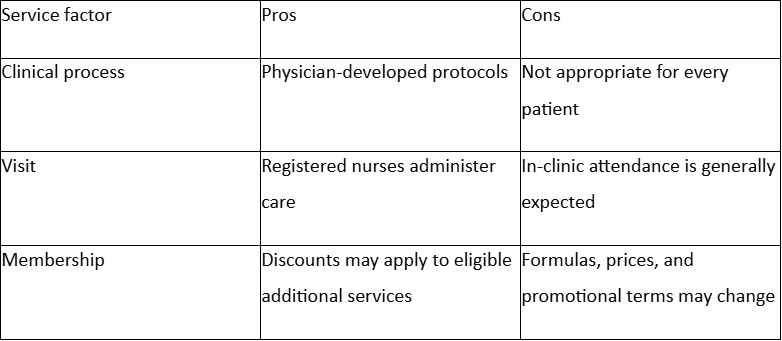
Hydration Room, a physician-founded hydration clinic in Manhattan Beach. IV therapies here deliver targeted fluids and nutrients into a vein, with injections on the menu too, intended to help support a range of wellness goals. Registered nurses staff the clinical lounge. Before the session, every visitor goes through a medical history and allergy disclosure.
Physician-guided IV therapy in Manhattan Beach means physician-developed protocols. Outcomes aren’t guaranteed, and suitability isn’t universal. The licensed medical team signs off on each formula selection or adjusts it. In-clinic appointments take roughly 45 to 60 minutes, depending on the therapy chosen. Pricing moves with the formula, optional additions, and membership terms, so the full price should be on the table before the session starts.
Complementary and residential wellness models
Mystical Oasis Holistic Healing
Not everything sold under the wellness banner involves medicine. Mystical Oasis serves Los Angeles and Orange County with in-person massage, Reiki, yoga, meditation, and sound sessions. Swedish and deep-tissue massage, hot-stone treatments, and aromatherapy round out the bodywork menu. None of it replaces licensed medical or mental healthcare, and clients should check each practitioner’s credentials on their own.
Worthy Wellness Center
Worthy Wellness Center sits at the clinical end of the spectrum, offering residential and outpatient treatment in Carlsbad. Programs here span residential care, partial hospitalization, intensive and standard outpatient services, and sober living. This is a clinical treatment facility, full stop, not an elective wellness service. The dual-diagnosis model treats substance use and co-occurring mental health conditions, and a clinical assessment determines placement. Joint Commission accreditation and California Department of Health Care Services certification support the operation; coverage and private-pay costs, meanwhile, vary by case.
Advanced outpatient mental healthcare
Neuro Wellness Spa runs psychiatric assessment, medication management, and psychotherapy through Southern California clinics, with telehealth open for some psychiatry and therapy services. Its signature offering, TMS, stands for transcranial magnetic stimulation, a noninvasive treatment that requires prior professional assessment. Adult and adolescent services are available, though age restrictions, location limits, and insurance authorization shape who qualifies for what.
Wellness inside major medical systems
Major academic health systems also offer wellness services through distinct programs. UCLA Health’s Integrative Medicine Collaborative connects programs offering whole-person wellness approaches within its health system, including acupuncture, nutrition counseling, and mind-body practices. UCLA Health’s integrative oncology support works alongside patients’ UCLA Health oncology specialists.
Cedars-Sinai promotes annual preventive visits, screening guidance, and disease-specific prevention strategies. Its virtual care and oncology patient and family wellness support sit in separate services, not one package. Each program has its own eligibility rules.
The practical questions on price
So what does a session cost? Costs vary by local market, formula, optional additions, appointment type, and membership status. Request the full price before treatment begins.
Insurance rarely touches elective IV therapy. It is commonly a self-pay service, and Hydration Room does not guarantee reimbursement. Coverage works differently for medically necessary infusions delivered in other clinical settings, so patients should verify benefits directly with the clinic and their insurer.
Worth is a separate calculation. Elective infusions do not replace routine oral hydration, balanced nutrition, emergency care, or prescribed treatment, and realistic expectations matter as much as medical suitability.
Shared geography, separate purposes
California’s wellness settings share a coastline, not a clinical purpose. Elective appointments and complementary relaxation fall into different categories than preventive medicine or licensed outpatient mental healthcare. The setting should match the need: optional wellness support, or assessed medical care for a diagnosed condition. Getting that distinction right at the start saves money, time, and trouble.