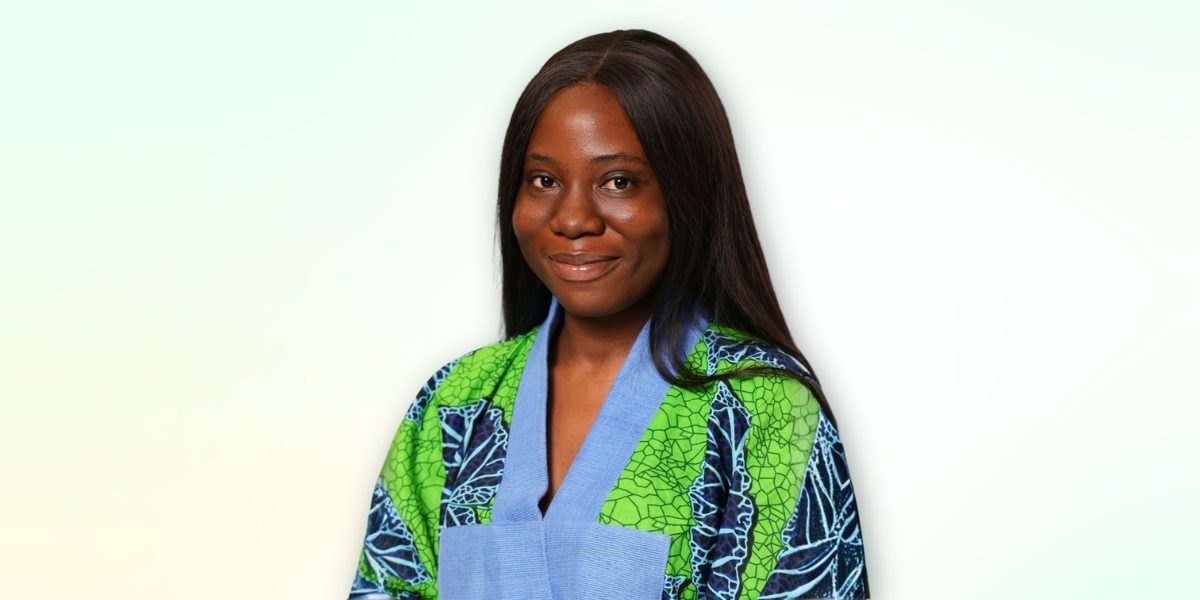

Digital Communication Research in an AI-Driven Era
Digital communication has transformed communication between people, organizations, and communities for information, relationships, and meaning. Mary Adelua, a researcher in digital communication, focuses on how the introduction of digital media and artificial intelligence influence communication. She researches, among other things, AI-mediated communication, the interaction between humans and machines, and the development of reliable communication protocols in a rapid technological change context.
As more and more organizations turn to digital channels and A. I. to interact with audiences, scholars are asking questions about trust, information flow, and communication and technology. Mary Adelua’s research enters into this new arena by investigating the ways in which communication practices change once technology becomes an active causal participant.
Her approach is data-driven, drawing from her professional and academic experience. Before her current path into academia, she was a corporate communications officer with the Nigerian Aviation Handling Company (NAHCO). There, she worked to help optimize the organization’s messaging, reputation, and stakeholder relations. This professional work influences her research into how organizations communicate digitally.
Exploring Communication Between Humans and Technology
AI-Mediated Communication and Human Interaction
Innovation in technology has led to the emergence of ways of communicating with machines that have not been possible before. For example, an automated response to customer queries and an AI-based tool that processes information are various ways in which technology has shaped the way people communicate with information.
Mary Adelua’s research centers on these interactions and the Communication issues that occur when AI systems take part in conversations. Her work explores the ways in which trust is perceived, how assessment of information quality is established, and how users communicate with so-called emerging technology.
One of her key questions is how digital communication can sustain relevance when the technology “stewards the production and transmission” of the messages. Her approach takes into account both the technical dimensions of the communication systems as well as the psychological dimensions that determine acceptance, interpretation, and use.
Digital communication is not only about what platforms people use, but also about the ways in which people develop trust, share information, and craft meaning as technology like AI enters the discussion.
Digital Communication, Organizations, and Information Exchange
Organizations today rely on digital channels to communicate with employees, customers, and communities. These changes create opportunities while also introducing challenges related to transparency, credibility, and responsible information sharing.
The work of Mary Adelua examines how organizations can better understand communication in digital environments. Her research considers how communication strategies evolve when audiences interact through social platforms, online communities, and technology-supported systems.
Her published research includes a 2021 study in Heliyon examining Twitter use during the COVID-19 pandemic and corporate reputation in Nigeria. The study explored how social media communication influenced organizational reputation during a period when public access to reliable information became especially important.
The research reflects broader discussions in communication studies about the relationship between digital platforms, public perception, and organizational responsibility.
Academic Contributions and Research Recognition
Peer-Reviewed Research and Scholarly Engagement
Mary Adelua has developed a research portfolio focused on digital communication, organizational communication, and emerging technologies. Her work has been presented through academic conferences and scholarly platforms, including the Organizational Communication Mediated Conference and the National Communication Association.
Her research has received recognition within academic communities, including a 2026 paper recognized by the African Communication Studies Division at the National Communication Association. She also contributes to the academic field through peer review activities for journals and service on international editorial advisory boards.
These roles support the development of communication research by helping evaluate emerging studies, encourage academic discussions, and strengthen knowledge sharing among researchers.
Teaching and Communication Education
Alongside research activities, Mary Adelua contributes to communication education through teaching courses such as Communication Theory, Communication in Non-Western Contexts, and Principles of Communication. Her teaching connects foundational communication concepts with current discussions about technology, globalization, and digital transformation.
Her academic work reflects the growing need for communication professionals and researchers who understand both traditional communication theories and new technology-driven environments.
Building Research Around Responsible Technology
Supporting Safer Digital Experiences
Through Gazillioncri, a research lab founded by Mary Adelua, she explores issues related to emerging technology, child and teen safety, and language representation in AI models. The initiative focuses on questions surrounding how AI systems represent language and how digital environments can better support younger users.
The development of AI technologies has created discussions about fairness, representation, and responsible design. Research in this area helps identify ways that communication technologies can better serve diverse communities while reducing potential harms.
Through Mary Adelua’s research activities, digital communication is examined not only as a technological process but also as a human experience shaped by culture, trust, and social interaction.
The Future of Digital Communication Research
As AI develops and sets in motion new channels of communication, scientists are exploring how humans and organizations will tolerate this new mode of communication. Adelua’s research feeds into discussions on the trustworthiness of a learning system, organizational adaptation, and the human future.
Her transition from practice as a corporate communication specialist into research illustrates how experience of practice can inspire research questions. Her examination of digital communication in organizational, social, and technological communication contexts extends knowledge of communication practices within changing digital worlds.
Mary Adelua has also continued to investigate how communication can be sustained and meaningful in the face of the increasing translation of communication into technology.
Understanding the Future of Digital Communication
Digital communication is an evolving field that is altered by advances in various technologies. Studies like the one on communication mediated by AI and human/computer interaction can be helpful in understanding the implications of these changes.
The work of Mary Adelua demonstrates broader appeal; it shows the need to explore issues of trust, representation, and responsible communication in technology environments. It ties together the practical experience of communications with work on studying the future of things on the Internet.
More information could be found about her research and activities in her university profile, published articles, and conference presentations on related channels.