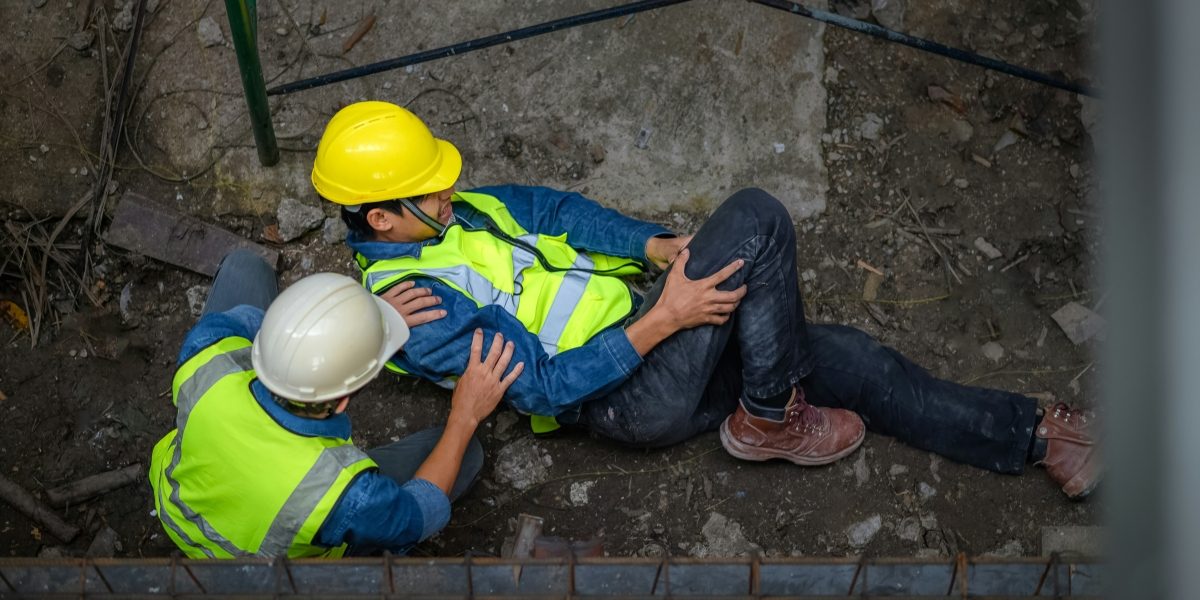

Losing the ability to work after a construction accident changes a family’s life in an instant. In 2025, the Bronx recorded 52 construction-related incidents involving injury or death, part of a citywide total of 320 incidents and 10 fatalities reported by the city’s Department of Buildings. Falls from scaffolds, ladders, and rooftops remained the leading cause of harm, a pattern that has held steady across the five boroughs despite stronger safety training rules. These numbers reflect real people: welders, electricians, laborers, and supervisors who never expected a routine workday to end in the emergency room.
Behind every incident report lies a web of responsibility that workers’ compensation alone cannot untangle. A construction accident attorney in the Bronx can help injured workers pursue claims against negligent contractors, property owners, or equipment manufacturers when someone other than their employer contributed to the harm. Whether the injury involves a fall, crush injury, burn, or repetitive strain, knowing who else may be liable often helps determine whether families can recover the compensation they deserve. The sections below break down how third-party claims actually work.
Who Counts as a Third Party?
A third party is someone other than the injured worker’s employer and its workers’ compensation insurer. Common examples include property owners, general contractors, subcontractors, equipment suppliers, or site managers. This means the responsible party usually controlled a hazard, supplied defective equipment, or failed to meet a legal safety duty, which contributed to the accident.
Workers seeking local guidance can consult a qualified construction accident attorney after an injury. A lawyer can review contracts, site records, witness accounts, and safety reports to determine whether another party contributed to the incident. Such a review matters because workers’ compensation generally limits claims against an employer, while third-party lawsuits follow separate rules.
How Workers’ Compensation Fits In
New York workers’ compensation generally covers medical treatment and part of an injured worker’s lost wages without requiring proof that the employer caused the accident. In exchange, the injured worker usually cannot sue the employer directly for ordinary negligence. The employer’s workers’ compensation insurer handles those statutory benefits.
A third-party lawsuit follows a different path. It requires proof that the outside party acted negligently or violated a construction safety statute. A successful claim can seek damages that workers’ compensation does not provide, including pain and suffering, full lost earnings, and certain household-related losses.
Common Legal Grounds for a Claim
Three legal theories account for most third-party construction claims in New York.
● Negligence
Negligence claims focus on whether a third party owed a duty, breached that duty, and caused the injury. Here are some examples of what that could mean in these cases:
– A property owner could face liability after ignoring a known structural hazard.
– A contractor could face liability after failing to correct an unsafe condition within its control.
The injured worker must connect the breach to the accident. Photographs, inspection records, safety complaints, work orders, and coworker testimony can help establish that connection.
● New York Labor Law Section 240
Labor Law Section 240, often called the Scaffold Law, protects workers from certain elevation-related hazards. It covers activities such as hoisting, erecting, repairing, altering, painting, cleaning, and construction work.
Qualifying workers injured by a fall or falling object can bring a claim against owners, general contractors, or their agents. The statute imposes strict liability for certain safety failures, although the facts determine whether it applies. Homeowners receive a limited exception for certain one- and two-family residential projects.
● New York Labor Law Section 241
Section 241 applies to construction, excavation, and demolition work. It requires owners and contractors to follow the safety rules stated in the New York State Industrial Code. A claim usually depends on identifying a specific Industrial Code provision and proving that its violation caused the injury.
This statute differs from general negligence because the worker must establish a concrete safety-rule violation. Site conditions, equipment placement, housekeeping, protective gear, and work methods can affect the analysis.
Evidence and Deadlines
Prompt accident reporting and same-day medical treatment create the earliest official record of an injury. Photographs, witness names, accident reports, pay records, and communications about unsafe conditions often carry the most weight later. Construction sites can change quickly, so early documentation protects facts that could later disappear.
New York law imposes time limits on personal injury claims. A public entity, municipal property owner, or government project can involve additional notice requirements. A lawyer should review the date of the accident, potential defendants, and project ownership before a filing deadline passes.
How Fault and Settlement Work
Multiple parties can share responsibility for one construction accident. A general contractor, a subcontractor, an equipment owner, and a property owner could each have different duties. Their contracts can also contain indemnification or insurance provisions that affect payment disputes between defendants.
The injured worker’s conduct does not automatically defeat every claim. New York generally uses comparative fault. Hence, a court can reduce damages according to the worker’s assigned share of responsibility. Settlement discussions should account for workers’ compensation liens, medical expenses, future treatment, and lost income.
Where Recovery Can Come From After a Construction Injury
A workers’ compensation award does not identify every possible source of recovery after a construction injury. A separate claim could exist against an owner, contractor, subcontractor, or equipment-related defendant, depending on the evidence and applicable law.
Photographs, medical records, wage information, and witness details typically form the backbone of a third-party case. A prompt legal review helps sort out which parties belong in it, which matters because filing deadlines run and job site evidence disappears.
Disclaimer: The content in this article is provided for general knowledge. It does not constitute legal advice, and readers should seek advice from qualified legal professionals regarding particular cases or situations.