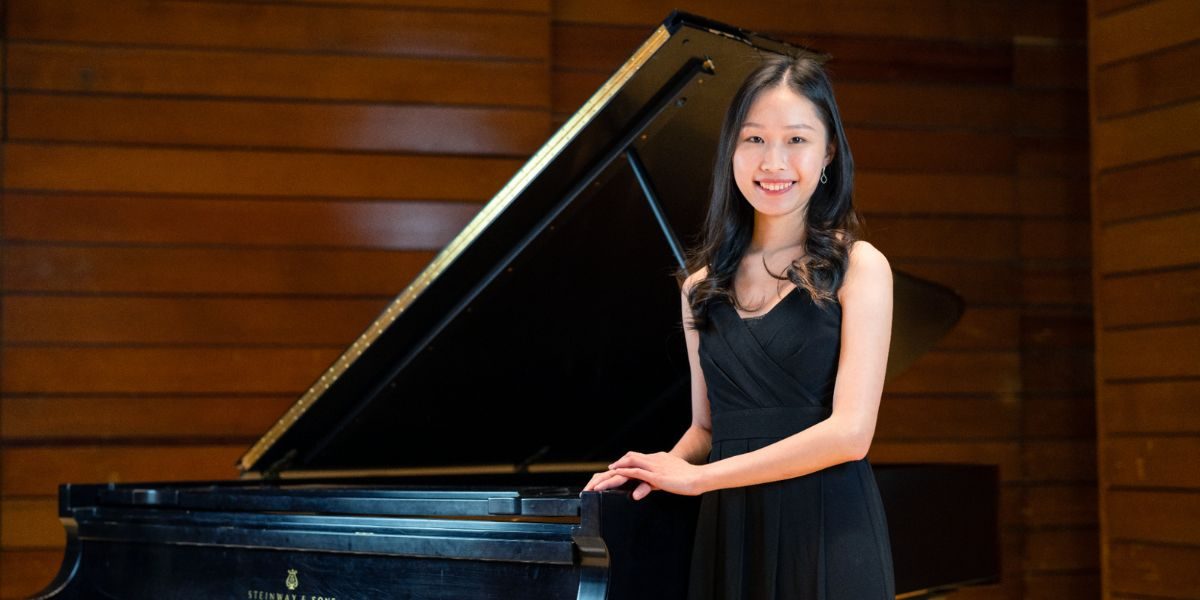

In today’s classical music landscape, technical virtuosity is no longer enough to distinguish an exceptional concert pianist. Audiences increasingly seek performers who possess not only impeccable technique but also an unmistakable artistic voice. For concert pianist Sau In Tiana Wong, that voice is defined by something remarkably rare in the modern concert world: absolute clarity, expressive refinement, and an unwavering respect for the composer’s intentions.
Born in Hong Kong and now performing professionally in the United States, Wong has steadily established herself as an artist whose career reflects both international accomplishment and artistic authenticity. Rather than chasing trends or unconventional interpretations, she has cultivated a musical philosophy rooted in the enduring traditions of classical performance, believing that the greatest artistry often lies in revealing the score.
That philosophy has guided every stage of her career.
Among the defining milestones of her career was an appearance at Weill Recital Hall at Carnegie Hall, a venue that has long served as a benchmark for distinguished concert artists. For many musicians, performing at Carnegie Hall represents the realization of years of discipline and artistic commitment. For Wong, it became another chapter in a career built upon consistency, preparation, and uncompromising musical standards.
Yet what truly distinguishes Wong is not simply where she performs, but how she performs. At the heart of her artistry is a philosophy deeply influenced by the great traditions of classical piano playing, particularly the Russian concept of intonation (интонация). More than a technical idea, intonatsiya represents the belief that every musical phrase should breathe and sing with the expressive qualities of the human voice. Musical speech is defined as a melodic line that possesses direction, purpose, and emotional inflection. Every phrase tells a story.
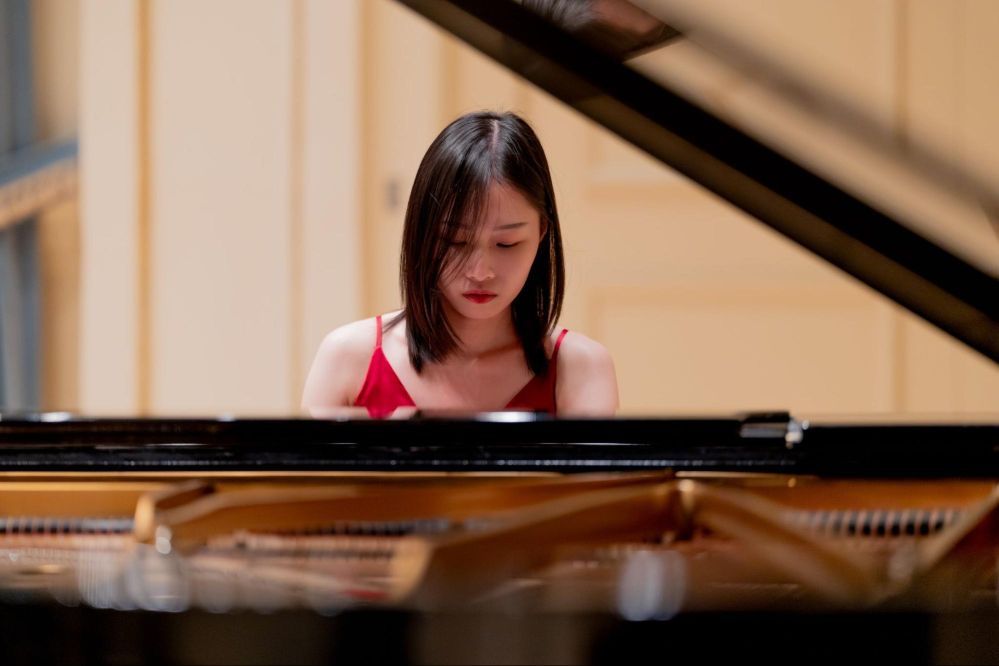
For Wong, this principle transforms performance from an exercise in virtuosity into an act of musical communication.
“I believe the piano should sing,” she often explains when discussing interpretation. “Every note should have meaning, every phrase should have direction, and every voice should contribute to the larger architecture of the music.”
That philosophy naturally leads to another defining characteristic of her playing: exceptional clarity.
Whether performing Bach’s intricate contrapuntal writing, Mozart’s elegant transparency, Beethoven’s structural brilliance, or the lyrical richness of the Romantic repertoire, Wong approaches every work with meticulous attention to balance and articulation. Inner voices are never sacrificed for volume. Harmonic movement is carefully illuminated. Musical structure remains audible from the opening phrase to the final cadence.
The result is a style of performance frequently described by audiences as possessing a crystal-like quality.
She believes that the masterpieces of the classical repertoire have endured precisely because of their extraordinary craftsmanship. Rather than imposing excessive personal interpretation upon the score, she seeks to reveal the architecture already embedded within the music. Every dynamic, articulation, and phrase serves the composer’s larger design.
This disciplined approach reflects her admiration for the structured Classical tradition, where proportion, balance, and formal coherence form the foundation of expressive freedom. In Wong’s view, genuine musical expression emerges not through abandoning structure but through fully understanding it.
Today, Wong serves as Artist-in-Residence at St. Mark’s Episcopal Church in Medford, Oregon, where she continues to present performances while contributing to the cultural life of her community. As classical music continues to evolve in the twenty-first century, Wong represents a generation of concert pianists who understand that lasting artistry is built not only upon technical achievement but upon thoughtful musical conviction.
Her performances are not designed to astonish through spectacle. They invite audiences to hear the elegance of a Bach fugue, the architectural grandeur of Beethoven, the vocal lyricism of Chopin, and the timeless beauty that emerges when every phrase is shaped with intention.
For Tiana Wong, the highest compliment is not that listeners remember the performer. It is that they leave with a deeper appreciation of the music itself. In an age increasingly drawn toward novelty, Wong’s commitment to clarity, intonatsiya, and enduring classical values serves as a compelling reminder that authenticity never goes out of style.