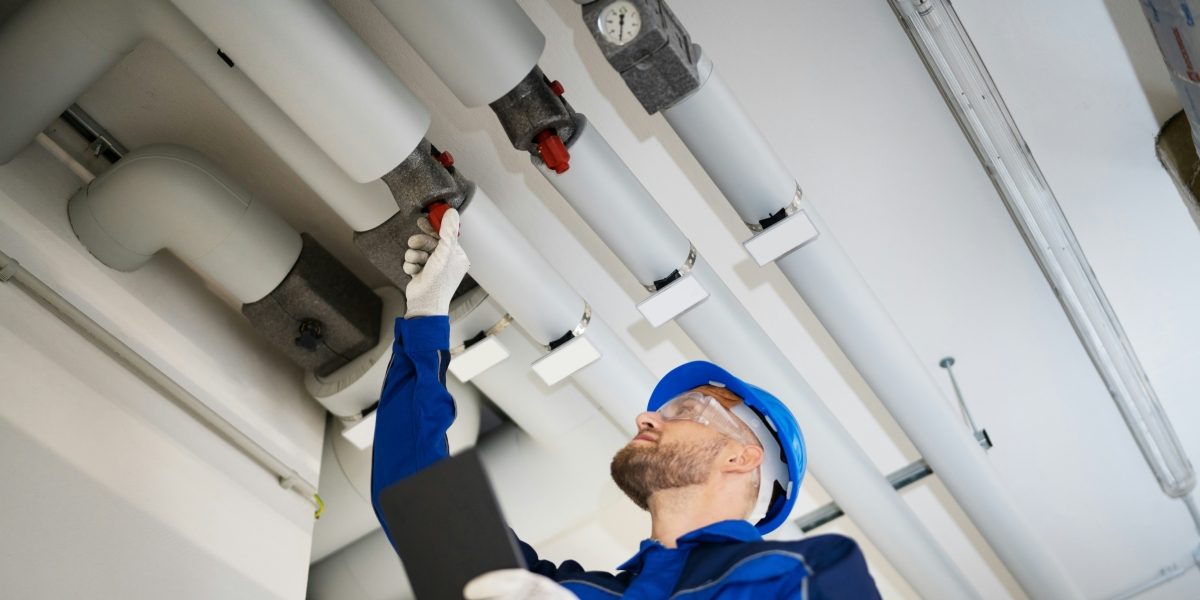

Modern commercial and industrial properties rely on dependable mechanical infrastructure to keep everyday activities running smoothly. Heating, cooling, water distribution, drainage, and other essential systems must be properly planned and coordinated. Companies such as Binsky Mechanical provide mechanical contracting solutions covering commercial HVAC, plumbing, emergency services, and major construction projects. Their experience with industrial plumbing supports businesses and facilities that need dependable building systems, combining engineering knowledge, skilled workmanship, modern technology, and organised project management to complete work efficiently and within planned budgets and schedules.
Understanding Commercial Mechanical Contracting
Commercial mechanical contracting involves the design, installation, maintenance, replacement, and repair of the systems that support a commercial building. It is a broad field that can include heating and cooling equipment, plumbing networks, boilers, water heaters, drainage systems, process piping, and other specialised mechanical installations.
Every commercial property has different requirements. An office building may need efficient climate control and standard plumbing, while a manufacturing facility or healthcare building can require much more specialised infrastructure. Mechanical contractors must understand these differences and coordinate their work with architects, engineers, construction teams, and facility managers.
Effective coordination is particularly important during construction because plumbing, ductwork, electrical components, and structural elements often occupy the same areas. Proper planning can reduce installation conflicts and make future servicing easier.
The Role of Industrial Plumbing
Industrial plumbing is a specialised area of mechanical construction that supports facilities where water, drainage, or process piping plays an important role in daily operations.
Industrial environments can place greater demands on plumbing systems than typical residential or small commercial properties. Some facilities may require piping capable of handling high temperatures, significant pressure, specialised fluids, or demanding operating conditions. Materials and installation methods must therefore be selected according to the requirements of each application.
Industrial plumbing can cover a variety of systems, including water distribution, drainage, sewer infrastructure, process piping, compressed air, specialty gases, high-purity systems, and connections for industrial equipment.
Because these systems can directly affect production and facility operations, proper design and installation are essential. A well-planned system can improve reliability while making inspection, maintenance, and future modifications more manageable.
Commercial HVAC and Plumbing Working Together
HVAC and plumbing systems frequently interact within commercial buildings. Heating equipment may depend on boilers and hot-water systems, while cooling equipment can require drainage and water-management solutions.
Coordinating HVAC and plumbing installations from the early stages of a project helps ensure that equipment and pipework are positioned correctly. It can also prevent problems caused by limited access or overlapping mechanical services.
Mechanical contractors often collaborate with other construction professionals to coordinate equipment locations, pipe routes, ductwork, maintenance areas, and service connections. This integrated approach can help create a more organised mechanical system and simplify future maintenance.
Emergency Mechanical Services
Mechanical problems can become disruptive when they occur unexpectedly. A damaged water line, blocked sewer, failed water heater, or serious HVAC breakdown may interfere with normal business operations and potentially cause additional property damage.
Emergency mechanical services are designed to address these situations as quickly as practical. A qualified contractor can investigate the source of the problem, determine which systems have been affected, and carry out the necessary repairs.
For commercial and industrial properties, emergency response can be particularly important because mechanical failures may affect employees, customers, equipment, production processes, or building operations. Having access to experienced service professionals can help facilities respond more effectively when unexpected problems occur.
Technology in Mechanical Construction
Technology is playing an increasingly significant role in modern mechanical construction. Digital planning tools, Building Information Modeling, virtual construction, and other coordination technologies can help project teams understand complex mechanical installations before physical work begins.
Building Information Modeling can provide a detailed digital representation of a building and its systems. Contractors can use these models to review the positioning of pipes, ducts, equipment, and structural components. Identifying potential conflicts during the planning stage can reduce the need for costly changes during construction.
Modern digital tools can also improve communication between project participants and help teams maintain better documentation throughout the construction process.
Prefabrication and Project Efficiency
Prefabrication is another approach that can improve the organisation of large mechanical projects. Instead of completing every assembly directly at the construction site, selected components can be prepared in a controlled environment before being transported for installation.
This method can reduce the amount of cutting, fitting, and assembly required on site. It may also help minimise congestion in busy construction areas and provide greater consistency across repeated installations.
For large commercial or industrial developments, prefabrication can be especially useful when projects involve numerous similar components or strict construction schedules. Better preparation can help installation teams work more efficiently while maintaining the required specifications.
Maintenance and Long-Term Reliability
Mechanical systems require attention even after a construction project has been completed. Preventive maintenance can help identify developing problems before they become major failures and can support the long-term performance of equipment and infrastructure.
Commercial plumbing maintenance may involve checking water lines, drains, water heaters, fixtures, backflow prevention equipment, and other components. HVAC maintenance can include equipment inspections, cleaning, servicing, and replacement of worn parts.
Regular maintenance also gives facility managers an opportunity to identify ageing equipment and plan upgrades before a failure causes significant disruption. A structured maintenance programme can therefore contribute to more predictable operating costs and improved system reliability.
Choosing a Mechanical Contractor
Selecting a mechanical contractor involves considering several factors beyond the ability to complete an installation. Experience with similar facilities, engineering capabilities, safety practices, project coordination, emergency support, and maintenance services can all be relevant.
Commercial and industrial projects can involve complex requirements, multiple contractors, strict schedules, and specialised equipment. Working with an experienced mechanical contractor can help coordinate these different elements and keep the project moving according to its planned requirements.
Binsky Mechanical has extensive experience in mechanical contracting and construction and works across areas such as healthcare, life sciences, education, technology, data facilities, commercial properties, government, and industrial buildings.
Successful mechanical contracting ultimately depends on combining careful planning with practical construction expertise. Whether a facility requires new industrial plumbing, HVAC improvements, emergency repairs, maintenance, or a major mechanical installation, a coordinated approach can help create reliable systems that support building operations over the long term.