
A medical device can look deceptively simple once it reaches the people it was designed to help. Getting it there, however, can take years of engineering, software development, clinical research, regulatory work, and manufacturing.
That process is playing out at Solius, where teams have developed an FDA-cleared, over-the-counter UVB light therapy device designed to stimulate vitamin D production in adults aged 22 and older.
A typical session takes about five minutes once a week. Before the device delivers UVB light, a built-in sensor measures the user’s skin, and the app uses that information to calculate a personalized dose.
For the user, it’s a straightforward experience, but behind the scenes, teams must work together to make sure the technology is safe, practical and reliable to use.
As medical technology moves from development into real-world use, new challenges emerge. A promising concept has to become a workable design, then a tested product, then something that can be manufactured and used by patients.
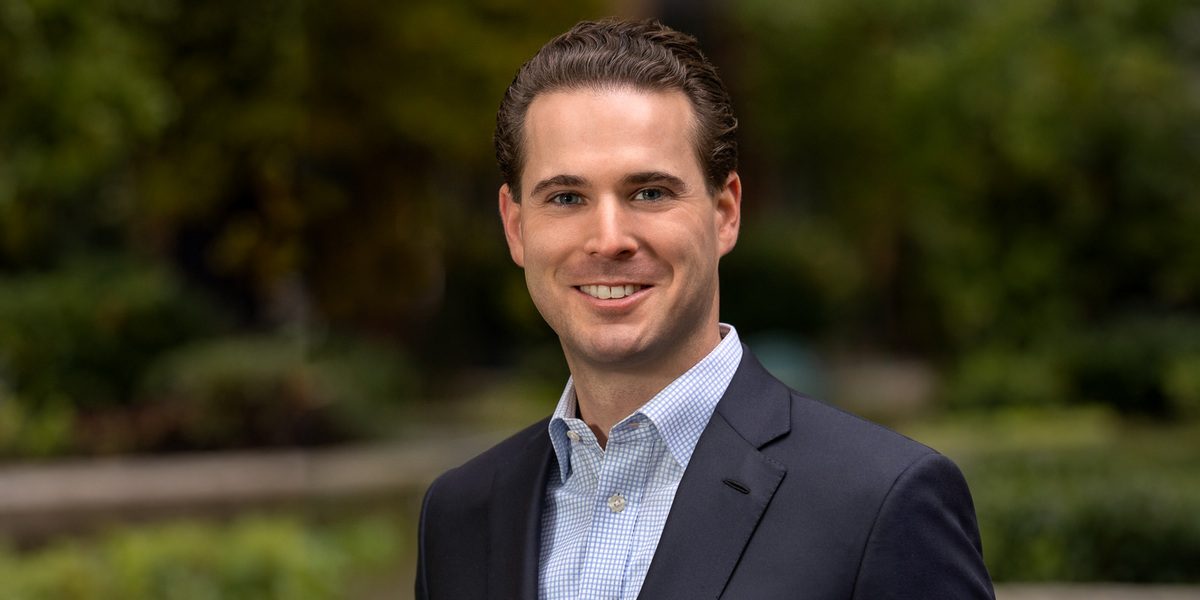
That kind of collaboration is familiar to Christopher Kiple, CEO of Solius Labs, who previously worked with teams at Ventec Life Systems to develop and commercialize medical technology.
The technologies may be different, but the underlying principle is the same: successful medical innovation depends on people with different areas of expertise working together toward a common goal.
Solving a Patient Problem From Six Different Angles
At Ventec Life Systems, Chris Kiple was part of the team that developed VOCSN, a first-of-its-kind multifunction ventilator that combined six medical devices in one portable system.
Bringing six functions into one portable device required the team to consider the technology itself while also addressing the real-world challenges patients faced.
“There was nothing more energizing than listening to patients’ challenges and working with our team to develop real-world solutions to improve lives,” Kiple said.
Engineers, clinicians and specialists all had a different job, but they were working toward the same outcome: a device that worked for the people who needed it most.
As Ventec moved toward commercialization, the team worked on producing the device at scale and getting it to market. Then, COVID-19 changed the problem completely. Ventec already had the ventilator technology. Now, the question was how to produce far more of it, much faster.
Combining Medical Expertise With Manufacturing Muscle
During the pandemic, Ventec partnered with General Motors to rapidly increase production of its critical-care ventilators. The companies brought unique strengths to the problem. Ventec understood medical devices and ventilator technology, while General Motors knew how to manufacture complex products in very large quantities.
Together, they increased ventilator production 80-fold in less than six months.
Ventec’s challenge was not to create a new ventilator, but to take an existing product and manufacture it at a scale far beyond what its operations had previously been able to handle.
The partnership brought together the strengths of both organizations, combining Ventec’s medical device expertise with General Motors’ experience in mass production. Rather than trying to master each other’s fields, the two companies combined their expertise to solve a problem much faster than either could have alone.
Collaboration, in this way, does not always mean everyone working on the same task. Sometimes it means recognizing the strengths and experience that others bring to a problem and giving them the opportunity to put those skills to use.
That also requires being willing to learn from people outside your own area of expertise rather than assuming the best answer has to come from inside the organization.
“I learned an incredible amount from the GM team and was inspired by how people can come together to do the impossible,” Chris Kiple said.
Designing for the Five Minutes That Matter
Solius presents a different kind of challenge than VOCSN. Rather than a ventilator used in critical care, Solius is an FDA-cleared, over-the-counter UVB light panel designed to help people 22 and older produce vitamin D.
This changes what the team needs to think about. Someone may use Solius without a doctor or nurse in the room, so the instructions, treatment settings, and safety features have to be built into the product itself.
The app guides the user through the treatment, while other features monitor the user’s distance from the panel, confirm that protective eyewear is being used, and prevent another session from starting within 24 hours.
These features show the responsibility that comes with designing a medical device for independent use.
In a hospital or doctor’s office, a clinician can step in if a patient is standing in the wrong place or does not understand an instruction. With a self-guided device, safeguards such as positioning sensors, protective eyewear detection, and app guidance are much more important. A confusing instruction or missed step can have far greater consequences than a frustrating user experience.
Different members of the development team ask different questions. A software developer may ask whether the user knows what to do next, while a clinical researcher asks whether the treatment is backed by scientific evidence. Engineers are often concerned with whether the device is working correctly.
Testing helps answer those questions.
In FDA-reviewed usability testing conducted by Eurofins Clinical Research Laboratories, 27 users with Fitzpatrick skin types I through VI tested Solius. No adverse skin reactions or other adverse events were observed.
Researchers have also studied whether Solius produces the intended increase in vitamin D, with findings published in a randomized, placebo-controlled trial in the peer-reviewed journal Anticancer Research.
Research into UVB also extends beyond vitamin D, with studies examining possible effects on immune activity, the gut microbiome, cardiovascular processes and metabolism. Still, those findings do not change what Solius is FDA-cleared to do. The device is not intended to diagnose, treat, cure or prevent diseases outside the uses described in its user manual.
The team also has to understand what the evidence shows and where its limits are. Solius works with an independent Scientific and Medical Advisory Board that advises on clinical research, safety, effectiveness and appropriate use.
Building the device is only the beginning. Teams also have to ensure it works as intended, is easy to use, and is supported by the right evidence.
Moving From Development Into Everyday Use
Once a medical device has been built and tested, the next challenge is making sure people can use it safely and correctly outside of a research setting.
Solius is designed for use in medical and longevity clinics, fitness and performance facilities, spas, hospitality settings, healthy-aging organizations, and employee health programs.
Because each setting works differently, the team has to consider where the device will be placed, how it will work alongside existing services, and how people will complete sessions on their own.
Those questions often bring together people from commercial, software, medical, and regulatory teams. One person may be thinking about how Solius fits into a business, while another is focused on whether the app is easy to use or whether the company’s claims are supported by the available evidence.
Having those different perspectives can also help the team catch problems earlier. An engineer might see a technical issue, while a clinician may notice something that could affect patient care. A software developer may spot a confusing instruction, and a regulatory specialist might flag an unsupported claim.
Chris Kiple has seen the value of that collaboration at both Ventec and Solius. No one person needs to understand every part of the process. Instead, each specialist needs to know their area well and understand how their work affects the larger problem the team is trying to solve.
That is what helps turn medical technology from something that works in development into something people can actually use and benefit from.
Disclaimer: This article is for informational purposes only and does not constitute medical advice. Readers should consult a qualified healthcare professional before making health-related decisions. Individual results may vary.