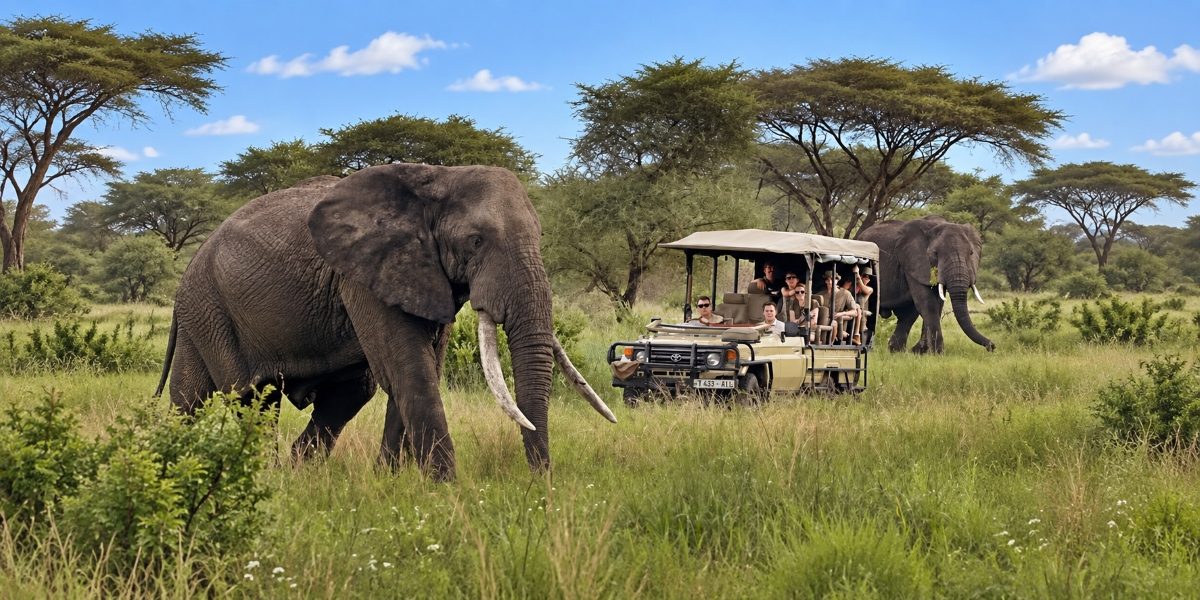

Planning a trip that covers the Masai Mara, mainland Tanzania, and Zanzibar sounds simple until you actually sit down and try to build the route. Border crossings, park fees, flight connections, and the sheer size of East Africa can turn a dream trip into a logistics headache pretty fast. Most travelers start with one clear picture in their head, lions in golden grass, a boat pulling up to a white beach, and then get stuck figuring out how those two worlds actually connect on a map, let alone a calendar.
This guide walks through how a safari in Tanzania links up with a Kenyan Masai Mara add-on and a Zanzibar beach finish, region by region, so you can plan something that actually works instead of piecing together five different blog posts at 1 am.
Why Combine Masai Mara, Tanzania, and Zanzibar in One Trip
There’s a reason so many people chase this exact combination. The Masai Mara and Tanzania’s northern circuit- Serengeti, Ngorongoro, Tarangire- sit right next to each other geographically, even though one is in Kenya and the other isn’t. Wildlife doesn’t care about borders, and the Great Migration proves that every year as wildebeest herds move back and forth across the Mara River depending on the season.
Add Zanzibar into the mix and you get something most safari-only trips can’t offer: a real change of pace. After five or six days of early wake-up calls and dusty game drives, spending a few days on Zanzibar’s coast, Stone Town’s narrow alleys, spice tours, and the turquoise water off Nungwi or Paje gives the trip a rhythm. It’s not just tacked-on beach time; it genuinely balances the itinerary.
Building Out Your Tanzania Safari Route
A solid safari in Tanzania usually anchors around three or four parks, and the order matters more than people think. Most itineraries start in Arusha, then move through Tarangire (known for its baobabs and elephant herds), down to the Ngorongoro Crater, and finish in the Serengeti, where you’ve got the best odds at big migration action or predator sightings depending on the month.
Some travelers try to cram in five parks over six days, and honestly, that’s where trips start to feel rushed. Long drives between parks eat into actual game-viewing hours. A better approach, and this is something a company like Africa Joy Tours would typically map out for clients, is to pick fewer parks and spend real time in each one, letting the guide adjust the daily plan based on what’s actually being spotted that week rather than sticking to a rigid checklist.
Timing Your Tanzania and Mara Combo
If the goal is combining both regions, June through September works well for a lot of people. The dry season keeps roads passable and concentrates wildlife around water sources, which makes for easier viewing even outside peak migration weeks. January and February are also worth considering, calving season in the southern Serengeti brings enormous herds and, frankly, a lot fewer other vehicles around.
Where Zanzibar Fits Into the Itinerary
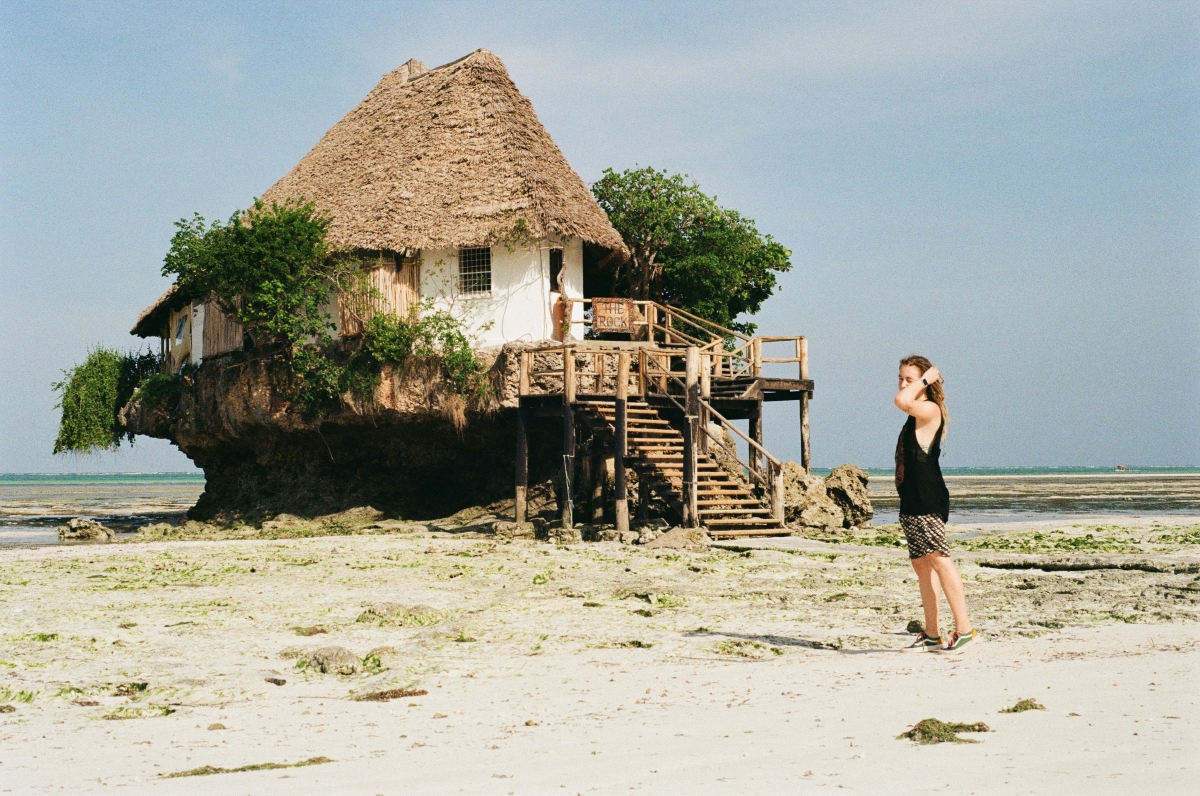
Most people book Zanzibar as the closing chapter, and that’s generally the right call. Flying from Arusha or the Serengeti to Zanzibar takes roughly an hour and a half, and there are direct charter and scheduled options that skip the need to backtrack through a major hub.
Once you’re there, the island splits pretty cleanly into zones. The north (Nungwi, Kendwa) has calmer water and better swimming conditions year-round. The east coast (Paje, Jambiani) is where the kite-surfing crowd goes, and it’s got a slower, more local feel. Stone Town itself is worth at least one full day even if you’re not a history buff, the mix of Swahili, Arab, Indian, and colonial architecture packed into those narrow streets is genuinely unlike anywhere else on the coast. A Tanzania safari with Zanzibar tacked on at the end really does feel like two completely different trips stitched together in the best way.
Choosing Between a Tailored Tour and a Fixed Itinerary
There’s a real difference between booking a rigid, pre-packaged tour and working with an operator who’ll actually adjust things based on your dates, budget, and what you want out of the trip. The phrase “best African safari tours” gets thrown around a lot in marketing, but what actually makes a trip good usually comes down to smaller things: a guide who knows where the pride has been hiding that week, a camp that isn’t overbooked, transport that doesn’t leave you sitting at an airstrip for three hours.
If you’re weighing lodges versus tented camps, camps generally put you closer to the action and often cost less for a comparable experience, though lodges win on creature comforts if that matters more to your group.
Budgeting Realistically for the Full Route
Costs vary a lot depending on season, accommodation style, and how many parks you’re covering, so it’s hard to give one number that fits everyone. What’s fair to say is that park fees, cross-border flights, and peak-season lodge rates add up faster than most first-timers expect. Building in a buffer of 15-20% beyond your initial budget estimate tends to save a lot of stress once you’re actually booking flights and permits closer to travel dates.
Final Thoughts on Planning This Route
Combining the Masai Mara, a Tanzania safari, and Zanzibar isn’t complicated once you understand how the pieces connect. It just takes a bit more upfront planning than a single-country trip. Get the seasonal timing right, don’t overpack the itinerary with too many parks, and leave enough days on Zanzibar to actually unwind. Do that, and you’ll end up with a trip that hits both the wildlife and the beach in a way that feels earned, not rushed.