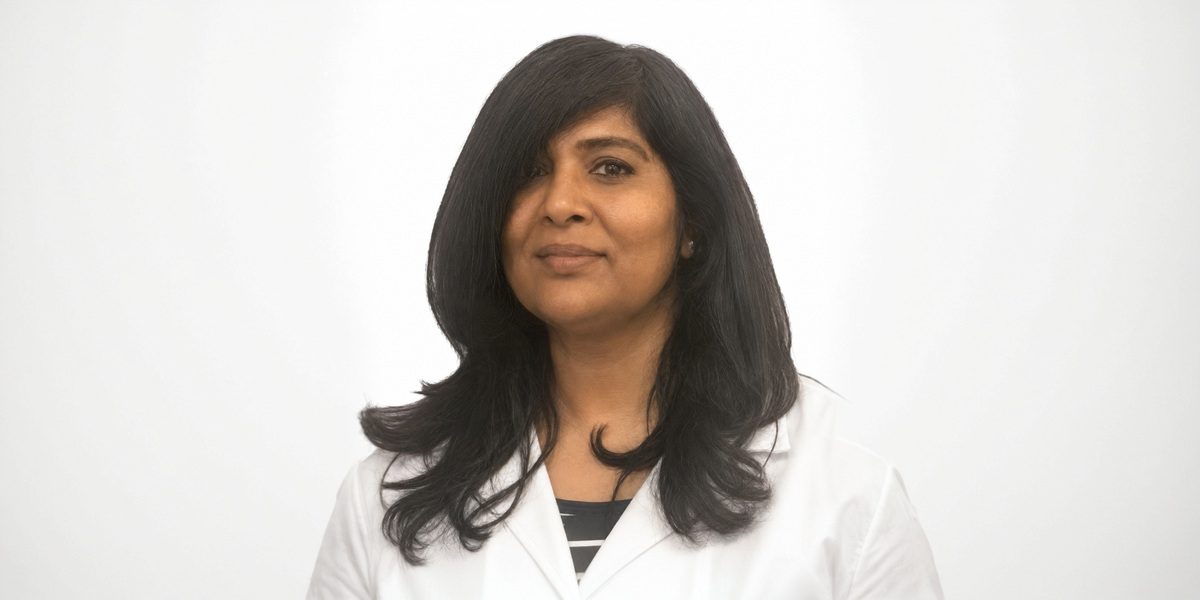

With more than two decades in dentistry, Dr. Priya Ravi has developed an approach at Allure Dental Designs that connects preventive care, communication, restorative treatment and smile aesthetics around the individual patient.
For many people, going to the dentist is prompted by something immediate. A tooth begins to hurt, an existing restoration breaks, sensitivity becomes difficult to ignore, or a long-standing concern about the appearance of a smile finally leads someone to explore treatment. These moments naturally demand attention, but they represent only one part of dental care. At Allure Dental Designs, Dr. Priya Ravi takes a longer view, placing value on what can happen before a problem becomes urgent: understanding a patient’s oral health, following relevant changes over time and creating the context for more informed conversations when treatment decisions eventually need to be made.
Dr. Ravi has practiced dentistry since 2002, following her dental education at New York University College of Dentistry and residency at Lutheran Medical in Brooklyn. Today, she practices through Allure Dental Designs’ locations in Huntington and Hauppauge, serving patients on Long Island with an approach centered on personalized and comprehensive care. Her philosophy emphasizes listening to patients and clearly explaining the options being considered, recognizing that dentistry is rarely about an isolated tooth or procedure. Oral health, function, comfort, existing dental work and a patient’s individual priorities can intersect, making the broader clinical picture an important part of determining what care may be appropriate.
Building a Better Picture Over Time
One of the less visible advantages of routine dental care is the opportunity to establish context. A single appointment can provide useful information about a patient’s oral health at that moment, while continuity can create a history against which future changes can be considered. Previous findings, diagnostic images when clinically appropriate, symptoms, treatment decisions and conversations about a patient’s priorities can collectively provide a more complete picture. When a new concern eventually emerges, the discussion can therefore begin not only with what is happening today, but with an understanding of what came before it and how the situation may have changed.
This does not mean routine appointments can prevent every future dental problem or guarantee that every condition will be identified at its earliest possible stage. Instead, their value can lie in having more information available when decisions need to be made. If a patient develops sensitivity, notices tooth wear, experiences a problem with an existing restoration or begins considering an aesthetic change, earlier information may provide useful context for evaluating the current situation. Prevention, viewed from this perspective, becomes less about promising that treatment will never be necessary and more about creating a framework for observing, discussing and responding to oral health over time.
Where Prevention Meets the Modern Smile
That foundation becomes particularly relevant as patients increasingly approach dentistry with aesthetic goals alongside health concerns. Allure Dental Designs represents cosmetic options including whitening, porcelain veneers, composite bonding and clear-aligner treatment, but these procedures are not interchangeable routes toward a generic idea of a better smile. Whitening is intended to address tooth shade, while bonding may be considered for selected concerns involving shape, contour or smaller imperfections. Veneers involve a different treatment-planning conversation, while clear aligners are designed to move teeth over time and introduce considerations involving alignment and bite. Each option therefore has different purposes, limitations and candidacy requirements.
For Dr. Ravi’s approach, the appearance of a smile cannot be considered entirely separately from the health and function behind it. Before cosmetic treatment is considered, factors such as the condition of the teeth and supporting tissues, existing restorations, anatomy, function and the patient’s expectations can influence the discussion. Someone may arrive knowing what they would like to change visually, but determining which possibilities make clinical sense requires individual evaluation. It is an approach that places the patient’s underlying oral health alongside their aesthetic priorities rather than treating cosmetic dentistry as an entirely separate conversation.
Looking Beyond a Single Procedure
The same individualized thinking applies when dental needs become restorative. Allure Dental Designs represents restorative care including fillings, crowns, bridges, root-canal treatment, dentures and dental implants, with different treatments intended for different clinical circumstances. A damaged tooth, failed restoration or missing tooth may affect comfort and function as well as confidence, but choosing how to respond depends on more than identifying the problem. Remaining tooth structure, supporting tissues, location, health history, personal priorities and other clinical considerations can all influence planning, meaning patients with apparently similar concerns may ultimately have very different treatment conversations.
An established dental history can add another layer of information to those discussions. When a dentist has followed a patient’s oral health over time, there may be greater context surrounding how a condition developed, what was previously monitored and which priorities influenced earlier treatment decisions. That history does not replace a current examination, but it can contribute to a more complete understanding of the situation. Dental implants, for example, may be an option for replacing missing teeth in appropriate candidates, but they are not automatically the right choice for every individual simply because a tooth is absent.
Dentistry Through Different Stages of Life
Continuity also matters because dental priorities rarely remain static throughout a person’s life. Earlier conversations may involve home-care habits, cavity risk or bite development, while later appointments can increasingly involve gum health, existing restorations, tooth wear, missing teeth or changes in the appearance of a smile. A relationship-centered approach does not assume every patient wants the same type of treatment. Some people may prioritize maintaining what they have with the least intervention reasonably necessary, while others may want to understand the restorative or cosmetic possibilities available to them.
This perspective also places emergency dentistry within the same longer timeline rather than treating it as an entirely separate category of care. When pain, a broken tooth or another urgent dental concern occurs, evaluating the immediate problem and determining an appropriate next step naturally becomes the priority. Once that concern has been addressed, however, the broader conversation can continue: what contributed to the problem, whether additional treatment should be considered, what may need monitoring and what can reasonably be done to manage future risk. Preventive and emergency dentistry serve different immediate purposes, but both can exist within an ongoing relationship between patient and dentist.
Dr. Priya Ravi’s Approach at Allure Dental Designs
Allure Dental Designs operates from two Suffolk County locations in Huntington and Hauppauge, bringing preventive, family, cosmetic, restorative, implant, clear-aligner and emergency dentistry together within the same practice. A patient who initially arrives for preventive care may later have a cosmetic question, require restorative treatment or unexpectedly need an urgent evaluation. Across those different circumstances, the underlying principle remains consistent: understand the individual clinical picture, communicate the available options and consider treatment in the context of the patient’s health and priorities.
After more than two decades in practice, Dr. Ravi’s philosophy offers a broader interpretation of what modern dentistry can look like. New materials, procedures and technologies may attract much of the attention surrounding the profession, but the conversation behind treatment remains equally relevant. Understanding what a dentist sees, why a recommendation is being considered and how different possibilities relate to individual circumstances can help patients participate more meaningfully in their care. At Allure Dental Designs, that conversation can begin during the routine appointments as much as during the transformative or urgent ones—connecting prevention, function and aesthetics as different parts of a patient’s evolving dental needs.

Learn More About Allure Dental Designs
Readers interested in learning more about Dr. Priya Ravi and Allure Dental Designs can explore the practice’s approach, treatments and appointment information through its official website. Allure Dental Designs serves Long Island patients through locations at 7 High Street, Suite 203, Huntington, NY 11743, and 111 Smithtown Bypass, Suite 210, Hauppauge, NY 11788. For additional information or appointment inquiries, readers can visit AllureDentalDesigns.com, call (631) 350-1876, or contact the practice at contact@alluredentaldesigns.com.