
By: Jay Kt
Every year, millions of Americans leave the country for medical care, and dental treatment leads the list. For a retiree or a family without dental coverage, the reason is arithmetic. Full-arch implant work is commonly quoted in the tens of thousands of dollars in the United States, and clinics in Mexico, Turkey, and Spain routinely quote a fraction of that.
The savings can be real, and so are the risks. For many patients, the price gap is the difference between getting teeth and going without. So the practical question is how a patient tells a careful clinic from a careless one. We put that to Dr. Victor Astolfi, a periodontist, member of the International Team for Implantology (ITI), and currently a Visiting Research Scientist at the Columbia University College of Dental Medicine in New York.
How to Distinguish a Good Dental Clinic Abroad
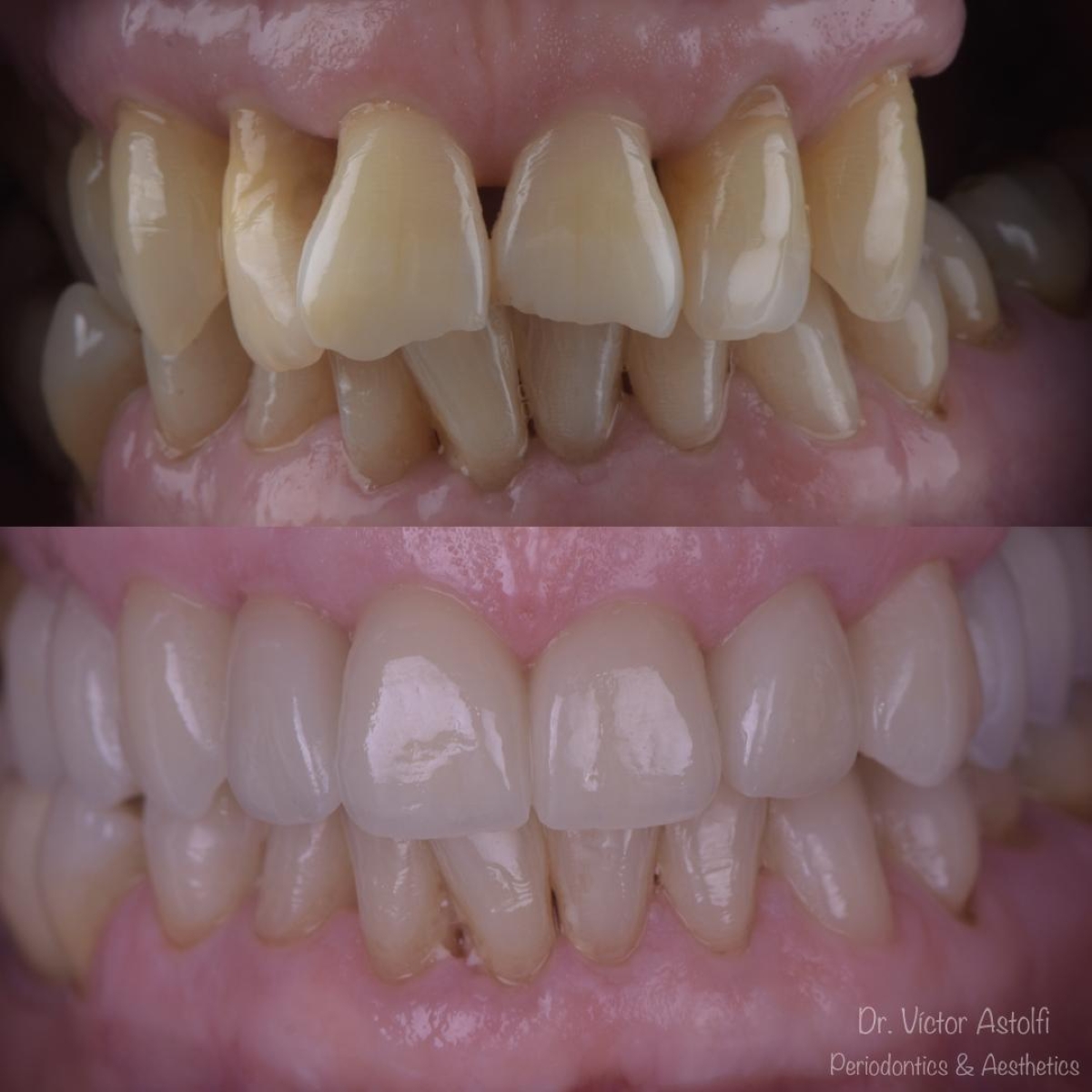
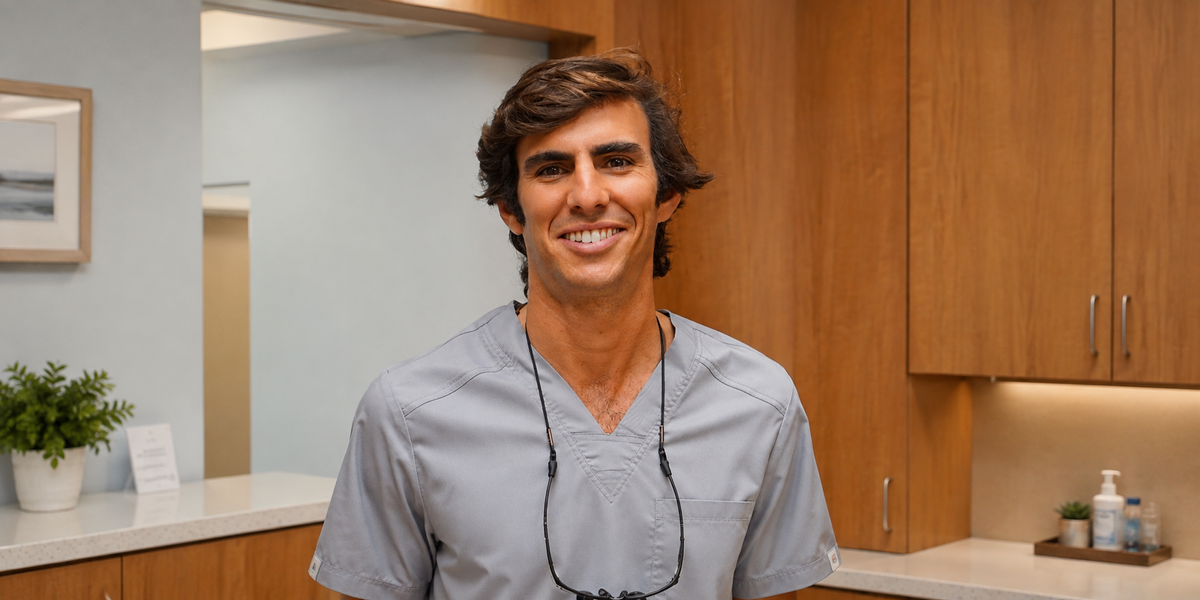
Dr. Astolfi lectures on periodontics and cosmetic dentistry and evaluates treatment protocols as part of his academic work. He is well placed to judge care across borders. He trained in Spain, Portugal, France and Brazil, practices in Seville, and now conducts research in New York. His published research includes a retrospective study on peri-implantitis, the inflammatory condition that is the leading long-term threat to dental implants.
“I have seen excellent surgery in Seville, in São Paulo, in New York, and I have seen it in clinics that treat international patients,” Astolfi says. “A CBCT scan is the only sign of true high standards of care. It maps your bone volume and the position of your nerves with incredible precision. No serious surgeon places an implant without one.”
Then, ask who actually holds the drill. “Packages are sold by clinics, but surgery is performed by a person. Ask for that person’s name and training.” Membership in international bodies like the ITI, the largest global academic organization in implant dentistry, is a useful signal here, because it ties a clinician to published research and continuing education rather than local habit.
The materials deserve the same scrutiny. Established providers of dental implants in Turkey, Mexico or Spain work with the same Swiss and German implant systems used in American clinics, and the serious ones will prove it. “Every genuine implant has a manufacturer and a reference code,” Astolfi explains. “Ask which system will go in your jaw and ask for it in writing.”
Why the Treatment Plan Matters More Than the Package Price
The treatment plan is where Dr. Astolfi urges the most scrutiny. Patients traveling overseas are usually very price-sensitive, which often pushes them toward the most affordable option without weighing the contraindications. “The cheapest option often becomes the most expensive in the mid-term,” he warns. “The decision between four implants, six implants, or eight should always come from your CT scan, not from a package deal. When I recommend All-on-6 dental implants, for example, I am taking into consideration jawbone, bone density and chewing forces. These are all objective metrics.”
What Happens After You Fly Home
The final item on his list comes out of his own research. Peri-implant disease can appear years after surgery, which is why Astolfi insists that treatment does not end at the airport.
“An implant is the start of a biological process,” he says. “The real question is not only who places the implant, but who examines it in year three, in year five, in year ten. Before you travel, ask what the written guarantee covers, how the clinic handles follow-up at a distance, and what documentation you will take home. You should leave with your implant brand, sizes and positions clearly documented. With that file, any competent dentist anywhere in the world can maintain your work.”
He is careful to add that none of this is an argument against going. “I would rather send a patient to a rigorous clinic abroad than to a careless one nearby. My advice is to apply the same standards everywhere.”
Disclaimer: This article is for informational purposes only and does not constitute medical advice. Outcomes vary based on individual circumstances, and readers considering dental treatment abroad should consult with a qualified dental professional before making decisions. Verify credentials, costs, and guarantees directly with any provider.