
By: Eva Keller
Every running app wants to tell you your pace. Your splits, your mileage, your rank against a few thousand strangers who also went out this morning. Fine. But that’s not why most beginners start running, and it’s not why they quit either.
Why Most Beginner Runners Quit
Here’s what actually happens. Someone decides to get in shape. They download something, run twice, feel terrible, and stop. The app pings them a badge they didn’t earn. Three weeks later it’s just another icon they don’t tap. The tracking was never the problem. The problem was that nothing about it meant anything to them, and there was nobody around when it got hard.
Where Upward Running Starts Instead
Upward Running started from that second half, the part the apps skip. Its bet is that for a lot of people, getting healthier and growing in their faith aren’t two separate projects to manage on different days. They’re the same project. And when you treat them that way, people stick around.
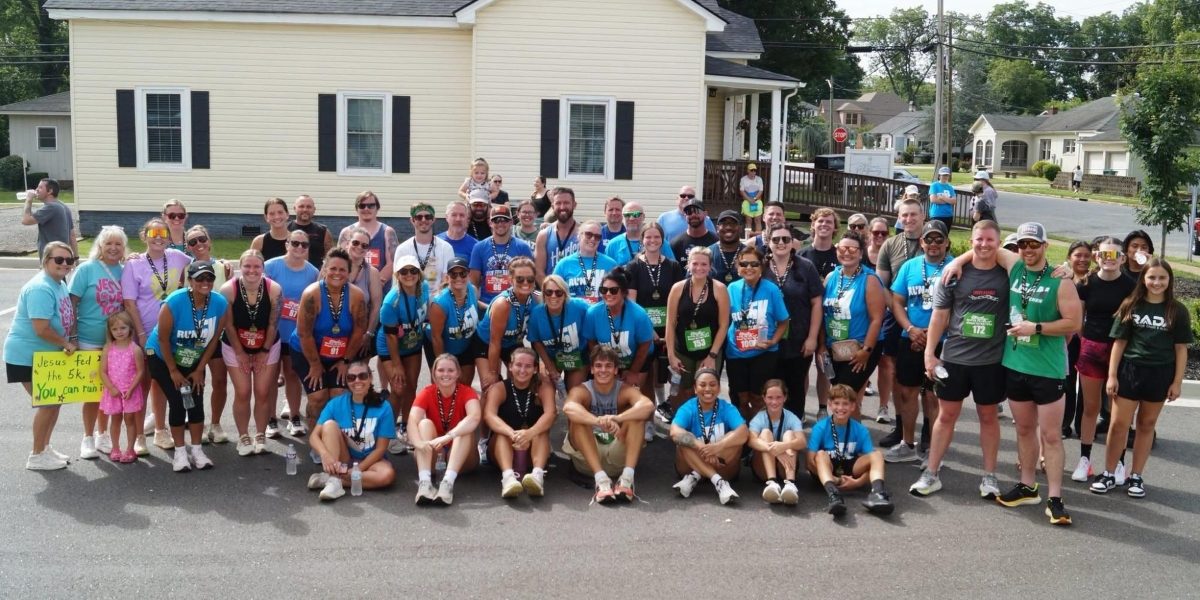
So far, around 225,000 people have gone through the company’s 5K Challenge, which exists to get someone off the couch and across a finish line for the first time. That’s the tell, really; it’s not built for the person shaving seconds off a marathon. It’s built for the person who’s never run a mile and has no idea where to begin.
That’s who a lot of this is for: people who want to feel better physically and want their faith somewhere in the mix, and who’ve noticed that most fitness products have nothing to say about that. But the beginner isn’t the ceiling. The same coach who wrote the couch-to-5K plans, with more than 30 years of coaching behind him, also builds plans for advanced runners chasing half marathons, marathons, and beyond. The starting line is easy to find here; it just isn’t the only line.
What Shows Up Every Day Inside the Program
The way the program keeps people is almost stubbornly consistent; there’s something new every single day. A members-only podcast on Monday with stories from other runners in the community. A devotion on Tuesday. A running education article on Wednesday. Thursday, you can actually talk to a coach one-on-one. Friday, a fun and uplifting podcast (Kinda Fast Podcast); Saturday, coaching notes; Sunday, a short bit of Scripture. It’s less a training plan you download and more a thing that shows up whether or not you feel like running that day.
“People come to get healthier or train for a race,” says Claire Boyce, who handles marketing for Upward Running. “They stay for the encouragement and the community, the sense that this is pointing somewhere bigger than a finish line.”
From Run for God to Upward Running
The company hasn’t been called Upward Running for long. It grew out of Run for God, a ministry that paired Bible study with running. In 2023, that ministry merged with Upward Sports, a church-based sports organization that has worked with churches since 1995, and the current name followed. What had mostly been youth leagues now reaches adults who want to run.
But strip away the branding and what the program is really selling is finishing. Beginners don’t usually quit because the running is too hard. They quit because they stop believing they can do it, and that’s the exact moment nobody’s usually there. So the program organizes itself around that moment. Members share their own accounts of the training inside the community, and the daily content is built to reach someone on the day they are closest to stopping.
None of that needs the faith part to work. But it points to what all that daily content is quietly doing, covering the ugly middle stretch, the weeks where most plans lose people, where what you need isn’t more information, it’s someone telling you to keep going.
Which is the whole argument, really. The wellness world tends to assume your body and your beliefs are two different aisles, sold by two different companies. Upward Running is betting they’re not, and that the people who treat them as one thing are the ones who actually make it to the finish line.