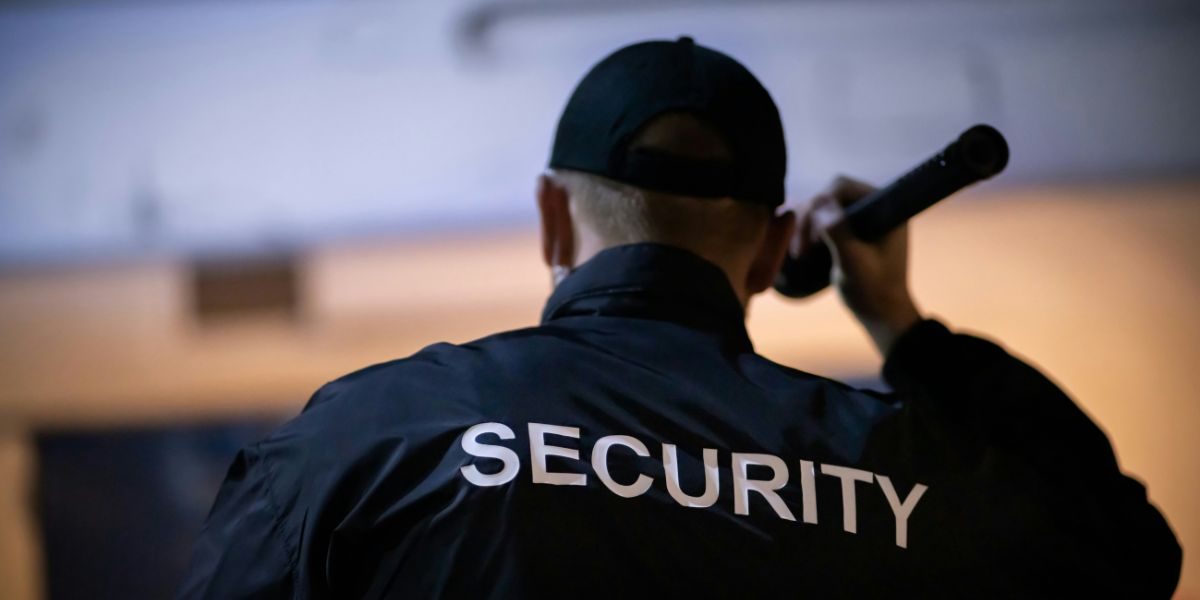

Protecting commercial property has become a top priority for businesses of every size. Whether operating an office building, retail store, warehouse, manufacturing facility, healthcare clinic, or construction site, organizations face a variety of risks that can affect employees, customers, assets, and daily operations. While technology has introduced new security tools, physical security remains a critical component of a comprehensive business protection strategy.
Many organizations rely on professional security guard services to help protect their facilities, deter criminal activity, and provide a visible security presence. Security professionals do much more than respond to emergencies, they help create safe environments where businesses can operate with confidence.
Property protection is no longer simply about preventing theft.
It is about supporting business continuity, protecting people, and reducing operational risk.
Every Business Faces Security Risks
No commercial property is completely immune to security concerns.
Businesses may encounter challenges such as:
- Theft
- Vandalism
- Trespassing
- Unauthorized access
- Property damage
- Workplace disturbances
- After-hours incidents
The level of risk varies depending on the industry, location, operating hours, and size of the facility.
Recognizing these risks is the first step toward developing an effective property protection strategy.
Visible Security Helps Deter Criminal Activity
One of the greatest benefits of on-site security is deterrence.
People considering theft, vandalism, or other criminal activity are generally less likely to target a property where trained security personnel are clearly present.
Visible security can discourage:
- Unauthorized entry
- Shoplifting
- Property damage
- Suspicious activity
- Trespassing
Prevention is often far less costly than responding after an incident has already occurred.
A proactive security presence helps reduce opportunities for crime before problems develop.
Protecting Employees Creates Better Work Environments
Employees perform their jobs more confidently when they feel safe.
A secure workplace contributes to:
- Greater peace of mind
- Improved morale
- Better productivity
- Increased confidence
Security personnel can assist by monitoring entrances, responding to unusual situations, and helping maintain a safe environment throughout the workday.
When employees know security measures are in place, they can focus more fully on serving customers and completing their responsibilities.
Customer Safety Supports Business Success
Customers expect businesses to provide safe environments.
Whether visiting a retail store, office, medical clinic, or commercial facility, people want to feel comfortable while conducting business.
Visible security helps reinforce that confidence.
Customers often appreciate:
- Well-monitored entrances
- Organized visitor management
- Safe parking areas
- Professional security personnel
- Quick response to unexpected situations
Positive customer experiences begin long before a purchase is made.
Safety contributes directly to customer trust.
Protecting Valuable Assets
Many businesses own equipment, inventory, technology, and materials that represent significant financial investments.
Examples include:
- Computers
- Machinery
- Inventory
- Vehicles
- Tools
- Confidential records
Protecting these assets helps reduce financial losses while supporting uninterrupted business operations.
Security personnel often monitor vulnerable areas, verify authorized access, and report suspicious activity before significant losses occur.
Asset protection remains one of the primary reasons businesses invest in physical security.
Access Control Reduces Risk
Knowing who enters and exits a property is an important part of modern business security.
Security personnel often assist with access management by:
- Monitoring entrances
- Verifying visitors
- Checking identification
- Managing deliveries
- Controlling restricted areas
Access control helps reduce unauthorized entry while creating better accountability throughout the property.
Well-managed access procedures also improve overall operational organization.
Security Supports Emergency Response
Unexpected situations can occur at any business.
These may include:
- Medical emergencies
- Fire alarms
- Power outages
- Suspicious individuals
- Workplace conflicts
- Evacuations
Trained security personnel can assist by following established procedures, communicating with emergency responders, and helping guide employees and visitors during critical situations.
Preparedness often improves response times and helps reduce confusion during emergencies.
Construction Sites Require Ongoing Protection
Construction sites often contain valuable equipment and materials.
Because many projects remain active after normal business hours, they can become targets for theft or vandalism.
Security measures may help protect:
- Heavy equipment
- Building materials
- Tools
- Temporary structures
- Construction progress
Reducing theft and unauthorized access helps projects stay on schedule while minimizing unexpected replacement costs.
Construction security is an increasingly important part of project management.
Security Helps Reduce Business Interruptions
Security incidents can disrupt normal operations.
For example, theft or vandalism may require temporary closures, repairs, insurance claims, or replacement of damaged property.
Preventative security measures help reduce the likelihood of these interruptions.
Business continuity depends on maintaining stable operations.
Security contributes by minimizing avoidable disruptions that affect employees, customers, and daily productivity.
Professional Security Creates a Positive Business Image
The appearance of a well-managed property influences public perception.
Professional security personnel contribute to an organized environment by:
- Greeting visitors
- Providing directions
- Monitoring entrances
- Maintaining visible presence
- Responding professionally to concerns
These interactions reinforce the image of a business that values safety and professionalism.
Customers often associate organized security with responsible management.
Security Complements Technology
Modern businesses increasingly use technology such as:
- Surveillance cameras
- Alarm systems
- Access cards
- Motion sensors
- Remote monitoring
While these tools provide valuable information, technology works best when combined with trained personnel.
Security professionals can:
- Investigate alerts
- Respond immediately
- Verify suspicious activity
- Assist visitors
- Make informed decisions
Human judgment remains an important part of effective property protection.
Technology and personnel work best together.
Security Supports Insurance and Risk Management
Many organizations include physical security as part of their overall risk management strategy.
Reducing security incidents may help minimize:
- Property damage
- Theft losses
- Liability concerns
- Business interruptions
While every insurance policy is different, maintaining strong security practices often demonstrates a commitment to responsible property management.
Risk reduction benefits both businesses and their stakeholders.
Different Businesses Have Different Security Needs
Security strategies should reflect the unique needs of each property.
For example:
Office Buildings
- Visitor management
- Access control
- Employee safety
Retail Stores
- Theft prevention
- Customer assistance
- Store monitoring
Warehouses
- Inventory protection
- Vehicle access
- Perimeter security
Healthcare Facilities
- Patient safety
- Visitor monitoring
- Emergency response
Construction Sites
- Equipment protection
- After-hours monitoring
- Unauthorized access prevention
Tailored security solutions are often more effective than one-size-fits-all approaches.
Security Builds Long-Term Confidence
One of the greatest benefits of professional property protection is confidence.
Employees feel safer.
Customers feel more comfortable.
Property owners gain peace of mind knowing preventative measures are in place.
Security is not only about responding to problems.
It is about creating environments where people can work, shop, and visit with confidence every day.
That confidence contributes to stronger business relationships over time.
The Takeaway
Property protection has become an essential part of modern business operations because it helps safeguard people, assets, and day-to-day activities.
An effective security strategy can help businesses:
- Deter criminal activity
- Protect employees
- Improve customer safety
- Secure valuable assets
- Control property access
- Support emergency response
- Reduce operational disruptions
- Strengthen business reputation
- Complement security technology
- Support long-term business continuity
The goal of commercial security is not simply to respond when incidents occur.
It is to prevent many of those incidents from happening in the first place while creating a safe, professional environment where businesses can operate successfully.
As commercial properties continue to face evolving security challenges, investing in proactive property protection remains one of the most effective ways to support long-term stability, customer confidence, and organizational success.