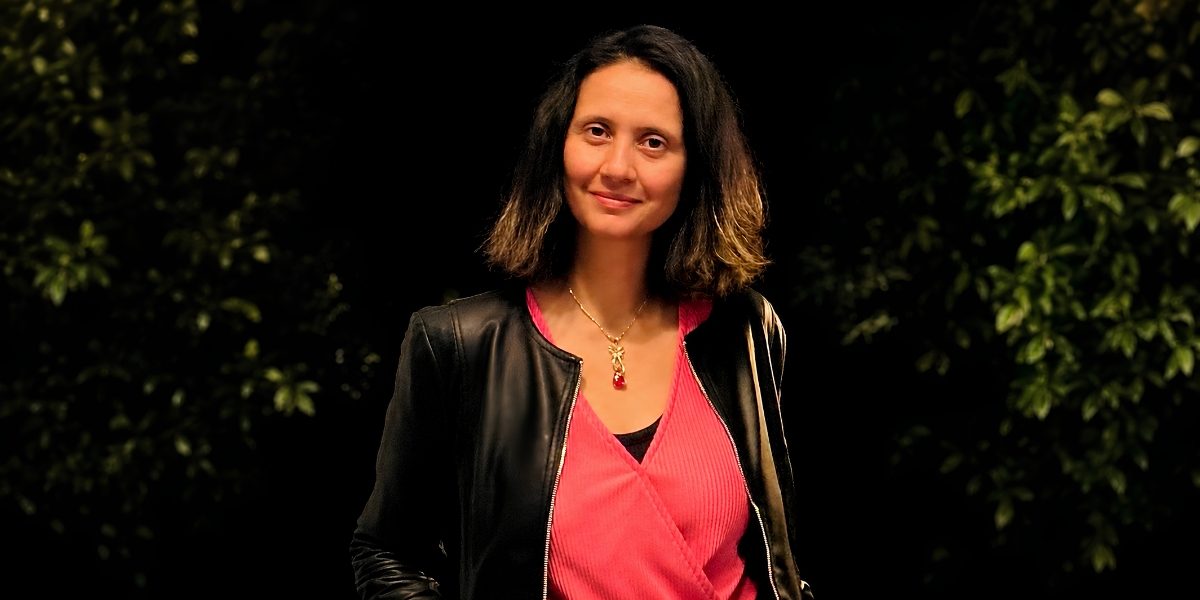

Diabetes advice often feels confusing, restrictive, and overwhelming. Neelam Singh, RD, CDCES, DipACLM brings a calmer and more practical voice through her book, The Diabetes Plate Solution: Why Cutting Carbs Isn’t the Answer and What Actually Works for Steady Blood Sugar. Written for people who are tired of extreme diets, conflicting online advice, and the fear surrounding carbohydrates, Singh’s book offers a realistic way to understand diabetes nutrition without shame, panic, or perfectionism.
The book is about helping readers build meals that support steady blood sugar while still allowing room for culture, comfort, family, and everyday life. Singh does not approach diabetes management as a punishment or a rigid diet plan. Instead, she explains how food, movement, sleep, stress, hydration, and meal balance all work together to influence blood sugar.
Her message is both clear and deeply human. People do not need to give up the foods that matter to them. They need a system that helps those foods work better.
Moving Beyond the Fear of Carbs
For many people diagnosed with Type 2 diabetes or prediabetes, the first message they hear is simple but frightening. Cut carbs. That advice may sound straightforward, but it often creates more confusion than confidence. Carbohydrates are found in bread, rice, fruit, beans, lentils, oats, potatoes, and many traditional foods that are part of daily life for families around the world.
Singh challenges the idea that all carbohydrates should be treated as the enemy. She teaches readers how to understand portion, pairing, timing, and balance. A meal that contains carbohydrates does not automatically become a problem. What matters is how that meal is built. A plate filled mostly with refined starches and little protein or fiber will affect blood sugar differently than a plate that includes vegetables, protein, healthy fats, and a right-sized portion of carbs.
This approach adds real value for readers who have tried restrictive diets and felt discouraged. Singh understands that plans driven by fear tend to be unsustainable. A plan rooted in understanding offers a much better chance of becoming a lasting part of everyday life.
A Food and Movement First Approach
One of the strongest themes in the book is the importance of returning to the basics of food and movement. Singh writes from both professional experience and personal observation, showing how many people with diabetes are given medication adjustments before they are given clear, useful nutrition guidance.
The book does not reject medication or medical care. It fills a gap that many patients experience. People are often told to “eat better” or “watch carbs.” Still, they are not shown what that actually means at breakfast, dinner, a restaurant, a holiday gathering, or a family celebration.
Singh’s work answers that everyday question. What should I actually eat? Her guidance is practical because it is built around habits that can be repeated. A short walk after a meal, more vegetables on the plate, better protein choices, hydration, and paying attention to sleep are all presented as meaningful steps. The focus is not on dramatic overnight change. It is on steady progress that people can continue.
The Diabetes Plate Method as a Simple Daily Tool
The core of the book is the Diabetes Plate Method, a visual meal-building strategy that helps readers manage blood sugar without counting every calorie or memorizing complicated charts. The method is simple. Half the plate is filled with non-starchy vegetables, one-quarter with protein, and one-quarter with carbohydrates.
What makes Singh’s explanation stand out is how she brings this method into real meals. She does not limit the conversation to generic examples. She applies the plate method to Indian, South Asian, Mexican, Italian, Japanese, soul food, Mediterranean, and other cuisines. This makes the guidance feel inclusive and realistic, especially for readers who have been told that their cultural foods are the problem.
Her approach reframes diabetes nutrition. The question changes from “What can’t I eat?” to “What needs to be on my plate?” That shift matters. It turns food from a source of fear into a set of choices readers can understand and adjust.
Why Culture Matters in Diabetes Care
Many nutrition plans fail because they ignore culture. Singh directly addresses this problem. She makes it clear that rice, chapati, beans, lentils, tamales, cornbread, pasta, and other traditional foods are not automatically off-limits. The issue is usually not the food itself, but the portion, the pairing, and the overall balance of the meal.
This is one of the book’s most compassionate strengths. Food is not just fuel. It is family, memory, heritage, celebration, and comfort. When diabetes advice tells people to abandon the foods they grew up with, it often creates isolation and guilt. Singh offers another way. She shows readers how to keep familiar foods while making thoughtful changes that support better blood sugar outcomes.
For communities where diabetes is common and traditional meals are deeply important, this message carries weight. It allows readers to feel seen rather than judged.
Understanding Blood Sugar Without Shame
Another important part of the book is Singh’s treatment of blood sugar numbers. Many people feel anxious when they check their glucose. A high reading can feel like failure. Singh changes that conversation by describing blood sugar data as information, not a verdict.
This perspective can help readers build a healthier relationship with monitoring. Instead of reacting with guilt, they can ask useful questions. Was the meal low in fiber? Was there enough protein? Did stress, poor sleep, dehydration, illness, or lack of movement affect the number? This kind of curiosity helps people learn their own patterns.
The book also explains that blood sugar is not controlled by food alone. Stress, sleep, medications, hydration, and movement all play a role. That message can reassure readers who feel they are doing everything right but still see unexpected readings.
More Than a Diet Book
The book is more than a list of foods to eat and avoid. It is a guide to building confidence. Singh gives readers practical tools for restaurants, travel, social events, holidays, carb counting, food order, fiber, hydration, protein, fat, movement, and long-term habit building.
The structure also makes it easy to use. Readers can begin with the basics if they are newly diagnosed, or they can turn to specific chapters if they are struggling with eating out, monitoring, stress, exercise, or meal planning. That flexibility makes it feel like a companion rather than a strict program.
Singh’s tone is encouraging. She does not demand perfection. She reminds readers that one meal does not define their health, and one difficult week does not erase months of progress. What matters is the pattern, the recovery, and the willingness to keep going.
A Timely Resource for Diabetes Management
As diabetes continues to affect millions of individuals and families, the need for clear, realistic, culturally aware nutrition guidance keeps growing. Neelam Singh’s work meets that need with warmth, clarity, and professional insight. It speaks to people who are overwhelmed by online advice, tired of restrictive diets, and ready for a practical way forward.
For readers searching for diabetes nutrition guidance, blood sugar management tips, the Diabetes Plate Method, Type 2 diabetes meal planning, or sustainable ways to manage carbs, it offers a grounded and accessible resource. It does not promise perfection or quick fixes. It offers something better. Understanding, structure, and hope.
Learn More About the Book
The Diabetes Plate Solution by Neelam Singh is a worthwhile read for anyone seeking a more practical, balanced, and culturally respectful approach to steady blood sugar. Readers who want to explore her approach to managing diabetes through food, movement, and everyday habits can find the book on Amazon.
Disclaimer: This article is for general informational purposes only and does not constitute medical or nutritional advice. It is not a substitute for professional guidance from a qualified healthcare provider. Readers with diabetes, prediabetes, or any other health condition should consult their physician, registered dietitian, or diabetes care team before making changes to their diet, exercise, medication, or blood sugar management.