
By: Beena Yusuf, SHE Magazine USA
Some connections are built through career, friendship, or shared passions. Others are forged through unimaginable loss.
For Sundas Hashmi and Sadaf Chaudhry, that connection is glioblastoma (Grade 4), one of the most aggressive and devastating forms of brain cancer. Though their stories unfolded years apart, both women have experienced the profound heartbreak of watching someone they loved battle a disease that forever altered the course of their lives.
Sadaf lost her husband, Rehan, to glioblastoma at just 47 years old. Sundas was only 13 when her 16-year-old brother was diagnosed with the same disease. After a courageous two-year fight that included radiation therapy and specialized treatment overseas, he passed away at the age of 18.
Neither woman could have imagined that brain tumors would continue to define their journey.
Years later, at the age of 37, Sundas herself experienced a grand mal seizure. The diagnosis that followed was life-changing: oligodendroglioma, a rare, lower-grade malignant brain tumor. While its prognosis is generally more favorable than glioblastoma, often allowing patients to live 10 to 20 years longer, it remains an incurable cancer that requires lifelong monitoring and treatment.
Determined to fight, Sundas sought care at Memorial Sloan Kettering Cancer Center, where surgeons performed an awake craniotomy, one of the most sophisticated neurosurgical procedures available. During the operation, doctors successfully removed approximately 95% of her tumor while preserving the areas of the brain responsible for essential functions such as speech and movement.
Rather than allowing fear to define her future, Sundas transformed her diagnosis into purpose.
Today, she is a respected brain tumor advocate, writer, and survivor, using her personal experience to educate others, encourage early awareness, and advocate for continued research into brain cancer. Her family’s devastating loss, combined with her own diagnosis, has given her a unique perspective that resonates deeply with patients and caregivers alike.
Sadaf’s own journey mirrors that same resilience. After losing Rehan, she chose to speak openly about grief, healing, and life after unimaginable loss. What began as a deeply personal story has evolved into a platform that reaches thousands of people searching for hope during some of life’s darkest moments.
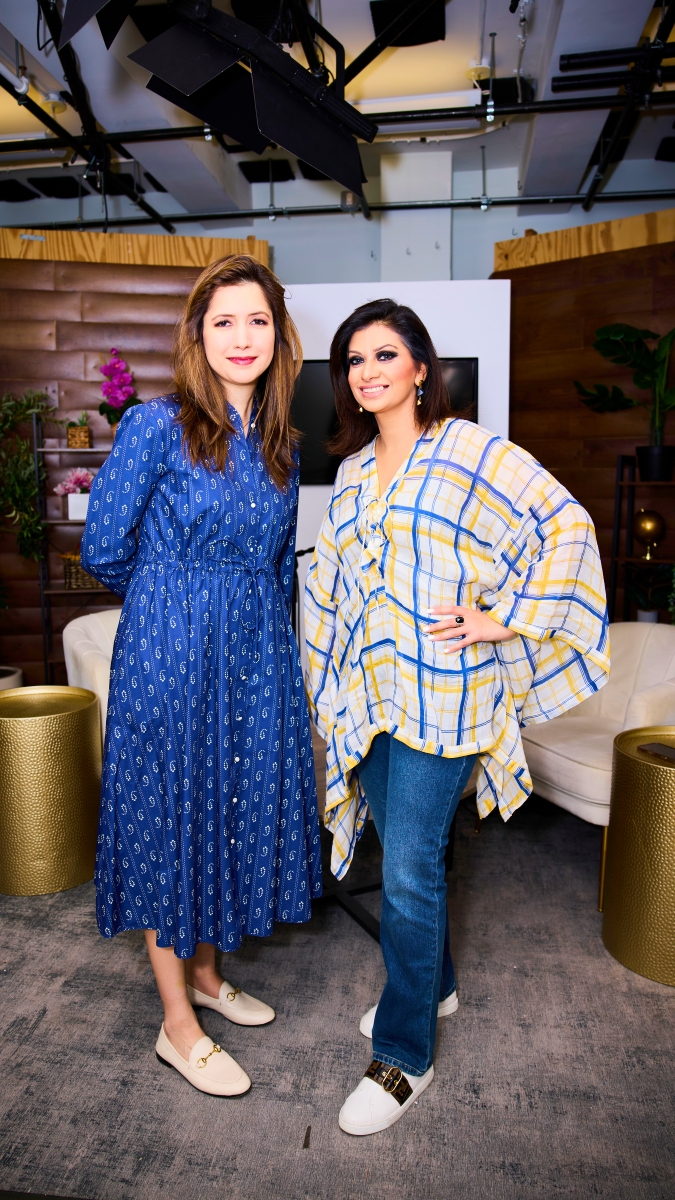
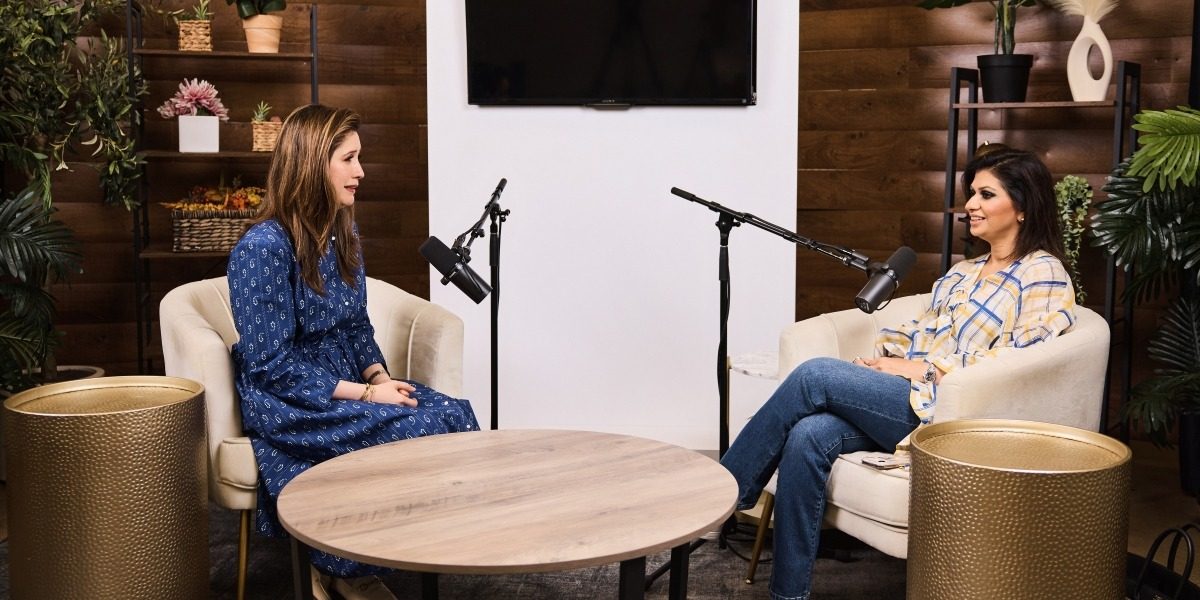
Together, Sundas and Sadaf have become powerful voices in the brain tumor community. Through advocacy, storytelling, and partnerships with organizations dedicated to advancing research, they are helping ensure that patients and families facing brain tumors never feel alone.
Their message is simple yet profound: while brain cancer may change lives forever, it does not have to define the legacy left behind.
Every story shared raises awareness. Every conversation encourages earlier diagnosis. Every act of advocacy brings the medical community one step closer to better treatments, and ultimately, a cure.
For Sundas and Sadaf, honoring those they have loved and lost has become more than remembrance. It has become a mission to bring hope, compassion, and visibility to a disease that continues to affect thousands of families worldwide.
To follow Sadaf’s advocacy and learn more about her work supporting the brain tumor community, visit her Instagram @being.sadaf and her YouTube channel, Being Sadaf, where she shares personal reflections, educational content, and resources for patients, caregivers, and families living with life after a brain tumor diagnosis.
Follow Sadaf as she navigates life through Beingsadaf.com