
By: Chef Patrick
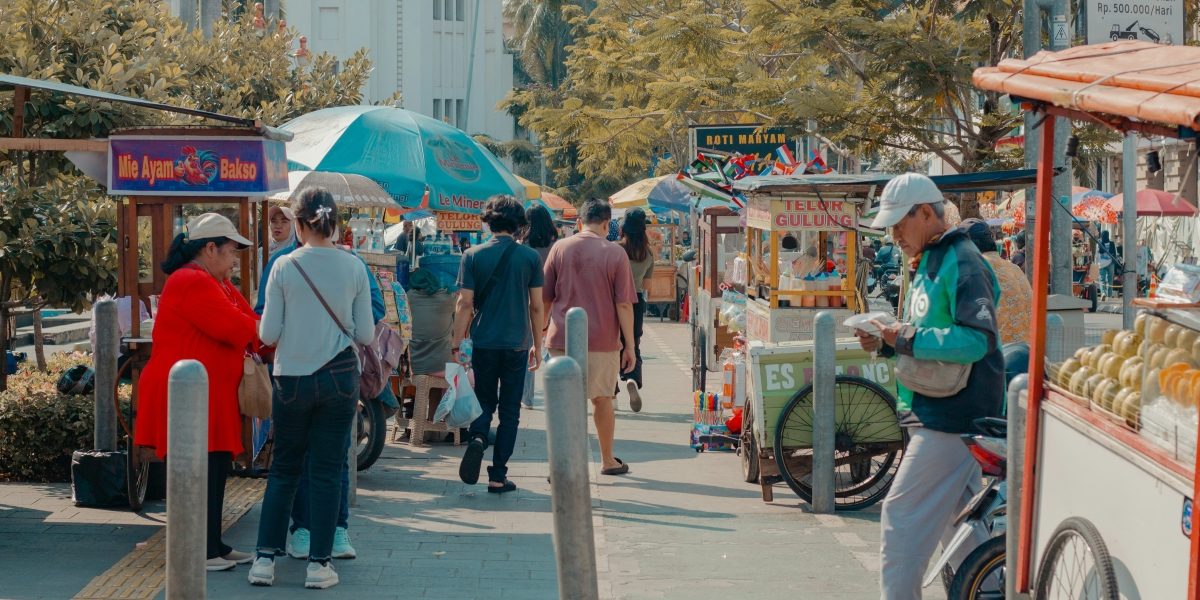
Travel is changing. While iconic landmarks and luxury resorts continue to attract visitors, an increasing number of travelers are planning their journeys around something far more personal: food.
From neighborhood cafés tucked away on quiet streets to bustling local markets and family-run kitchens, culinary experiences have become one of the strongest motivations for exploring new destinations. For international chef, culinary educator, and author Chef Patrick, this shift reflects a broader transformation in global tourism—one where authentic food experiences are redefining how people connect with culture, communities, and history.
Food Has Become a Destination in Itself
For decades, travel itineraries revolved around famous attractions, museums, beaches, and architectural landmarks. Today, travelers are equally interested in discovering the flavors that define a place.
Instead of asking only where to go, many visitors now ask where locals eat, which dishes tell a region’s story, and how they can experience a destination through its culinary traditions.
This growing interest has turned food into much more than part of the travel experience. Increasingly, it has become the reason people choose one destination over another.
According to Chef Patrick, this evolution is transforming the tourism industry by placing culture, authenticity, and local identity at the center of modern travel.
Every Meal Tells a Cultural Story
Food carries history in ways few other experiences can.
Traditional recipes preserve generations of knowledge, local ingredients reflect geography and climate, and family cooking techniques often survive long after other cultural traditions have changed.
For travelers, sharing a meal offers an opportunity to experience a destination beyond its attractions. It provides insight into the people who live there, the customs they value, and the stories that shaped their communities.
Chef Patrick believes that food acts as a universal language, creating meaningful connections between people regardless of nationality, language, or background.
Why Experience Driven Tourism Continues to Grow
Modern tourism increasingly revolves around memorable experiences rather than sightseeing alone.
Cooking classes, chef’s table experiences, street food tours, farm visits, food festivals, wine regions, and traditional markets have become essential parts of travel planning.
Visitors are looking for moments they can remember, share, and connect with on a personal level.
This shift has encouraged destinations to rethink how they present themselves, placing greater emphasis on local food culture as a defining part of their identity.
Food Tourism Supports Local Communities
Beyond its cultural value, food tourism has become an important economic driver.
Every meal purchased at a local restaurant supports farmers, fishermen, food producers, artisans, hospitality workers, and small business owners throughout the supply chain.
Countries such as Japan, Italy, Mexico, Peru, and Thailand have demonstrated how strong culinary identities can strengthen tourism while preserving local traditions and creating sustainable economic opportunities.
Rather than benefiting only large hospitality businesses, food tourism often allows smaller family-owned enterprises to participate directly in the visitor economy.
Authenticity Is Becoming the New Luxury
Today’s travelers increasingly value authenticity over extravagance.
Instead of searching exclusively for luxury dining experiences, many visitors seek neighborhood restaurants recommended by local residents, handmade recipes passed through generations, and meals prepared with seasonal ingredients.
These experiences often create stronger memories than high-end dining because they offer something that cannot easily be replicated elsewhere.
For Chef Patrick, authenticity has become one of the hospitality industry’s most valuable assets.
Technology Is Changing How Travelers Discover Food
Digital platforms have transformed the way people explore destinations before they even arrive.
Restaurant reviews, travel videos, food creators, and social media now influence millions of travel decisions every day. A single video highlighting a local restaurant or regional specialty can introduce a destination to audiences around the world within hours.
While technology makes culinary discovery easier than ever, Chef Patrick emphasizes that digital exposure cannot replace genuine hospitality or authentic cultural experiences.
Instead, technology works best when it helps travelers discover the people, traditions, and stories behind local cuisine.
Sustainability Starts With Local Ingredients
Food tourism also plays an increasingly important role in sustainable travel.
Supporting local farms reduces transportation, seasonal cooking minimizes waste, and traditional food practices help preserve regional agriculture and biodiversity.
Community-based restaurants also encourage tourism spending to remain within local economies, creating benefits that extend beyond the hospitality industry.
As sustainability becomes more important for travelers, destinations that invest in local food systems are likely to strengthen both their tourism appeal and long-term resilience.
Preparing Hospitality Leaders for a Changing Industry
Chef Patrick believes hospitality education must continue evolving alongside the tourism industry.
Future professionals need more than culinary skills or restaurant management experience. They must understand sustainability, destination branding, entrepreneurship, digital communication, cultural heritage, and changing consumer expectations.
Tomorrow’s hospitality leaders will help shape how travelers experience destinations, making education an essential part of the industry’s future.
Looking Ahead
Food tourism is no longer simply a growing trend. It has become a defining part of how people experience the world.
By celebrating local cuisine, destinations preserve cultural heritage, strengthen local economies, encourage meaningful travel, and create lasting memories for visitors.
For Chef Patrick, the future of tourism belongs to destinations that understand the power of authentic culinary experiences. Great food does more than satisfy an appetite—it introduces travelers to history, builds cultural understanding, and creates stories that last long after a journey ends.
As global travel continues to evolve, one idea remains clear: some of the world’s most unforgettable destinations are discovered not only through what travelers see, but through what they share around the table.
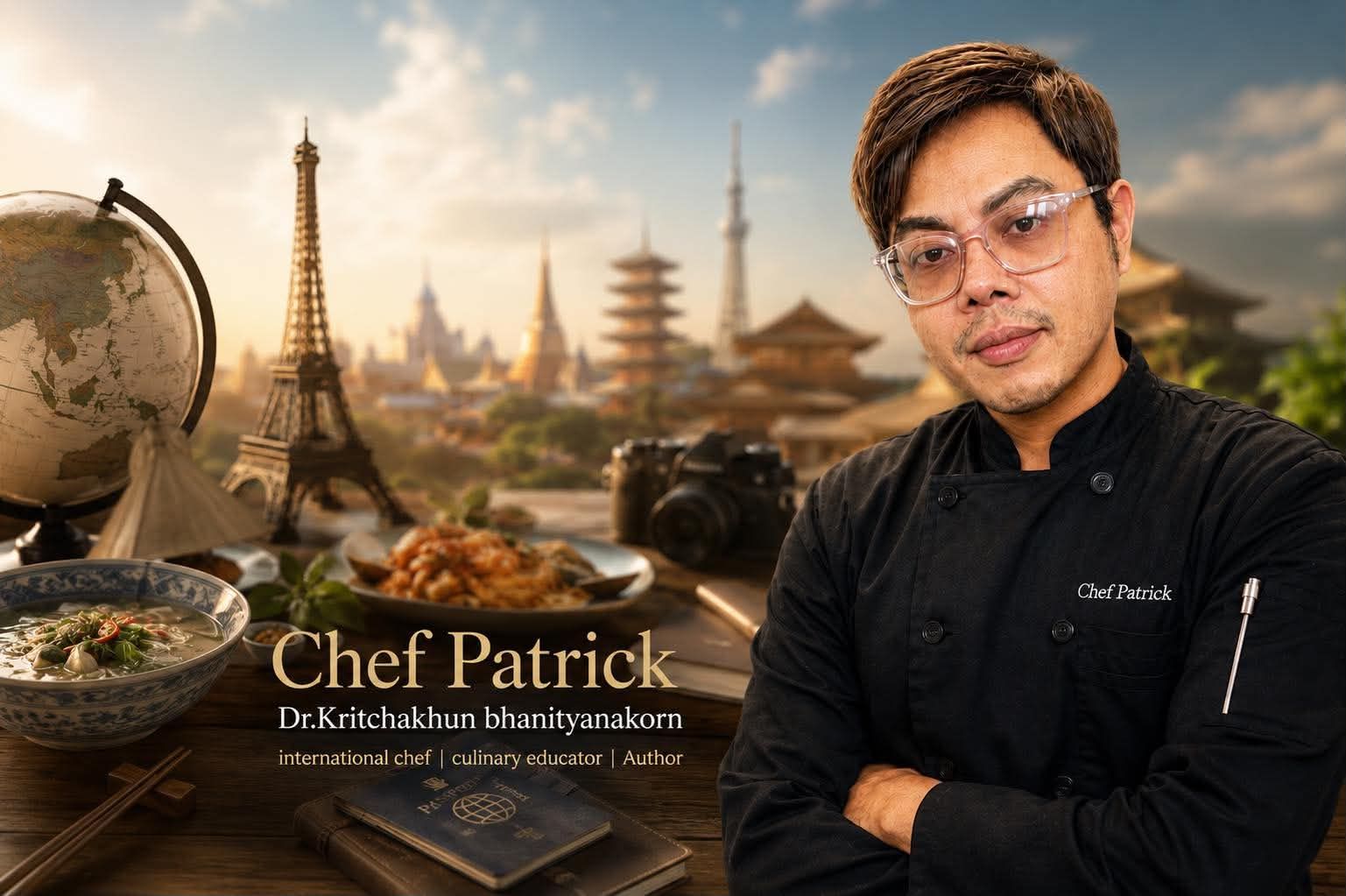
Photo Courtesy: Chef Patrick
About Chef Patrick
Chef Patrick, the professional name of Dr. Kritchakhun Bhanityanakorn, is an international chef, culinary educator, author, and food tourism expert. His work focuses on the intersection of gastronomy, hospitality, destination development, and cultural exchange, exploring how food creates meaningful travel experiences while strengthening communities and preserving cultural heritage.
This article is part of Beyond the Plate, a series by Chef Patrick examining gastronomy, hospitality, tourism, leadership, and the future of global travel.