
In an age where almost anything can be ordered with a few clicks and delivered within days, consumers have more access to products than ever before. Yet despite this convenience, a growing number of people are becoming increasingly selective about what they buy and bring into their homes.
The shift is not driven solely by price or quality.
It is driven by meaning.
Across multiple industries, consumers are demonstrating a stronger preference for products, brands, and experiences that feel authentic, personal, and connected to a larger story. Whether purchasing artwork, home décor, fashion, or handcrafted goods, many people are moving away from purely transactional buying decisions and toward more intentional consumption.
This trend is reshaping markets and influencing how brands connect with modern audiences.
The Search for Authenticity
Consumers today are exposed to an overwhelming number of marketing messages every day. As a result, people have become increasingly skilled at recognizing when something feels manufactured or insincere.
Trust has become one of the most valuable currencies in business.
Brands that communicate genuine values and demonstrate authenticity often develop stronger relationships with customers than those focused solely on selling products. People want to understand who created something, why it was created, and what it represents.
This desire for transparency extends far beyond marketing.
Consumers increasingly want purchases that align with their personal beliefs and identity.
The products they choose often become reflections of who they are and what they value.
Why Handmade Is Winning Attention
One of the clearest examples of this shift can be seen in the growing appreciation for handmade products.
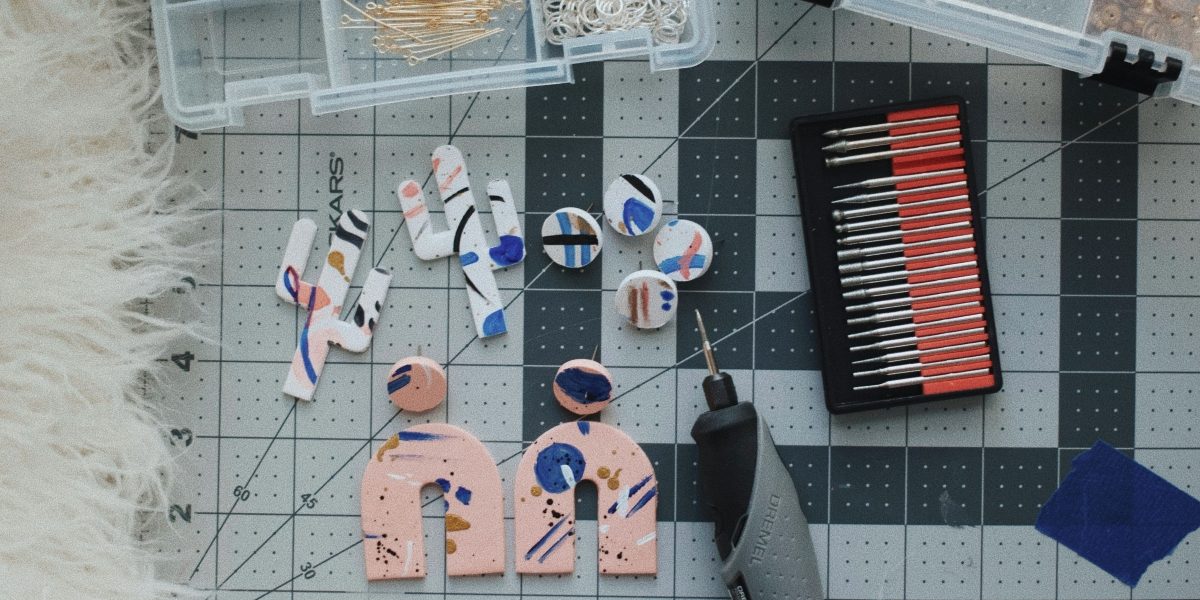
In contrast to mass-produced items, handcrafted goods often carry a sense of individuality and human connection. Buyers understand that a real person invested time, skill, and creativity into creating the finished piece.
That story matters.
Consumers are increasingly willing to support artists, makers, and independent brands because they value originality and craftsmanship. They appreciate products that feel unique rather than interchangeable.
This preference is influencing purchasing behavior across categories ranging from furniture and fashion to artwork and home accessories.
Handmade is no longer viewed as a niche preference.
For many consumers, it represents quality, authenticity, and purpose.
Homes Are Becoming More Personal
The trend toward intentional consumption is particularly visible within the home. Rather than decorating according to rapidly changing trends, many homeowners are creating spaces that reflect personal experiences, values, and cultural identity. This approach results in interiors that feel more meaningful and less generic. People are selecting artwork, decorative objects, and furnishings that tell stories. They are incorporating family history, travel experiences, and cultural influences into their homes. Instead of pursuing perfection, they are prioritizing authenticity. This shift has contributed to growing interest in thoughtfully curated jewish home décor – where heritage, craftsmanship, and contemporary design intersect. These pieces often allow homeowners to celebrate tradition while creating spaces that feel modern and relevant to their daily lives. Meaning has become an important design element.
Cultural Identity Is Influencing Consumer Choices
Another important factor shaping purchasing decisions is the growing desire for cultural connection.
People are increasingly interested in products that reflect their heritage, traditions, and personal narratives. Rather than viewing culture as something separate from modern life, consumers are integrating it into their everyday environments.
This movement can be seen across numerous communities and industries.
Brands that authentically represent cultural stories often resonate more strongly because they offer consumers a deeper sense of belonging and connection.
In many cases, these products serve both functional and emotional purposes. They become reminders of identity, family history, and shared values.
As a result, cultural relevance is becoming a significant competitive advantage.
The Business Value of Storytelling
Companies are responding to these changing preferences by placing greater emphasis on storytelling.
Consumers are no longer interested only in what a product does.
They want to know where it came from.
They want to understand who created it.
They want to learn why it matters.
Organizations that effectively communicate these stories often build stronger emotional connections with their audiences. Storytelling helps transform products into experiences and transactions into relationships.
For businesses operating in creative industries, this approach has become particularly important.
People buy stories as much as they buy products.
The Rise of Modern Judaica
One category benefiting from these broader consumer trends is Modern Judaica. Artists and designers are reimagining traditional Jewish themes through contemporary creative expression, producing works that appeal to modern consumers seeking both cultural significance and aesthetic sophistication. These pieces demonstrate how heritage can evolve without losing its meaning. They allow individuals and families to celebrate identity while embracing contemporary lifestyles and design preferences. The growing popularity of Modern Judaica reflects a larger market trend toward products that combine authenticity, craftsmanship, and personal relevance. Consumers increasingly value objects that contribute something meaningful to their lives.
Looking Ahead
The movement toward intentional consumption shows little sign of slowing down.
As consumers continue to seek authenticity, craftsmanship, and deeper emotional connections, brands that prioritize meaningful storytelling and genuine values are likely to gain a competitive advantage.
People are becoming more thoughtful about what they purchase and why they purchase it.
They want products that align with their identity.
They want homes that reflect their values.
They want experiences that feel real.
In a world filled with endless options, meaning is emerging as one of the most powerful differentiators of all.
And for many consumers, that may be the most valuable trend of all.