
Aluminum fences are metal fencing systems made from powder-coated aluminum extrusions instead of wood, wrought iron, steel, or vinyl. They’re popular because they resist rust and corrosion, require almost no maintenance, and can be shaped into far more design styles than traditional iron fencing, all while weighing a fraction of what steel does.
If you’ve ever stood in a fencing aisle trying to decide between wood, wrought iron, vinyl, and aluminum, you already know how overwhelming the choice can feel. Every material claims to be durable, low-maintenance, and good-looking. But once you actually live with a fence for a few years, through summer storms, winter freezes, and the slow grind of everyday weather, the differences become obvious. This is where aluminum quietly earns its reputation as one of the smartest long-term investments a homeowner or business owner can make.
The Weather Doesn’t Stand a Chance
Wood warps, splinters, and eventually rots. Steel and wrought iron rust, especially in coastal areas or humid climates where moisture never really goes away. Vinyl can crack in extreme cold and fade unevenly in strong sun. Aluminum fencing sidesteps nearly all of these problems by nature of the metal itself, which naturally forms a thin protective oxide layer that keeps it from corroding the way iron or steel does.
It also doesn’t absorb moisture the way wood does, so there’s no swelling, rotting, or termite risk. It holds its shape through freeze-thaw cycles that would eventually crack or shift other materials, and it performs especially well near saltwater, where other metals can corrode within just a few years. A well-built aluminum fence installed today can realistically still look sharp fifteen or twenty years from now, with none of the sanding, staining, or rust-treatment that other fences demand.
Strength Without the Weight
There’s a common misconception that lighter materials are automatically weaker, but that’s not how aluminum works. Modern aluminum fencing is engineered from architectural-grade extrusions with real wall thickness, often around 2mm on quality products, which gives it the structural integrity to handle wind loads, accidental impacts, and general wear without bending out of shape.
Because it’s lighter than steel or iron, aluminum is also easier to install correctly, and that matters more than people realize. Posts and panels are simpler to level and square when installers aren’t fighting against dead weight, which puts less long-term strain on posts and footings. A fence that’s properly set and squared from the start will perform better and last longer than one that was forced into place because the materials were too heavy to handle precisely.
Design Freedom That Iron Can’t Match
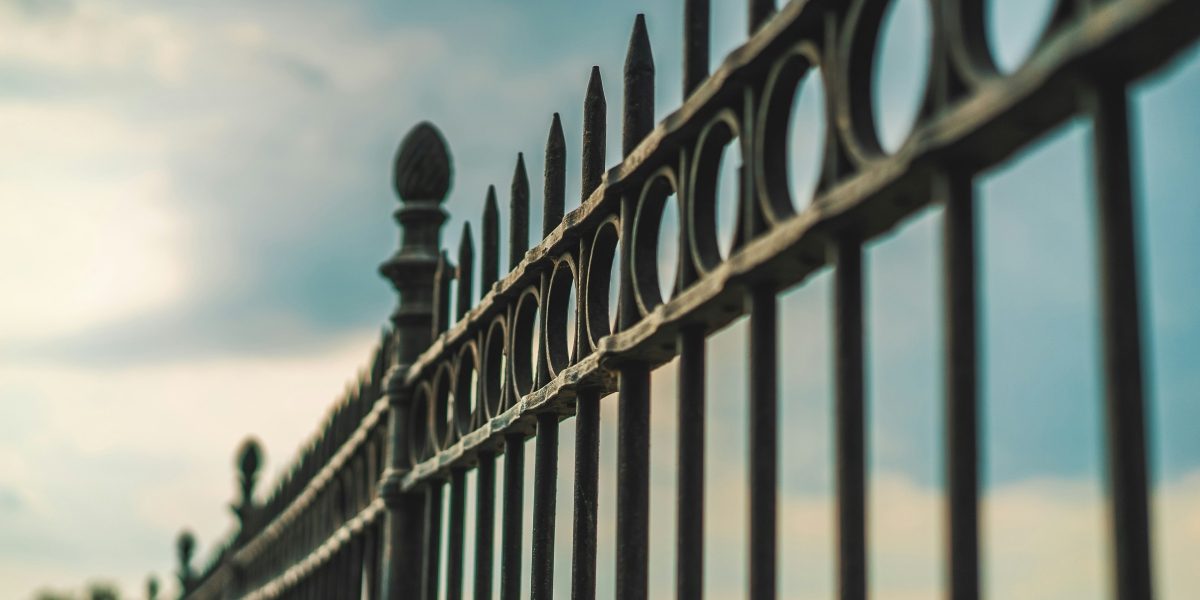
This is the part that surprises a lot of people. Wrought iron has a certain classic charm, but it’s genuinely difficult and expensive to shape into anything beyond fairly traditional patterns. Aluminum, on the other hand, extrudes and molds far more easily, which opens the door to a much wider range of styles, from clean horizontal-rail designs to more ornate, decorative patterns that mimic the look of iron without the weight or the rust risk. Add in powder-coated finishes available in a wide range of colors, and you get a fence that can actually complement your home’s architecture instead of forcing your home to match the fence.
Low Maintenance Is Not a Marketing Line
Every fencing company says their product is “low maintenance,” but with aluminum fences it’s genuinely true rather than a sales pitch. There’s no annual repainting, no sealing, no worrying about termites or wood rot, and no chasing rust spots with a wire brush. Occasionally rinsing it off with a garden hose is really all it takes to keep it looking new. For anyone who’s spent a weekend re-staining a wood fence in July heat, that difference alone can be worth the switch.
A Better Long-Term Value
Upfront, aluminum sits in a reasonable middle ground, not the cheapest option, but far from the most expensive. Where it really wins is over time. Wood fences often need partial or full replacement within 10 to 15 years depending on climate, and steel or iron fences need ongoing rust prevention that adds up in both cost and effort. Aluminum’s resistance to corrosion and wear means the total cost of ownership tends to be lower, even when the initial price tag looks similar to other materials. Factor in reduced repairs and no repainting, and an aluminum fence often turns out to be the more economical choice by the time a decade has passed.
Beyond durability and cost, aluminum also has a few practical advantages that make it a strong fit for both homes and businesses:
- Eco-friendly material. Aluminum is highly recyclable, and much of what’s used in fencing today contains recycled content.
- Pet and child safety. Smooth profiles and consistent spacing make it easy to design a fence that keeps kids and pets safely contained without sharp edges or splinters.
- Pool code compliance. Many fence styles are designed to meet local pool safety codes for height and picket spacing.
- Resale appeal. A clean, well-finished fence line adds curb appeal and can be a genuine selling point when it’s time to sell.
Where to Start If You’re Considering Aluminum
If aluminum fencing sounds like the right fit for your home or business, the next step is finding a manufacturer that actually stands behind the material with quality craftsmanship. That’s exactly where Alumission comes in.
Alumission designs and manufactures premium aluminum fences and gates right here in the USA, using architectural-grade aluminum extruded to real 14-gauge, 2mm wall thickness, not the thin, flimsy stock that shows up in big-box stores. Profiles are available in 6′, 8′, and 10′ lengths and can be customized to fit the specific dimensions and style of your property, whether you’re looking for a decorative perimeter fence, full privacy screening, or a galvanized steel mesh option for added security.
Here’s what sets Alumission apart from typical off-the-shelf fencing:
- Skillfully powder-coated finishes in a variety of colors for a modern, long-lasting look.
- Products crafted and inspected in-house for consistent quality control.
- A wide range of styles, from decorative perimeter fencing to full privacy panels and industrial-grade mesh.
Because everything is manufactured in-house, Alumission is able to maintain a level of quality control that’s hard to find with mass-produced fencing. If you want a fence that’s built to handle real weather, holds its finish for years, and still looks like it belongs on your property a decade from now, Alumission’s aluminum fencing is worth a serious look.