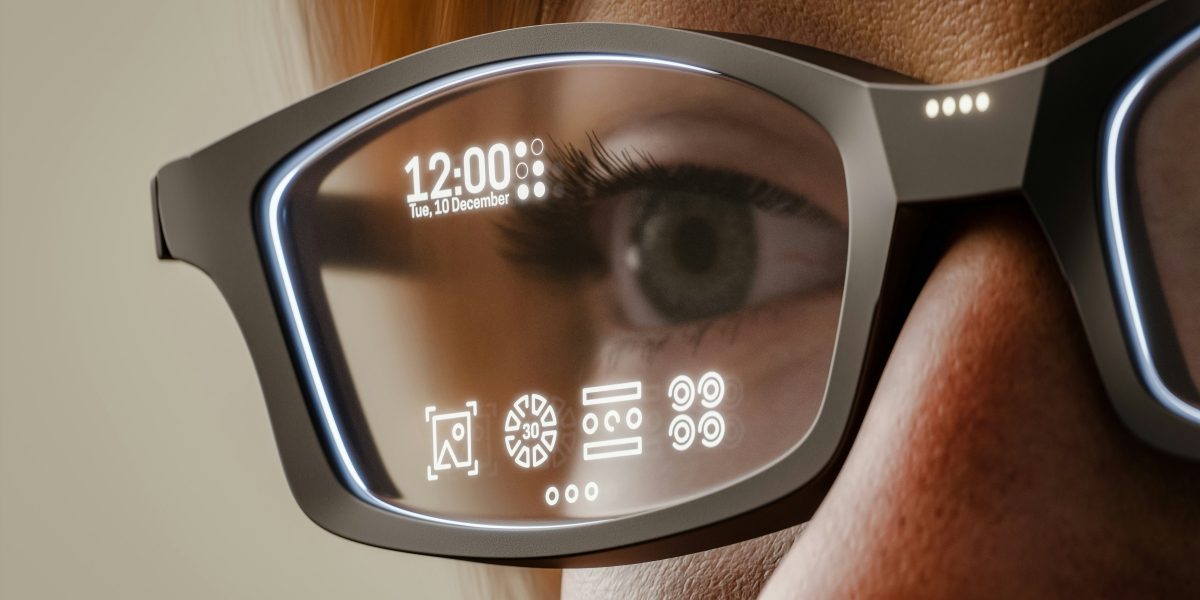

Wearable technology was once defined by simple fitness trackers and watches that displayed phone notifications. These devices were useful, but their role was limited. Most still depended on users opening an application to understand the information they collected.
Artificial intelligence is changing that relationship.
Modern wearables can interpret voice commands, recognize visual information, translate conversations, summarize health patterns, and provide assistance based on the user’s surroundings. Smart rings, watches, earbuds, and connected glasses are becoming active digital assistants rather than passive accessories.
Their growing role is not based on replacing smartphones or computers. Wearables are most useful when they handle brief tasks that would otherwise interrupt what a person is doing. They can capture an idea during a walk, provide directions without requiring someone to hold a phone, or help an employee access instructions while keeping both hands available.
As the technology improves, wearable AI is becoming part of how people manage daily routines, communicate, work, travel, and interact with digital services.
Moving Technology Closer to the Moment It Is Needed
Most digital tools require people to stop an activity and shift their attention to a screen. A person may need to unlock a phone, locate an application, enter a search, and read the result before returning to the original task.
Wearables shorten this process by remaining available throughout the activity.
A watch can provide a reminder while someone is exercising. Earbuds can read an important message while the user is carrying groceries. Smart glasses can answer a question about an object without requiring the wearer to photograph it and upload the image manually.
The value comes from timing. Information becomes more useful when it appears close to the moment when a decision must be made.
This explains why wearable AI is developing differently from traditional mobile computing. The aim is not to place every application on a smaller device. It is to identify the few interactions that become easier when technology remains close to the user.
Creating More Natural Voice Interactions
Voice controls have existed for years, but earlier assistants often depended on rigid commands. Users needed to remember specific wording, and follow-up questions could easily confuse the system.
Newer AI models are better at understanding natural language and context. This makes voice interaction more practical for wearable devices.
A user can ask for a reminder, dictate a message, request a translation, or ask a follow-up question without carefully planning every phrase. The interaction begins to feel more like a conversation and less like operating a menu.
Voice is particularly useful when the hands are occupied. Cooking, exercising, walking, driving, caring for a child, or working with tools can make phone use difficult.
It is not suitable for every situation. Spoken requests may reveal private information to nearby people, and loud environments can affect accuracy. Users still need control over when voice, touch, or a traditional screen is the better interface.
Helping People Understand Their Surroundings
Camera-equipped wearables add visual context to artificial intelligence.
A standard voice assistant knows what the user says, but it may not know what the user is looking at. A wearable camera can provide that missing information.
Someone could ask about a building, product, plant, sign, document, or appliance while looking directly at it. The system can process the image together with the spoken question and provide a more relevant response.
This interaction is one reason innovative AI glasses are receiving attention. By combining cameras, microphones, audio, and visual AI in familiar frames, these devices can provide assistance without asking users to describe every detail of the scene.
Visual AI remains imperfect. Poor lighting, distance, movement, and missing context can affect the result. Users should verify information before relying on it for health, safety, financial, or technical decisions.
Even with these limitations, the ability to connect spoken questions with visible surroundings creates a more natural form of digital assistance.
Supporting Healthier Daily Routines
Health tracking remains one of the most established uses of wearable technology.
Watches and rings can record movement, heart rate, sleep patterns, temperature trends, and workout information. AI can help organize this data and highlight changes that may be difficult for users to notice on their own.
The greatest benefit appears when information leads to action.
A sleep score has limited value if the user never adjusts their routine. Activity reminders become useful when they encourage regular movement. Recovery information can help someone decide whether to complete an intense workout or take a lighter day.
Wearables can also reduce the need for manual tracking. Instead of asking users to remember every walk, workout, or sleep period, the device collects information in the background.
Consumer wearables are not replacements for medical care. Unusual readings should be discussed with a qualified professional, particularly when symptoms are present. Their practical role is to support awareness and help people observe patterns over time.
Changing Communication Without Adding Another Screen
Digital communication has become faster, but it has also become more distracting.
Opening a phone to answer one message can expose the user to emails, social media, news alerts, and other notifications. A short task can turn into a much longer interruption.
Wearables can make communication more focused.
A watch may show whether a message requires immediate attention. Earbuds can read a notification aloud. Smart glasses can support calls, voice messages, or video from the wearer’s point of view.
Open ear audio is especially useful because it allows users to hear digital information while remaining more aware of their environment than they might be with noise-blocking headphones.
Translation is also becoming part of wearable communication. Current AI glasses can provide spoken translation during a conversation, while upcoming Android XR eyewear is being designed to offer real-time assistance without pulling users away from the people and places around them.
These features can make short interactions easier, but technology should not replace thoughtful communication. Important conversations may still require a phone, computer, professional interpreter, or face-to-face discussion.
Improving Productivity During Physical Work
Wearable AI may have its strongest workplace value in roles where employees cannot easily use a computer.
Technicians, warehouse workers, healthcare staff, inspectors, construction teams, and retail employees often need information while moving or handling equipment.
A wearable can provide short instructions, capture photographs, create voice notes, or connect the employee with a remote specialist. This reduces the need to stop a task, remove protective equipment, or walk back to a workstation.
The technology can also improve documentation. An employee can record an observation while the condition is still visible instead of relying on memory at the end of the day.
Future wearable agents may go beyond answering questions. Research systems have demonstrated glasses that can recognize real-world context and begin actions such as creating calendar events from posters, generating notes from physical documents, controlling connected devices, and adding visible products to a shopping cart.
These capabilities will need clear approval controls. Users should be able to review important actions before a wearable sends a message, makes a purchase, or changes a business record.
Making Remote Collaboration More Practical
Remote support often loses important visual context.
An employee may struggle to describe an unfamiliar component over the phone. Holding a smartphone during a repair can also be inconvenient, especially when the worker needs both hands.
A wearable camera gives a remote expert a first-person view. The specialist can see the same equipment, damage, or environment as the person on site and provide more specific guidance.
This can reduce travel and help businesses use experienced employees more efficiently. A specialist may support several locations without visiting every site.
Wearable collaboration can also improve training. A new employee can receive guidance during a real task instead of trying to remember every detail from an earlier presentation.
Organizations still need secure communication tools and clear recording rules. Cameras may capture customers, documents, computer screens, or restricted work areas. Remote access should be treated as a business system rather than an informal video call.
Reducing Language and Accessibility Barriers
Wearable AI can make digital information easier to access for people with different communication and accessibility needs.
Real-time translation may help travellers, international teams, and customer service workers communicate across languages. Captions can support users who need written access to speech. Voice controls can help people who find touchscreens difficult to operate.
Camera-based assistance can describe surroundings, read printed information, identify objects, and help users locate everyday items.
Meta has demonstrated how AI glasses can support blind and low vision users through environmental descriptions, messaging, calls, translation, and in-the-moment assistance.
Accessibility tools need to be reliable and easy to control. A feature that works only under ideal conditions may not provide enough support in daily life. Developers should involve people with disabilities throughout design and testing rather than treating accessibility as an optional addition.
Becoming Part of Connected Homes and Services
Wearables are also becoming another interface for connected devices.
A user may be able to control music, check a doorbell notification, adjust a smart home setting, or receive information from a vehicle without opening a separate application.
This could make connected homes feel more natural. Instead of searching through several menus, a user could make a brief voice request while moving through the home.
The same principle applies to shopping, travel, and local services. Wearables may help users identify products, receive navigation, review appointments, or interact with digital assistants based on their location.
The challenge is integration. People will not want a different wearable application for every device and service. Successful ecosystems will need to connect with the accounts, phones, calendars, and platforms users already depend on.
Google’s Android XR strategy reflects this direction by treating AI glasses as companion devices that connect with a wider Android environment rather than operating as isolated products.
Managing Privacy in a Wearable World
The features that make AI wearables useful also create new privacy questions.
A watch may collect health and location information. Earbuds may process voice requests. Smart glasses may capture images, video, and conversations involving people who do not own the device.
Users should understand when information is being recorded, where it is processed, and how long it is stored. They should review permissions rather than accepting every default setting.
Visible camera indicators are important, but responsible use also depends on the wearer. People should ask permission before recording private situations and avoid using camera-equipped wearables in sensitive locations.
Account protection matters as well. A compromised cloud account could expose stored media, messages, health data, or device settings. Strong unique passwords, additional authentication, and regular software updates reduce this risk.
Privacy should not be treated as a reason to reject wearable AI. It is part of making the technology dependable enough for everyday use.
Avoiding More Digital Distraction
Wearables can reduce phone use, but they can also create new forms of interruption.
A device that constantly delivers notifications, suggestions, health alerts, and AI responses may become more distracting than the screen it was meant to replace.
Good wearable design depends on restraint.
The system should understand which information is urgent and which can wait. Users should be able to limit alerts, choose quiet periods, and decide which applications may reach the wearable.
The best experience may be one where the device remains unnoticed most of the time. It should provide help when requested or when the information is genuinely important, then return attention to the user’s real activity.
This is an important difference between useful assistance and constant digital monitoring.
What the Next Generation May Bring
Future wearables are likely to become more capable without becoming much larger.
More AI processing may happen directly on the device or connected phone. This could improve speed, reduce dependence on cloud connections, and keep more personal information under the user’s control.
Displays may become lighter and less noticeable. Some glasses will continue to focus on cameras and audio, while others will provide navigation, captions, reminders, and short visual information.
Battery life and comfort will remain important. A wearable cannot become part of daily life if it is too heavy or needs to be charged every few hours.
The market is also becoming more competitive. Meta is expanding its eyewear range, while Google and its partners are preparing Android XR glasses designed around Gemini, translation, navigation, communication, and contextual assistance.
Greater competition may lead to more frame choices, better accessibility, and stronger integration with existing digital services.
Technology That Fits Into Life Rather Than Replacing It
AI wearables are growing because they can make certain digital interactions feel less disruptive.
They help people capture information while it is still relevant, communicate without constantly reaching for a phone, and access assistance while moving through the physical world.
Their value is not based on placing more technology in front of users. It comes from removing unnecessary steps.
A useful wearable may help someone remember an idea, understand a sign, complete a repair, communicate across languages, or access important information more independently.
The technology still faces challenges involving accuracy, privacy, comfort, battery life, and social acceptance. Those issues will shape which products earn long-term trust.
AI wearables are unlikely to replace phones and computers. They are developing into a different layer of computing, one that remains available during everyday activities without requiring users to leave those activities behind.
When designed carefully, wearable AI can make digital communication and assistance feel more connected to real life rather than competing with it.