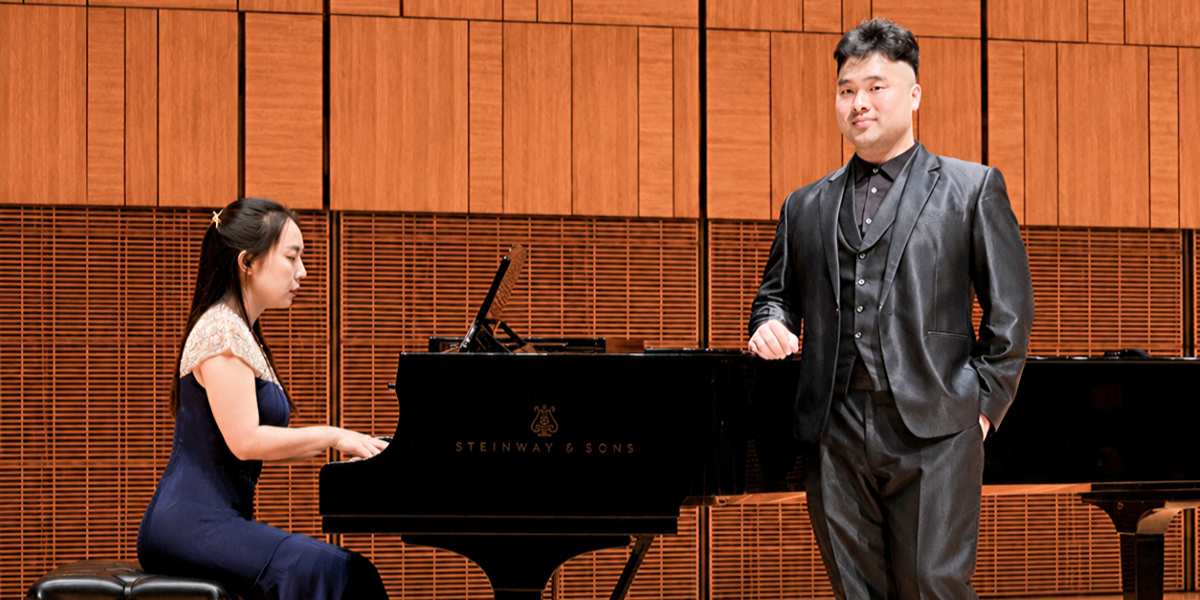
NEW YORK — On May 24, 2026, the 7th Apex International Music Competition took place at Zankel Hall in Carnegie Hall, bringing together talented young musicians from around the world. Among the invited artists was New York-based collaborative pianist and vocal coach Zengdi Fan, who joined the event as a featured performer.
According to the official invitation issued by the competition’s organizing committee, Fan was selected in recognition of her musical accomplishments, professional expertise, and contributions to the performing arts. The organizers noted that her participation would enrich both the artistic presentations and the event’s international cultural exchange initiatives.
The competition attracted performers representing diverse musical backgrounds and regions, creating a vibrant platform for artistic collaboration. During the event, Fan showcased her refined musicianship, expressive artistry, and extensive experience as a collaborative pianist, earning enthusiastic responses from audience members.
Widely regarded as one of the world’s most prestigious concert venues, Carnegie Hall has long served as a stage for distinguished artists and emerging talents alike. Its Zankel Hall regularly hosts international competitions, concerts, and educational programs that foster artistic development and cross-cultural dialogue.
Based in New York, Fan maintains an active career as a collaborative pianist, vocal coach, music educator, and choral accompanist. Through her performances and teaching, she continues to support artistic excellence while promoting cultural understanding through music.
In addition to her performance career, Fan has devoted many years to music education and artistic collaboration. Having studied piano from an early age, she developed a strong interest not only in solo performance but also in collaborative piano, a field that emphasizes partnership, communication, and musical leadership. Throughout her career, she has worked with singers, instrumentalists, choirs, and students of various backgrounds, helping performers develop both technical skills and artistic confidence.
Fan’s repertoire includes classical art songs, opera excerpts, choral works, and contemporary compositions. As a collaborative pianist and vocal coach, she believes that successful performance is built on careful listening, mutual trust, and a shared artistic vision. Her approach focuses on helping musicians discover their own expressive voices while creating meaningful musical connections with audiences. Through coaching, accompanying, and teaching, she strives to make music both accessible and inspiring for performers and listeners alike.
Reflecting on the experience, Fan described the invitation as both an honor and a source of inspiration. She expressed gratitude for the opportunity to perform at Carnegie Hall and reaffirmed her commitment to artistic growth, music education, and international cultural exchange.
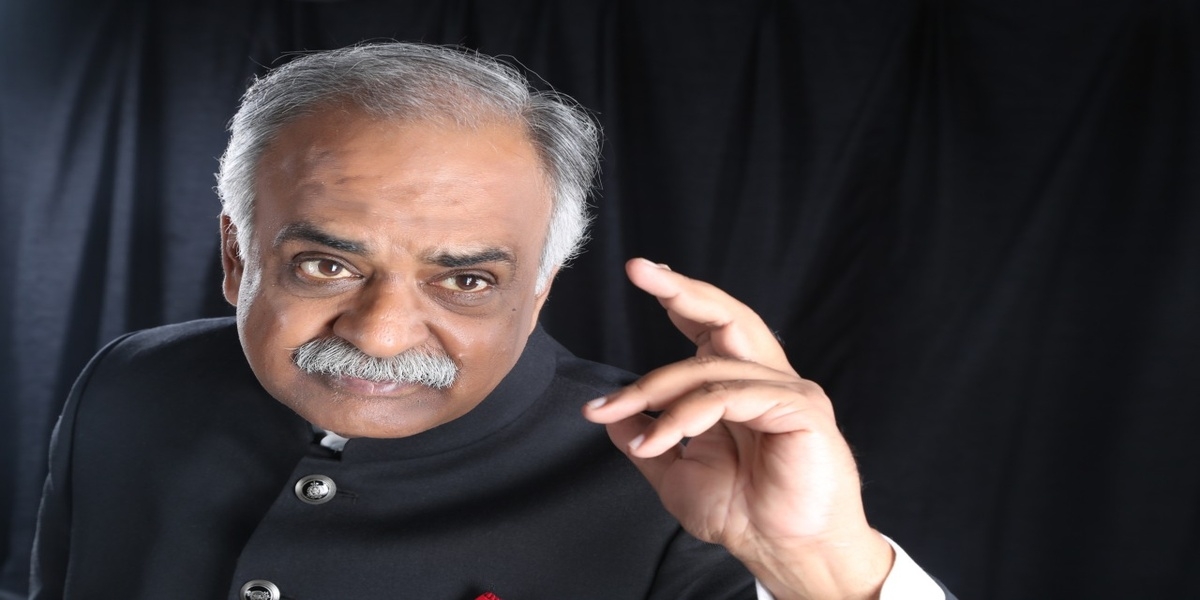
There are leadership coaches who speak about success, and then there are people like Dr. Shailesh Thaker, who have spent a lifetime studying how human beings think, learn, perform, and lead under pressure. Over the last three decades, Dr. Thaker has built a career in leadership development, organizational behavior, management training, and executive coaching, with influence that stretches far beyond India into Canada, the United States, the Middle East, and multiple parts of Asia. Across workshops, keynote addresses, books, coaching sessions, and university engagements, Dr. Thaker has consistently focused on one central idea: human potential is far greater than most people ever use.
Who Is Dr. Shailesh Thaker?
Dr. Shailesh Thaker is a management thinker, leadership coach, keynote speaker, author, trainer, organizational behavior expert, and an internationally active management mentor. He serves as the Chief Learning Officer of Knowledge Inc., a training and development firm that works with organizations seeking to strengthen management capability, leadership performance, and professional growth.
He has built a body of work spanning leadership education, soft skills training, cognitive thinking research, executive coaching, and management development. Over the years, he has worked with CEOs, vice chancellors, judges, doctors, HR leaders, principals, scientists, military officers, and senior managers across a wide range of industries and institutions.
A Career Built on Leadership, Learning, and Organizational Development
Dr. Thaker’s career has never been limited to one narrow professional lane. He has spent decades working at the intersection of leadership, behavioral science, training, coaching, and management education. His core expertise lies in understanding how people think, how organizations behave, and how individuals can be trained to perform at a higher level both personally and professionally.
That work has taken him into classrooms, boardrooms, conferences, institutions, and corporate settings across the world. He has been invited by universities and management institutes such as Seneca, IBA, CBM, SP Jain, IMI, LUMS, NIFT, Karachi University, Ned University, and GTU, among others, to speak on leadership, training, and organizational excellence.
What makes his work stand out is that it does not stop at theory. Dr. Thaker has built his reputation by translating big ideas into usable frameworks for real people in real organizations. His sessions are not centered on motivational language alone. They are built around execution, accountability, self-awareness, and the practical habits that turn intention into progress.
The Mission That Drives His Work
At the heart of Dr. Shailesh Thaker’s career is a mission he has articulated clearly: to selflessly help humanity use its potential 15 percent more to achieve the goals of life.
That mission explains the scale and consistency of his work. He has often spoken about the difference between thinking and doing, and that distinction appears throughout his philosophy on leadership. Strategy matters. Vision matters. Planning matters. But none of it has meaning unless it leads to disciplined execution. In his view, the world does not need more people who simply talk about change. It needs more people who can carry an idea through to completion.
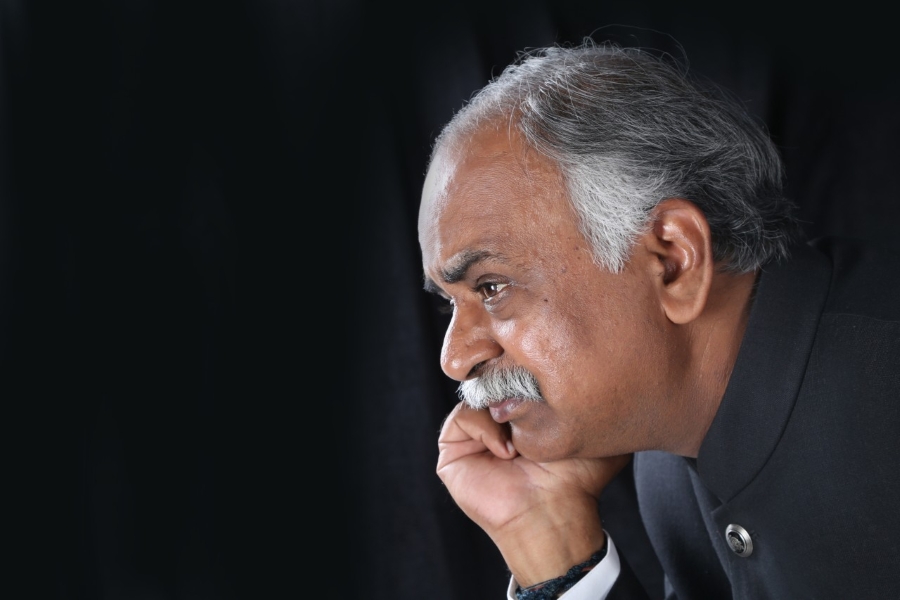
Photo Courtesy: Dr. Shailesh Thaker
A Researcher in Cognitive Thinking and Human Development
One of the lesser-known but important parts of Dr. Thaker’s journey is his academic and research work in Cognitive Thinking and Creative Writing on children aged 14. Born on February 27, 1960, in Ahmedabad, he earned a Ph.D. from SP University in this field, work that helped establish his early credibility as a thinker deeply interested in how the mind learns, processes, and develops.
This research background helps explain why his leadership work has always been grounded in psychology, behavior, and internal growth rather than surface-level performance tactics. He does not approach leadership as a set of corporate slogans. He approaches it as a lived discipline rooted in thought patterns, self-belief, habits, emotional balance, and the ability to remain effective through uncertainty.
The Scale of His Impact
Across his career, Dr. Shailesh Thaker has worked with an extraordinary range of people and institutions. He has delivered 19,559 hours of public speaking and training, conducted extensive workshops and seminars across continents, and reached participants from more than 62 countries. His audience has included everyone from senior executives and CEOs to judges, journalists, educators, IPS officers, doctors, and leadership teams.
That kind of scale is rare, but what matters even more is the consistency behind it. Dr. Thaker has not built his reputation through one bestselling course or a short burst of visibility. He has built it over decades of repeated engagement, continuous learning, and a willingness to show up for audiences across industries, age groups, and nationalities.
He has also trained and certified 550 trainers, helping expand the reach of professional development far beyond his own direct teaching. That multiplier effect is one of the clearest signs of his long-term commitment to leadership education. His work has also earned him numerous awards over the years, reflecting his long career as a global management trainer, coach, and mentor.
Author, Blogger, and Prolific Thinker
Dr. Shailesh Thaker is also a prolific writer. He began blogging in 2008, and over time, his platform grew into one of the most visible leadership and motivational content ecosystems connected to his work. His blog has attracted readers from dozens of countries, and he has built a substantial readership through years of consistent writing on leadership, management, execution, personal growth, values, and social development.
As an author, Dr. Thaker has written dozens of books, reflecting the scale of his intellectual output and his commitment to documenting ideas on leadership, growth, education, and human development. His writing journey has become one of the defining dimensions of his public impact.
Leadership With Demonstration, Not Just Theory
A phrase often associated with Dr. Thaker is that he practices leadership by demonstration. That idea says a great deal about how he sees his role. He is not interested in teaching leadership as a purely intellectual concept. He believes leaders must embody what they ask of others.
That includes discipline, humility, courage, balance, and the willingness to start again after setbacks.
In interviews, Dr. Thaker has spoken openly about failure and recovery. He has described one of his greatest life lessons as overcoming the fear of becoming “zero” more than once and still finding the strength to begin again. That mindset, he says, taught him never to lose confidence in himself and never to abandon faith in the larger forces that guide life.
A Voice in Global Leadership Conversations
Over the years, Dr. Thaker has been invited to speak at conferences and events in Japan, Korea, Africa, Canada, the United States, Singapore, the UAE, Qatar, and Pakistan, among other places. His lectures often explore the intersection of Indian wisdom, ethics, values, organizational behavior, and modern leadership practice.
He has also worked on broader social and developmental ideas, including blueprints and research papers related to GDP, youth, skills, startups, green energy, education, happiness, health, and the economy. His interests clearly extend beyond corporate training into the wider question of how societies build stronger systems, healthier institutions, and more capable citizens.
His global reach is also reflected in the diversity of communities he has engaged with. Few leadership mentors can claim the same range of interaction across industries, cultures, professional groups, and national backgrounds. His career has been defined by dialogue with people from virtually every type of professional and social community, reinforcing his reputation as a truly international mentor and trainer.
What Dr. Shailesh Thaker Believes About Family and Balance
For someone with a demanding global schedule, Dr. Thaker has also been candid about the importance of family. In one interview, he described family as the topmost priority in life and argued that a leader is responsible for the happiness of the family as much as for professional outcomes.
That idea reflects a broader theme in his work. Leadership, in his view, is not confined to office spaces or formal titles. It begins with the way a person conducts relationships, makes decisions, handles ego, and balances ambition with responsibility. Professional success without personal grounding is not, in his philosophy, a complete form of leadership.
Why Dr. Shailesh Thaker Still Matters
In a world full of motivational noise, Dr. Shailesh Thaker has remained relevant because his work is rooted in substance. After more than three decades in leadership development, he continues to stand out as a teacher of execution, a student of human behavior, and a coach who believes growth must be demonstrated, not just discussed.
For organizations, professionals, and institutions looking for leadership that goes deeper than performance slogans, Dr. Shailesh Thaker represents a rare kind of voice. He speaks not only about becoming successful, but about becoming useful, resilient, balanced, and capable of lifting others along the way.
Dr. Koray Erdoğan, one of Turkey’s leading hair transplant doctors, says that hair transplantation not only restores hair but can also give the face a more balanced and natural appearance. “A successful hair design rebuilds the frame of the face. This creates a much more harmonious and aesthetically pleasing appearance as a whole,” Dr. Erdoğan explains.
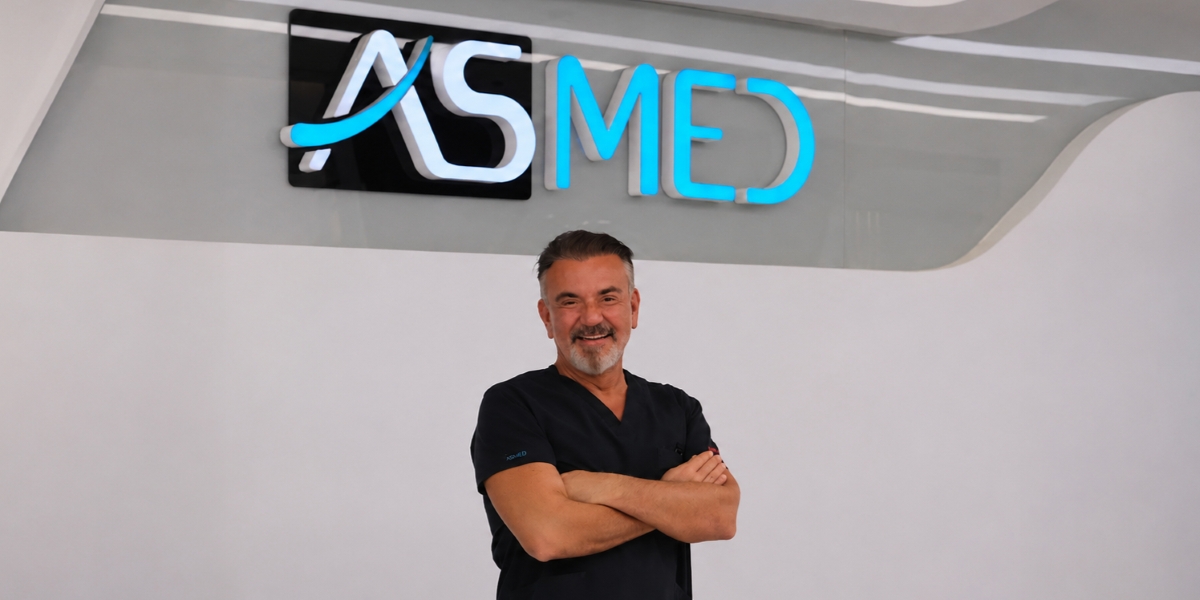
According to Dr. Koray Erdoğan, Medical Director of ASMED Medical Center, hair transplantation is among the most transformative aesthetic procedures in men’s lives. “When hair starts to fall out, one of the key elements that contributes to a man’s appearance is lost. At the same time, the person begins to be perceived as older than they actually are. This desire to avoid that loss is the main reason why hair transplantation has become so widespread. Here, the most critical point is how the hair design is performed,” he says.
“The Old Look Is Not Always the Best Look”
Dr. Erdoğan notes that most patients seeking hair transplantation simply want to return to their previous appearance, but he emphasizes that this is not always the right goal. “Hair transplantation, just like rhinoplasty or chin enhancement, is ultimately a form of facial design. Just as not everyone’s nose or chin is perfect, the hairline does not have to be perfect either. The old version of someone is not necessarily the version that suits them best,” he adds.
The Right Design Changes Facial Perception
Dr. Erdoğan stresses that hair transplant planning goes far beyond merely filling in bald areas, and that a well-executed design can completely change how a face is perceived. “By adjusting the hairline, it is possible to make the nose appear larger or smaller. When the hairline is positioned lower, the nose looks bigger. In someone with a pointed chin, a straight hairline can make the face appear harsher, while a V-shaped design creates balance. These subtle adjustments depend entirely on the doctor’s aesthetic vision and experience,” he explains.
Psychological Impact: Hair Transplantation Also Restores Confidence
According to Dr. Koray Erdoğan, the impact of hair transplantation is not limited to physical appearance. He says it is observed that significant psychological changes occur in patients after the procedure. “Many people with hair loss gradually withdraw from social life, avoid taking photos, and even become less visible in their professional lives. A properly performed hair transplant changes how a person sees themselves. This directly reflects on their confidence, body language, and communication,” he says.
There Is No Such Thing as a Standard Hairline
Emphasizing that every face has a unique structure, Dr. Erdoğan highlights that natural results can only be achieved through personalized planning. “Hair transplantation is not a template-based procedure. Forehead width, facial bone structure, eyebrow distance, age, and even personality play a role in the design. The same hairline can look completely natural on one person and artificial on another. That is why naturalness depends less on the technique used and more on the doctor’s ability to truly read the face,” he concludes.
Disclaimer: This article is for informational and editorial purposes only and does not constitute medical advice, diagnosis, treatment, or a recommendation for any specific procedure, provider, clinic, or outcome. Hair transplantation is a medical procedure, and results may vary based on each individual’s health, hair loss pattern, donor area, age, medical history, and treatment plan. Readers should consult a qualified, licensed medical professional before considering any hair restoration procedure. Any statements attributed to Dr. Koray Erdoğan reflect his professional perspective and should not be interpreted as a guarantee of results.
In trauma medicine, the speed and accuracy of research can make a meaningful difference in patient outcomes. Because injuries and emergencies vary from one region to another, healthcare providers need evidence that reflects a wide range of real-world settings. Traditional single-center research, while valuable, can fall short due to limited datasets or by reflecting only a small fraction of the patient population.
As Gianmarino Gianfrate knows, multicenter research collaboratives have emerged to help address this gap by connecting hospitals and research centers to share data, expertise, and resources on a much larger scale. These collaboratives are changing how discoveries are made and applied, improving the depth and scope of trauma research while also helping translate findings into clinical practice more quickly.
By examining how these partnerships function, the benefits they offer, and the challenges they face, it becomes clear why many in the field now view multicenter research as essential to advancing trauma medicine.
The Evolving Role of Multicenter Research in Trauma Medicine
Trauma medicine presents several challenges, including unpredictable injuries and highly varied patient populations. These factors make it difficult for any single hospital to collect enough data to draw meaningful conclusions on its own. By connecting multiple hospitals and research centers, multicenter collaborations provide a broader and more representative perspective.
Over the past decade, collaborative research has become increasingly important in trauma care. Teams working across multiple sites can study rare injuries and evaluate treatment protocols in real-world settings. This approach is helping shift research away from small, isolated studies toward larger, more reliable projects that better reflect everyday clinical practice.
How Collaboratives Operate in Trauma Research
Multicenter research collaboratives typically consist of networks of hospitals, clinics, and academic institutions working under a shared protocol. Each site contributes data and clinical insights, while standardized procedures help ensure consistency across locations. Central data coordinating centers often support these efforts by managing enrollment, data collection, and analysis.
Within these networks, responsibilities are often divided based on each institution’s strengths. Some hospitals focus on patient recruitment, while others handle specialized testing or data analysis. This structure allows institutions to work more efficiently while contributing to a more complete overall dataset. It also promotes knowledge sharing and helps raise the standard of trauma care across participating centers.
Advantages of Multicenter Studies
Involving multiple centers in trauma research helps ensure that findings reflect the realities of different healthcare environments and patient populations. A single hospital may only see a limited range of cases, but a multicenter approach captures a much broader clinical picture. This diversity leads to stronger and more generalizable findings.
Larger sample sizes also improve statistical reliability, making results easier to apply in clinical practice. When best practices are identified through these studies, hospitals can adopt new protocols with greater confidence, knowing they are based on evidence drawn from varied settings. Ultimately, this approach supports more consistent standards of care and improves outcomes across a wider range of trauma patients.
Speeding Up Discovery and Implementation
One of the key advantages of multicenter research is its ability to accelerate discovery. By distributing tasks across multiple sites, research teams can reduce delays that often slow single-center studies. Shared digital platforms also allow participating centers to exchange data and discuss findings in real time.
Pooling expertise and resources enables teams to address complex questions that would otherwise take much longer to resolve. It also allows promising interventions to move more quickly from research into clinical practice. In some cases, protocols can even be adjusted during a study based on early findings, helping keep research both relevant and impactful.
Impact on Patient Care and Outcomes
Multicenter trauma studies have contributed to important changes in clinical practice. In one example, collaboration across multiple sites helped refine guidelines for managing severe blood loss, leading to improved survival rates across several regions. Because these findings are drawn from diverse patient populations, they tend to be more reliable and less influenced by institutional bias.
Patients benefit when hospitals adopt evidence-based practices developed through large collaborative studies. As more centers participate in these efforts, improvements in care can spread more quickly, leading to better recovery outcomes and more consistent treatment standards across trauma systems.
Navigating Challenges and Future Directions
Despite their benefits, multicenter research collaboratives also face challenges. Coordinating across institutions can introduce complexities around data sharing, funding, and regulatory requirements. Protecting patient privacy while maintaining high-quality, usable data adds another layer of difficulty.
To address these issues, many groups are working to develop standardized protocols, streamlined data systems, and more efficient collaboration frameworks. Looking ahead, research networks are expected to become even more integrated, expanding both the scale and impact of trauma research. As these collaborations grow, they will continue to improve the speed and quality of discovery in trauma care.
André Cunha Lima, a Miami-based luxury real estate advisor, announced a continued focus on supporting international buyers evaluating luxury residential and new development opportunities across Miami and South Florida.
The announcement reflects continued interest in Miami real estate among buyers considering the region for relocation, lifestyle, business, and long-term ownership. Originally from Brazil and based in Miami for more than a decade, Lima works with clients from Brazil, Europe, and other international markets, navigating South Florida’s luxury residential sector.
Lima’s work centers on international buyer representation, multilingual communication, market education, and transaction guidance. His practice supports clients reviewing neighborhood options, development timelines, property features, ownership goals, and long-term fit.
“International buyers often need more than property information. They need context around neighborhoods, development timelines, ownership goals, and long-term fit,” said André Cunha Lima. “The goal is to help clients better understand the market before making an important financial and lifestyle decision.”
Supporting International Buyers Evaluating Miami Real Estate
For buyers entering the market from outside the United States, the real estate process can involve several considerations beyond property selection. These may include location research, development status, timing, property comparisons, and differences between resale properties and new-development purchases.
Lima’s work is designed to help international clients review these factors with a clearer understanding of the local market. His multilingual background allows him to communicate with clients in Portuguese, English, Spanish, French, and German, supporting buyers who prefer to discuss important real estate decisions in their primary language.
According to Lima, this type of communication is especially relevant in luxury real estate, where purchases often involve family planning, relocation goals, investment considerations, and lifestyle preferences.
Luxury Residences and New Development Activity
Lima’s recent work has involved buyer and seller representation for luxury and new-development activity in areas including Edgewater, Sunny Isles Beach, Miami Beach, and Wynwood.
His experience includes representation related to Aria Reserve and NoMad Residences Wynwood. He was selected as the listing agent for a Signature Line residence at Aria Reserve and also represented the sale of a penthouse residence at NoMad Residences Wynwood.
As part of his international outreach, Lima organized a presentation in Santos, Brazil, introducing Dolce & Gabbana Residences Miami to more than 50 invited guests. The event reflected his broader work connecting Miami real estate opportunities with international buyer markets, particularly Brazil.
Lima’s current activity includes expanding communication between Miami and international clients, evaluating South Florida real estate.
Continued International Business Development
Over the coming year, Lima plans to continue expanding his international referral network, increasing exposure for selected listings, and building business relationships between Miami and key markets such as Brazil, Germany, and other parts of Europe.
His current efforts include content creation, educational outreach, podcasts, events, and strategic partnerships designed to help international clients better understand Miami’s real estate landscape.
The focus is intended to support buyers evaluating Miami as a place to purchase property and as a market connected to relocation, lifestyle, business, and long-term planning.
Real estate decisions depend on each buyer’s goals, market conditions, financing, timing, and individual circumstances. Lima’s stated approach is to help clients evaluate those factors with greater context before moving forward.
About André Cunha Lima
André Cunha Lima is a luxury real estate advisor based in Miami, Florida. He specializes in high-end residences and new developments across South Florida, with a focus on supporting international buyers and investors evaluating Miami real estate opportunities.
Originally from Brazil and based in Miami for more than a decade, Lima works with clients from Brazil, Canada, Europe, the Middle East, and other international markets. He speaks Portuguese, English, Spanish, French, and German, and focuses on international buyer representation, market education, and multilingual client support.
Media Contact
Name: André Cunha Lima Company: Ancona Real Estate Website:andrecunhalima.com Location: Miami, Florida
Navigating the transition into retirement may involve more than just ensuring there’s enough saved. Retirement introduces a host of new considerations, including how to transfer wealth and minimize taxes. Aligning estate planning with tax efficiency can have a powerful impact on preserving assets and maintaining peace of mind, both for those entering retirement and for the loved ones who will eventually benefit from their inheritance.
By understanding how different estate tools work within the larger tax landscape, retirees may better protect their financial goals and provide clarity for heirs. As Chris Dixon notes, coordinated strategies, regular reviews with advisors, and flexible plans that can adapt to new laws or life changes are all potentially part of this phase of financial life.
How Estate Planning and Tax Efficiency Intersect
Estate planning and tax efficiency often work hand in hand when devising a retirement plan. Decisions made in one area frequently influence outcomes in the other, especially as assets shift from building wealth to preserving it for future generations.
When individuals set out to protect their assets, tax planning can help reduce unnecessary losses. Crafting a plan that considers both legacy goals and tax impacts helps ensure greater financial stability throughout retirement and beyond. Strategic alignment in these areas may also help simplify things for heirs down the line.
Key Estate Planning Tools
Estate planning often starts with basic documents like wills, but it also includes beneficiary designations, various types of trusts, and gifting strategies. Each tool can carry unique tax benefits or consequences depending on how assets are transferred.
Naming beneficiaries directly on accounts such as IRAs or life insurance policies can sometimes bypass probate and reduce delays or costs. Gifting during your lifetime, within annual IRS limits, may help reduce the taxable size of your estate while supporting loved ones or causes you care about. Thoughtful selection and timing of these strategies can make all the difference in your estate’s future tax exposure.
Trusts, whether revocable or irrevocable, add another layer of control and can tailor outcomes to fit your goals. These decisions may potentially affect how much of your wealth is preserved for heirs and how much is lost to taxes.
Structuring Retirement Income for Tax Savings
Choosing the order in which you draw from retirement accounts can make a noticeable difference in long-term tax liability. Some retirees start with taxable brokerage accounts, while others prioritize tax-deferred accounts or consider Roth conversions to manage their taxable income over time.
Required Minimum Distributions may trigger higher taxes if not planned carefully. By considering the tax aspects and withdrawal rules of each account type, retirees may help stretch their savings further and limit unnecessary tax exposure along the way. Having a plan in place for which accounts to tap and when may help better prevent surprises and support financial security over the years.
Using Trusts to Manage Taxes and Legacy Goals
Trusts serve as valuable vehicles for tax management and achieving legacy objectives. A revocable trust can provide flexibility and help assets avoid probate, while certain irrevocable trusts may offer protection from estate taxes or creditors. These structures can be particularly useful for families who wish to maintain privacy or set specific conditions for how and when heirs receive their inheritance.
Charitable trusts can also support philanthropic goals while providing tax advantages, such as deductions or estate tax savings. Selecting the right type of trust depends on personal priorities, the complexity of the estate, and specific tax implications tied to beneficiaries.
Planning With Professionals
Bringing together tax advisors and estate planning attorneys aims to lead to a smoother and more efficient retirement strategy. When professionals work in tandem, they can spot gaps, resolve conflicting advice, and better ensure your plan complies with changing regulations. Additionally, an integrated team may potentially recommend adjustments as personal and legislative changes arise, further supporting your retirement goals.
Keeping Your Plan Up to Date
Tax laws and personal circumstances rarely stand still. Adjusting your estate and tax plans as things change may help avoid surprises for you and your beneficiaries. Regular reviews with your advisory team keep your plan effective, especially as new opportunities or risks emerge over time.
Disclaimer: This article is for informational purposes only and does not constitute investment advice, a recommendation, or an offer to buy or sell any securities. Consult a qualified financial advisor for advice specific to your situation.
In an age where almost anything can be ordered with a few clicks and delivered within days, consumers have more access to products than ever before. Yet despite this convenience, a growing number of people are becoming increasingly selective about what they buy and bring into their homes.
The shift is not driven solely by price or quality.
It is driven by meaning.
Across multiple industries, consumers are demonstrating a stronger preference for products, brands, and experiences that feel authentic, personal, and connected to a larger story. Whether purchasing artwork, home décor, fashion, or handcrafted goods, many people are moving away from purely transactional buying decisions and toward more intentional consumption.
This trend is reshaping markets and influencing how brands connect with modern audiences.
The Search for Authenticity
Consumers today are exposed to an overwhelming number of marketing messages every day. As a result, people have become increasingly skilled at recognizing when something feels manufactured or insincere.
Trust has become one of the most valuable currencies in business.
Brands that communicate genuine values and demonstrate authenticity often develop stronger relationships with customers than those focused solely on selling products. People want to understand who created something, why it was created, and what it represents.
This desire for transparency extends far beyond marketing.
Consumers increasingly want purchases that align with their personal beliefs and identity.
The products they choose often become reflections of who they are and what they value.
Why Handmade Is Winning Attention
One of the clearest examples of this shift can be seen in the growing appreciation for handmade products.
In contrast to mass-produced items, handcrafted goods often carry a sense of individuality and human connection. Buyers understand that a real person invested time, skill, and creativity into creating the finished piece.
That story matters.
Consumers are increasingly willing to support artists, makers, and independent brands because they value originality and craftsmanship. They appreciate products that feel unique rather than interchangeable.
This preference is influencing purchasing behavior across categories ranging from furniture and fashion to artwork and home accessories.
Handmade is no longer viewed as a niche preference.
For many consumers, it represents quality, authenticity, and purpose.
Homes Are Becoming More Personal
The trend toward intentional consumption is particularly visible within the home. Rather than decorating according to rapidly changing trends, many homeowners are creating spaces that reflect personal experiences, values, and cultural identity. This approach results in interiors that feel more meaningful and less generic. People are selecting artwork, decorative objects, and furnishings that tell stories. They are incorporating family history, travel experiences, and cultural influences into their homes. Instead of pursuing perfection, they are prioritizing authenticity. This shift has contributed to growing interest in thoughtfully curated jewish home décor – where heritage, craftsmanship, and contemporary design intersect. These pieces often allow homeowners to celebrate tradition while creating spaces that feel modern and relevant to their daily lives. Meaning has become an important design element.
Cultural Identity Is Influencing Consumer Choices
Another important factor shaping purchasing decisions is the growing desire for cultural connection.
People are increasingly interested in products that reflect their heritage, traditions, and personal narratives. Rather than viewing culture as something separate from modern life, consumers are integrating it into their everyday environments.
This movement can be seen across numerous communities and industries.
Brands that authentically represent cultural stories often resonate more strongly because they offer consumers a deeper sense of belonging and connection.
In many cases, these products serve both functional and emotional purposes. They become reminders of identity, family history, and shared values.
As a result, cultural relevance is becoming a significant competitive advantage.
The Business Value of Storytelling
Companies are responding to these changing preferences by placing greater emphasis on storytelling.
Consumers are no longer interested only in what a product does.
They want to know where it came from.
They want to understand who created it.
They want to learn why it matters.
Organizations that effectively communicate these stories often build stronger emotional connections with their audiences. Storytelling helps transform products into experiences and transactions into relationships.
For businesses operating in creative industries, this approach has become particularly important.
People buy stories as much as they buy products.
The Rise of Modern Judaica
One category benefiting from these broader consumer trends is Modern Judaica. Artists and designers are reimagining traditional Jewish themes through contemporary creative expression, producing works that appeal to modern consumers seeking both cultural significance and aesthetic sophistication. These pieces demonstrate how heritage can evolve without losing its meaning. They allow individuals and families to celebrate identity while embracing contemporary lifestyles and design preferences. The growing popularity of Modern Judaica reflects a larger market trend toward products that combine authenticity, craftsmanship, and personal relevance. Consumers increasingly value objects that contribute something meaningful to their lives.
Looking Ahead
The movement toward intentional consumption shows little sign of slowing down.
As consumers continue to seek authenticity, craftsmanship, and deeper emotional connections, brands that prioritize meaningful storytelling and genuine values are likely to gain a competitive advantage.
People are becoming more thoughtful about what they purchase and why they purchase it.
They want products that align with their identity.
They want homes that reflect their values.
They want experiences that feel real.
In a world filled with endless options, meaning is emerging as one of the most powerful differentiators of all.
And for many consumers, that may be the most valuable trend of all.
British actress Harriet Bridgwater, in collaboration with Lunar 11 Productions, has been making an impact in the indie film world, starring in a series of films receiving recognition at festivals.
She and Lunar 11 previously worked together on the 2024 short film “Spotlight Of Love,” which received praise from VIP Connections.
Drive By Brings Comedy to the Festival Circuit
The first of these films, “Drive By,” is an award-winning film in the “Thilsri Film Festival” and “CinemaBriz Film Festival”, and was in the official selection for the JhaJha International Film Festival in 2025. Details on the title are available on its Drive By page on IMDb.
“Drive By” is an outrageous comedy about a young man, Sean (played by Arthur Bastos, known for “Spotlight of Love”), who adopts a rock-star persona and pretends to live a lavish life in Los Angeles, in part to impress his best friend Emma, for whom he has started to have feelings (played by Bridgwater, known for “Feast”).
Everything goes awry when his Uber driver, Milton (played by Sean Cowhig, known for “Hell Den”), becomes unhealthily obsessed with Sean. Sean seeks the help of Emma after Milton’s infatuation becomes dangerous.
Bridgwater plays Emma with a lovable, girl-next-door quality. She is completely unaware of Sean’s affection, which gives rise to an abundance of innocent, situational comedy. She shows exceptional comedic timing and delivers an effortlessly real, down-to-earth performance. Bridgwater convincingly plays the American Emma, adopting an American accent she has used across a range of roles, including her next role in association with Lunar 11 Productions.
A Darker Turn in Auder
The next film in her collaborations with Lunar 11 Productions and FFE Productions, “Auder,” highlights Bridgwater’s ability to transform into a range of contrasting characters and her versatility as an actor.
From the friendly, approachable Emma in “Drive By,” she becomes nearly unrecognisable in “Auder” as Ellen, a sinister figure, in a chilling performance. Playing such a brutal character, she conveys a sense of soulless, dead eyes that makes the role even more unsettling.
Photo Courtesy: Carolina Liz
“Auder,” directed by Brazilian filmmaker Felipe Marinheiro (known for “Murmur”), tells the story of two foreign teenagers, Beatriz from Brazil (played by Carolina Liz, known for “Quando Éramos Nós”) and Valentina from Mexico (played by Marycarmen Portillo, known for “Autumn’s Dream”). The girls are kidnapped and forced into an assimilation camp where the English language is weaponised to strip them of their cultural identity. More information appears on the Auder page on IMDb.
“Auder” earned an official selection at the LA Holly Films Festival and was featured at the Los Angeles Brazilian Film Festival (LABRFF). The film won Best Performances in “WILDsound Feedback Film & Screenplay Festival 2025.”Felipe Marinheiro and Carolina Liz shared insight into the poignant message within the film, in the interview: “Immigration & Identity: The Powerful Metaphor”.
Vulnerability and Release in Crazy Bitch
Following these features, Bridgwater starred as Olivia in the film “Crazy Bitch.” Details on the film are available on its Crazy Bitch page on IMDb.
The film follows Olivia, who experiences amnesia after a traumatic event and becomes increasingly suspicious of a new neighbour, Eric (played by Victor Montez, known for “Jasmine”), while seeking the help of her antisocial neighbour, Anna (played by Carolina Liz).
Photo Courtesy: Carolina Liz
Bridgwater plays Olivia with a visceral vulnerability. There is a feeling of Olivia being stifled by a subliminal shame and self-hatred that runs throughout the film, until she is finally liberated and able to release her rage. Bridgwater embodies the smallness Olivia has been made to feel, then delivers an immense, cathartic outburst at the end that sets free the internalised actions of someone else.
Every jewelry store has a website, yet most of those sites do very little. They look polished. The photography is sharp. Then a customer arrives with a question, finds no way to get an answer, and quietly leaves. The sale moves to another store, and the jeweler never learns it happened. JewlX was built to close that gap.
Why Jewelry Websites Lose Customers
Most independent jewelers rely on a site that works like a digital brochure. It displays products, but it cannot answer questions, price a custom piece, or capture a serious buyer in the moment. Shoppers who want to act often cannot, so they move on. The problem is rarely the craftsmanship or the inventory. It is the distance between a customer’s interest and a way to act on it.
JewlX treats that distance as a product design problem. The platform launched its waitlist two months ago and drew a wave of sign-ups within the first twenty-four hours. Word moved through jewelry circles quickly, driven less by marketing than by jewelers who recognized what the technology could do for their day-to-day sales.
What the JewlX Platform Does
A jeweler’s website becomes interactive rather than static. It can handle inquiries at three in the morning on a Sunday, when no one is in the store. A customer who wants an engagement ring can build it, see how it looks, and learn the price without calling anyone. Someone looking to sell gold receives an instant offer on the page. A shopper with a custom idea describes it, gets a quote, and leaves a deposit. Each interaction is handled and recorded.
These capabilities map to three parts of the platform. A ring configurator lets customers design and visualize a piece in real time. A custom-designed tool turns a written description into a structured quote and deposit. A metal-pricing engine calculates an offer for customers selling gold based on live market rates.
What It Means for Independent Jewelers
Jewelers in New York have been among the most vocal about what tools like this mean for their stores. The independent jeweler has long competed on craft and trust. With an interactive website, that same jeweler can compete on customer experience as well, matching the convenience that larger retailers offer online.
JewlX keeps its onboarding selective, and its waitlist remains long. Access is limited rather than open to everyone. For the jewelers who have come aboard, the early response has been steady interest.
On July 31st, D’yan Forest is back in action with her new show D’yan in Paris: The Wild 1960’s at the iconic Joe’s Pub, in celebration of her 92nd birthday and another year as the Guinness World Record holder for Oldest Working Comedian.
Revisiting the Wild Paris Years of the 1960s
Way back in the 1960s, D’yan Forest was in Paris, enjoying experiences that others wouldn’t dare dream of. She hung out at swingers’ parties and strip joints, performed in drag clubs, dated plenty of Parisian males, and fell in love with Paris’s first-ever female bus driver.
Now, as she celebrates her 92nd birthday, Forest is sharing these exhilarating and downright naughty stories for the very first time in her hilarious and completely uncensored new comedy show, D’yan in Paris: The Wild 1960’s.
“Most people celebrate their 92nd birthday with cake. Not me baby, I’m celebrating mine by standing on stage and confessing what I got up to in Paris in the 1960s. Time to decide whether I’m brave or perhaps I’ve gone completely mad,” said Forest.
A Comedian Who Has Performed Around the World
Forest is a powerhouse comedian who shows no signs of slowing down, having performed around the world in New York, Paris, London, Edinburgh, and even Ethiopia. Critics have described her as “saucy,” “witty,” and “irrepressible.” She has appeared on The Drew Barrymore Show and has been featured in The New York Times, Time Out New York, The New York Post, The Guardian, and France’s Got Talent. Her act titled I Married a Nun placed her on the same stages as Jerry Seinfeld, Jim Gaffigan, and Joan Rivers.
For more than two decades, Forest has built her reputation on a blend of music and comedy, often taking the stage with her ukulele in hand. Her new show continues that tradition, pairing candid storytelling with the comedic timing of a performer who has spent a lifetime in front of audiences. From intimate Paris cabarets to New York comedy clubs, she has kept refining the act that made her famous.
Forest continues to balance regular swims at Equinox on Greenwich Avenue with memorizing fresh jokes and songs, all while living with the energy, curiosity, and joie de vivre that keep her forever young.
D’yan in Paris: The Wild 1960’s was written by Forest and Stephen Clarke, bestselling author of A Year in the Merde.
Seeing D’yan Forest Live at Joe’s Pub
Joe’s Pub is located at 425 Lafayette Street at Astor Place, and tickets for D’yan in Paris are priced at $36.
D’yan Forest was raised a provincial girl in the conservative suburbs of Boston. After a “scandalous” divorce for the time and two years of oral French lessons, Forest got on a five-day boat ride to study abroad in Paris. After falling in love with the city, Forest would then embrace the French culture fully, which would determine the trajectory of the rest of her career.
Back in the US, Forest performed as an international singer at golf clubs, country clubs, bars, and restaurants. Her life as a singer was cut short when the entertainment business in New York City was brought to a halt after the 9/11 attacks. With no idea that she had the capability to be funny, Forest became what the world needed the most at that time: a comedian. With her ukulele in hand, Forest put together a hysterical and risqué one-woman show, which caught on quickly.
COVID-19 got Forest wondering what else she could do with all of her wonderfully hilarious stories from life. I Did it My Ways is the culmination of her sitcom-worthy life events, now available for all to read. But this book is no indication that the 91-year-old is done taking to the stage. Her one-woman acts, “Swinging on the Seine” and “A Gefilte Fish Out of Water,” can still be seen in New York and Paris at some of the most famed comedy clubs.