
By: Ethan Lee
In the high-stakes world of corporate leadership, we have become obsessed with the “Why.” Inspired by popular leadership theories, CEOs and founders spend months, and millions, crafting a Vision. They paint a picture of a shimmering destination: a $100M valuation, a disrupted industry, or a global legacy. They stand on stages and sell the dream.
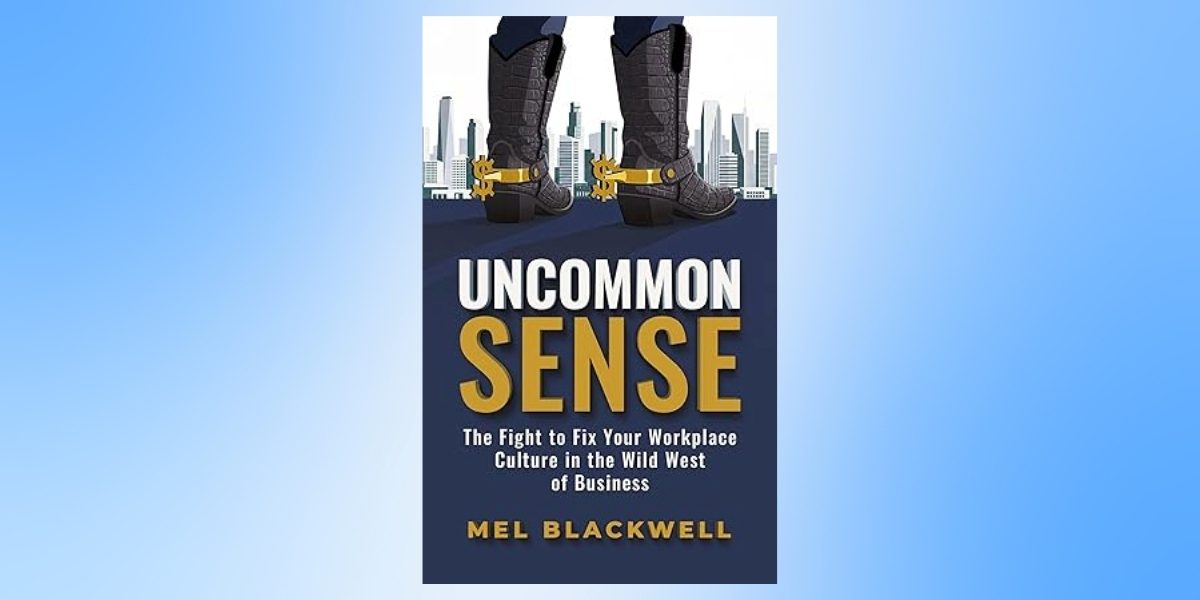
But according to Mel Blackwell, author of Uncommon Sense: The Fight to Fix Your Workplace Culture in the Wild West of Business, this is where the wheels start to come off.
“The vision is the destination… the why and where, Simon Sinek stuff. Great stuff,” Blackwell explains. “But the sub-vision is the journey. I call it the how-journey.”
The Crisis of Believability
When a leader pitches a grand vision without a corresponding sub-vision, they create a “Believability Gap.”
Imagine a wagon train in the 1850s. The trail boss points to the fertile valleys of California. The settlers are inspired; they want to get there. But then they look at the wagons, the wheels are rotting. They look at the horses, they haven’t been fed. They look at the trail boss and realize he has no map for the mountain passes.
The settlers don’t lose interest in California. They lose faith in the trail boss’s ability to get them there.
“People in the business may believe in the vision destination but lose faith in their leaders’ ability to get them there,” Blackwell says. In the Wild West of business, if you don’t have a sub-vision, you aren’t leading; you’re just daydreaming at the expense of your employees’ trust.
What is the Sub-Vision?
The sub-vision is the tactical, cultural, and behavioral undergirding of the primary vision. While the vision is about the future, the sub-vision is about the now. It is the “how” that makes the “why” possible.
In an Uncommon Sense Culture, a sub-vision provides the boots, the rations, and the compass for the journey. As Blackwell discussed in detail during this recent podcast episode, it answers the gritty questions that determine whether a team stays together or abandons the caravan:
- How do we behave when the trail gets rough?
- How do we resolve the inevitable friction between departments?
- What is the standard of excellence when the timeline is screaming?
Without a clear sub-vision, teams may support the goal, but they will doubt the path. Over time, that doubt weakens trust and undermines execution.
The Trap of “Problem Worship”
One of the biggest obstacles on the how-journey is a phenomenon Blackwell calls Problem Worship. In many organizations, the journey stalls because the culture has become addicted to analyzing obstacles rather than overcoming them.
Problem Worship occurs when teams repeatedly discuss, document, and “color-code” issues without moving toward actionable solutions. In Blackwell’s view, this is a form of leadership laziness. You cannot reach the destination if you are too busy admiring the mud you are stuck in.
The Antidote: The Best Pledge™
To bridge the gap between the vision and the destination, Blackwell introduces The Best Pledge™. This is the behavioral glue of an Uncommon Sense Culture.
The idea is simple: people being their worst selves are illogical subjects for best practice in business. The Best Pledge™ is a framework where individuals and teams agree to bring their best work to the table, not just for the company, but for themselves and their community. It shifts the focus from “what is wrong” to “how we move.”
By implementing The Best Pledge™, leaders replace the “analysis paralysis” of problem worship with a culture of accountability and progress. This approach has earned the book 5/5 star editorial reviews for its practical, no-nonsense application.
Leading the Climb
In the Wild West of business, the leaders who survive aren’t just the ones with the best speeches; they are the ones who understand the mechanics of the journey.
If you want to keep your best people, stop just selling the mountain peak and start proving you can lead the climb. Align your team around the destination, but obsess over the sub-vision. Because a vision without a how-journey is just a map to a place you’ll never reach.