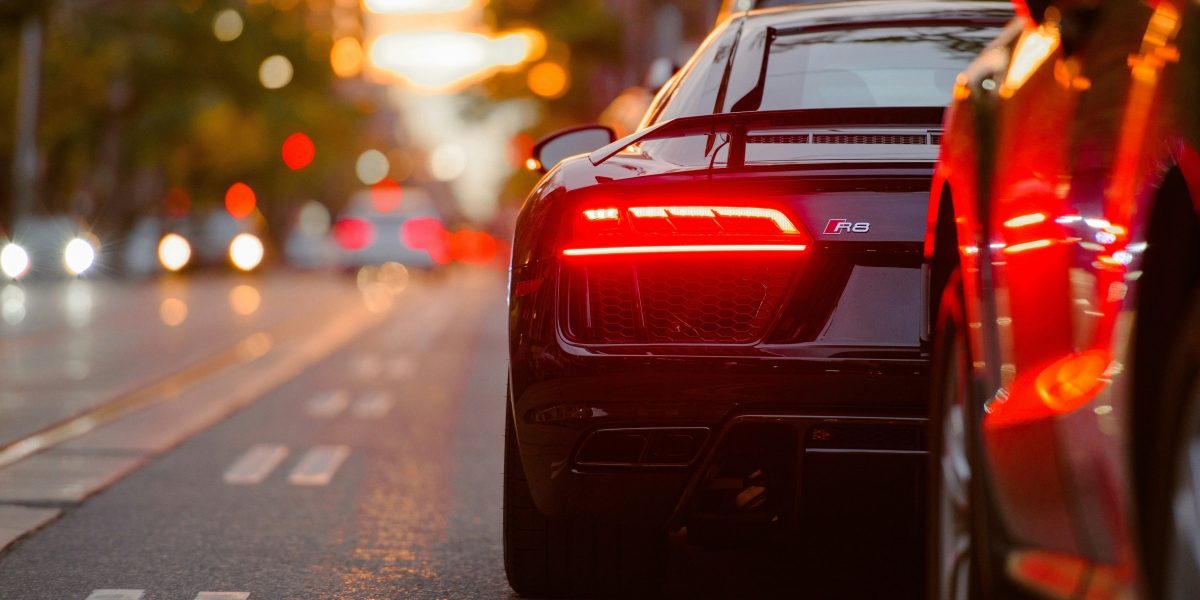

Most car modifications are about looks or performance. These five are about something more important: making sure you can see, and be seen, on the road.
Whether you drive early mornings, in heavy rain, or on unlit country roads, visibility is one of the most underrated safety factors in driving. The good news is that small, affordable upgrades can make a surprisingly big difference. Each of the modifications below is practical, budget-friendly, and delivers a genuine improvement to how safely your car operates in the real world.
Here are five small car upgrades that make a big difference on the road.
1. Upgraded LED Headlight Bulbs
The Single Biggest Visibility Upgrade You Can Make
If your car is still running halogen headlights, you’re working with outdated technology. Halogen bulbs produce a narrow, yellow-tinged beam that fades quickly in wet or low-light conditions. LED replacements are brighter, whiter, and throw a significantly wider spread of light, meaning you pick up hazards earlier and oncoming drivers notice you sooner.
Quality LED bulb kits are available from around £30–£60 for the most popular makes and models. The majority are a direct swap into your existing headlight housing, requiring no modifications to wiring or fittings. For the price of a tank of fuel, you can transform how your car performs at night or in poor weather.
Look for a colour temperature of 5,000–6,000K for crisp white output without excessive glare. Make sure the bulbs are road-legal and canbus-compatible if your car runs electronic error detection on its lighting circuits. Replace both headlights at the same time. Mismatched brightness is a common MOT advisory and looks sloppy on the road.
2. Rear Fog Light Upgrade
Often Ignored, Always Important
Rear fog lights are one of the most neglected safety components on any car. Many drivers never test them, and plenty of older vehicles have faded or failed units that offer minimal protection in low-visibility conditions. A straightforward LED rear fog upgrade (either a direct replacement bulb or an aftermarket unit) dramatically improves how visible your car is to following traffic in fog, heavy rain, or snow.
The intensity difference between a tired standard bulb and a quality LED unit is immediately obvious. Ask someone to stand behind the car while you activate it. If the output looks weak or orange-tinged, a replacement is cheap and takes minutes to fit.
Costs start from around £15 for a bulb swap up to £50–£80 for a full replacement unit. Either way, it is one of the most cost-effective safety upgrades available for any car. Given how frequently British weather demands fog light use, it is also one of the most practical.
3. Dual-Channel Dash Camera
Not Just for Evidence, for Awareness
A front and rear dash camera does more than record footage for insurance purposes. Drivers who run cameras consistently report being more conscious of their own road positioning, following distances, and lane discipline, simply because the camera is there. The act of being recorded changes how attentively most people drive.
Modern dual-channel units start from around £60–£100 and can be hardwired into your fuse box for a clean, permanent installation. Features worth prioritising include a minimum 1080p front resolution, an infrared or Sony Starvis night vision sensor, and parking mode with motion detection for incidents while the car is unattended. GPS logging to record speed and location alongside footage is increasingly standard on mid-range units and adds genuine evidential value.
Beyond the safety benefits, a hardwired dash camera is a tidy, reversible modification that adds nothing to your running costs and potentially saves a significant amount in the event of a disputed insurance claim.
4. Convex Blind Spot Mirrors
A £5 Fix for One of the Most Common Accident Causes
Blind spot collisions are among the most frequent causes of serious road incidents, particularly on motorways and dual carriageways. Small convex adhesive blind spot mirrors, available for as little as £5 a pair, fit directly onto your existing door mirrors and expand your field of vision into the areas your standard mirrors cannot cover.
They will not replace the need for physical head checks before changing lanes, but they provide a genuine secondary view that catches vehicles your mirrors would otherwise miss. For regular motorway drivers, tow vehicle operators, or anyone who frequently navigates multi-lane roads, the improvement in spatial awareness is immediate and noticeable.
Position them in the outer lower corner of each door mirror and adjust until you can see the rear quarter of your own car and the lane alongside. Avoid cheap units with heavy optical distortion. Look for glass rather than plastic lenses, with a strong adhesive backing that will not fail in heat or wet conditions.
5. Interior Warning and Visibility Lighting
For Responders, Fleet Drivers, and Anyone Who Needs to Be Seen
For drivers operating in environments where being clearly visible to oncoming traffic is critical, including volunteer first responders, fleet managers, rural drivers on unlit roads, or anyone whose role requires immediate roadside visibility, interior warning lighting is a step beyond the standard modifications listed above.
An LED visor light bar is one of the most effective and discreet options available. Mounted inside the windshield along the sun visor area, it projects powerful LED illumination outward through the glass at the eye level of oncoming drivers. When switched off, it is virtually invisible from outside the vehicle. When activated, it delivers serious warning output without any exterior modification, roof hardware, or drilling.
This type of interior warning lighting is standard equipment on unmarked police vehicles and undercover response cars precisely because it maintains a completely anonymous exterior while providing emergency-grade visibility on demand. For civilian drivers in high-visibility roles, it is a practical and professional upgrade that most would not even know was there until it was needed.
Installation is straightforward. Most units attach via suction cups or visor clips and connect directly to a 12V power source. Hardwired options are available for permanent builds.
Small Upgrades, Big Impact on Road Safety
Visibility and safety modifications do not need to be expensive or time-consuming. The five upgrades covered in this guide range from a few pounds to a couple of hundred, and every one of them makes a real, measurable difference to how well you see and how clearly other drivers see you.
Start with what matters most for your driving environment. Better headlights for night commutes, a dash cam for motorway miles, blind spot mirrors for lane-change confidence, or warning lighting for high-risk roles. Each one is a small but meaningful investment in safer, more aware driving. None of them requires professional fitting, specialist tools, or significant outlay.
The best safety modifications are the ones you actually use. These five small upgrades qualify on every count.