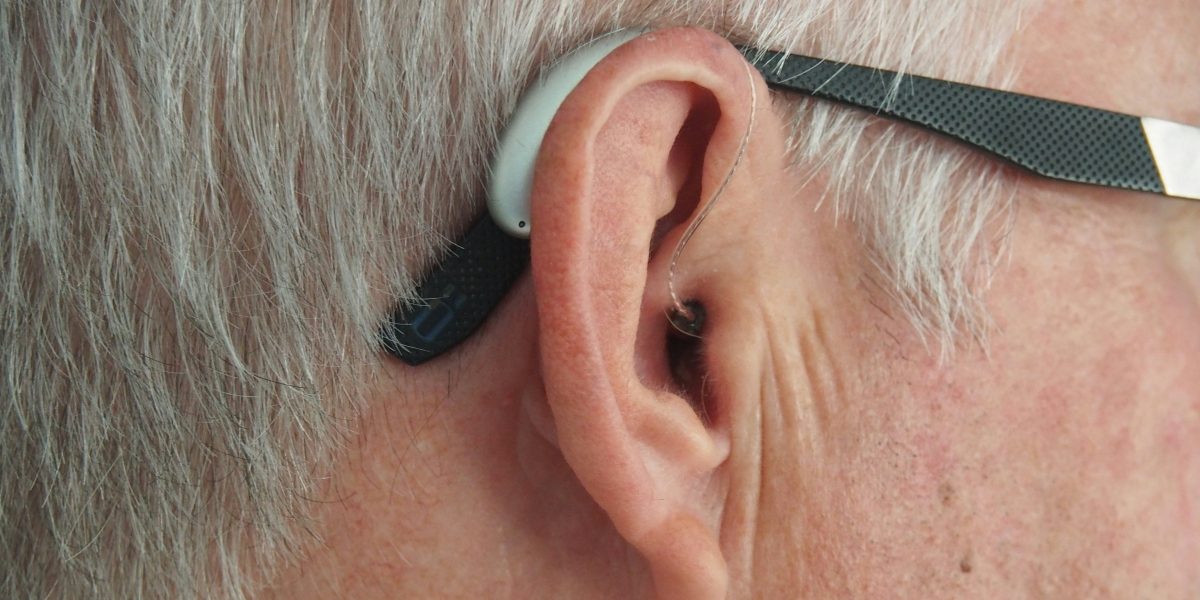

Remember the last time you missed something important in a conversation? Maybe it was a whispered comment from a friend at dinner, or your partner’s name buried in a crowded room. For over 430 million people, these moments happen constantly, not because they’re not paying attention, but because their ears need help.
The good news is that this support has finally caught up with the 21st century. Today’s hearing aids aren’t the clunky, whistling devices your grandmother might have worn. But aesthetics and design aside, here’s more of what makes these devices better now.
The Brain Behind the Ear: AI and Deep Learning
The most significant leap in recent years has been the integration of Deep Neural Networks (DNNs).
In the past, a hearing aid couldn’t tell the difference between a clattering plate in a restaurant and your friend’s laughter. Modern devices can now scan the environment up to 700 times per second. They identify specific sound patterns and instantly suppress background noise while prioritizing human speech.
Research shows that this AI-driven approach can improve speech understanding by up to 30% in loud environments. It reduces listening effort, meaning you don’t feel exhausted at the end of a dinner party from trying to piece together sentences.
Connectivity Without the Cord: The Rise of Auracast
Remember the frustration of trying to hear an airport announcement over the roar of the crowd? Or straining to hear the TV without waking up the whole house?
Enter Bluetooth LE (Low Energy) Audio and a new feature called Auracast. This is a game-changer for public spaces. Auracast allows a venue like a theater, gym, or airport gate to broadcast audio directly to your hearing aids.
- At the Gym: You can tune into the “silent” TV on the wall without needing headphones.
- At the Airport: Important gate changes are beamed straight to your ears, ensuring you never miss a flight.
- At Home: You can stream your favorite show directly to your device with virtually zero lag and significantly less battery drain than older Bluetooth versions.
More Than Just Hearing: Health Monitoring
In 2026, hearing aids will become essential wellness trackers. Because they sit in a prime spot, the ear canal, they can gather incredibly accurate data. Many advanced models now include:
- Heart Rate Tracking: Monitoring your cardiovascular health during the day.
- Fall Detection: A life-saving feature that can alert a family member if the wearer takes a tumble.
- Step Counting and Activity Goals: Encouraging a more active lifestyle, which is closely linked to cognitive health.
The Hearing-Brain Connection
Recent studies, including the 2024 Lancet Commission report, have identified hearing loss as one of the top modifiable risk factors for dementia.
When the brain has to work too hard to decode sound, it takes resources away from memory and thinking. By using advanced hearing aids to clear up the “fuzziness” in sound, users can help preserve their cognitive function.
The New Reality of Hearing
The stigma surrounding hearing devices is rapidly fading. Today’s models are sleek, often invisible, and offer “superpowers” like instant language translation and hands-free calling.
Whether you are exploring options or looking into the latest over-the-counter (OTC) innovations, the goal remains the same: staying connected to the people and moments that matter.
Disclaimer: This content is for informational purposes only and is not intended as medical advice. While modern hearing aids incorporate advanced technology, their effectiveness may vary by individual. Always consult with an audiologist or healthcare professional for personalized recommendations and to address any health concerns related to hearing loss.