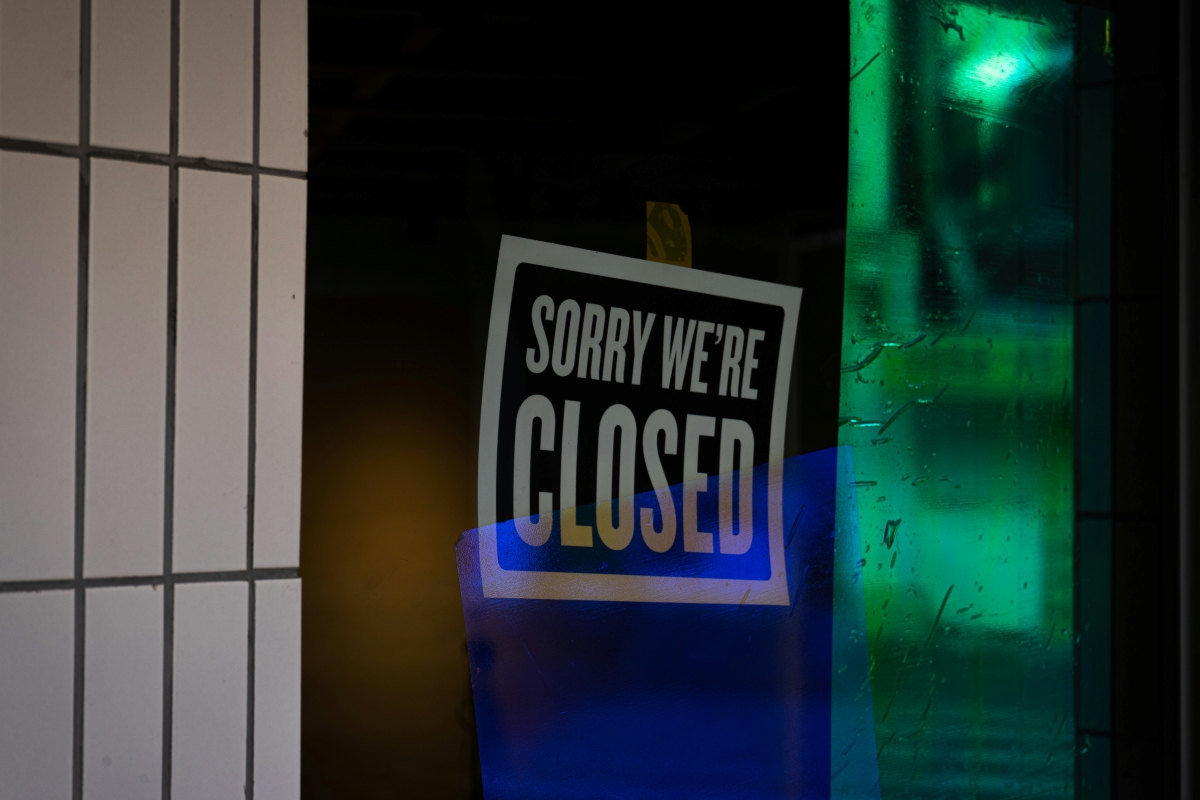

A long-standing fixture of Manhattan’s Chelsea neighborhood is preparing to turn off its neon lights for the last time. Elmo, the stylish restaurant and lounge located on Seventh Avenue, will permanently close its doors on March 13. This news marks the end of a 25-year run for a venue that served as much more than a place to grab a meal. It was a vital social hub for the LGBTQ+ community and a symbol of the neighborhood’s identity.
The decision to close comes after the building housing the restaurant was sold. With the lease reaching its end, the owners found themselves unable to continue operations in the changing real estate environment. Since opening in 2002, Elmo stood out for its mid-century modern design, its lively atmosphere, and its consistent support for queer culture in New York City.
A Community Living Room
For over two decades, Elmo functioned as a “community living room” for Chelsea. It was famous for hosting legendary drag brunches, high-energy Pride Sunday celebrations, and late-night dinners. The basement lounge, known as Elmo Lounge, was a popular spot for cabaret shows, comedy nights, and performances that gave many artists a platform to start their careers.
The restaurant was also a magnet for celebrities and public figures. It was common to see Broadway stars or television personalities dining alongside locals. However, the true value of the space was its inclusivity. It provided a safe and welcoming environment during a time when such spaces were becoming harder to find in a rapidly gentrifying city.
Many patrons have expressed their sadness over the news on social media, sharing memories of first dates, birthday parties, and the feeling of belonging they found within its walls. The staff, some of whom worked there for years, became familiar faces to the regulars, creating a sense of family that is rare in the fast-paced New York dining scene.
The Rising Pressure on Independent Venues
The closure of Elmo is not an isolated event. It reflects a broader trend affecting independent hospitality businesses across New York City. Operating a restaurant in Manhattan has become increasingly difficult due to a combination of factors. Rising rents, high labor costs, and the increasing price of ingredients put immense pressure on profit margins.
When large buildings change ownership, small businesses often face steep rent hikes or the refusal of new leases. Landlords sometimes prefer to bring in corporate tenants or luxury retailers who can afford higher monthly payments. This shift is slowly changing the character of neighborhoods like Chelsea, which were once defined by unique, independently owned shops and eateries.
Economic experts point out that while the city’s dining scene is still vibrant, it is becoming less diverse. The loss of a 25-year-old institution suggests that even successful, well-loved businesses are not safe from the realities of the current real estate market.
Official Statements and Reactions
The management of Elmo confirmed the closure with a heartfelt message to their loyal customers. They expressed deep gratitude for the years of support and the memories created within the space. While the physical location is closing, the impact of the restaurant on the local community is expected to last.
In a statement regarding the closure, the owners noted:
“We are so proud of what Elmo has been for the community over the last 25 years. It has been an honor to serve as a home for so many celebrations and a gathering place for the LGBTQ+ community. We thank our incredible staff and our guests for making Elmo a part of New York history.”
Local advocates for small businesses have also weighed in on the news. They argue that the city needs to do more to protect “legacy businesses”—establishments that have been open for decades and contribute significantly to the cultural fabric of a neighborhood.
Community leader and advocate Andrew Werner shared his thoughts on the loss:
“Elmo wasn’t just a restaurant; it was a cornerstone of Chelsea. To see a place with such a rich history and such a deep connection to the LGBTQ+ community close is a loss for the entire city. It reminds us how fragile these cultural spaces are in the face of real estate development.”
What Comes Next for Chelsea?
As March 13 approaches, the restaurant is expected to be busier than ever. Regulars are visiting for one last meal or a final cocktail to say goodbye to the staff and the space. The final nights of operation will likely be a celebration of everything the venue achieved since 2002.
The departure of Elmo leaves a significant hole on Seventh Avenue. It remains to be seen what will replace the iconic restaurant, but for many, no new business will quite capture the same spirit. The closure serves as a reminder for New Yorkers to support their favorite local spots before they disappear.
The story of Elmo is a chapter in the history of a changing New York. It represents a period of time when Chelsea was the undisputed heart of queer life in the city. As the neighborhood evolves, the memories of drag shows, Sunday brunches, and late-night conversations at Elmo will remain a cherished part of Manhattan’s cultural heritage.