
By: William Jones
Dental tourism has entered a more mature phase, and this is evident in how patients evaluate clinics. The conversation is no longer dominated by airfare, hotel photos, and headline discounts. It is increasingly driven by questions that sound closer to due diligence: What is the diagnostic workflow? How is the plan validated? What happens if revisions are needed? Who owns quality control?
This shift is happening for the same reason many consumer categories evolved in the past decade. Buyers became better informed, expectations rose, and the market began rewarding operators who could demonstrate systems rather than rely on vague outcomes. In dentistry, that means clinics with measurable planning, clear materials logic, and transparent patient coordination are gaining the trust that used to be reserved for local care.
The Consumerization Of Dentistry: Patients Want Verifiability
Dental care has always been personal, but international patients now approach it with a higher standard of verification. They want a plan that is explainable and trackable, not a sales pitch wrapped in glossy before and after photos.
Digital workflows are part of this. Intraoral scanning, 3D imaging, and CAD/CAM production are not marketing terms, they are control mechanisms. They reduce variability, improve communication, and make it easier to align expectations before irreversible steps begin. For a patient traveling across borders, that structure matters because time is limited and the opportunity to correct misalignment is smaller.
The clinics winning in this environment are the ones that operate like a process, not a promotion.
Why The “Big Three” Treatments Expose Real Quality
Most international dental travel demand clusters around three treatment categories: Hollywood Smile, zirconium crowns, and dental implants. Each one tests the discipline of a clinic in different ways.
Hollywood Smile cases are not just about whitening. They are design decisions around proportion, symmetry, smile line, and facial harmony. The difference between a premium result and an artificial one is rarely the marketing label. It is how accurately the plan is designed and how well it is executed.
Zirconium crowns bring a different test. Strength is often the selling point, but long-term comfort depends on precision: marginal integrity, bite alignment, and consistency across multiple units. Crowns are a manufacturing outcome as much as a clinical one, which is why workflow matters.
Dental implants are the most unforgiving. They are structural solutions that depend on diagnostics, placement strategy, prosthetic planning, and maintenance expectations. When implant cases go wrong, the root cause is often planning gaps or communication failures, not the concept of implants itself.
Turkey’s Competitive Advantage Is Shifting From Price To Operational Maturity
Turkey became a leading destination for dental tourism partly because of pricing dynamics. But in 2026, the competitive edge is increasingly about operational maturity. Patients want clinics that can define a timeline, explain why the plan is correct, and deliver with consistency. That pushes providers to invest in standardized diagnostics, digital planning, and tighter patient coordination.
One clinic aligned with this direction is DentPrime, an international patient focused provider based in Antalya. Their positioning leans on structured coordination and clear treatment pathways, which reflects where the broader market is heading. You can review their approach and patient journey at DentPrime.
For patients comparing options, the most useful evaluation method is not asking who promises the fastest transformation. It is asking which clinic can describe its process in a way that feels accountable. If a provider can clearly explain diagnostics, planning logic, revision checkpoints, and aftercare expectations, the probability of a stable outcome typically improves.

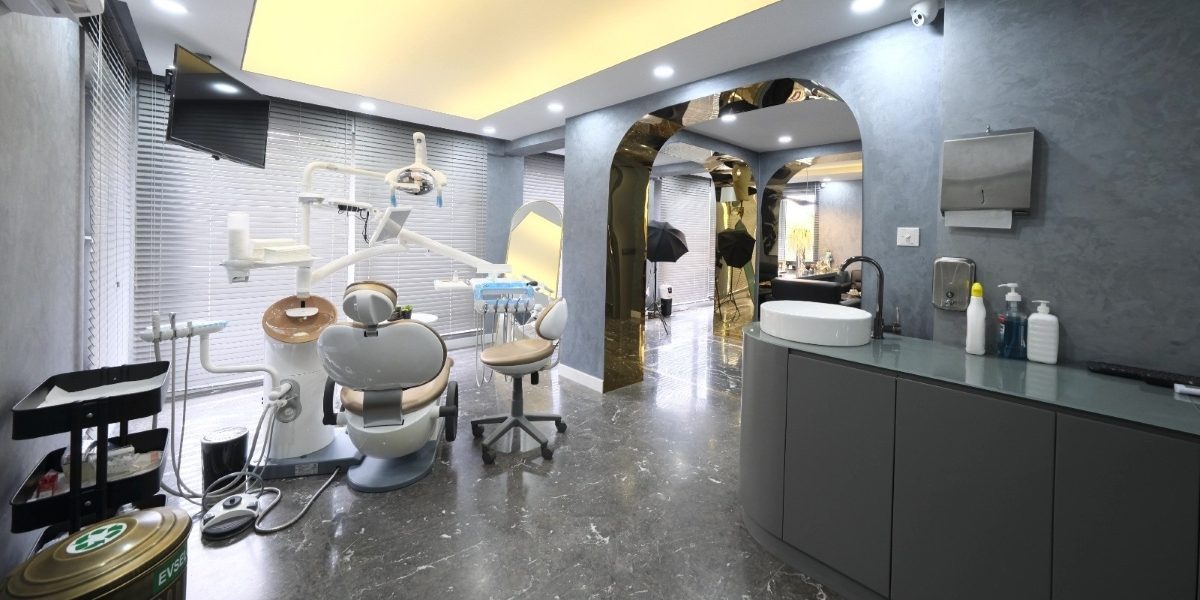
Photo Courtesy: DentPrime
Dental Implants As A Case Study In Accountability
Implants illustrate the difference between surface-level marketing and system-level delivery. The procedure spans multiple decision layers: imaging, bone evaluation, placement, soft tissue considerations, restoration design, and bite integration. Any weak link can create downstream problems.
A simple way to assess seriousness is to look at how a clinic presents its implant pathway and what it emphasizes first. If the message starts with planning and diagnostics, that is generally a better signal than messaging that starts with price and speed.
For a clear reference point, start with a dedicated overview like dental implants in Turkey and evaluate the language. Does it focus on planning discipline, case suitability, and long-term expectations? Or does it rush to outcomes without explaining the chain of decisions required to get there?
What Reputable Organizations Reinforce: Maintenance Is Part Of The Deal
A mature dental tourism market also requires patients to understand that long-term success is not a single moment. Maintenance, oral hygiene, and realistic expectations are part of the outcome. Global organizations like FDI World Dental Federation consistently emphasize prevention and patient education, which is a useful baseline for anyone considering major interventions. A reliable reference point is the FDI World Dental Federation.
The Bottom Line
Dental tourism is being re-rated. As the market becomes more competitive and patients become more informed, the winners will be clinics that can demonstrate systems: diagnostics, planning, controlled production, revision checkpoints, and aftercare clarity.
For international patients, the most important upgrade is not just cosmetic. It is informational. When a clinic can show its work, confidence follows.
Disclaimer: The outcomes and procedures discussed in this article, including those involving dental tourism in Turkey and specific clinics, may vary based on individual circumstances and clinic-specific processes. No guarantees of results are made, and all information is for informational purposes only