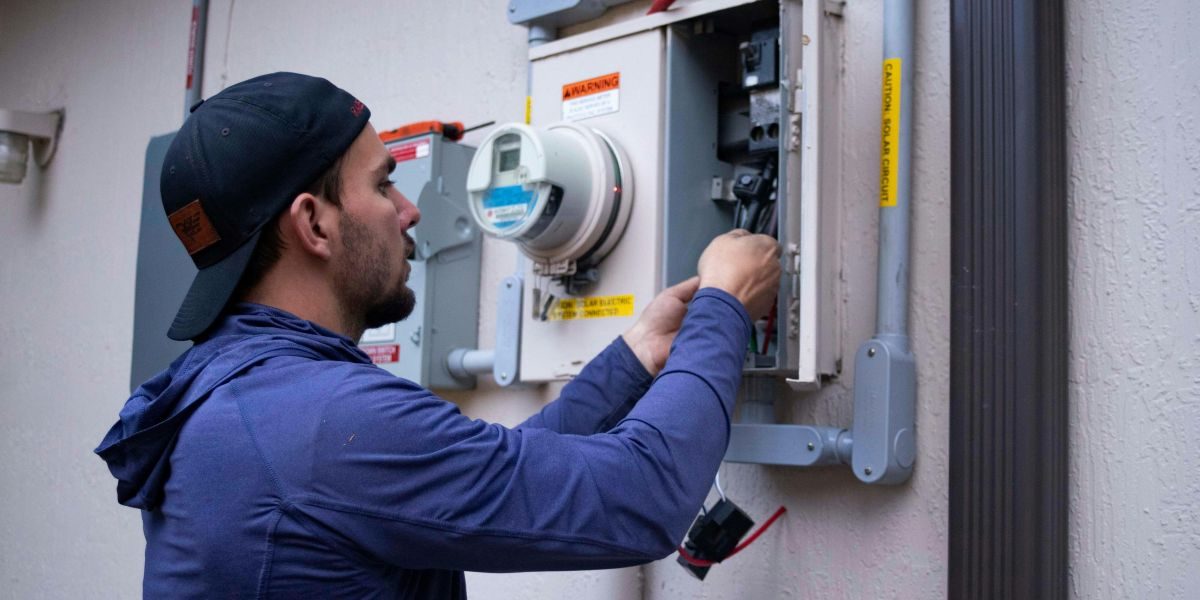

Modern commercial spaces depend on a safe and steady electrical system every day. Lights, computers, machines, and security tools all need power to work well. When the system is strong, work runs smoothly without stops or delays. If it is weak, it can cause downtime, safety risks, and high repair costs.
Good planning is needed before building or upgrading any system. A well-planned setup helps support daily work and future growth. It also lowers the chance of sudden breakdowns. Strong electrical infrastructure is the base of every modern business space.
Understanding Power Needs in Commercial Buildings
Every commercial space uses power in different ways. Offices need power for computers, lights, and internet systems. Shops may need power for displays and payment tools. Factories often need more power for heavy machines.
It is important to study power needs before setting up a system. This helps avoid overload and system failure. Planning ahead also gives room for future growth.
Designing a Scalable Electrical System
A scalable system can grow with the business over time. As companies grow, they add more people, tools, and devices. The electrical system must handle this extra load without trouble.
Extra capacity in panels and wiring helps support future needs. This reduces the need for full system changes later. A scalable setup saves time and money. It also keeps work running without breaks during growth.
Safety as a Top Priority
Safety is one of the most important parts of electrical systems. Bad wiring or overloaded circuits can cause serious harm. This can lead to fires, damage, or power loss.
Regular checks help find problems early. Safe materials and proper setup also lower risks. Businesses should always follow safety rules. A safe system protects people and property.
Energy Efficiency and Cost Control
Energy use is a high cost in commercial buildings. A smart system helps reduce waste and save money. Simple tools like LED lights and timers can lower power use.
Efficient systems also reduce stress on equipment. This helps machines last longer. Lower energy use means lower bills. It also helps the environment.
The Role of Professional Expertise
Electrical work is complex and needs trained hands. Experts know how to build safe and strong systems. They also help plan for both current and future needs.
A commercial electrician can make sure the system follows safety rules. This helps avoid costly mistakes. Expert help leads to better performance. It also gives peace of mind.
Smart Technology Integration
Modern buildings now use smart tools for better control. These include smart lights, sensors, and remote systems. They help manage power use in a simple way.
Smart tools also show how much energy is being used. This helps reduce waste and improve planning. Technology makes systems more flexible. It also improves daily comfort.
Maintenance and Regular Upkeep
Even strong systems need regular care. Small checks can find loose wires or worn parts. Fixing small issues early prevents big problems later.
Routine maintenance keeps systems safe and stable. It also helps reduce repair costs. A well-cared system lasts longer. Regular care is always important.
Strategic Electrical Infrastructure: Creating Long Term Value
Good electrical infrastructure is not just for today. It helps save money and reduce risks in the future. A strong system also improves daily work.
With good design and care, systems last longer. They also support business growth with ease. In the end, strong planning leads to safer and better spaces.