

New York — The largest nurses’ strike in New York City history has now entered its second week, with roughly 15,000 registered nurses still on picket lines across the city and no contract deal in sight. Hospitals and union negotiators remain far apart as the walkout stretches into its ninth day, cold weather biting and tensions rising among strikers, hospital leaders and city officials.
What began last Monday as a united protest against staffing levels, wages and healthcare benefits has evolved into a symbolic showdown between frontline caregivers and some of the city’s biggest healthcare systems — including NewYork-Presbyterian, Mount Sinai and Montefiore.
Stalled Negotiations Leave Strike Dragging On
After nearly ten days, contract talks between the New York State Nurses Association (NYSNA) and hospital systems have repeatedly stalled. Although there have been mediated sessions with NewYork-Presbyterian and later with Mount Sinai, none has produced meaningful progress toward a new deal, and no further bargaining dates have been set as of Tuesday.
“This isn’t just about pay — it’s about safe staffing and giving patients the care they deserve,” said Jennifer Fischman, a nurse protesting outside Mount Sinai West. “It’s difficult to be out here, but it’s really important to stand up for what we think is right.”
Union leadership has made clear that key priorities include enforceable safe-staffing standards, protection against workplace violence and preservation of health benefits — all areas they say have been neglected amid rising pressures on healthcare workers.
Despite the walkout, hospital management insists that operations continue, bolstered by thousands of temporary nurses hired to keep emergency rooms and specialty services running.
A Rallying Cry With Political Support
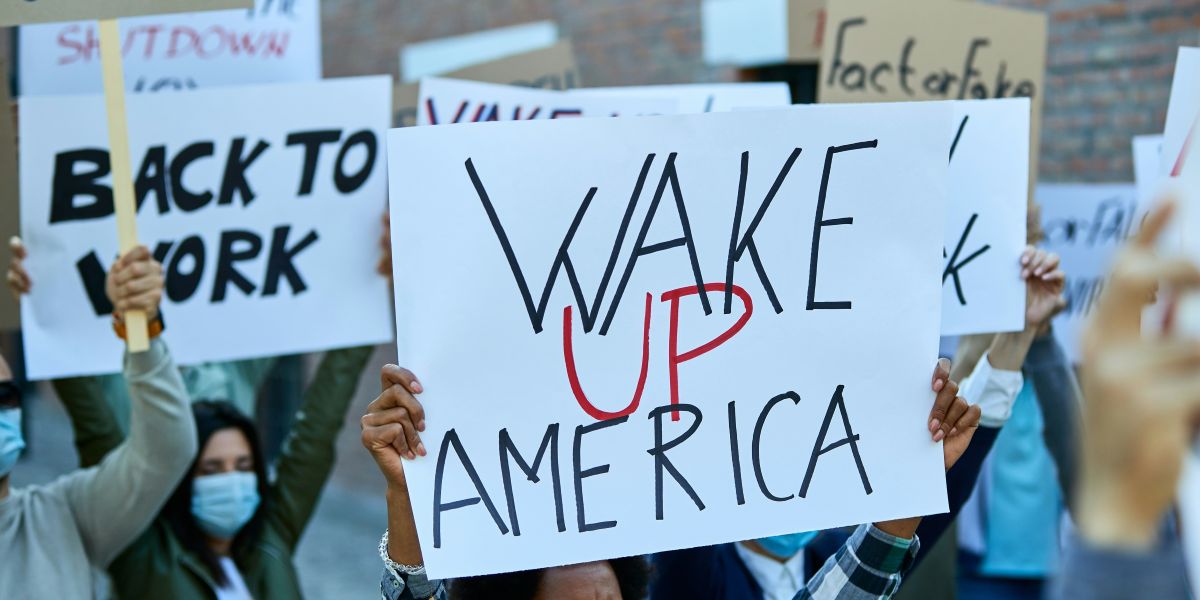
Photo Credit: Unsplash.com
This week, striking nurses drew high-profile support on the picket lines. U.S. Senator Bernie Sanders and New York City Mayor Zohran Mamdani joined the protest outside Mount Sinai West on Tuesday, urging renewed negotiations.
“The people of this country are sick and tired of the greed in this health care industry,” Sanders said to the gathered crowd, calling on hospital executives to return to the table. Mamdani, who brought doughnuts for the picketers, echoed the call for a fair contract and emphasized that safe staffing is vital both for nurses and for patients.
Such political attention is rare for a labor dispute centered in private healthcare, illustrating how deeply the issues at stake — from burnout to workplace safety — resonate with broader concerns in the city.
On the Lines: What Nurses Are Saying
Many striking nurses stress that they’d rather be inside treating patients than outside in the bitter cold. But they also express deep frustration with how negotiations have unfolded.
“We’re trying to be positive… we don’t want to be out here. I’d rather be inside taking care of my patients,” said protester Roy Permaul, highlighting the emotional cost of the strike. “This is a short-term struggle to get long-term gains.”
Another nurse, Mianna Scott, warned against letting outside forces discredit the union’s efforts. “If someone’s goal is to bust the union and put a bad name on the nurses, we are not going to let that happen,” she said, underscoring the solidarity among picketers.
The Broader Stakes: Patient Care and Community Impact
While hospitals maintain that they are functioning normally, the strike occurs amid a broader healthcare environment still strained by seasonal illnesses and chronic understaffing. Public officials like City Council Speaker Julie Menin have joined nurses on the line, stressing the importance of safe staffing not just for workers, but for patients too.
For many nurses, this strike is not just about one contract — it’s a larger statement about how healthcare should be delivered in America’s largest city.
“It’s not just about us,” said Fischman. “It’s about the patients we see every day — and the kind of care they deserve.”
What Comes Next
As the strike enters another week, both sides remain at an impasse. Hospitals are awaiting mediator guidance on future talks, while the union continues to mobilize support from allied unions and political figures. With no new bargaining dates yet confirmed, the standoff appears poised to continue — leaving nurses, administrators, and patients alike watching closely.