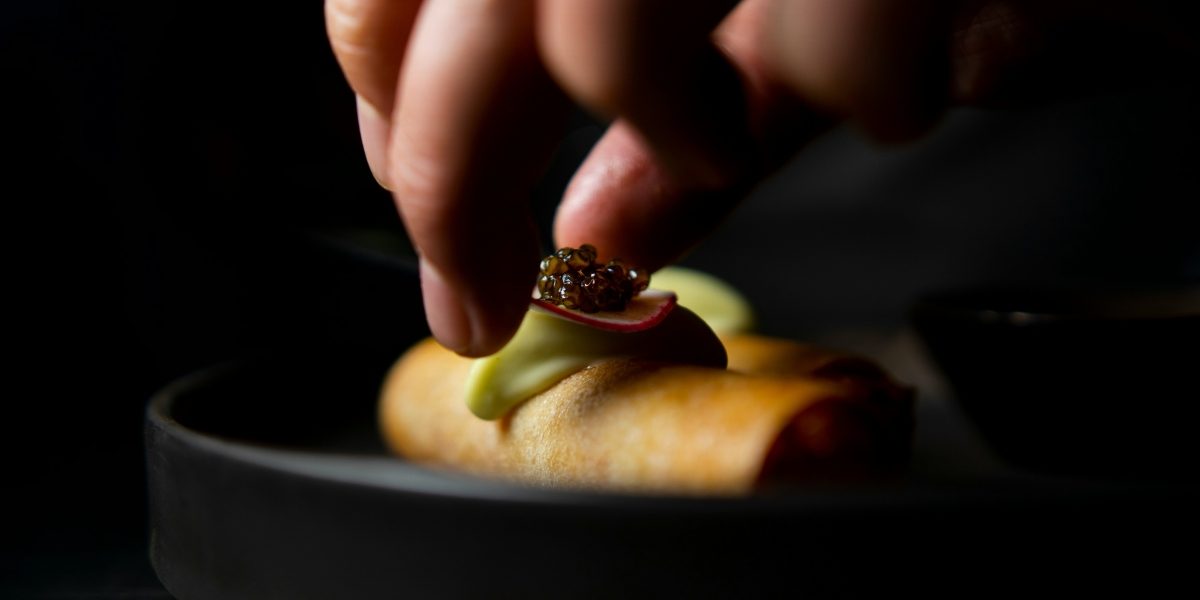

New Yorkers have always had a knack for turning the rarefied into the routine, in a city where haute cuisine rubs shoulders with dollar slices, even caviar, once the near-exclusive domain of oligarchs, aristocrats, and hushed dining rooms, has found a way to feel at home. The modern New York love affair with caviar is not just about luxury or status. It’s about history, access, attitude, and a distinctly urban impulse to democratize pleasure.
A City Built on Imports
To understand why caviar resonates so deeply in New York, you have to begin with the city’s identity as a port. For centuries, New York has been shaped by imports: people, ideas, and foods. Sturgeon roe arrived not as an exotic indulgence but as a traded good, moving through the same global arteries that brought coffee, spices, and wine. In the late nineteenth and early twentieth centuries, the United States was one of the world’s largest producers of caviar, harvested from American sturgeon and shipped abroad. Europeans prized it more than Americans did at the time, but New Yorkers, ever curious, were among the first to embrace it domestically.
From White Tablecloths to Bar Tops
Fast-forward to the present, and New York’s caviar culture reflects the city’s broader food ethos: knowledgeable, playful, and slightly irreverent. In Manhattan and Brooklyn alike, caviar is no longer confined to white-tablecloth temples of fine dining. It appears on potato chips, alongside fried chicken, spooned over deviled eggs, or paired with a cold martini at a neighborhood bar. This is classic New York behavior: take something precious, strip away the ceremony, and enjoy it boldly.
The Pleasure of Contrast
Part of the appeal lies in New Yorkers’ comfort with contrasts. The city thrives on juxtaposition: luxury condos following public housing, fashion over subway grates, Michelin stars within blocks of bodegas. Caviar fits neatly into this worldview. It’s salty, oceanic pop plays beautifully against humble carriers like toast, bagels, or even French fries. For New Yorkers, pleasure is amplified by contrast, and caviar offers an instant, delicious tension between the elevated and the everyday.
An Educated Palate
There’s also the matter of taste, literal and figurative. New Yorkers tend to pride themselves on having educated palates. The city’s density means exposure: to chefs from around the world, to specialty food shops, to conversations about provenance and technique. Caviar rewards attention. Differences in grain size, firmness, salinity, and finish invite comparison and discussion. Ordering caviar in New York isn’t just consumption; it’s participation in a shared cultural language of discernment, whether the choice is classic Osetra or richly buttery Kaluga caviar.
Diaspora and Tradition
Immigration plays a crucial role in this story. Eastern European, Russian, Persian, and Jewish communities have long regarded caviar not as a novelty but as a celebratory staple. In these cultures, roe is tied to memory, ritual, and family gatherings. New York, with its unparalleled concentration of diaspora communities, naturally absorbed these traditions. What might seem extravagant elsewhere feels inherited here. For many New Yorkers, loving caviar isn’t aspirational; it’s ancestral.
The Economics of the Splurge
Economics also shape the city’s relationship with caviar. While New York is famously expensive, it is also a place of shared splurges. People may live in small apartments, skip owning cars, or wear the same coat for years, but they’ll happily spend on a transcendent meal. Caviar fits the “worth it” category. You don’t need a large quantity; you need quality and context. A small tin, shared among friends, feels indulgent but not irresponsible.
Performing Luxury Lightly
Social media has further fueled caviar’s popularity, but in a particularly New York way. Rather than pristine silver spoons and formal presentations, the city’s feeds favor wit: caviar bumps at midnight, roe-topped comfort food, casual luxury worn lightly. The message isn’t “look how rich I am,” but “look how good life can be, right now.” That tone aligns excellently with a city that values confidence over caution.
Celebration as Survival
New York’s caviar obsession is also tied to the city’s relationship with celebration. Birthdays, promotions, breakups, reunions, everything here feels like it deserves marking. Caviar, with its associations of festivity and abundance, has become a shorthand for making an occasion feel special, even if the occasion is simply making it through a hard week. In a city that can be exhilarating and exhausting in equal measure, that symbolism carries weight.
Ultimately, New Yorkers don’t treat caviar as precious or fragile. There’s respect, but not fear. The city’s cooks and eaters understand that reverence without rigidity is what keeps food culture alive. Caviar can be pristine and playful at once, anchoring a tasting menu or crowning a bar snack. Like New York itself, it is serious without being solemn, an expression of joy, taken confidently, one briny bite at a time.