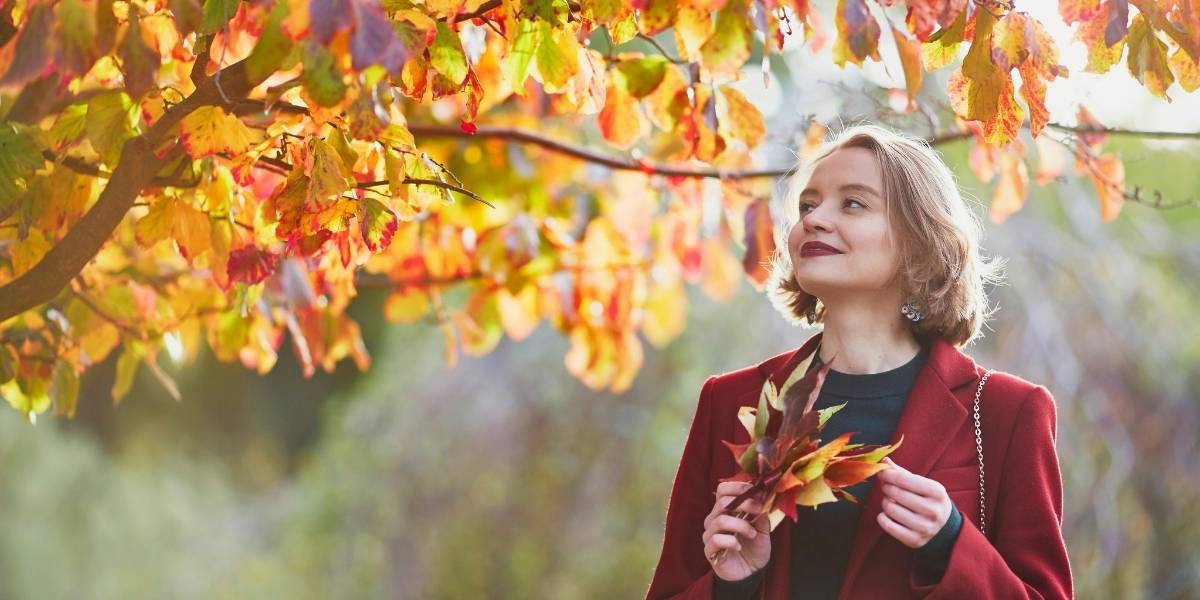

Autumn in NYC isn’t just a seasonal shift, it’s a spectacle. From the fiery reds of Central Park’s sugar maples to the golden hues lining Riverside Drive, the city transforms into a living canvas. But behind the beauty lies a fascinating blend of biology, climate, and chemistry that makes fall in New York unlike anywhere else.
As the air cools and daylight fades, trees across the five boroughs begin a process that’s as scientific as it is stunning. And while leaf peeping might feel like a simple pleasure, understanding the science behind it adds a whole new layer of appreciation to autumn in NYC.
Why Leaves Change Color in the First Place
The color transformation during autumn in NYC is more than seasonal flair, it’s a survival strategy. As trees prepare for winter, they undergo a series of internal changes that result in the brilliant reds, oranges, and yellows we associate with fall. This process, known as senescence, is triggered by environmental cues like shorter daylight hours and cooler temperatures.
During the growing season, chlorophyll dominates. It’s the green pigment responsible for photosynthesis, allowing trees to convert sunlight into energy. But chlorophyll is fragile. As autumn approaches, trees begin to break it down and reabsorb its nutrients to conserve energy for the dormant months ahead.
With chlorophyll fading, other pigments step into the spotlight. Carotenoids, which are always present but masked by green, reveal themselves in golden yellows and warm oranges. Anthocyanins, on the other hand, are produced in response to light and sugar concentration in the leaves. These pigments create the deep reds and purples that give autumn in NYC its signature vibrancy.
Different tree species produce different pigment combinations. Sugar maples are known for their fiery reds, while birches lean toward bright yellow. Oaks tend to hold onto their leaves longer and shift into muted browns and russets. That diversity is part of what makes NYC’s urban canopy so visually dynamic, especially in parks like Fort Tryon or Pelham Bay, where multiple species coexist.
Interestingly, the timing and intensity of color change can vary block by block. Trees planted along shaded avenues may turn later than those in open plazas. Microclimates created by buildings, traffic, and elevation all influence how and when leaves shift. That’s why autumn in NYC feels like a slow-motion mosaic, each neighborhood unfolding at its own pace.
The science also explains why some years are more spectacular than others. A warm, wet spring followed by a dry summer and cool, sunny fall tends to produce the most vivid colors. If early frost hits or rainfall is erratic, leaves may drop before reaching peak brilliance. It’s a delicate balance, and one that makes every autumn in NYC slightly different from the last.
Climate’s Role in NYC’s Fall Palette
Autumn in NYC is shaped not just by biology, but by climate. The city’s unique blend of urban heat, coastal influence, and tree diversity creates a foliage season that’s both unpredictable and spectacular.
Columbia University climate scientist Mukund Palat Rao notes that cooler temperatures and reduced daylight are key triggers for leaf senescence, the process of leaf aging and color change. But rainfall also plays a role. More moisture during the growing season can lead to healthier leaves and richer fall colors.
This year, NYC saw a relatively wet summer followed by a crisp early October, setting the stage for a vibrant autumn. Parks like Prospect, Inwood Hill, and Pelham Bay are already showing strong reds and golds, while the Bronx River Greenway is expected to peak in late October.
Where to See Peak Autumn in NYC
Timing is everything when it comes to fall foliage. Peak autumn in NYC typically hits between mid-October and early November, but it varies by borough and tree type. Sugar maples turn early, while oaks hold their color longer.
The NYC Parks offers real-time updates on color changes across the city’s green spaces. It’s a go-to resource for planning weekend strolls or spontaneous leaf-peeping detours.
Central Park’s North Woods, Fort Tryon Park’s Heather Garden, and the Brooklyn Botanic Garden are perennial favorites. But lesser-known spots like Alley Pond Park in Queens or Clove Lakes Park in Staten Island offer equally stunning views, often with fewer crowds.
The Business of Fall in the City
Autumn in NYC isn’t just a visual treat, it’s an economic engine. Seasonal tourism spikes as visitors flock to experience the city’s fall charm. Local businesses, from cafés to boutiques, lean into the aesthetic, launching fall menus, foliage-themed events, and seasonal campaigns.
Photo Credit: Unsplash.com
Apple orchards just outside the city see a surge in traffic, especially on weekends. As highlighted in NY Weekly’s feature on apple orchard experiences, these destinations blend agritourism with lifestyle appeal, drawing both families and influencers.
Even media coverage shifts. Fashion shoots, film productions, and influencer content often center around autumn in NYC, using the city’s natural backdrop to amplify storytelling. It’s a reminder that fall isn’t just a season, it’s a brand.
How Autumn in NYC Compares Globally
While New York’s fall foliage is iconic, it’s part of a broader global phenomenon. Temperate regions across the Northern Hemisphere experience similar transformations, but the timing and intensity vary.
In tropical climates, seasonal shifts are less about color and more about weather. NY Weekly’s recent piece on typhoon season travel timing explores how autumn in places like Southeast Asia is defined by rainfall and storm cycles, not leaf color.
What sets autumn in NYC apart is its urban context. Few cities offer such a dense mix of architecture, culture, and nature. Watching leaves change against the backdrop of brownstones, skyscrapers, and subway entrances creates a contrast that’s uniquely New York.
Why Autumn in NYC Still Captivates
There’s something timeless about autumn in NYC. It’s a season that invites reflection, movement, and connection. Whether you’re walking through a canopy of gold in Morningside Heights or sipping cider on a Brooklyn stoop, fall feels like a reset.
It’s also a reminder of nature’s rhythm. In a city that never stops, autumn slows things down, if only for a moment. The science behind the colors adds depth, but the experience itself is visceral. It’s the crunch of leaves underfoot, the smell of roasted chestnuts, the way the light hits a red oak at 4 p.m.
And while the season is fleeting, its impact lingers. Autumn in NYC isn’t just about trees, it’s about texture, tone, and transition. It’s proof that even in the most fast-paced city in the world, nature still knows how to steal the show.