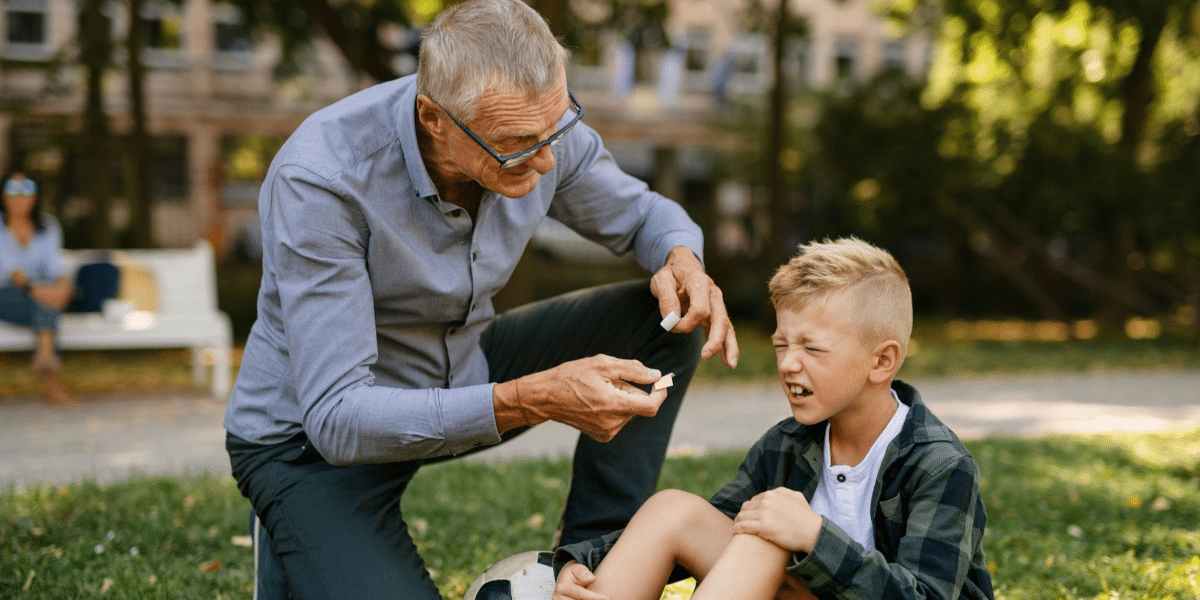

Open wounds are common injuries that can happen during everyday activities, from minor cuts and scrapes to deeper wounds caused by accidents. While a small wound may appear harmless, proper treatment is important because damaged skin can provide an entry point for bacteria and other microorganisms.
Prompt and appropriate wound care can help reduce the risk of infection, support the body’s natural healing process, and prevent a minor injury from becoming a more serious health problem. Knowing how to respond when the skin is broken is therefore an important part of basic first aid.
Key Takeaways
- Open wounds can allow bacteria and other microorganisms to enter the body.
- Cleaning a wound and protecting it with an appropriate dressing can support healing and reduce contamination.
- Some wounds require professional medical attention, particularly if they are deep, heavily contaminated, or show signs of infection.
- People with certain health conditions, including diabetes or a weakened immune system, may require additional care.
- Keeping wounds clean and monitoring them as they heal can help identify complications early.
Why Open Wounds Need Attention
The skin acts as one of the body’s primary protective barriers. When it is cut, scraped, punctured, or otherwise damaged, that barrier is disrupted.
An untreated wound can become contaminated by dirt, bacteria, or other substances. If microorganisms enter damaged tissue and begin multiplying, an infection can develop. In some cases, an infection can spread beyond the immediate area and require more intensive medical treatment.
Prompt wound care does not guarantee that an infection will not occur, but it can reduce exposure to contaminants and create better conditions for the body’s natural healing process.
Cleaning the Wound Is an Important First Step
For minor wounds, gently cleaning the affected area can help remove dirt and other visible debris. Hands should be washed before touching the wound, and the area can generally be rinsed with clean running water.
Depending on the injury, surrounding skin can be cleaned with mild soap and water. Harsh chemicals or substances that can damage healthy tissue should not be routinely applied inside an open wound unless specifically recommended by a healthcare professional.
If debris remains embedded in the wound or cannot be removed easily, medical attention may be appropriate rather than attempting to force it out.
Protecting the Wound During Healing
After cleaning, a minor wound may benefit from being covered with a clean, appropriate dressing. A dressing can help protect the injury from dirt and friction while the skin repairs itself.
The type of dressing depends on the size, location, and nature of the wound. Dressings should be changed as needed, particularly if they become wet or dirty.
Keeping the surrounding area clean and monitoring the wound can also help identify changes that may indicate a developing problem.
Recognizing Signs of Infection
Infection can occur even when a wound initially appears minor. Warning signs can include increasing redness, swelling, warmth, worsening pain, or drainage from the wound.
Other symptoms, such as fever or feeling generally unwell, may indicate that an infection is becoming more significant and require prompt medical evaluation.
A wound that is becoming increasingly painful or showing signs of spreading redness should not be ignored. Early assessment can help determine whether treatment is necessary.
Some Wounds Need Professional Medical Care
Not every open wound can be safely managed at home. Deep cuts, severe puncture wounds, animal or human bites, wounds caused by heavily contaminated objects, and injuries that will not stop bleeding may require medical attention.
Medical care may also be appropriate when a wound is located on a sensitive area of the body or when there is concern about damage to deeper structures such as nerves, tendons, or blood vessels.
Healthcare professionals can determine whether a wound needs specialized cleaning, closure, antibiotics, or other treatment.
Tetanus Protection Is Another Consideration
Certain wounds can increase the risk of tetanus, a serious bacterial infection. The risk is particularly relevant for wounds that are deep, puncture-related, or contaminated with dirt.
Whether a person needs a tetanus vaccine or booster depends on factors such as the nature of the wound and their vaccination history. People who are unsure about their vaccination status should consult a healthcare professional after a potentially risky injury.
People With Certain Health Conditions May Need Extra Care
Some people face a higher risk of complications from wounds. Diabetes, poor circulation, and a weakened immune system can affect how quickly injuries heal and may increase the risk of infection.
People with these conditions should follow guidance from their healthcare providers and may need to seek medical advice sooner than someone with a minor injury and no underlying health concerns.
When to Seek Immediate Medical Attention
Emergency medical care may be necessary when bleeding is severe and does not stop with firm, direct pressure, when a wound is associated with a serious injury, or when there is a loss of sensation or movement near the affected area.
People should also seek prompt medical evaluation for serious bites, large or deep wounds, wounds containing embedded objects, or injuries involving significant tissue damage.
When in doubt about the severity of an injury, professional assessment is safer than delaying care.
Proper Wound Care Supports Recovery
Treating an open wound is not simply about making an injury look cleaner. Appropriate care helps protect damaged tissue, supports the body’s healing process, and provides an opportunity to identify complications before they become more serious.
For minor injuries, basic first aid may be sufficient. More serious wounds require professional evaluation. The key is recognizing the difference and taking appropriate action.
By cleaning wounds promptly, protecting them during healing, monitoring for infection, and seeking medical care when necessary, people can reduce avoidable complications and give their injuries a better chance to heal properly.
FAQs
Why is it important to treat an open wound?
Treating an open wound helps reduce contamination, supports healing, and lowers the risk of complications such as infection.
How should a minor open wound be cleaned?
Wash your hands before touching the wound and gently rinse the injury with clean running water. The surrounding skin can generally be cleaned with mild soap and water. Seek professional advice if debris remains embedded or the wound is more serious.
Should an open wound be covered?
Many minor wounds benefit from a clean dressing that protects the injury from dirt and friction. The dressing should be changed when necessary to keep the area clean and protected.
What are signs that an open wound may be infected?
Increasing redness, swelling, warmth, pain, or drainage can be warning signs. Fever or feeling generally unwell can indicate a more serious infection and should be evaluated promptly.
When should you see a doctor for an open wound?
Medical attention may be necessary for deep or large wounds, severe bleeding, serious bites, heavily contaminated injuries, embedded objects, or wounds showing signs of infection. People with diabetes or weakened immune systems may also need earlier medical assessment.