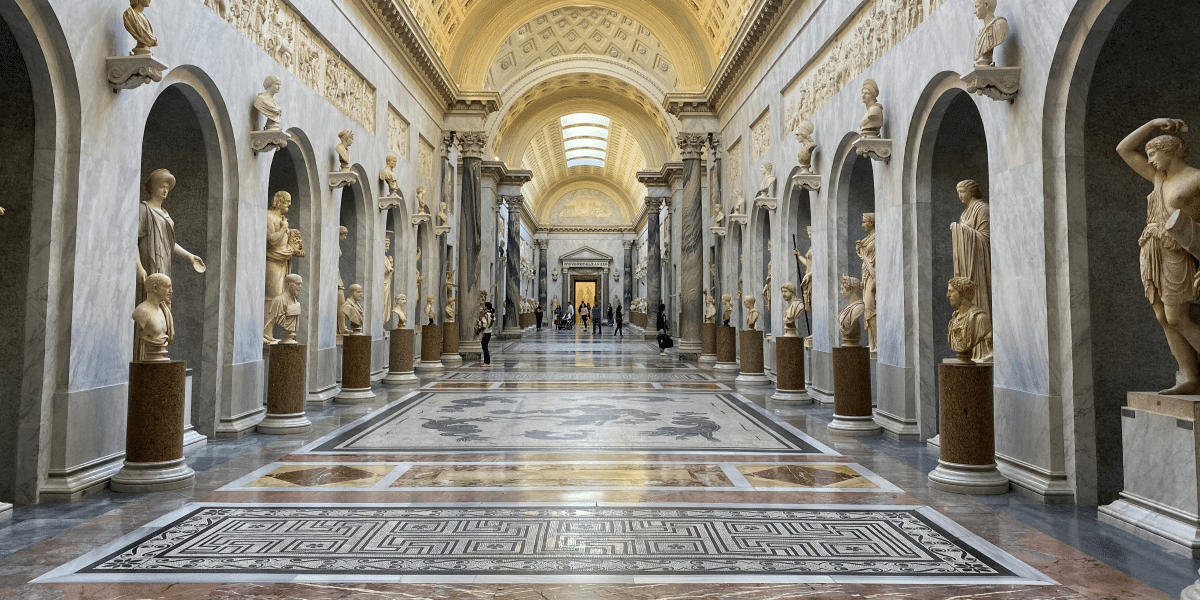

Nestled within the heart of Vatican City, the Vatican Museums stand as a testament to human creativity and divine inspiration. These hallowed halls house one of the world’s most extensive and significant art collections, spanning millennia of human history and artistic expression. From ancient Egyptian artifacts to Renaissance masterpieces, the Vatican Museums offer visitors an unparalleled journey through time and culture.
A Brief History of the Vatican Museums
The origins of the Vatican Museums can be traced back to the 16th century when Pope Julius II began collecting sculptures. Over the centuries, successive popes expanded the collection, adding paintings, tapestries, and other artifacts. Today, the museums comprise 54 galleries, each offering a unique glimpse into different periods and styles of art.
Key Milestones:
- 1506: Discovery of the Laocoön sculpture group
- 1771: Opening of the Pio-Clementine Museum
- 1932: Inauguration of the Pinacoteca Vaticana
- 1970: Opening of the Collection of Modern Religious Art
Must-See Masterpieces
The Vatican Museums house countless masterpieces, but some stand out as true icons of art history:
- The Sistine Chapel Ceiling: Michelangelo’s fresco masterpiece
- Raphael’s Rooms: A series of frescoed rooms by Raphael and his workshop
- Laocoön and His Sons: An ancient Greek sculpture discovered in Rome
- The School of Athens: Raphael’s famous fresco depicting classical philosophers
- Apollo Belvedere: A celebrated ancient Roman copy of a Greek bronze original
Each of these works offers visitors a chance to witness the pinnacle of human artistic achievement up close.
Navigating the Vatican Museums
With over 70,000 works of art spread across 54 galleries, navigating the Vatican Museums can be overwhelming. Here are some tips to make the most of your visit:
- Plan Your Route: Decide which galleries and works you absolutely must see
- Use a Map: The museums provide free maps to help you navigate
- Consider a Guided Tour: Expert guides can offer valuable insights and help you avoid crowds
- Take Breaks: The museums are vast, so pace yourself and take rest stops
Planning Your Visit
To ensure a smooth and enjoyable experience at the Vatican Museums, consider the following:
- Book in Advance: Online reservations can help you skip long queues
- Choose Your Time Wisely: Early morning or late afternoon visits often mean smaller crowds
- Dress Appropriately: Remember, this is a religious site with a dress code
- Bring Water: Stay hydrated, especially during summer months
- Allow Enough Time: A thorough visit can take 3-4 hours or more
The Sistine Chapel: A Crowning Glory
No visit to the Vatican Museums is complete without experiencing the Sistine Chapel. This iconic space, adorned with Michelangelo’s ceiling frescoes and his powerful “Last Judgment,” represents the pinnacle of Renaissance art.
Interesting Facts:
- The ceiling took Michelangelo four years to complete (1508-1512)
- The “Last Judgment” was painted much later, from 1536 to 1541
- The chapel is still used for papal conclaves to elect new popes
Beyond the Art: Gardens and Architecture
While the artworks are the main attraction, the Vatican Museums also boast stunning architecture and beautiful gardens:
- Vatican Gardens: A peaceful oasis of greenery and fountains
- Bramante Staircase: A double helix staircase designed in 1512
- Gallery of Maps: A long corridor adorned with topographical maps of Italy
- Borgia Apartments: Lavishly decorated rooms once used by Pope Alexander VI
These elements add another dimension to the museum experience, showcasing the grandeur of the papal residence.
Preservation and Restoration Efforts
The Vatican Museums are not just about displaying art; they’re also at the forefront of art preservation and restoration. Ongoing efforts include:
- Climate control systems to protect delicate artworks
- Advanced cleaning techniques for frescoes and sculptures
- Digital documentation of the entire collection
- Collaboration with international experts and institutions
These efforts ensure that future generations can continue to enjoy these priceless treasures.
The Vatican Museums in the Digital Age
In recent years, the Vatican Museums have embraced technology to enhance visitor experiences and reach a global audience:
- Virtual Tours: Explore parts of the museums online
- Mobile Apps: Interactive guides and information at your fingertips
- Social Media Presence: Regular updates and behind-the-scenes content
- Online Ticketing: Easy reservation system to plan your visit
These digital initiatives make the Vatican Museums more accessible than ever before.
Conclusion
The Vatican Museums offer an unparalleled journey through art history, faith, and human creativity. From ancient sculptures to Renaissance masterpieces, every visit promises new discoveries and lasting memories. Whether you’re an art enthusiast, history buff, or curious traveler, the Vatican Museums provide an experience that will enrich your understanding of art and culture for years to come.
As you plan your visit to Rome, make sure to allocate ample time for exploring the Vatican Museums. The treasures within these walls tell stories of human achievement, spiritual devotion, and the enduring power of art to inspire and unite us across centuries and cultures.
Published by: Annie P.