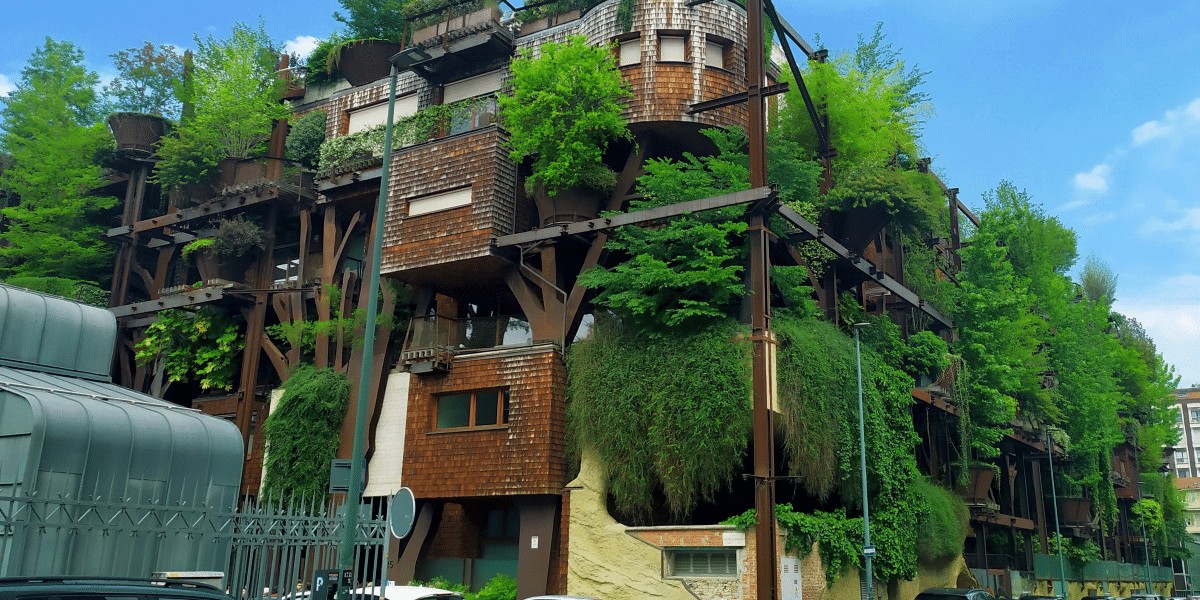

What is Green Architecture?
Green architecture is all about designing buildings that are environmentally friendly and sustainable. It focuses on using materials and methods that reduce environmental impact, like energy-efficient systems, renewable resources, and minimizing waste. This approach not only helps the planet but also creates healthier living and working spaces for people. By incorporating elements such as natural lighting, better insulation, and water-saving fixtures, green architecture aims to make buildings more efficient and comfortable. Essentially, it’s a way to build that respects the environment and improves quality of life.
How Does Green Architecture Improve Occupant Health and Well-being?
Green architecture is designed with a focus on improving indoor environments. By prioritizing better air quality, these buildings aim to reduce exposure to common pollutants, such as VOCs and formaldehyde, often found in conventional buildings. This approach supports the creation of healthier indoor spaces, potentially contributing to improved well-being.
Additionally, green buildings are designed to incorporate natural light, which can help reduce energy consumption. These spaces often feature abundant sunlight and fresh air from well-ventilated rooms, creating a more pleasant and comfortable working environment. Many individuals in such buildings report feeling more satisfied with their surroundings.
Moreover, incorporating plants and green spaces within the architecture has been shown to reduce stress and improve mental health. The presence of greenery can make a significant difference in how you feel every day. In essence, green architecture focuses on creating a healthier, happier living and working environment.
What Are the Environmental Benefits of Green Buildings?
Green buildings offer significant environmental benefits. By minimizing energy and water usage, they can reduce the overall strain on natural resources. These buildings often incorporate renewable energy sources, such as solar panels, which can help cut down on fossil fuel consumption and greenhouse gas emissions. Additionally, green roofs and walls can improve urban biodiversity by providing habitats for plants and wildlife.
Green architecture also focuses on sustainable materials that may reduce waste and promote recycling. For instance, using recycled or locally sourced materials lowers the carbon footprint associated with transportation. Furthermore, water conservation strategies like rainwater harvesting and low-flow fixtures help manage water resources more efficiently.
Overall, green buildings are designed to reduce environmental impact by minimizing pollution and supporting sustainability. Their eco-friendly features contribute to efforts aimed at reducing the effects of climate change and promoting a cleaner, more sustainable environment for future generations.
What Economic Advantages Do Sustainable Buildings Offer?
Sustainable buildings are often considered a practical investment due to their potential economic advantages. Features like improved energy efficiency and water conservation measures, such as solar panels and efficient insulation, can help reduce operating costs. Additionally, these buildings are designed to lower utility bills and maintenance needs, contributing to long-term savings.
Green architecture often leads to higher property values and rental rates. Buildings with green certifications are seen as more desirable, giving them a competitive edge in the real estate market. Furthermore, there are various government incentives and tax benefits available for adopting sustainable practices, which can enhance your financial returns.
Lastly, sustainable buildings are designed to create comfortable and healthy environments, which may positively influence occupant well-being and workplace dynamics. Investing in green architecture can offer potential economic advantages while supporting environmental goals, making it a practical consideration for both immediate and future benefits.
Why Consider Green Architecture?
Investing in green architecture is a thoughtful choice for individuals and businesses, as it supports efforts to reduce environmental impact while focusing on creating spaces that prioritize occupant comfort and well-being. Green buildings can offer significant energy savings, which translates to lower utility bills. Additionally, they often have higher property values and can provide various financial incentives like tax breaks. By choosing sustainable buildings, you contribute to a healthier planet and enjoy a more comfortable, productive living or working environment. In the end, green architecture is about creating spaces that are better for you and the world around you.
Published by: Josh Tatunay