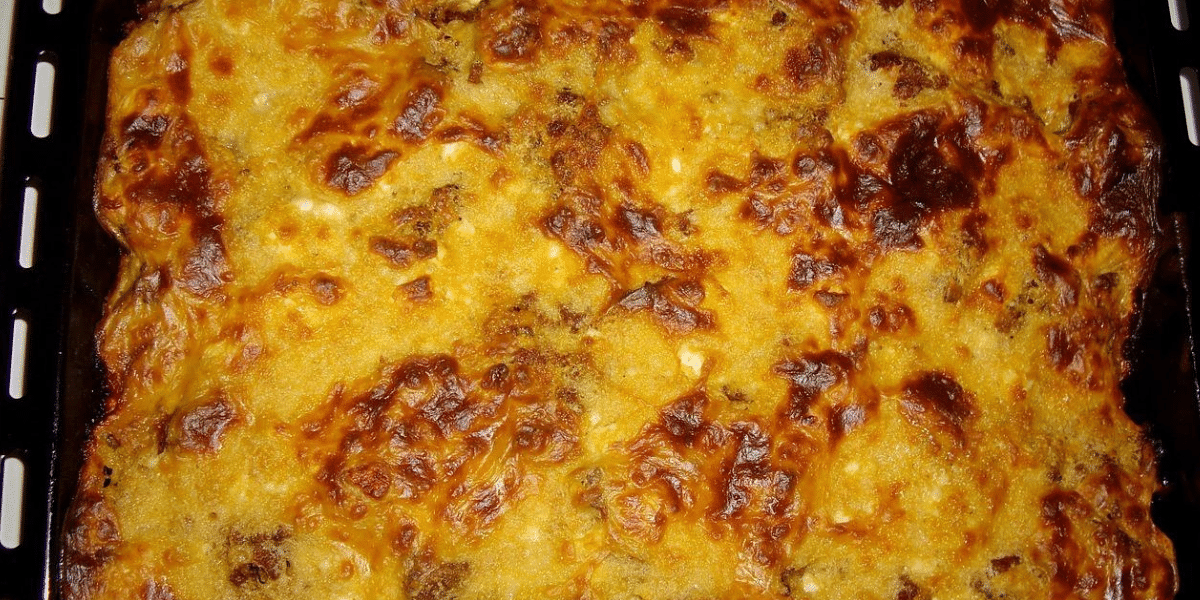

With the Jewish high holidays of Rosh Hashanah and Yom Kippur fast approaching, many families are preparing to gather around their tables for festive meals. Among the many cherished dishes enjoyed during these celebrations, moussaka holds a special place. A hearty, layered casserole made with eggplant, ground meat, and béchamel sauce, Israeli moussaka has a rich history and deep roots in Jewish cuisine. Originating from the Mediterranean and Middle Eastern regions, moussaka is believed to have been brought to Israel by Jewish immigrants from Greece and Turkey. Over the years, it has become a beloved dish for many Jewish families, symbolizing both comfort and tradition.
“Moussaka is more than just a delicious dish; it’s a way to bring our heritage to life,” says Janine Winkler Lowy, a Jewish philanthropist based in Los Angeles. “The high holidays, with family and friends gathered round, are the perfect opportunity to share a piece of Jewish culture through food. It’s a chance to pass down age-old recipes, like moussaka, to new generations, including my grandchildren, in a way that strengthens the Jewish future.”
Preparing an Authentic Israeli Moussaka
To prepare an authentic Israeli moussaka for your high holiday table, start by gathering the following ingredients:
- 2 large eggplants, sliced into 1/4-inch rounds
- 2 tablespoons olive oil
- 1 large onion, finely chopped
- 2 cloves garlic, minced
- 1 pound ground beef or lamb
- 1 teaspoon ground cinnamon
- 1 teaspoon ground allspice
- Salt and pepper to taste
- 1/2 cup tomato sauce
- 1/2 cup red wine
- 1/2 cup chopped parsley
- 1 cup béchamel sauce
- 1/2 cup grated Parmesan cheese
Step 1: Prepare the Eggplant.
Preheat your oven to 400°F (200°C). Arrange the eggplant slices on a baking sheet, drizzle with olive oil, and season with salt and pepper. Roast in the oven for 20 minutes or until the eggplant is tender and golden. Remove from the oven and set aside.
Step 2: Cook the Meat Filling.
In a large skillet, heat the remaining olive oil over medium heat. Add the onion and garlic, sautéing until they become translucent. Add the ground meat and cook until browned, breaking it up with a wooden spoon as it cooks. Stir in the cinnamon, allspice, salt, and pepper. Pour in the tomato sauce and red wine, and let the mixture simmer for 10 minutes until it thickens. Stir in the chopped parsley and remove from heat.
Step 3: Assemble the Moussaka.
Reduce the oven temperature to 375°F (190°C). In a baking dish, layer half of the roasted eggplant slices. Spread the meat mixture over the eggplant, then top with the remaining eggplant slices. Pour the béchamel sauce evenly over the top layer, smoothing it with a spatula. Sprinkle the grated Parmesan cheese over the sauce.
Step 4: Bake the Moussaka.
Place the assembled dish in the oven and bake for 30-35 minutes, or until the top is golden and bubbly. Allow the moussaka to cool slightly before serving, as this helps the layers set.
As you gather with loved ones during this special time, serving a dish like moussaka can create lasting memories and strengthen familial bonds. “This dish is perfect for your high holiday gatherings,” Janine Lowy adds. “It’s hearty, flavorful, and full of history, making it the ideal choice for celebrating our heritage and creating new traditions together.”
With its layers of tender eggplant, savory meat, and creamy béchamel, Israeli moussaka is sure to be a hit at your high holiday table. Enjoy this traditional dish as you celebrate Rosh Hashanah and Yom Kippur with family and friends, savoring both the flavors and the rich history it represents.
Published by: Holy Minoza